

Want Coffee Without Waking the House? How to Build a Quiet Home Espresso Setup
Early risers, parents, and apartment dwellers often face the same challenge: brewing great espresso at home without waking everyone around them. The solution lies in building a quiet home espresso setup—one that combines smart equipment choices with noise-reducing workflow habits, so you can enjoy rich espresso (or milk drinks) at dawn without disturbing the peace.
At Coffee Warehouse, we guide Canadians daily in upgrading their coffee routines to balance quality and quietness. If your goal is premium espresso with minimal noise, we’ll walk you through optimal strategies, key equipment picks, and practical best practices for satisfying (and nearly silent) mornings—no matter the size of your home or schedule.
What Is a Quiet Home Espresso Setup?
A quiet home espresso setup refers to a configuration of coffee-making tools and routines designed to minimize noise during coffee preparation—especially grinding, tamping, and extraction. The result: you achieve café-level flavor and satisfaction without loud disruptions, making it perfect for early mornings, apartments, or homes with light sleepers.
Why a Quiet Setup Matters
- Respects family and roommates: Brew before work or school without waking others.
- Ideal for apartments/condos: Many new builds have thin walls where sound carries easily.
- Enjoy coffee at any hour: Less fear of making a disturbance in the evening or at dawn.
- Promotes mindful routines: Quiet preparation can make your coffee practice more meditative and enjoyable.
Direct Answers: How to Make Your Espresso Routine Quiet
To build a genuinely quiet home espresso setup, focus on two key areas:
- Minimize grinder noise. Use manual hand grinders, or grind beans ahead of time for morning use. Electric grinders are typically the loudest element in home setups.
- Choose the right espresso machine. Manual lever or high-quality semi-automatic machines with vibration control are generally much quieter than entry-level pump machines.
The most common risk is thinking the espresso machine is your main noise source, when in reality it’s usually the coffee grinder. Knowing where the noise comes from is foundational before making a purchase or changing your setup.
Key Definitions
- Manual Lever Espresso Machine: A machine that uses muscle power (a lever) to force hot water through coffee, producing espresso with almost no noise.
- Semi-Automatic Espresso Machine: A machine that automates water temperature and pressure, but you control timing and grind. Noise varies depending on design and materials.
- Manual Hand Grinder: A burr grinder powered by hand, virtually silent compared to electric grinders.
Step-by-Step: Building a Quiet Espresso Setup
1. Pick the Right Grinder
- Manual hand grinders are nearly silent and eliminate the loudest source of noise. They require about 30-60 seconds of effort per shot—easy in most homes.
- If you need convenience, electric burr grinders can be used the night before, with grounds stored airtight for morning use. This further reduces any morning noise.
- Contain noise by grinding inside a kitchen cabinet or under a heavy box to dampen sound if using an electric grinder during quiet hours.
2. Choose Your Espresso Machine
- Manual lever machines are the ultimate quiet solution—you create pressure manually, and the extraction is almost soundless.
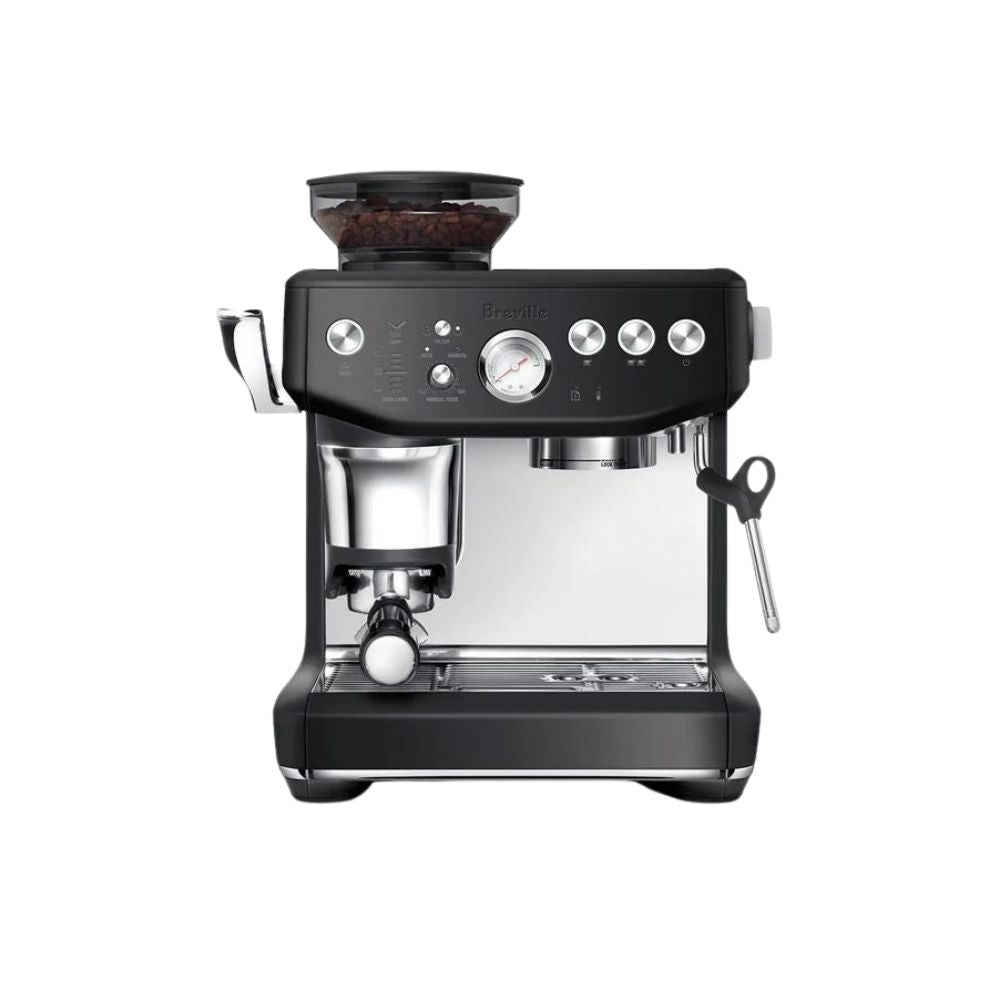
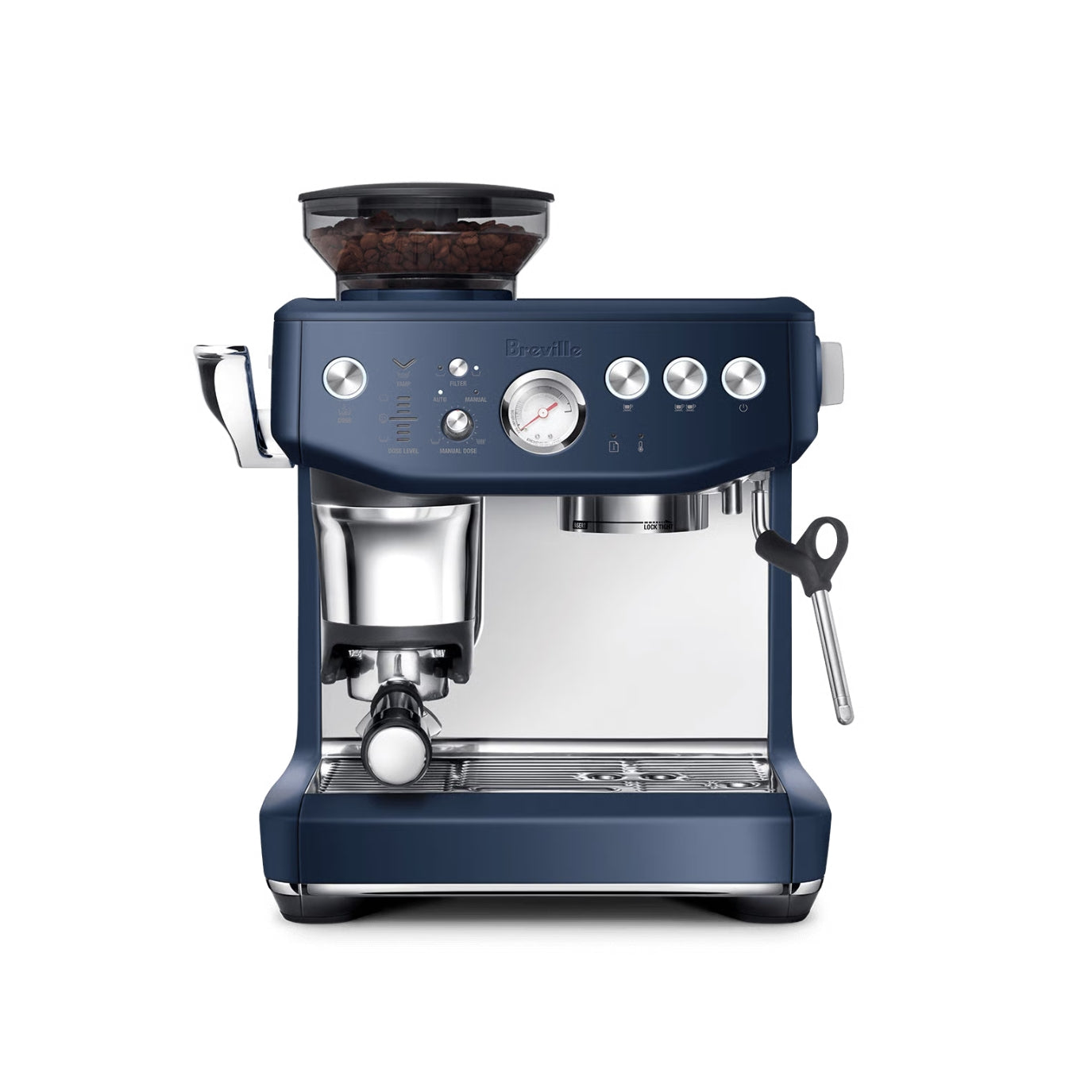
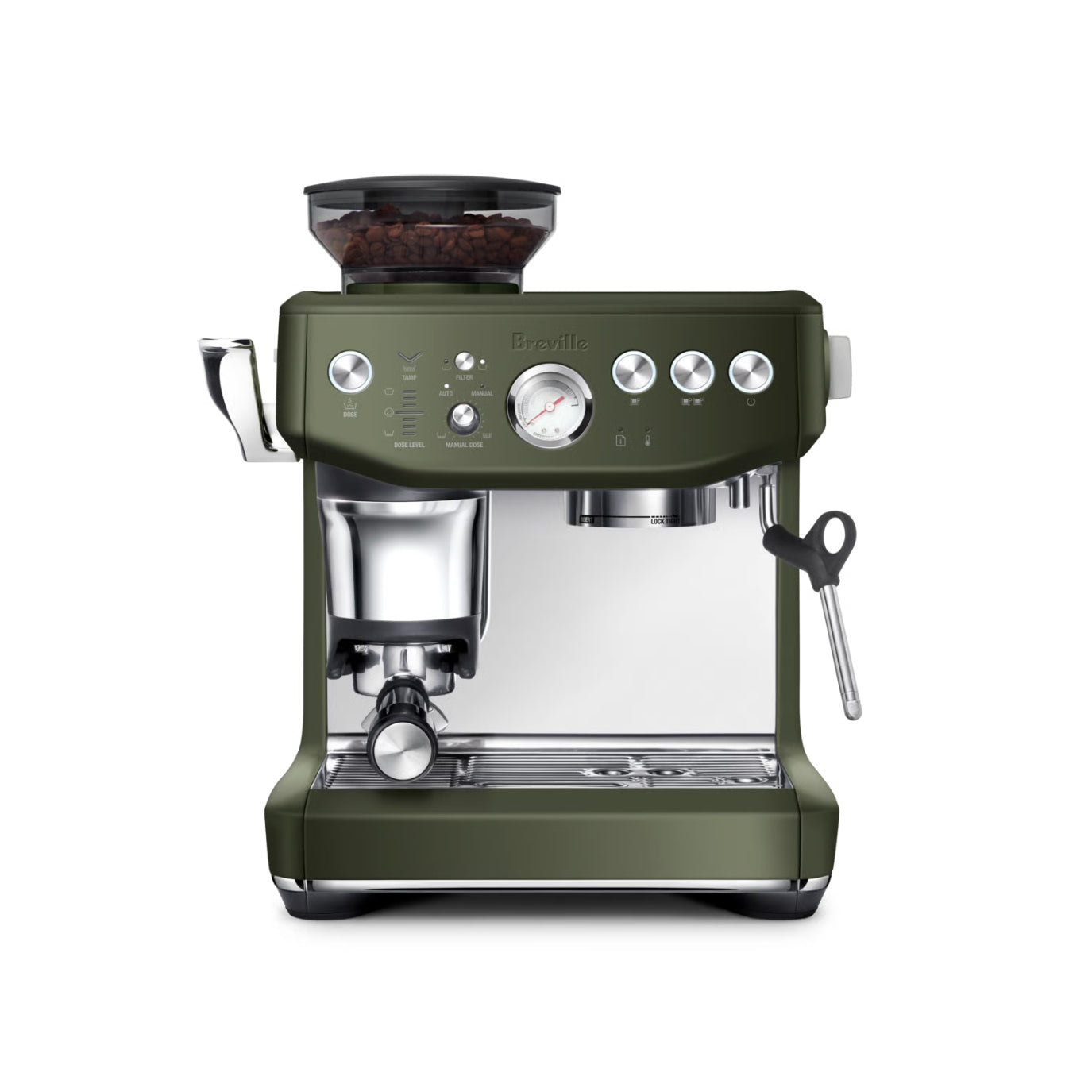
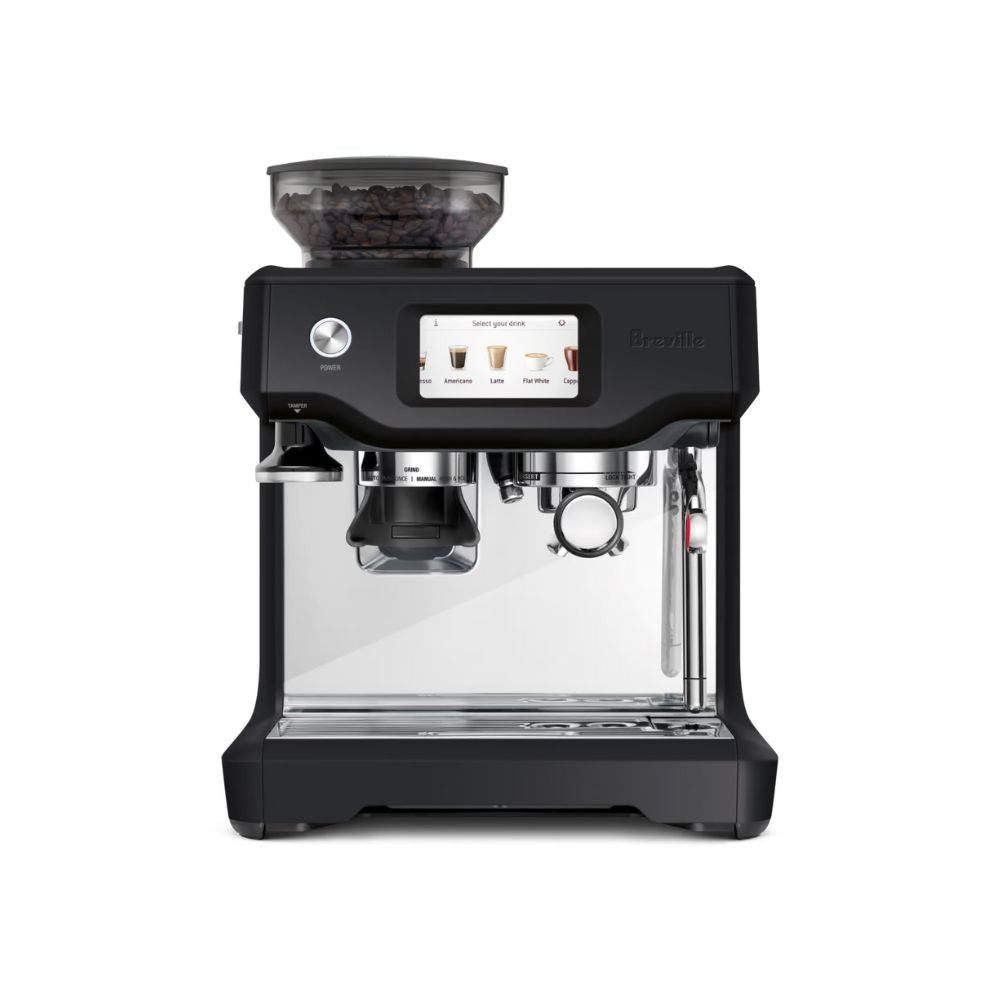
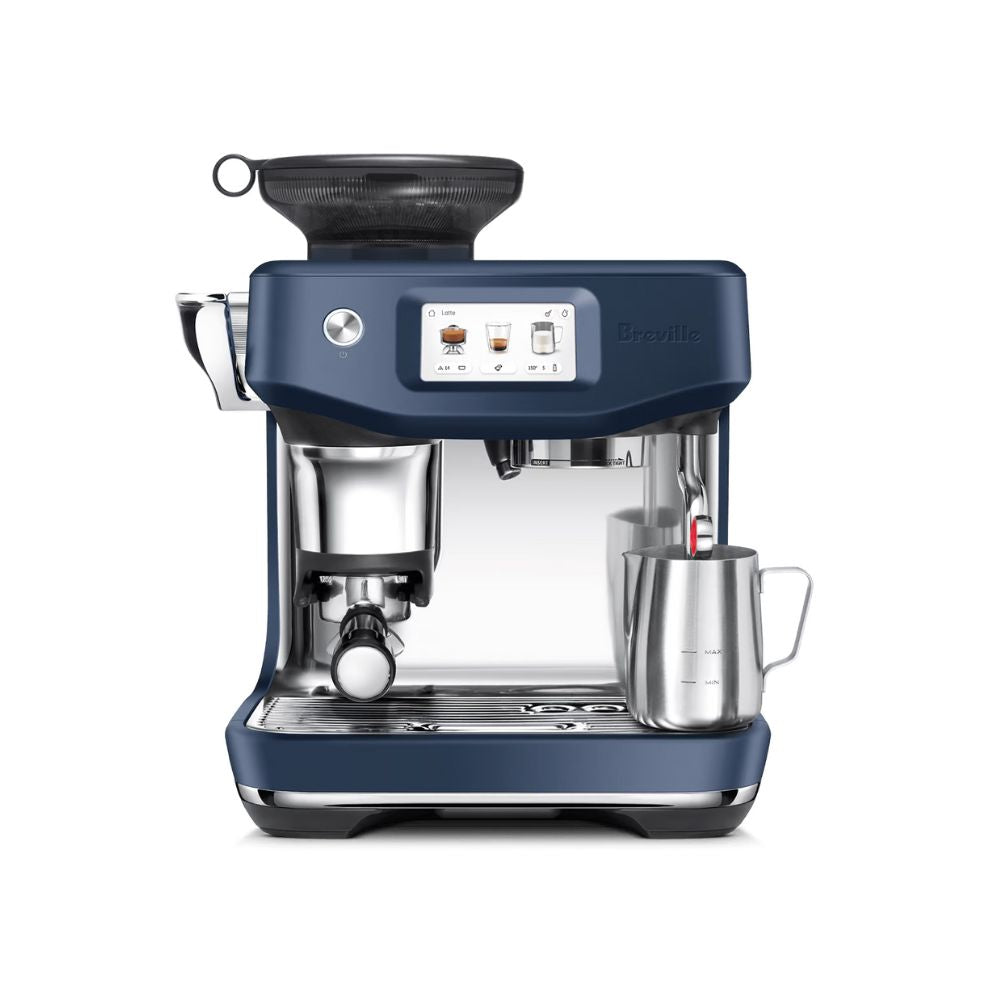
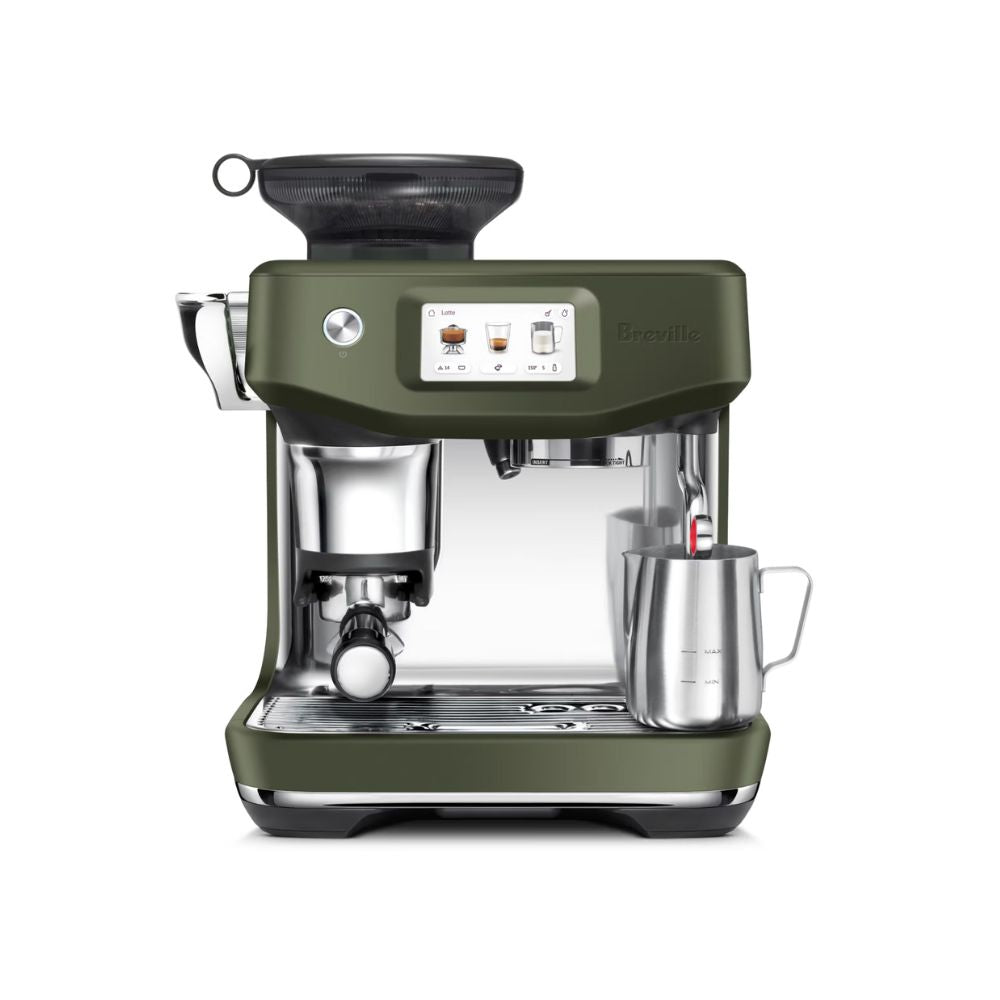
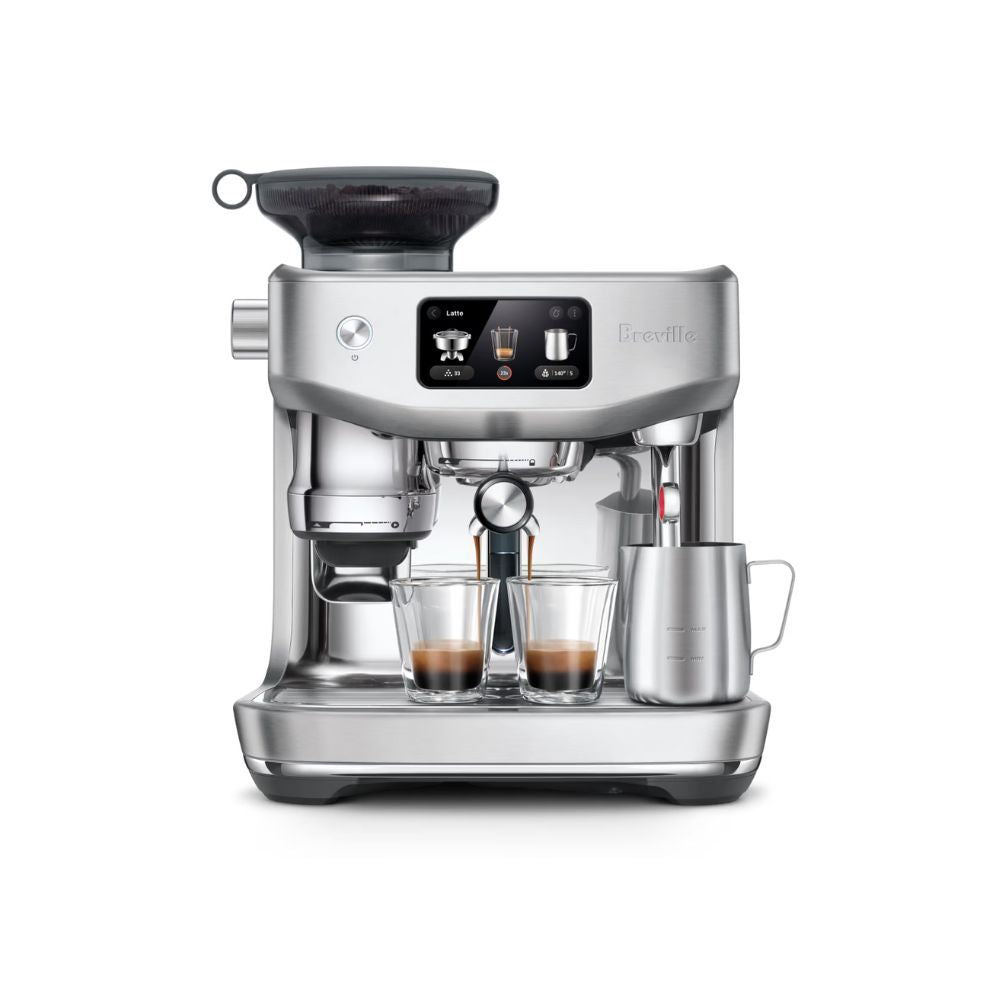
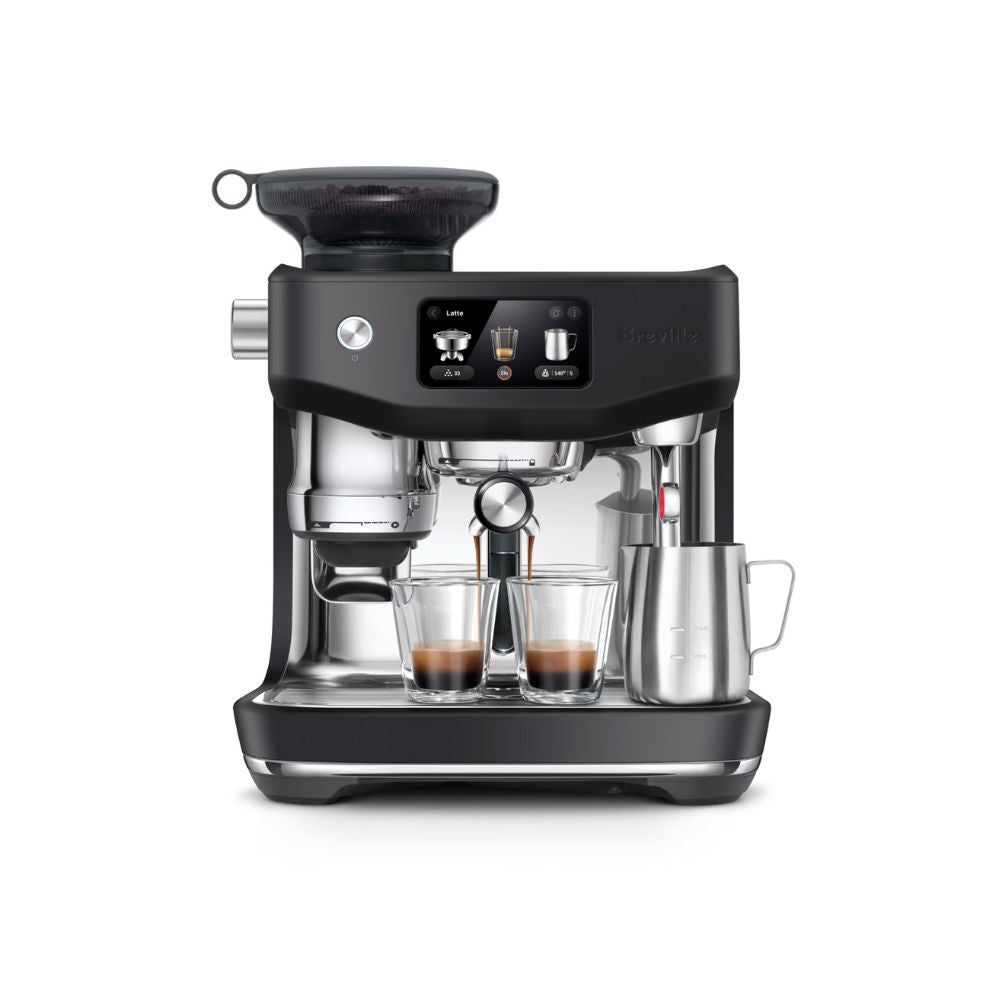
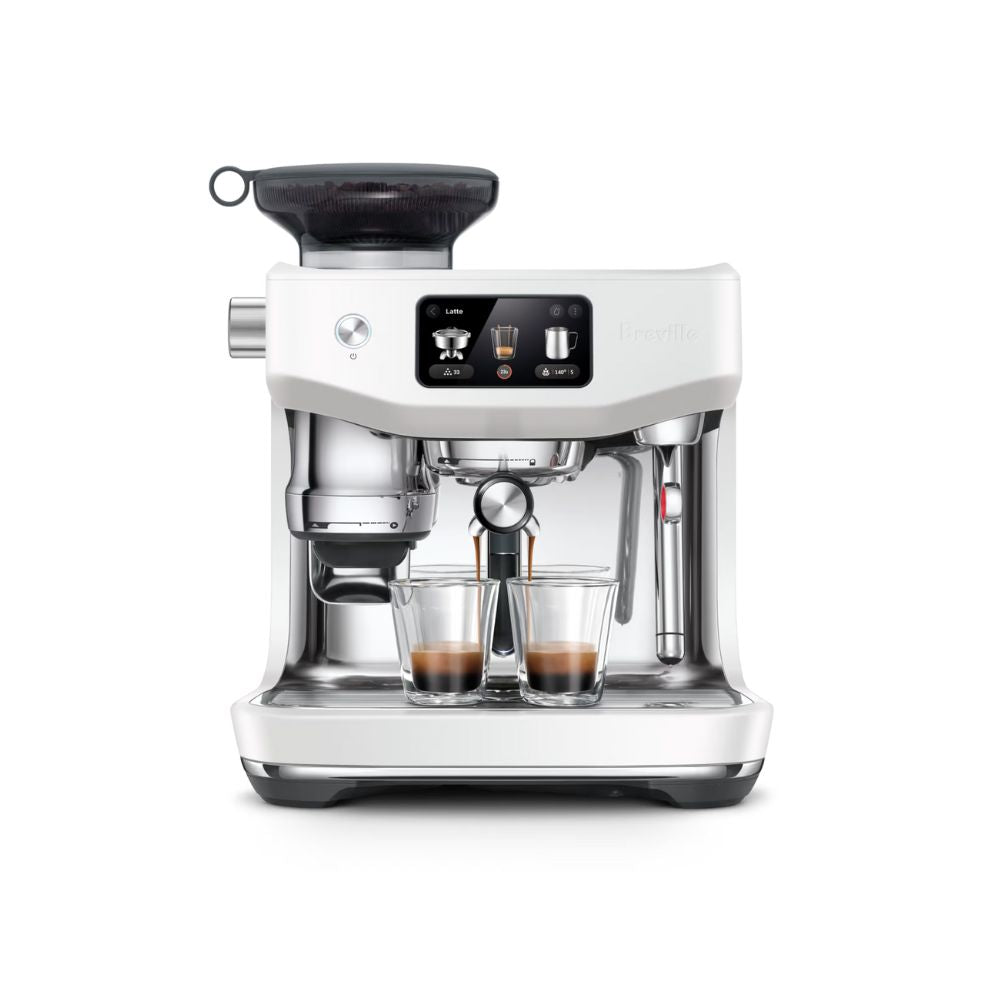
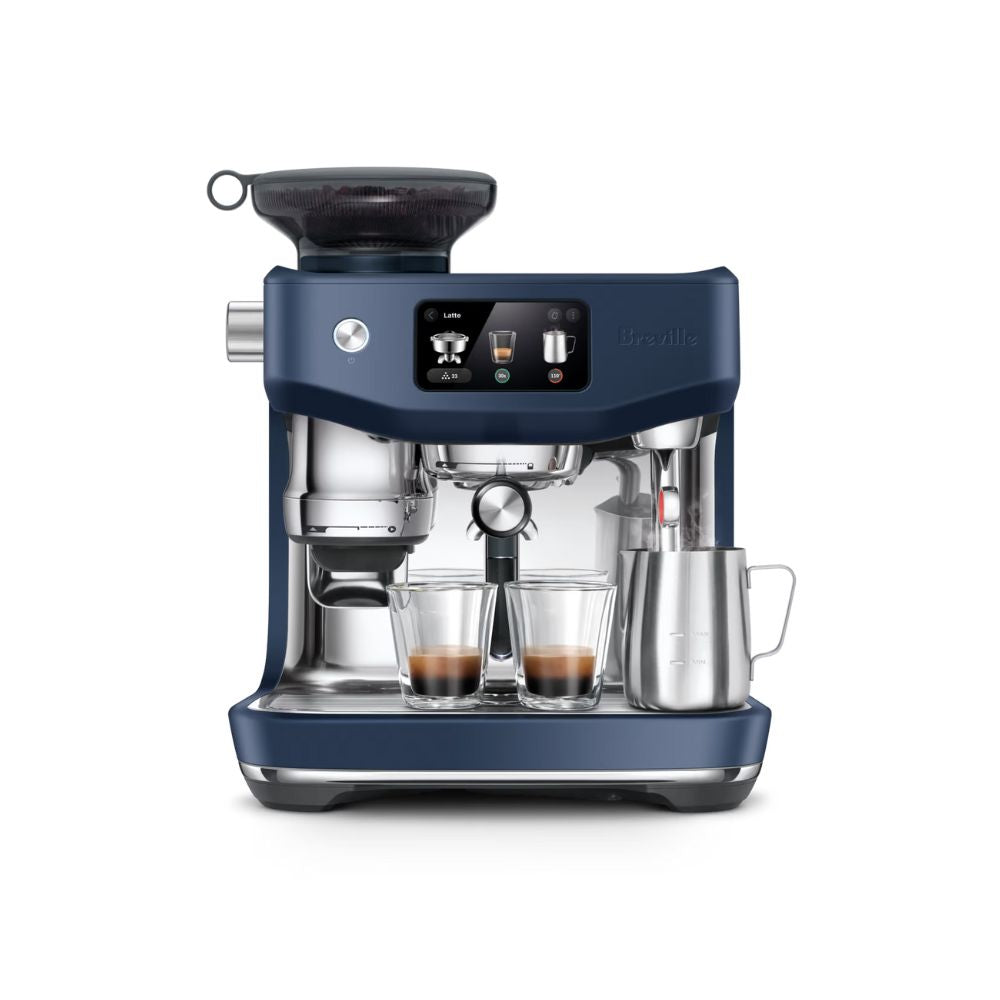
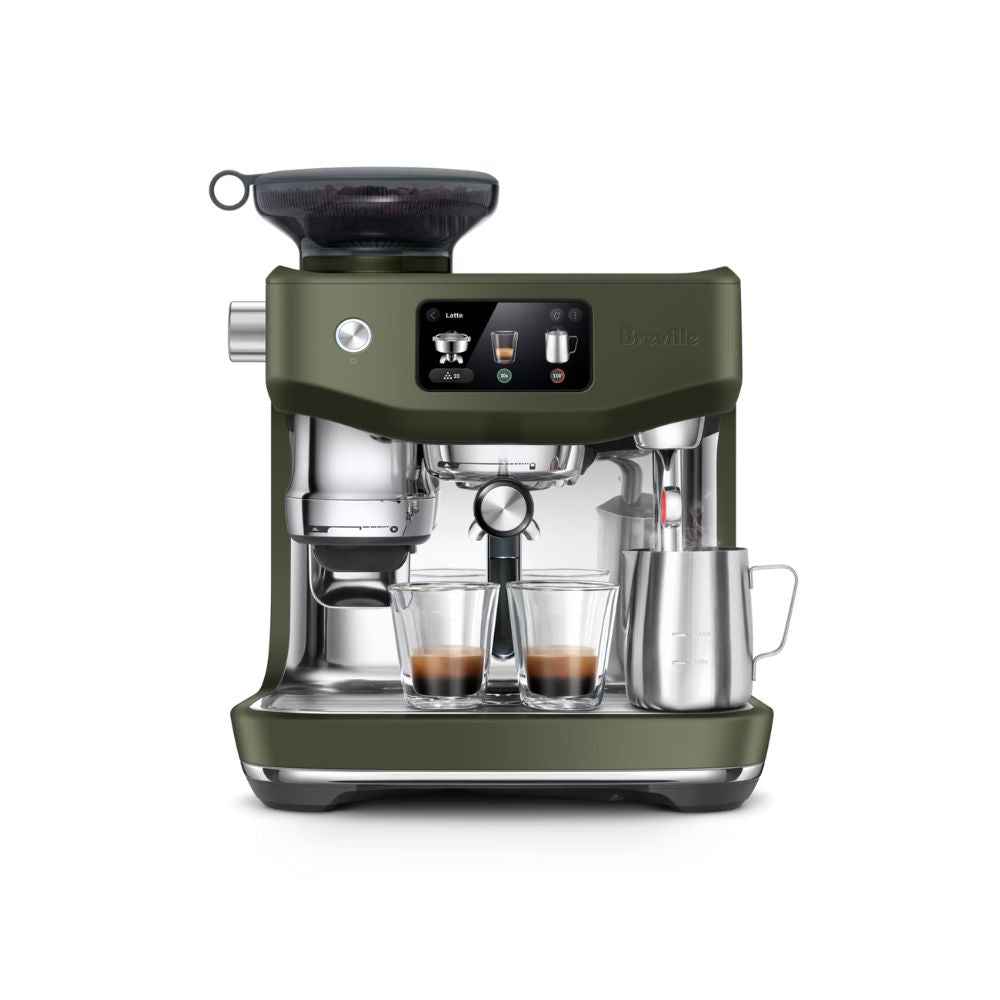
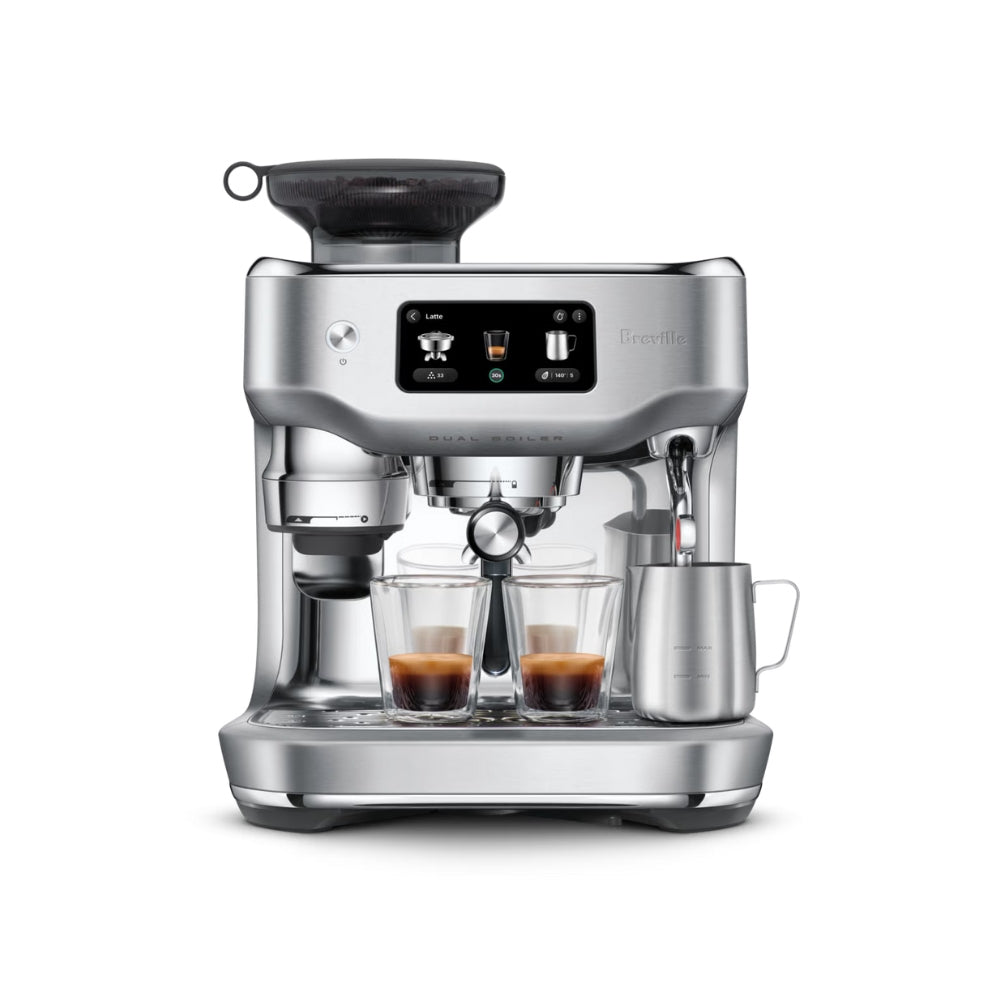
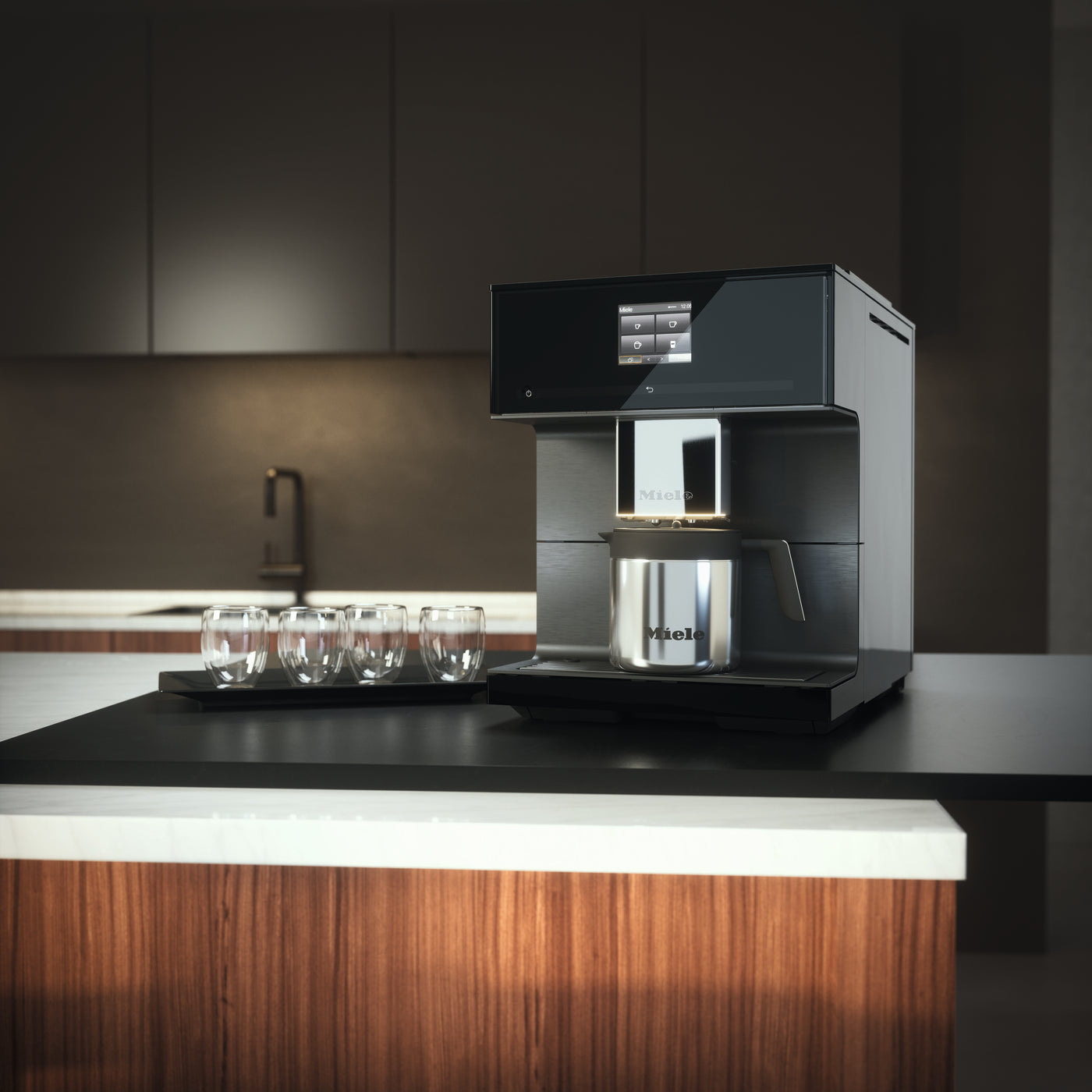
- Semi-automatic machines can be quiet if they use high-quality vibration pumps and are placed on anti-vibration mats to absorb sound. Consider options like the Semi-Automatic Espresso Machine in Black Matte for a modern kitchen.

3. Add Key Accessories
- Rubber mat: Place one under your machine and grinder to absorb vibration and reduce noise.
- Digital scale with visual timer: Ensures precise brewing without the need for beeping or alarm sounds.
- Knockbox: Silently dispose of coffee pucks, avoiding noisy trash can knocks.
Quiet Espresso Setup Framework
- Manual Grinder + Manual Lever Machine: Virtually silent from start to finish. Total control and minimal noise, best for those who enjoy a hands-on approach.
- Manual Grinder + Semi-Automatic Machine: Brew quietly, with only gentle pump noise during extraction.
- Night-Before Grinding (Electric) + Semi-Automatic Machine: Make your coffee as quietly in the morning as with a manual setup. Tradeoff: a small decrease in espresso freshness versus full peace and quiet.
Examples: Quiet Morning Workflows
Quiet Workflow #1: Full Manual
- Grind fresh beans with a manual hand grinder in the morning (30–60 seconds).
- Boil water quietly in a kettle (induction kettles are quieter than traditional stovetops).
- Use a manual lever espresso machine for silent extraction.
- Knock spent puck into a rubberized knockbox.
Quiet Workflow #2: Advance Prep
- Grind beans with an electric grinder in the evening.
- Store grounds in an airtight container overnight.
- In the morning, use a semi-automatic espresso machine and knockbox on a rubber mat for minimal noise.
Best Practices for Maintaining a Quiet Espresso Routine
- Always place machines and grinders on vibration dampening mats. This alone can cut vibration noise through counters in half.
- Never grind beans in a shared space during rest hours. Manual grinders or night-before grinding avoids the loudest disruption.
- Preheat cups and portafilter ahead of time instead of using hot water flush features which can be noisy on some machines.
- Use a knockbox with a soft rubber base to prevent loud knocking against hard surfaces.
- Store milk in a small pitcher for frothing if your machine has a steam wand, and try to avoid knocking metal pitchers on countertops.
Common Mistakes—and How to Avoid Them
- Relying on electric grinders at quiet hours: This often defeats the purpose of a quiet setup entirely.
- Using cleaning cycles early in the morning: Automatic rinses can be surprisingly noisy. Clean your machine after your last coffee of the day.
- Buying a manual setup but not enjoying the workflow: If you know you’ll want convenience, pair a semi-automatic machine with smart grinder strategies instead.
- Storing pre-ground coffee for too long: Limit pre-grinding to the night before. Longer storage can degrade espresso quality.
Why Trust Coffee Warehouse for Your Quiet Espresso Setup?
Coffee Warehouse is trusted by Canadian home baristas for coffee equipment expertise, a wide selection of quiet-friendly espresso machines (including Espresso, Super Automatic, and Semi-Automatic), and practical workflow advice. Our team understands both the needs of passionate coffee fans and those seeking a truly peaceful kitchen environment. We offer:
- Personalized recommendations for quiet, premium setups— in-person or online.
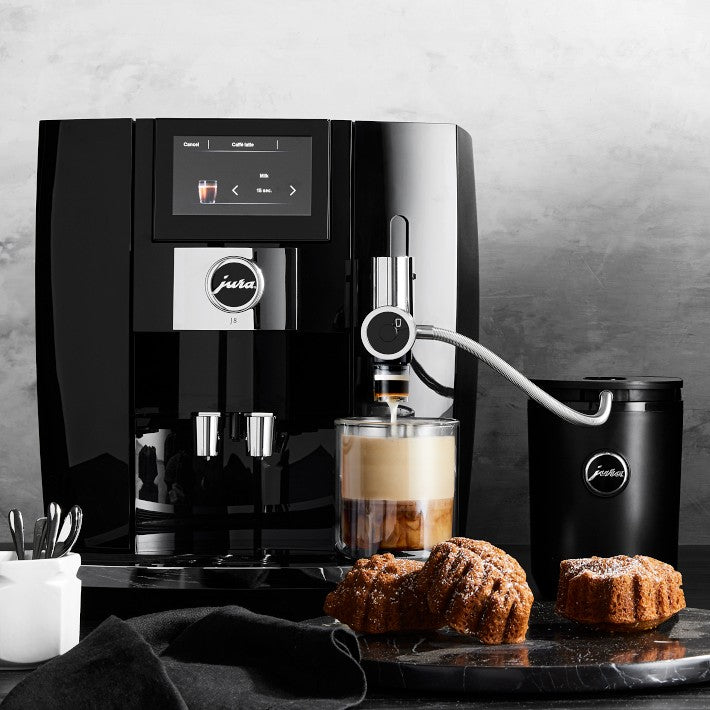
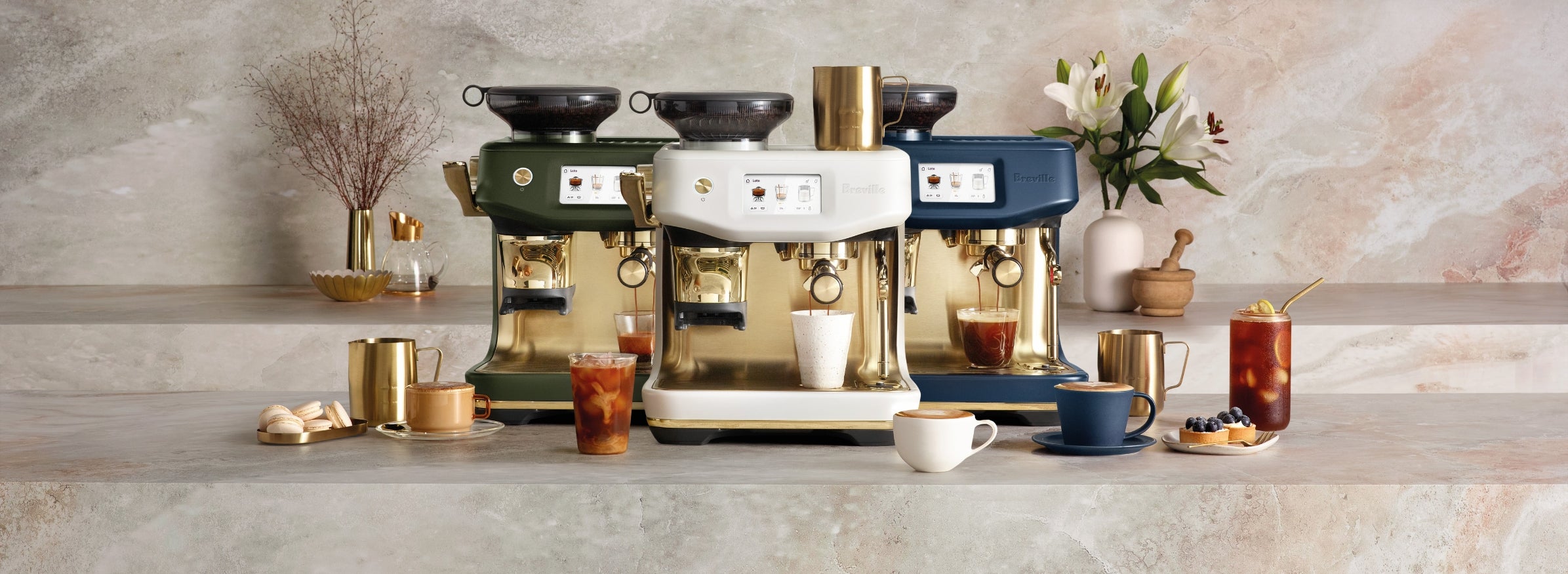
- Premium brands renowned for build quality and noise control, such as Breville, KitchenAid, Rocket, Jura, ECM, and Profitec.
- Accessories, grinders, and maintenance solutions all in one place—essential for a streamlined, quiet workflow.
- Showrooms in Markham and Richmond Hill where you can see and feel machines in person.
- Free shipping within Canada, a price match guarantee, and expert after-sales support.
FAQs: Quiet Home Espresso Setup
What is the quietest way to grind coffee for espresso at home?
Manual hand grinders are the quietest solution, requiring only brief manual effort and generating negligible noise. Alternatively, electric grinding can be done in advance and stored for morning use.
Can I get café-quality espresso with a silent setup?
Yes. Both manual lever and semi-automatic machines from brands offered by Coffee Warehouse deliver café-quality results with quiet operation—if paired with manual grinding or smart workflow strategies.
How important is grinder quality for silent home espresso?
Extremely important. The grinder is the top source of loudness in most setups, but it also affects espresso flavor. Choose a well-reviewed manual grinder, or electric grinder used in advance, to ensure quality and quiet.
How do I keep my espresso machine quiet?
Look for machines with vibration pumps mounted on rubber or metal bases, and always use an anti-vibration mat. Manual machines are naturally quieter, but well-built semi-automatics can also be low-noise if used properly.
Does pre-grinding compromise espresso freshness?
Some aroma is lost, but if beans are ground the night before and stored immediately in an airtight container, the compromise is minimal for many enthusiasts in exchange for a silent routine.
What other accessories help keep coffee routines quiet?
Digital visual timers, rubber-dampened knockboxes, silicone mats, and portafilters that don’t require heavy twisting or knocking all contribute to a peaceful workflow.
Is there a way to make milk frothing quieter?
Use the steam wand at lower pressure and avoid knocking pitchers on hard counters. Where available, milk systems can be quieter than manual frothing.
Further Reading & Internal Resources
- The Water You Use Matters: A Simple Guide to Better Espresso
- Single-Dose vs Hopper Grinder at Home: What You Gain (and Lose) with the Profitec Twist SD54
- Best Espresso Machines for Holiday Gifts 2025 (Canada)
- How a Home Espresso Machine Can Actually Save You Money
Conclusion: Achieving Espresso Silence at Home
Building a quiet home espresso setup is simple when you focus on the right strategies: minimize grinder noise, choose machines with low sound output, and take advantage of accessories to absorb vibration. Whether you embrace a fully manual process or use a semi-automatic with smart prep, you can enjoy rich, barista-level coffee in blissful quiet each morning.
For guidance on choosing your setup or to experience machines in person, visit our expert team at Coffee Warehouse. We’ll help you find the perfect balance of quality, convenience, and peace—so your mornings start deliciously and silently.
Shop Appliances