



Smoother Lattes in Winter: Milk Choices and Settings That Transform Your Foam (Jura, Miele, Breville)
Winter mornings can turn a good latte into a daily ritual, and mastering your milk and foam is what separates an ordinary cup from a café-worthy moment. At Coffee Warehouse, we've spent decades helping families and connoisseurs unlock richer, smoother lattes even in the depths of Canadian winter. This guide goes deep into the science of milk, practical machine settings, and smart accessory choices with Jura, Miele, and Breville machines—so you can transform your winter latte from flat to full-bodied, and from fast-fading to luxuriously lingering in the cup.
Why Milk and Foam Feel Different in Winter
The chill outside is more than a backdrop. Cold, dry air actually impacts foam stability and milk sweetness, making winter the season when your barista skills need fine-tuning. The trick lies in milk fat and protein: these molecules create a protective, insulating microfoam that keeps coffee hot and mouthfeel creamy just when you crave it most. If your usual technique yields thin or quickly collapsing foam in December, you’re not alone—let’s fix it.
The Best Milk Choices for Winter Lattes
- Whole Milk: With around 3.25% fat, this classic creates long-lasting, velvety foam and brings out the chocolate and caramel notes in espresso. Its fat-protein balance insulates heat and softens winter bitterness.
- Oat Milk (Barista Edition): The plant-based option that’s finally up to par. Opt for barista-formulated oat milks, which contain added protein for reliable, creamy microfoam and that gentle sweetness curling up in espresso.
- Soy Milk: Dense and nutty, soy works best with robust espresso—especially for those seeking a thicker body and satisfying mouthfeel.
- Macadamia Milk: This subtle, slightly buttery nut milk is a smart winter alternative. It’s gentler than almond and doesn’t overpower your beans.
- Skim and Almond Milk: These are tricky in winter. If used, expect lighter, "loftier" foam rather than creamy density. Great for cool or iced lattes, less so for warming up frostbitten fingers.
Winter Pro Tip: Always start with milk chilled to 4°C (39°F) when you froth—and use fresh cartons. Even minor spoilage is more pronounced in your cup when it’s cold outside.
Dialing In the Perfect Foam: How Jura, Miele, and Breville Machines Differ
Jura: Fine Foam Technology for the Consistency Obsessive
-
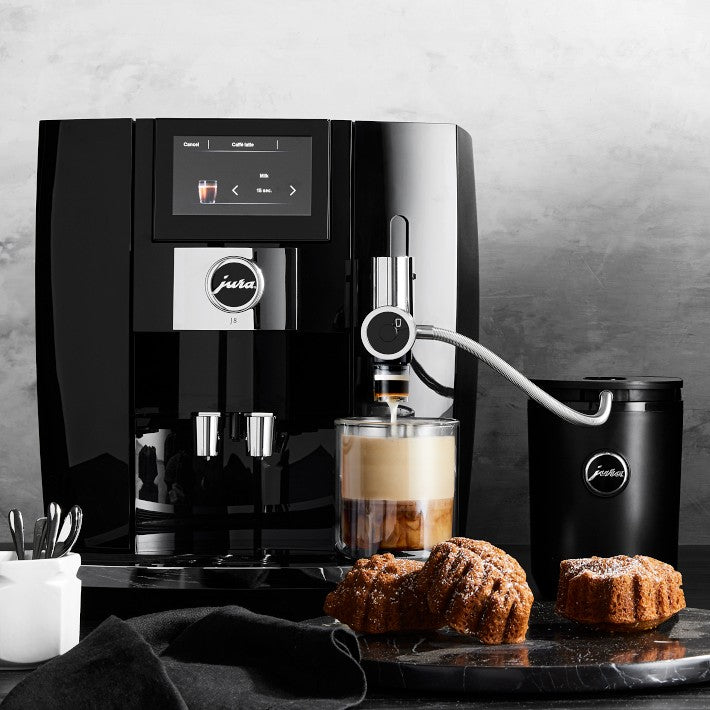
Fine Foam Frother: Jura’s specialty is microfoam with creamy structure and tiny bubbles. Use the Jura Professional fine foam frother G2 for next-level density.

Jura Professional fine foam frother G2 - Temperature: Set your milk to steam between 60–65°C (140–149°F). This range locks in sweetness and maximizes foam insulation.
-
Accessories: Clean milk lines with Jura Milk System Cleaner for consistent results. Hydration, hygiene, and proper milk delivery are key in cold weather.

Jura Milk System Cleaner - Foam Volume: For a 12oz latte, use about 120ml milk. The result: a vibrant, stable foam that keeps its shape right to the last sip.
Miele: Milk Perfection—Consistency Meets Convenience
-
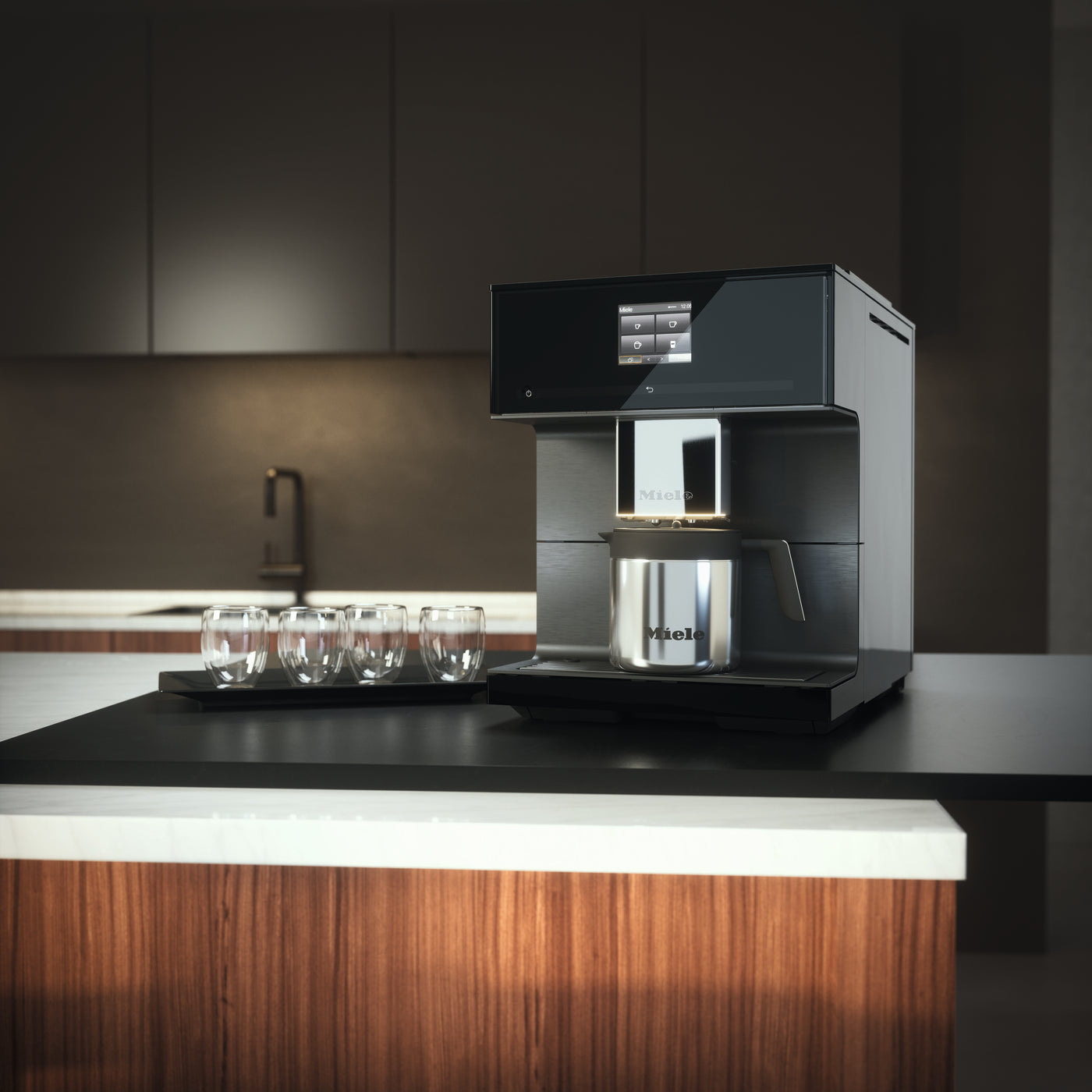
Super Automatic Magic: With models like the Miele CM6360 Milk Perfection, choose foam density on a graded scale and let the tech do the heavy lifting.

Miele CM6360 Milk Perfection Super Automatic Coffee Machine - Steel Metallic - Customizable Settings: Set foam density between medium and high for winter lattes. Aim for 60–65°C on the display for sweet, rich milk without scorching.
- Maintenance: Run automated cleaning cycles often, especially if using milk more frequently in cold months.
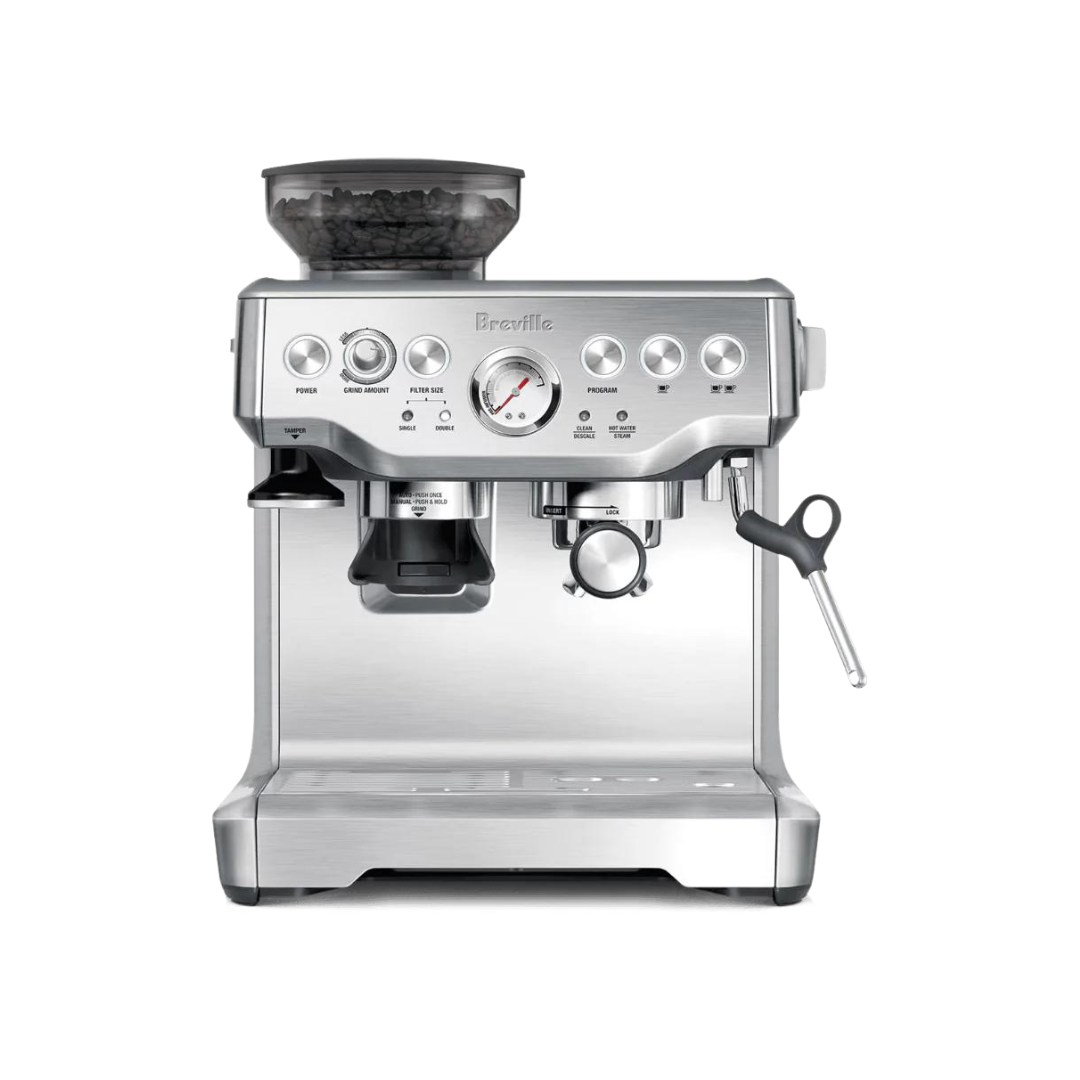
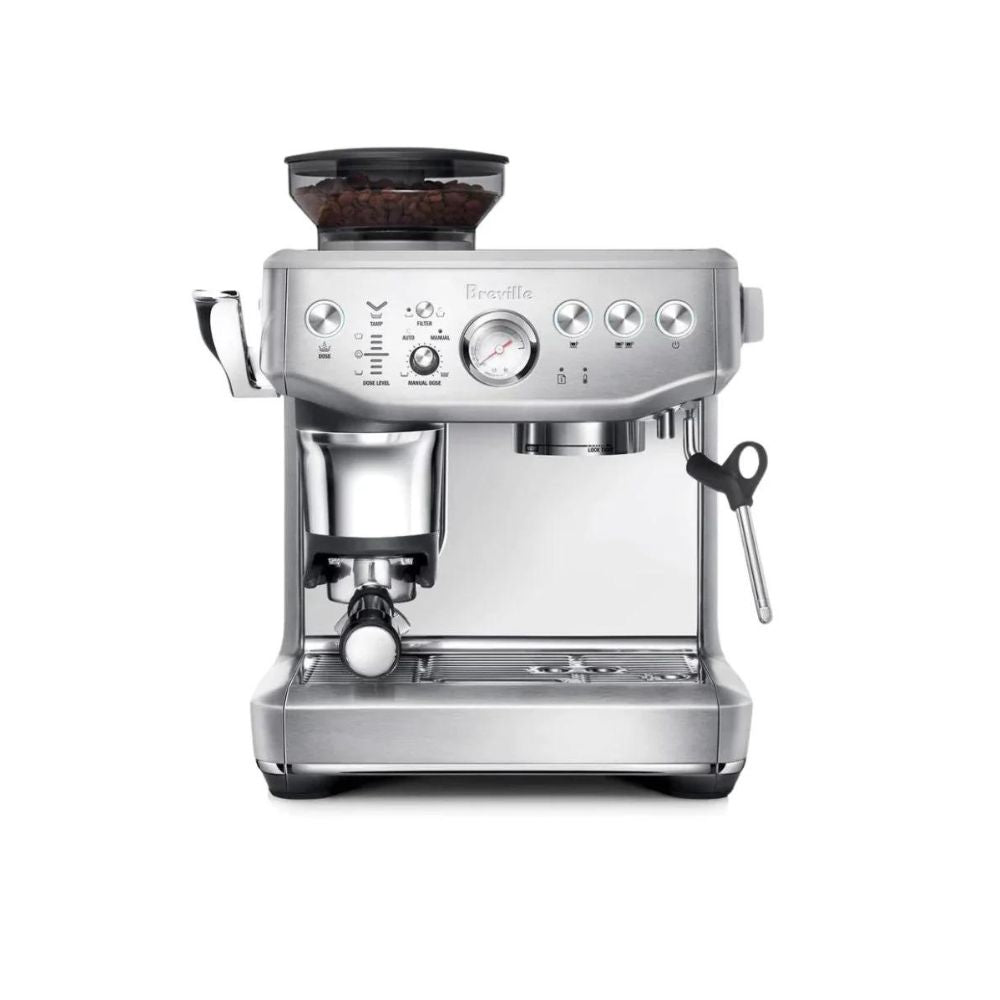
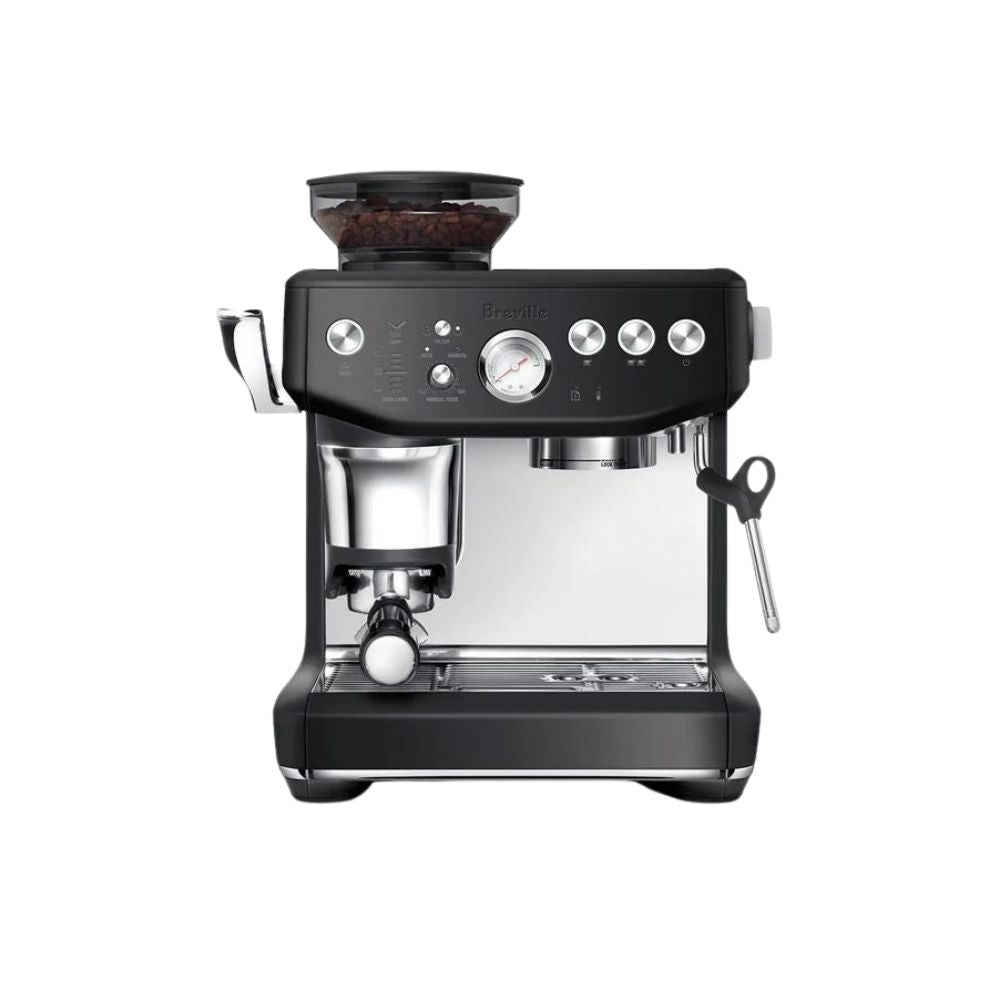
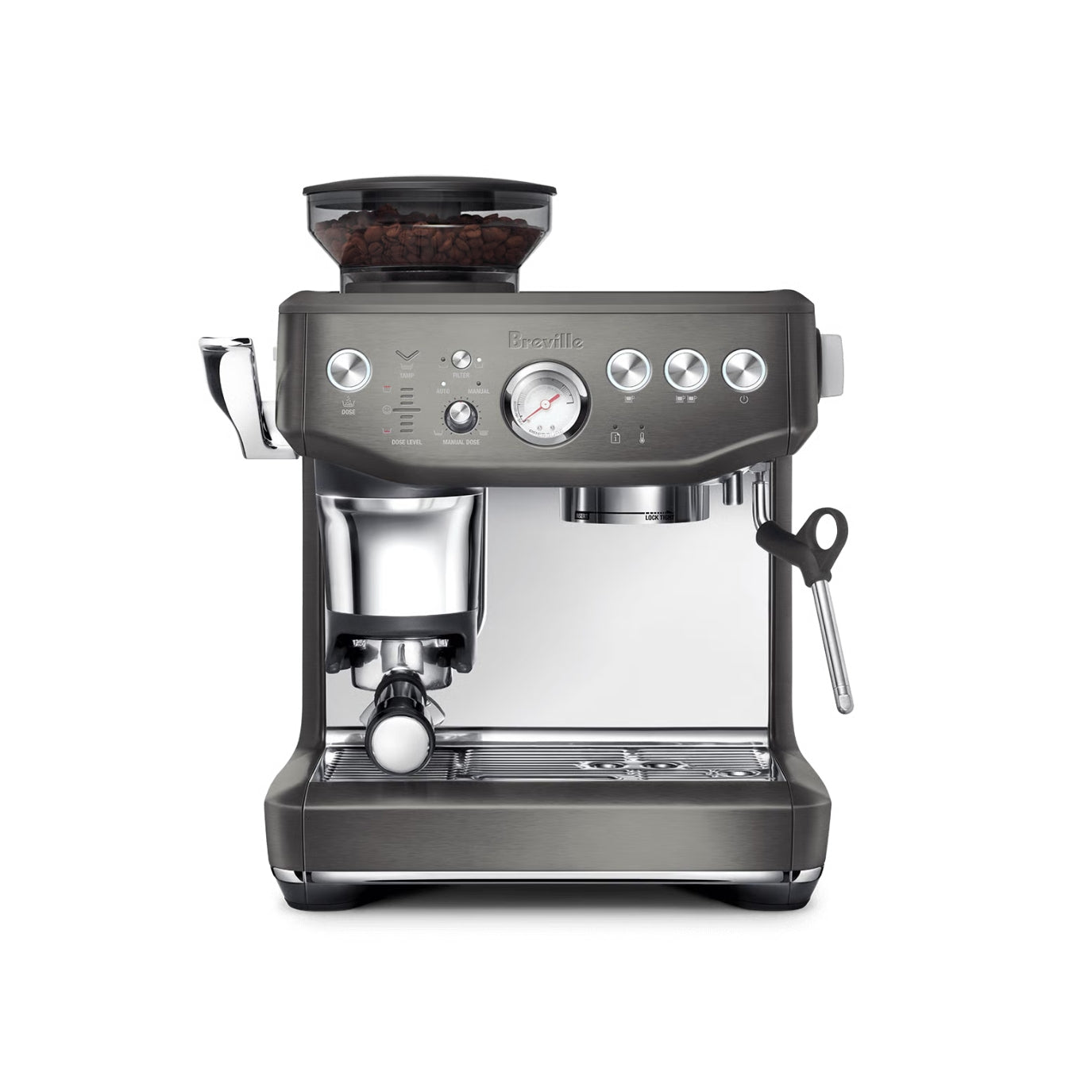
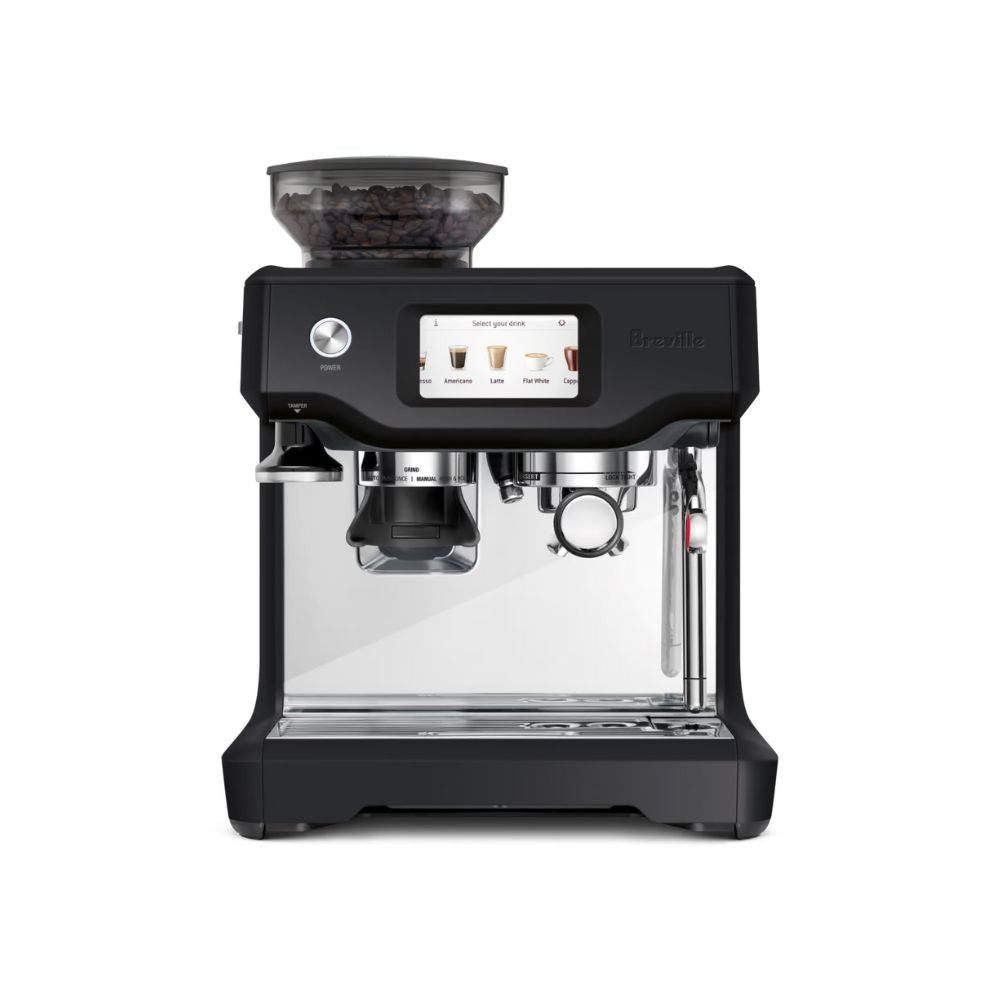
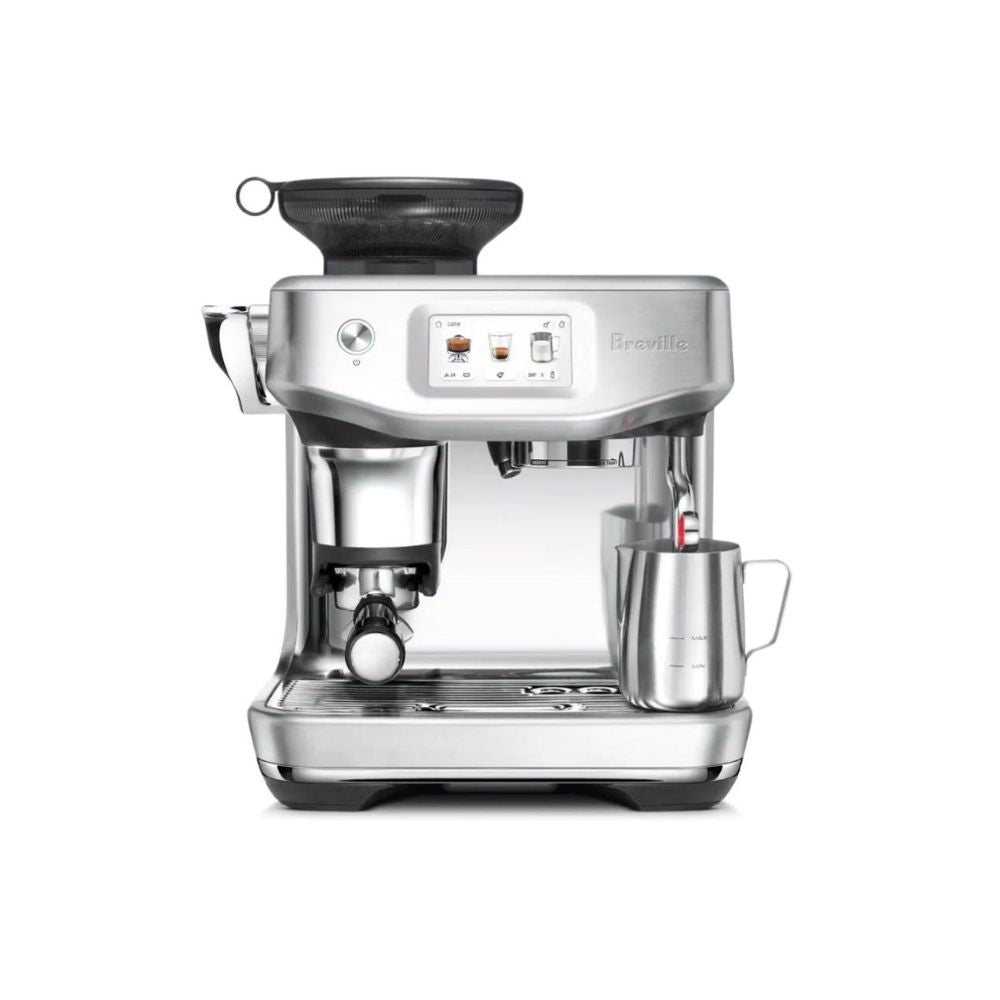
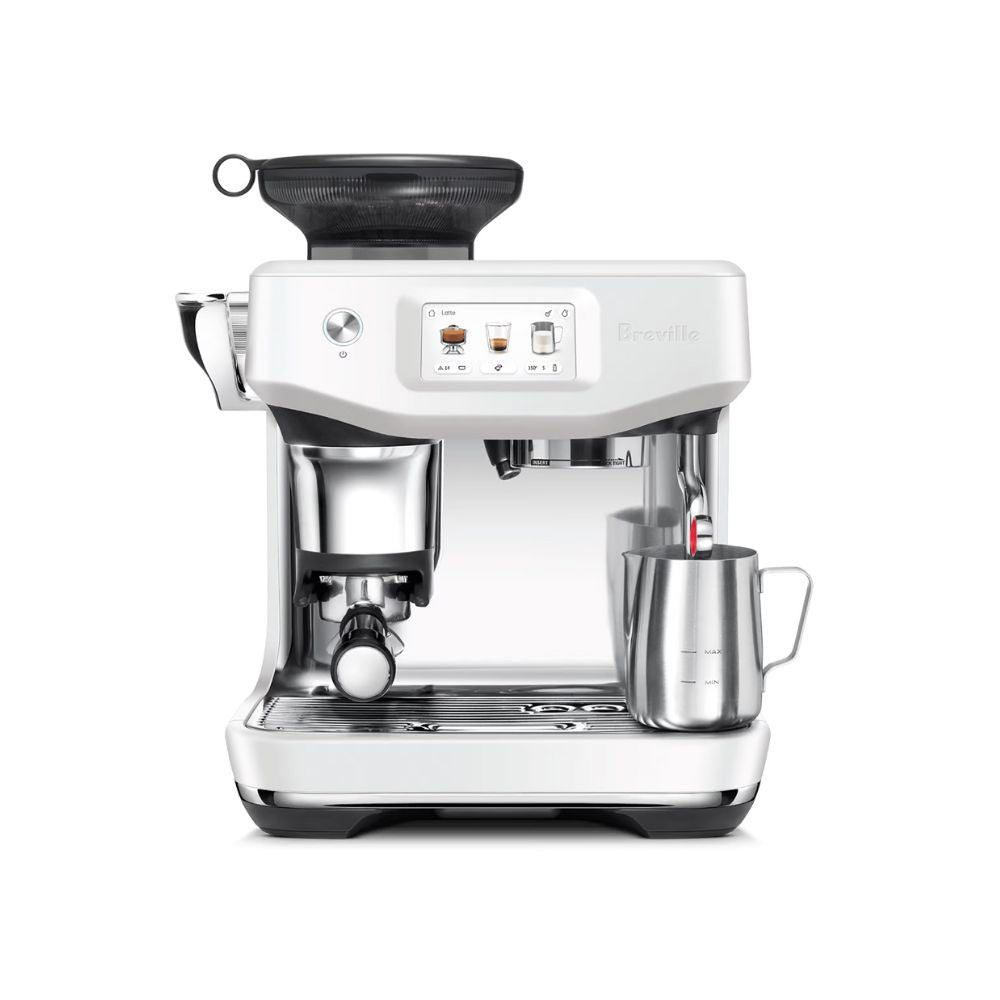
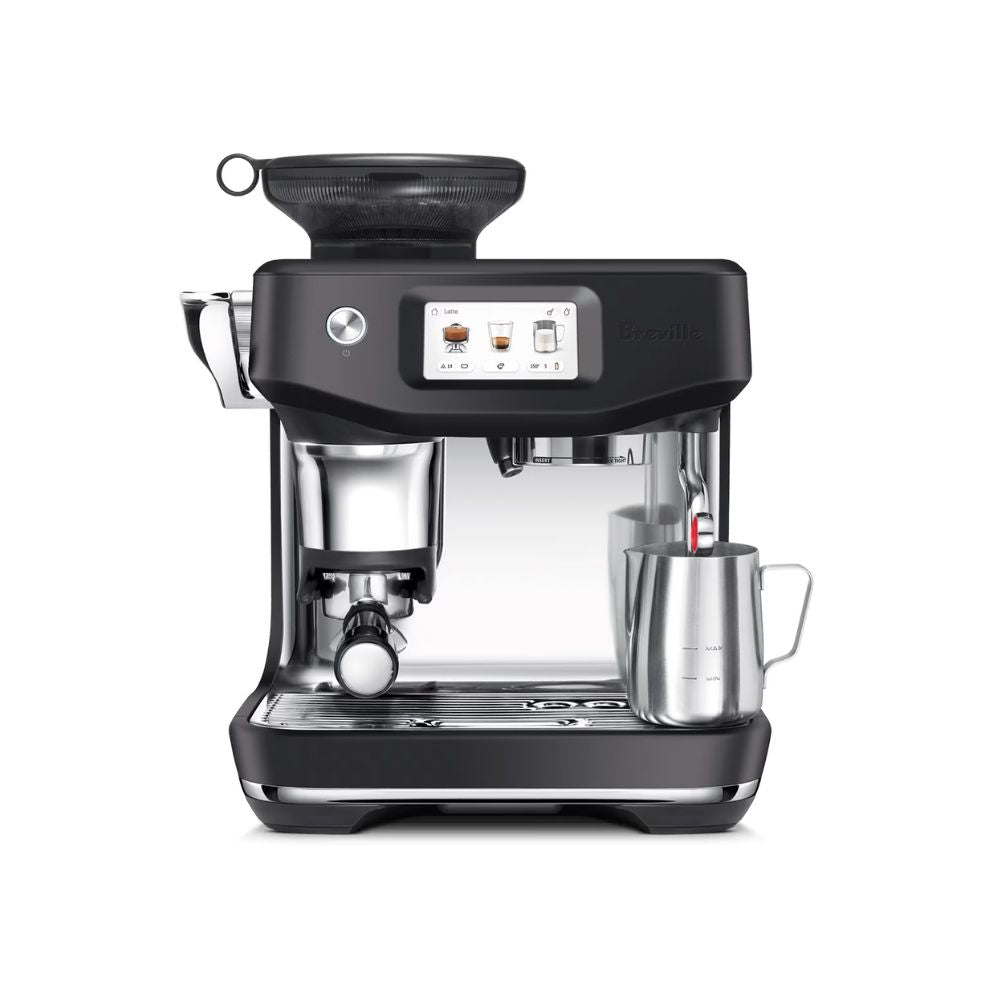
Breville: Precision for the Hands-On Barista
-
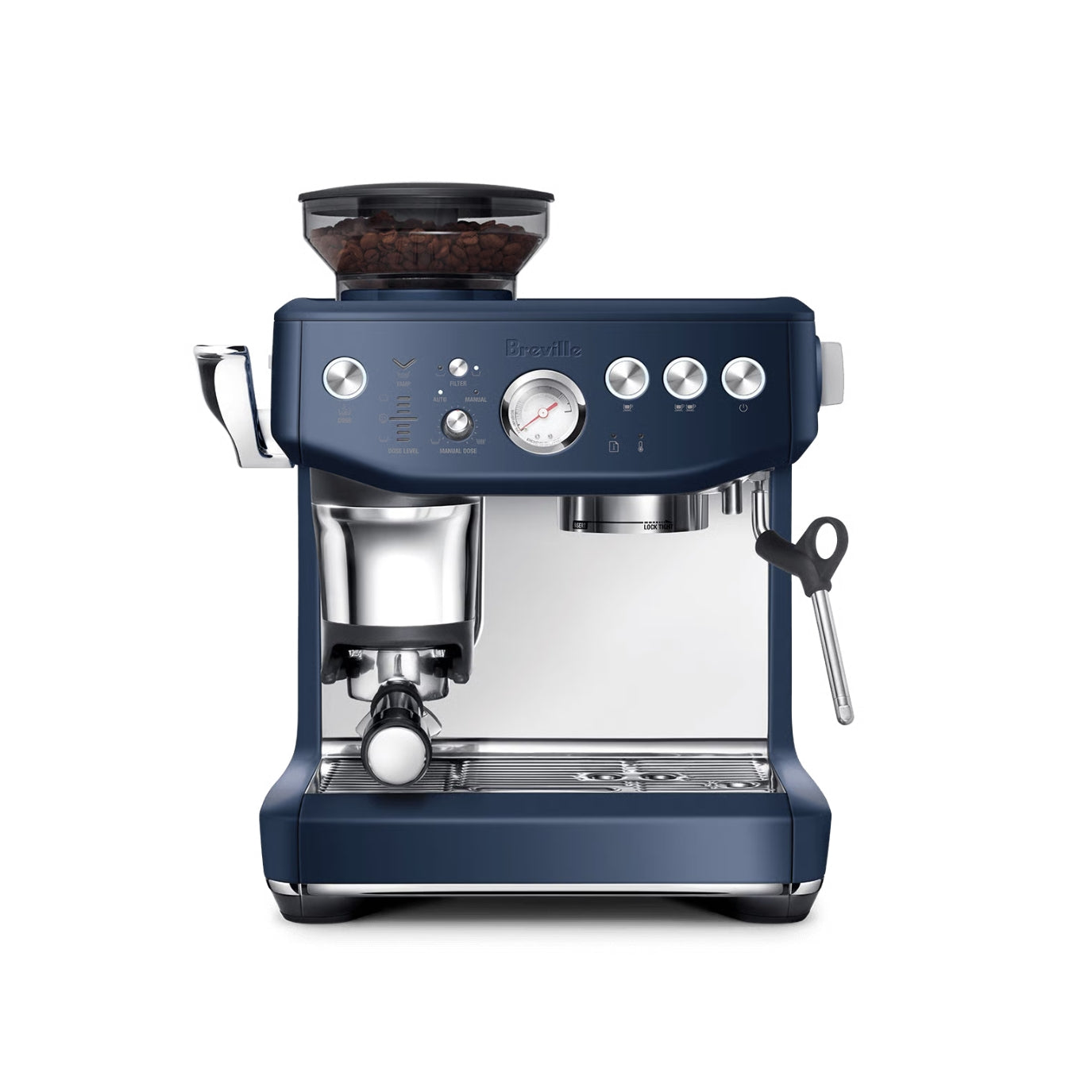
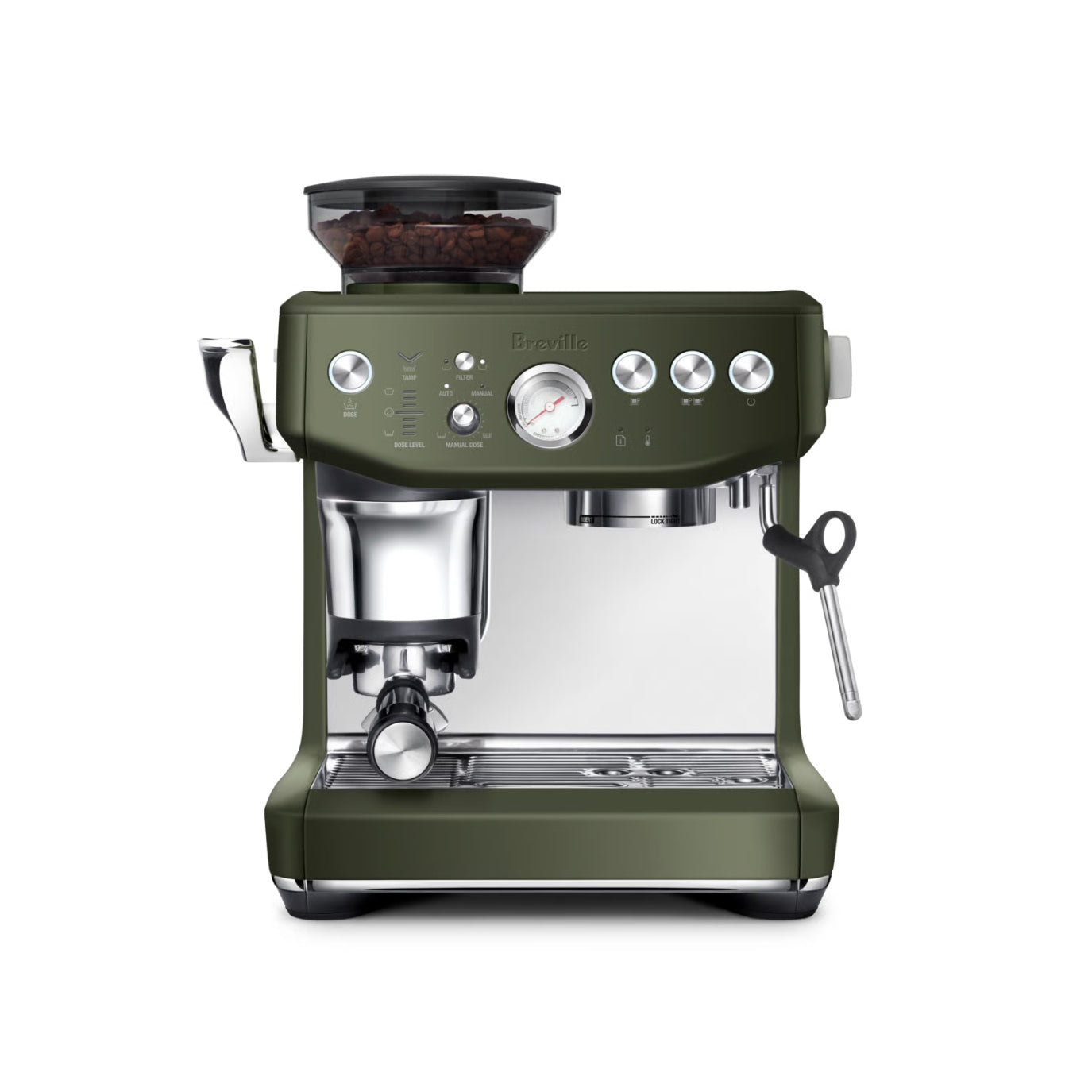
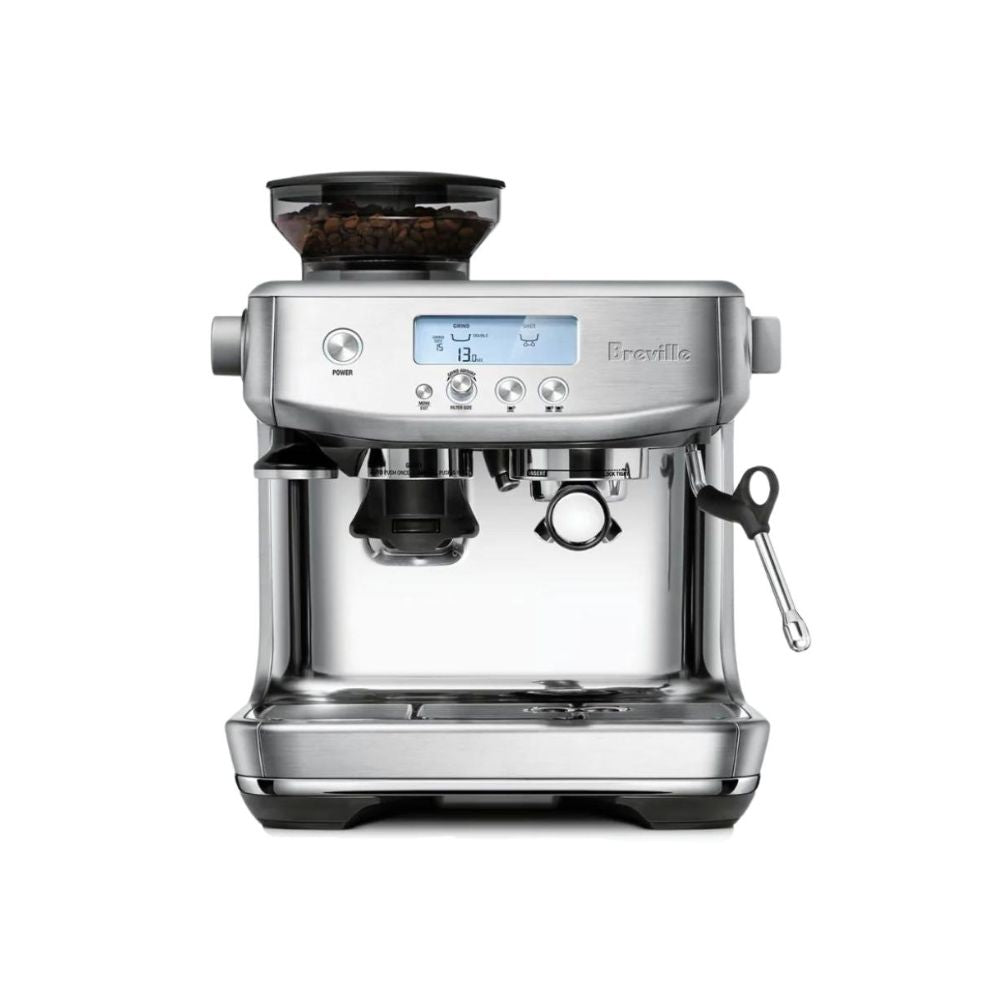
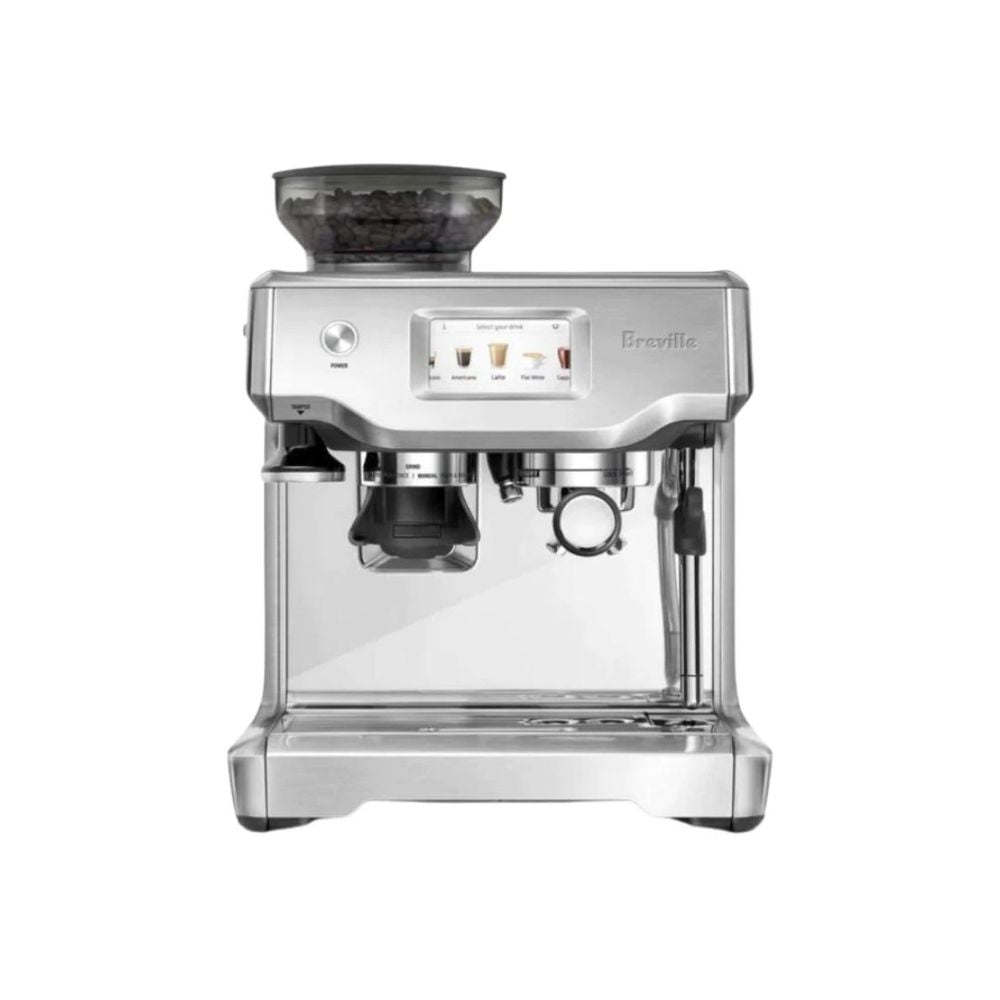
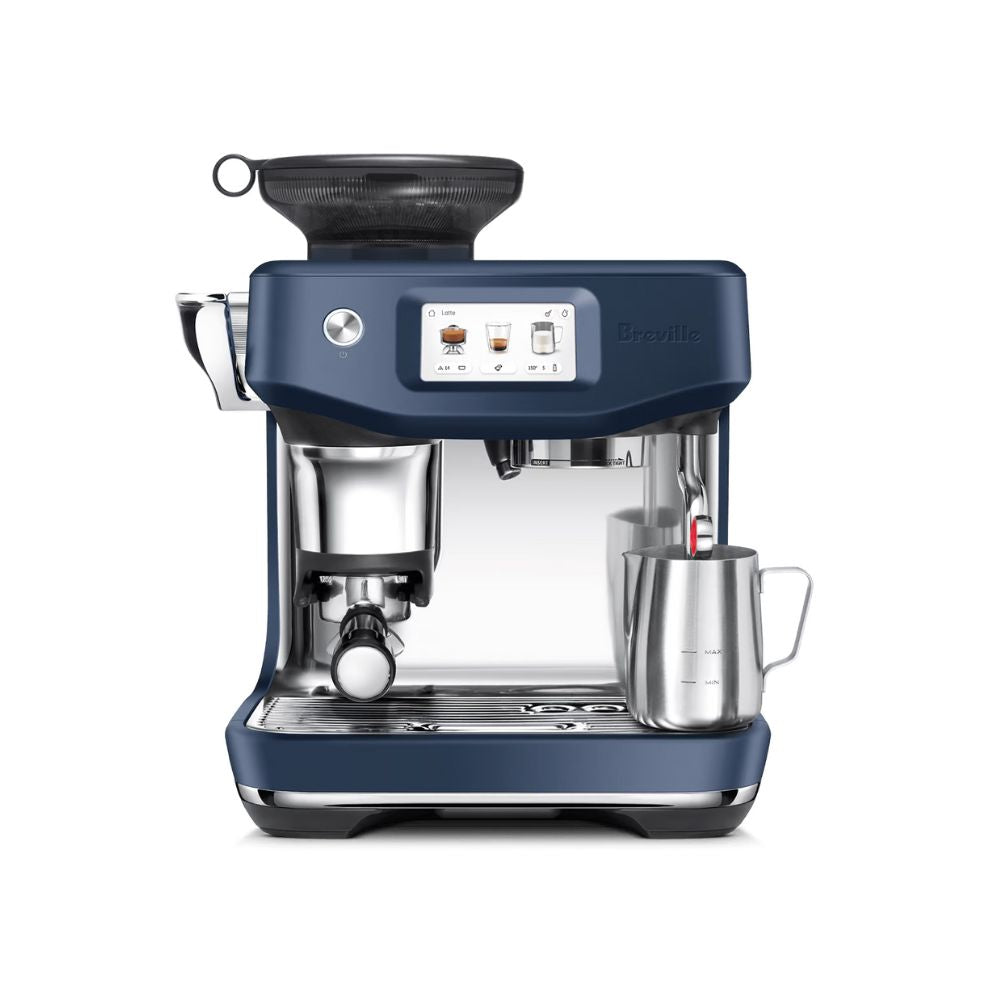
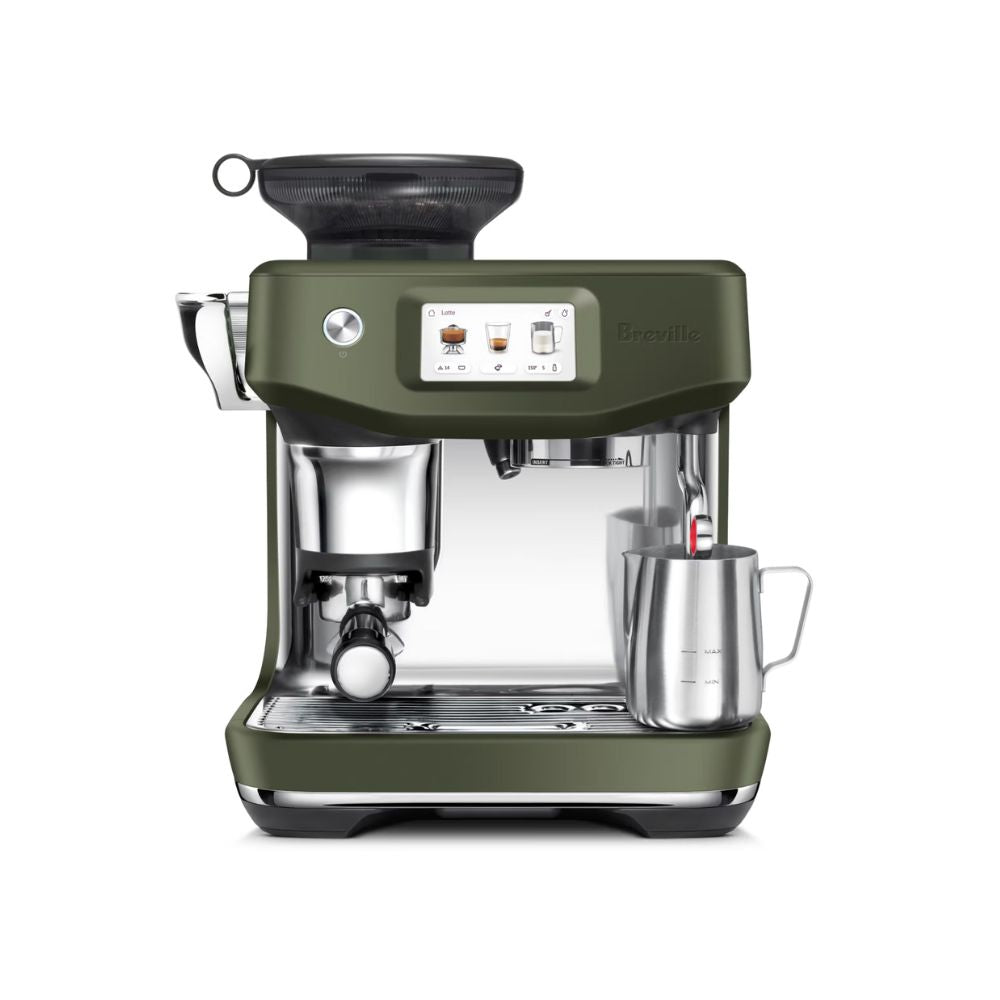
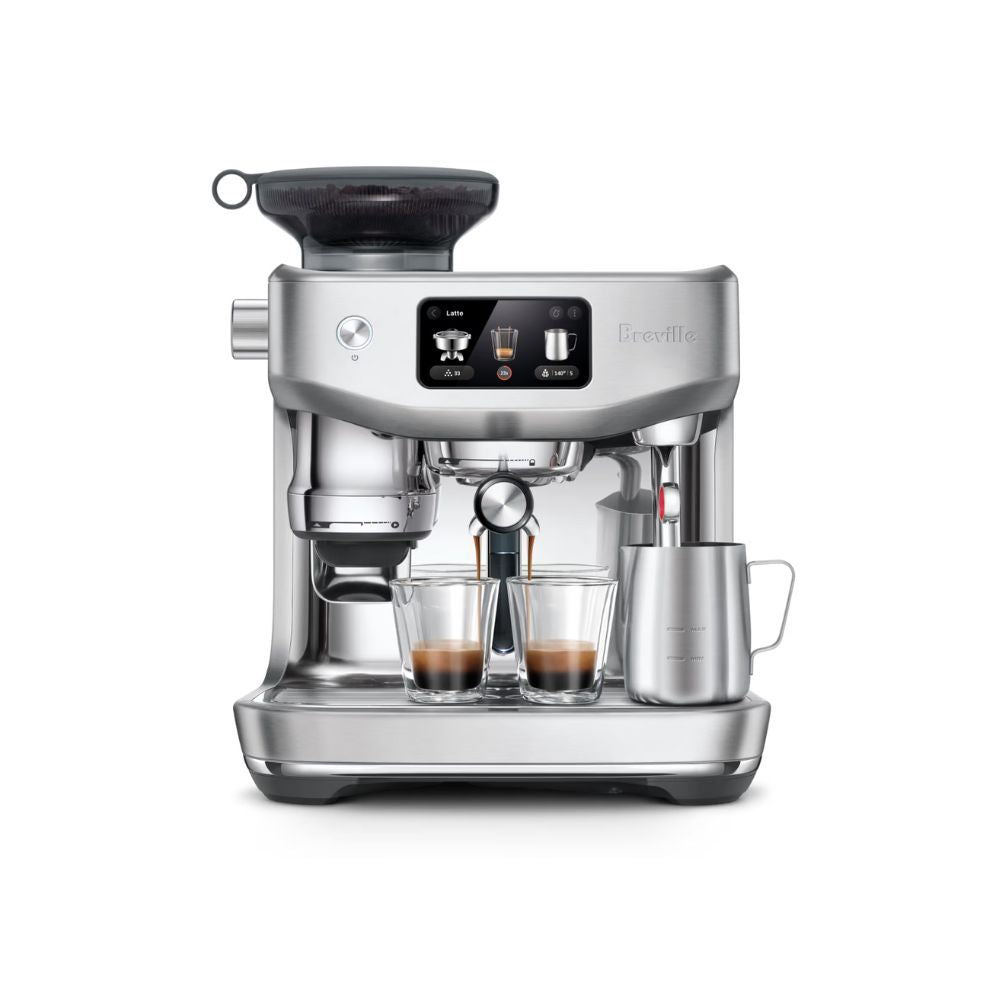
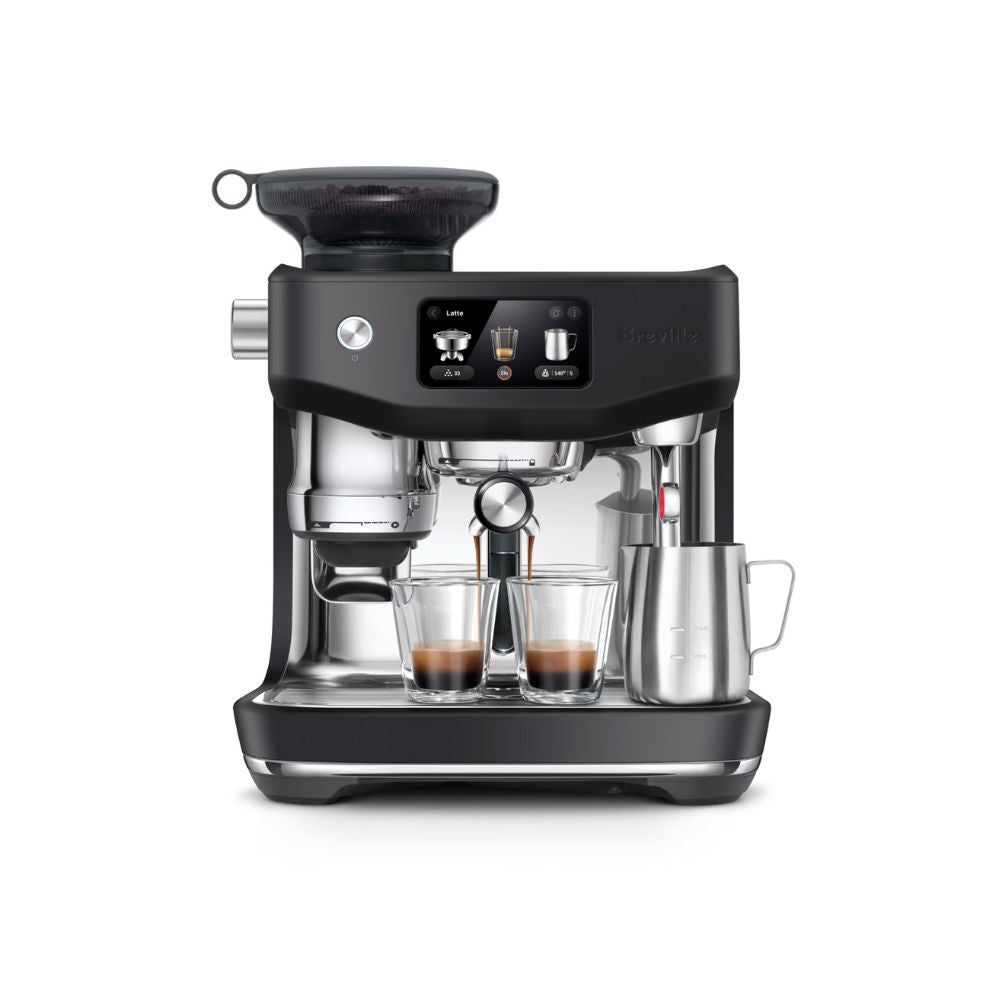
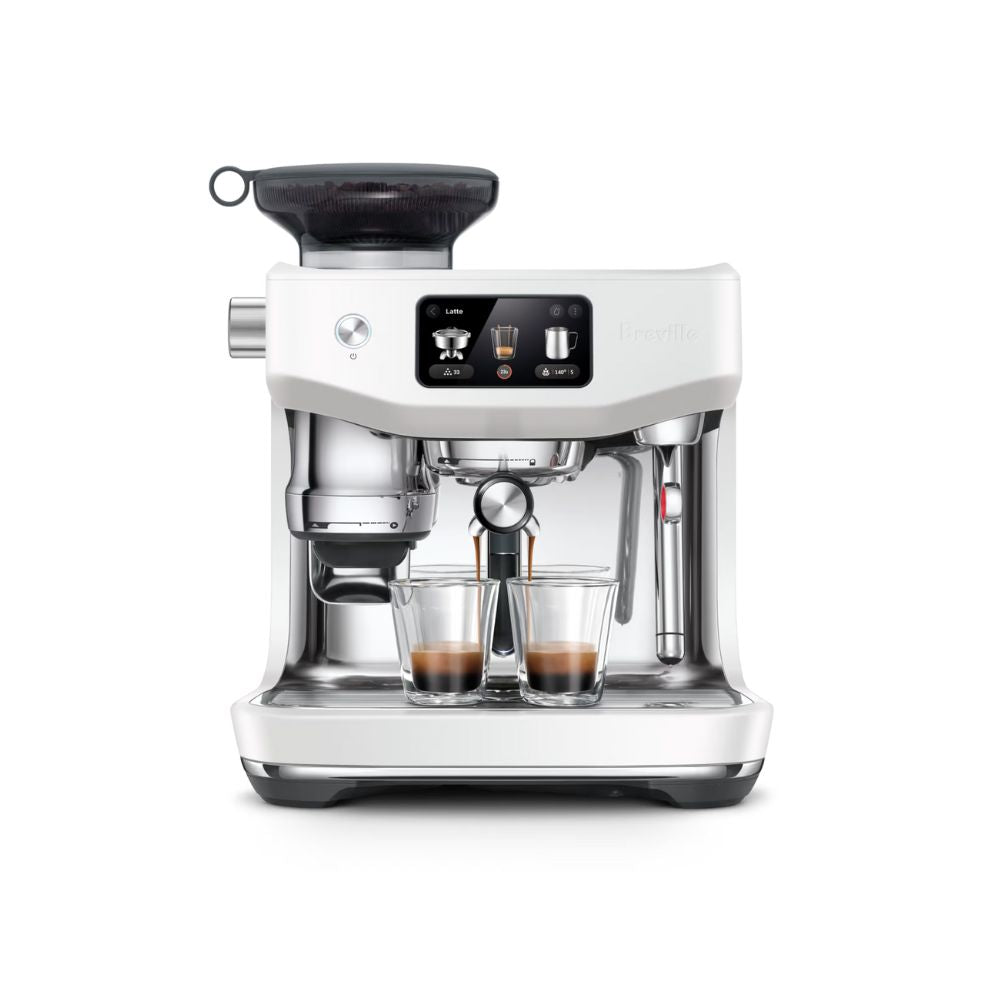
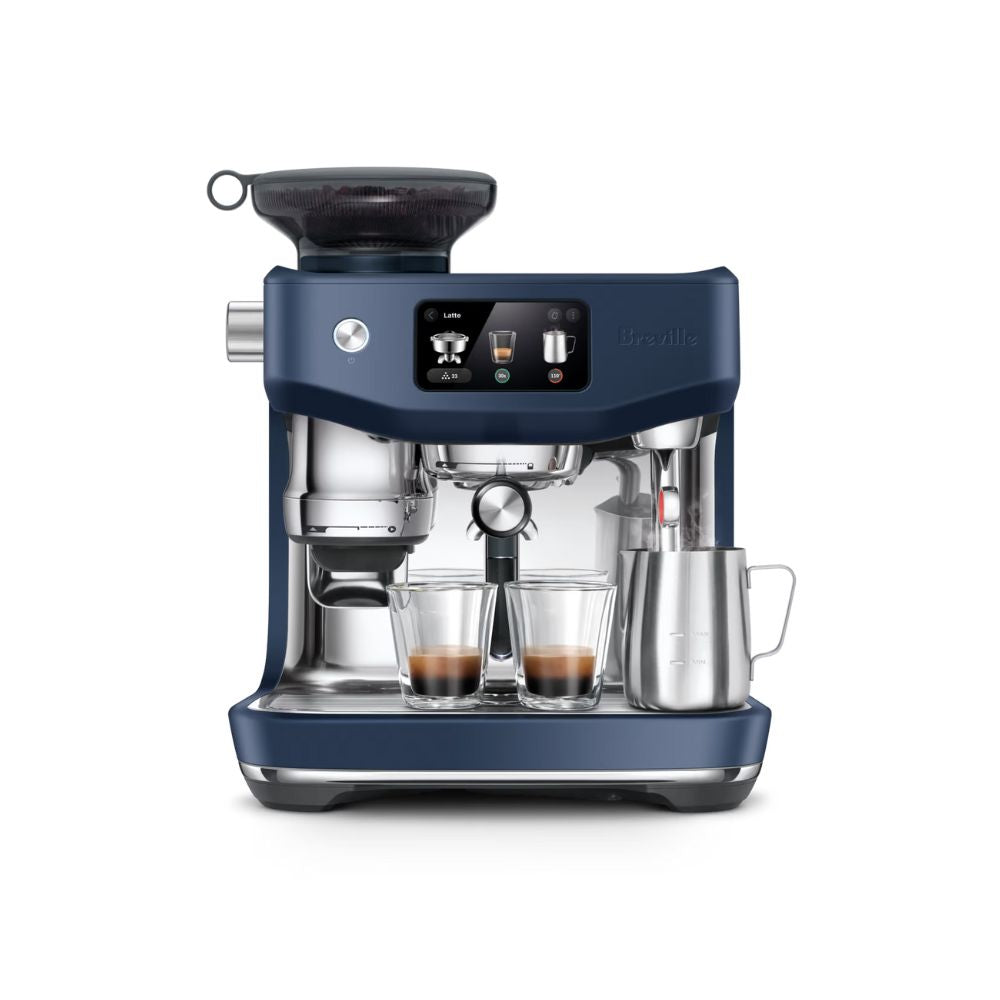
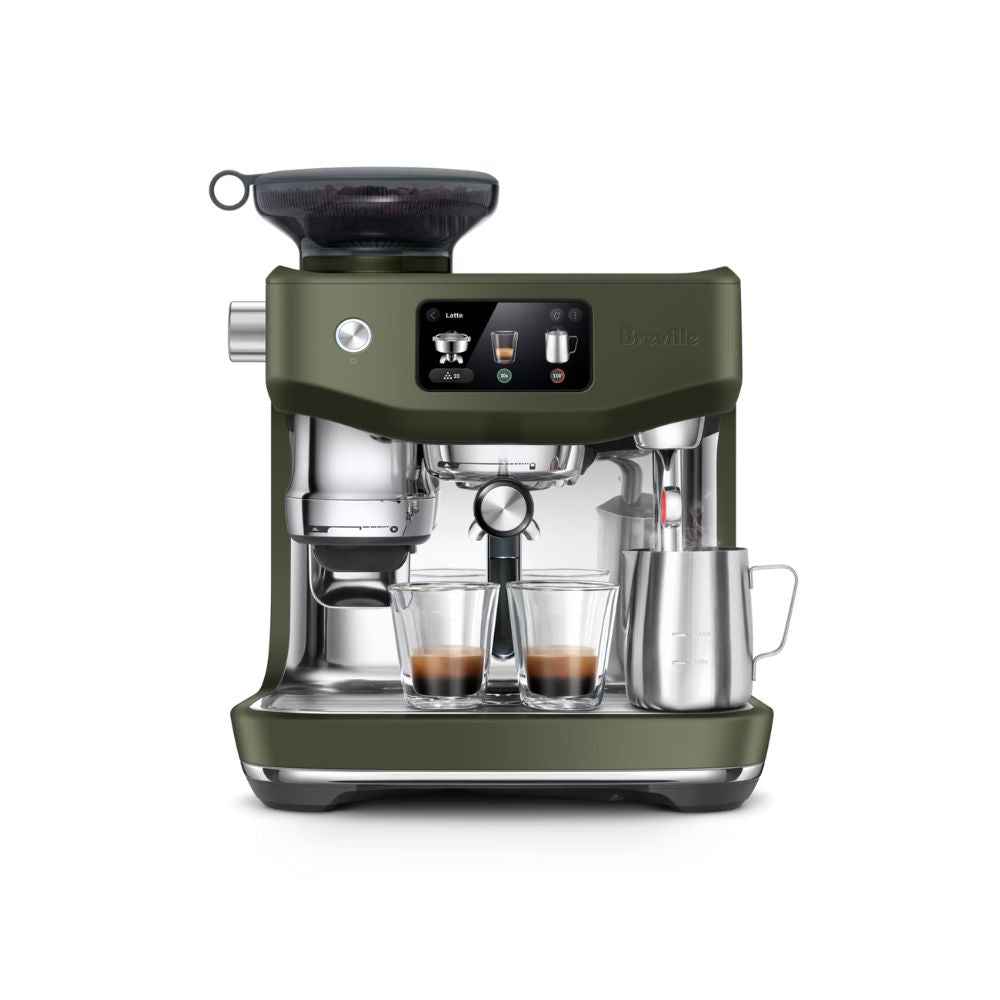
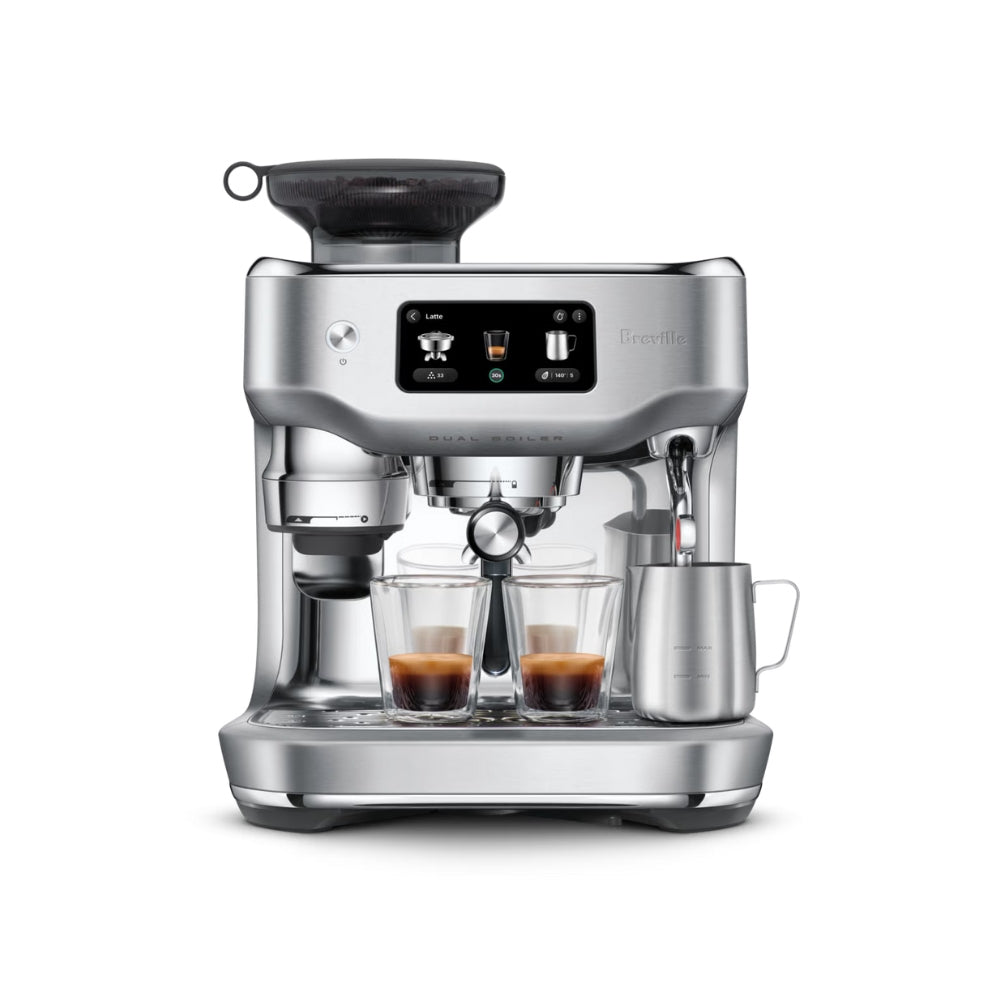
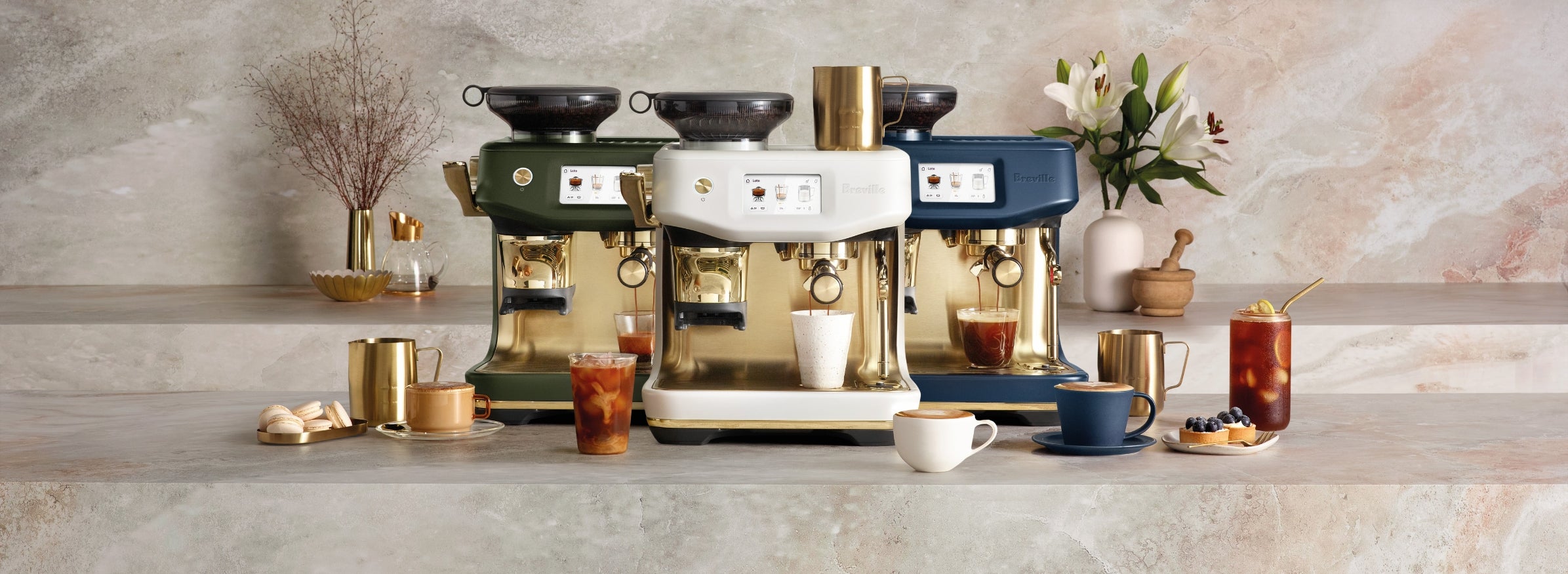
Manual Steam Wand: The Breville series demands a barista’s attention. For controlled results, use the Breville Temp Control Milk Jug to monitor temperature step by step.

Breville Temp Control Milk Jug - Pitcher Technique: Hold at a 45° angle, stretch foam gently, and aim for 60°C for best balance of body and sweetness.
- Refresh the Wand: Always purge your steam wand before and after frothing—especially important in dry winter air to prevent dried milk in the tip.
Step-by-Step Guide: Achieving Dreamy Winter Lattes
- Prep the Milk: Pour 150–180ml chilled milk into your jug or automatic container. Don’t skip pre-chilling: it increases foam capacity noticeably.
- Brew the Espresso: Extract a double shot (typically 25–30 seconds). Use freshly ground beans for optimal crema; if you want tips, see our detailed grinder guide.
- Froth Like a Pro: Follow your machine’s instructions—monitor temperature closely and listen for the subtle change in pitch that signals the milk is ready. For Breville, ensure a silky whirlpool; for Jura and Miele, rely on settings.
- Perfect the Pour: Angle your cup and start the stream slowly, blending foam and liquid. Swirl the pitcher for a glossy finish, and try a 10cm "ribbon pour" for classic café art.
- Clean and Maintain: Winter can cause milk residue to build up faster—use specialized cleaners or descaling tablets as recommended for your brand after every few uses.
The Role of Accessories: Small Upgrades, Big Impact
- Frothers & Jugs: Accessories like the Jura Professional fine foam frother G2 and Breville Temp Control Milk Jug can fine-tune your technique, letting you dial in ideal temperatures and foam consistency visually.
- Milk System Cleaners: Products such as the Jura Milk System Cleaner ensure that no old milk or residue lingers, which is even more crucial during winter when buildup is common.
Keeping Your Foam Fluffy: Winter Maintenance Musts
- Milk System Hygiene: Clean all milk lines, containers, and spouts according to your manufacturer’s instructions. For Jura owners, replace milk spouts (like the HP3 set) every few months for fresher foam and flavor.
- Machine Settings: Make a habit of monitoring temperature and steam output in cold weather, as even a few degrees make a difference to texture.
- Proper Storage: Store your milk (plant-based or dairy) at the rear of your fridge, not in the door, to keep it consistently cold until needed.
FAQ: Fine-Tuning Lattes by Machine and Milk Type
- Best combo for stubborn winter foam? Whole milk or barista oat milk in a pre-chilled jug, steamed to 62°C, yields thick, sweet microfoam every time on Jura, Miele, or Breville.
- What if my machine’s foam is flat? Clean the milk system thoroughly and swap out your milk for a fresher carton. If you use plant milks, try different brands—formulation affects performance.
- Should I use specialty accessories? For busy households or frequent milk drinks, investing in purpose-built jugs and frothers is worthwhile. Professional accessories let you consistently control and replicate quality results.
Taking Your Coffee Bar Further: Related Reading
If you’re on a journey to elevate every aspect of your home café—whether it’s machine maintenance or accessory upgrades—explore more with our guides:
- Comparing Jura Super Automatics for Canadian Homes
- Which Breville Model Fits Your Barista Style?
- Build a Complete Coffee Bar: Essential Accessories
- Jura Cleaning and Maintenance Guide
- How to Keep Milk Fresher Longer in Your Espresso Machine
Final Thoughts: Make Every Latte Shine
Winter is the perfect excuse to refine your milk and foam game. With the right milk, the best settings for your Jura, Miele, or Breville espresso machine, and a touch of care, you can savour smoother, richer lattes all season long. We at Coffee Warehouse are here year-round—offering not just equipment and accessories, but answers and expertise based on years of hands-on experience.
If you’d like to discuss your winter setup, or you need guidance choosing milk accessories or fine-tuning your foam, get in touch, explore our Canadian showrooms, or visit Coffee Warehouse for ongoing tips—and for all the premium gear to ensure your winter lattes are always café quality at home.
Shop Appliances