

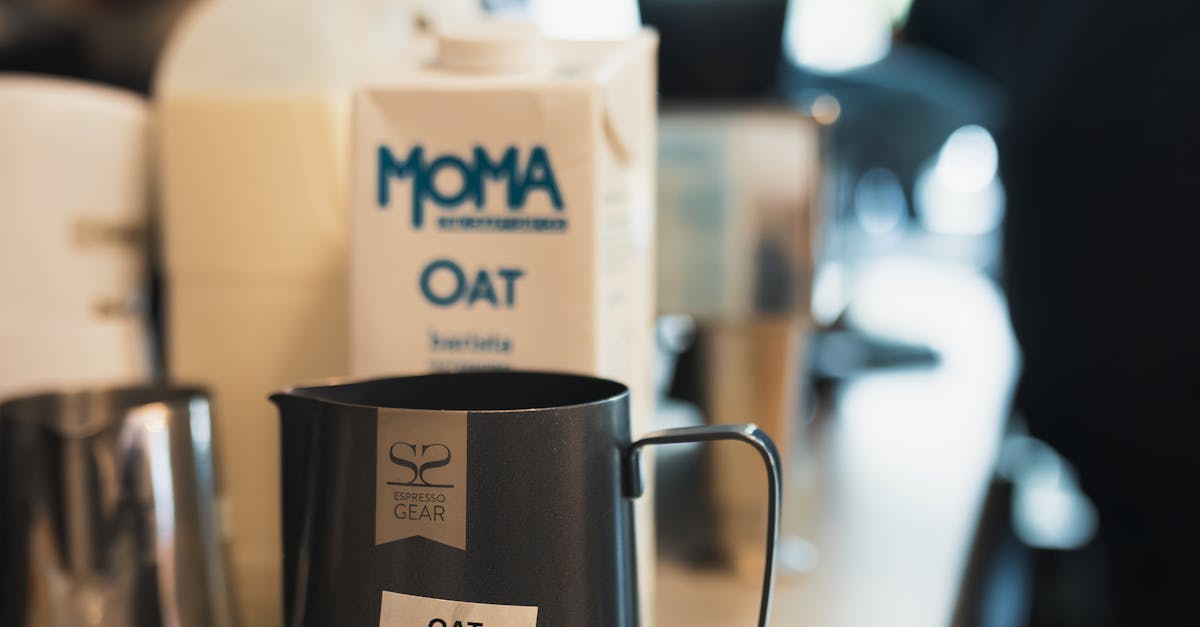
Best Espresso Machines for Oat Milk, Almond Milk, and Dairy-Free Lattes at Home
Making creamy, café-quality lattes at home without dairy is simple with the right espresso machine. The texture, microfoam, and taste of alternative milks—like oat milk and almond milk—are highly dependent on the steaming and frothing process. Not every espresso machine treats plant-based milks equally: achieving that smooth, rich foam requires specific features such as accurate temperature control, customizable frothing options, and systems that avoid burning or splitting non-dairy milks.
At Coffee Warehouse, we understand how crucial these capabilities are for anyone seeking to perfect oat milk, almond milk, or other dairy-free lattes at home. Our expertise in espresso technology, comprehensive machine selection, and focus on real-world latte performance make us the trusted source for Canadians choosing to upgrade. Below, we outline the essential considerations, product choices, maintenance practices, and expert tips we recommend for achieving the very best results with alternative milks and espresso at home.
What Makes an Espresso Machine Ideal for Oat Milk, Almond Milk, and Dairy-Free Lattes?
An espresso machine that excels with plant-based and dairy-free milks should have:
- Steam pressure and temperature control: Oat and almond milk froth at lower temperatures than dairy (around 140-150°F for oat, slightly higher for almond). Machines with PID temperature regulation prevent overheating and curdling.
- Adjustable frothing systems: Super-automatic machines with dedicated milk circuits, or commercial-style steam wands, help create silky microfoam without scalding fragile proteins in non-dairy milk.
- Easy-to-clean milk circuits: Plant-based milks leave sugars and starches that can clog systems or produce odours if not cleaned thoroughly. Removable milk containers or auto-clean routines are essential features.
- Consistent espresso brewing: Built-in grinders with multiple settings and stable extraction maintain rich espresso flavor that complements dairy-free milk sweetness.
Pod-based and budget machines tend to lack reliable milk frothing and are less suitable for oat or almond lattes. For the best at-home experience, aim for high-end semi-automatic or super-automatic espresso machines.
Expert Picks: Best Espresso Machines for Oat Milk, Almond Milk, and Dairy-Free Lattes
Based on hands-on testing, customer feedback, and our industry leadership, below are top recommendations available from Coffee Warehouse:
1. KitchenAid Super Automatic Espresso Machine KF8 – Effortless Dairy-Free Lattes

The KitchenAid KF8 is a standout for users who want barista-quality results with minimal effort. Its automatic milk system is optimized for both dairy and plant-based milks, offering multiple foam density settings—all controlled via a simple, intuitive interface. With integrated bean grinding, one-touch drink recipes, and a dishwasher-safe milk container, it simplifies oat milk and almond milk lattes substantially.
- 19-bar pump for espresso extraction
- Automatic milk circuit with removable carafe
- Café drink menu with oat milk and almond milk options
- LCD touchscreen control, customizable settings
- Available in Stainless Steel and Juniper finish
An excellent feature is direct compatibility with the KitchenAid Milk Container—perfect for homes with multiple milk preferences.

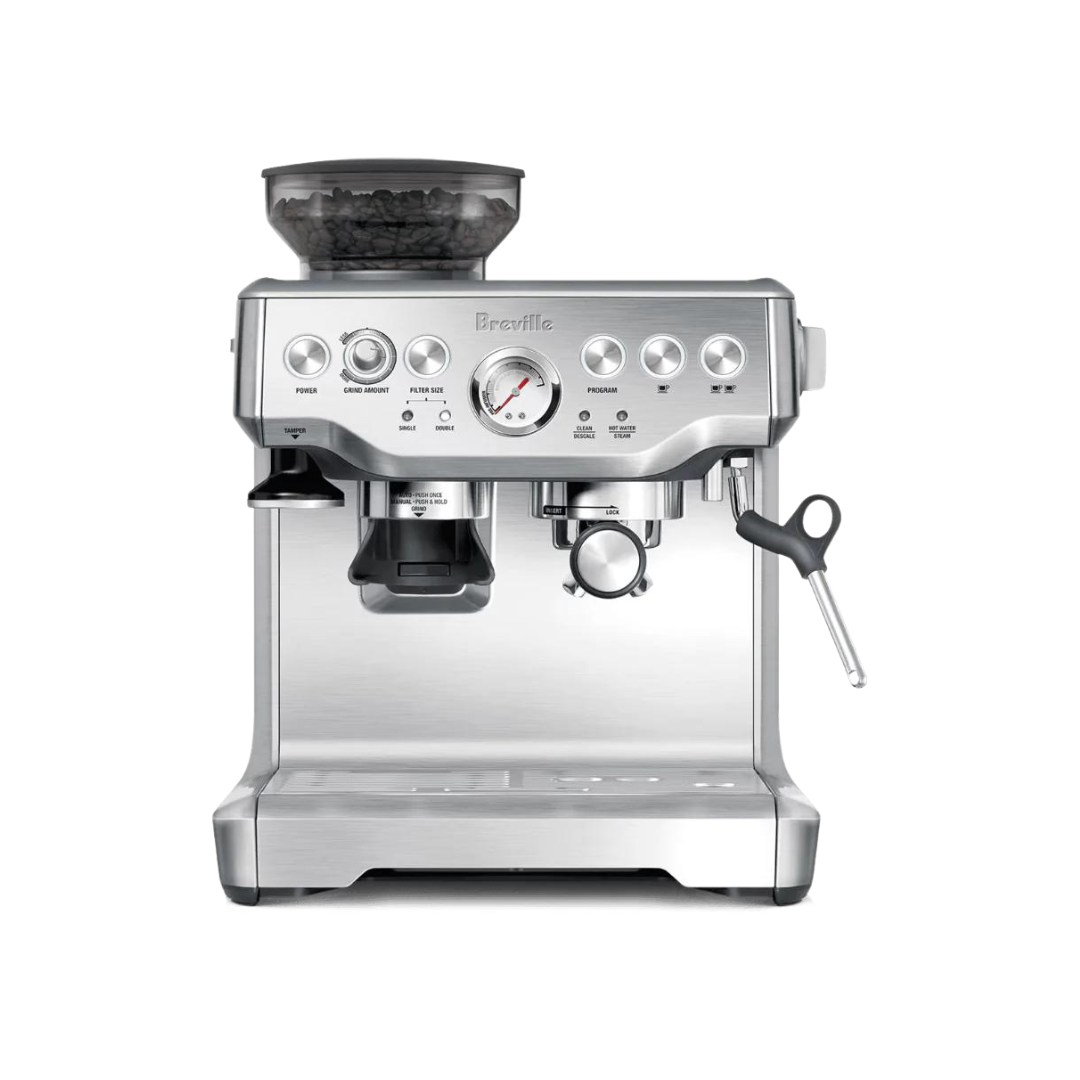
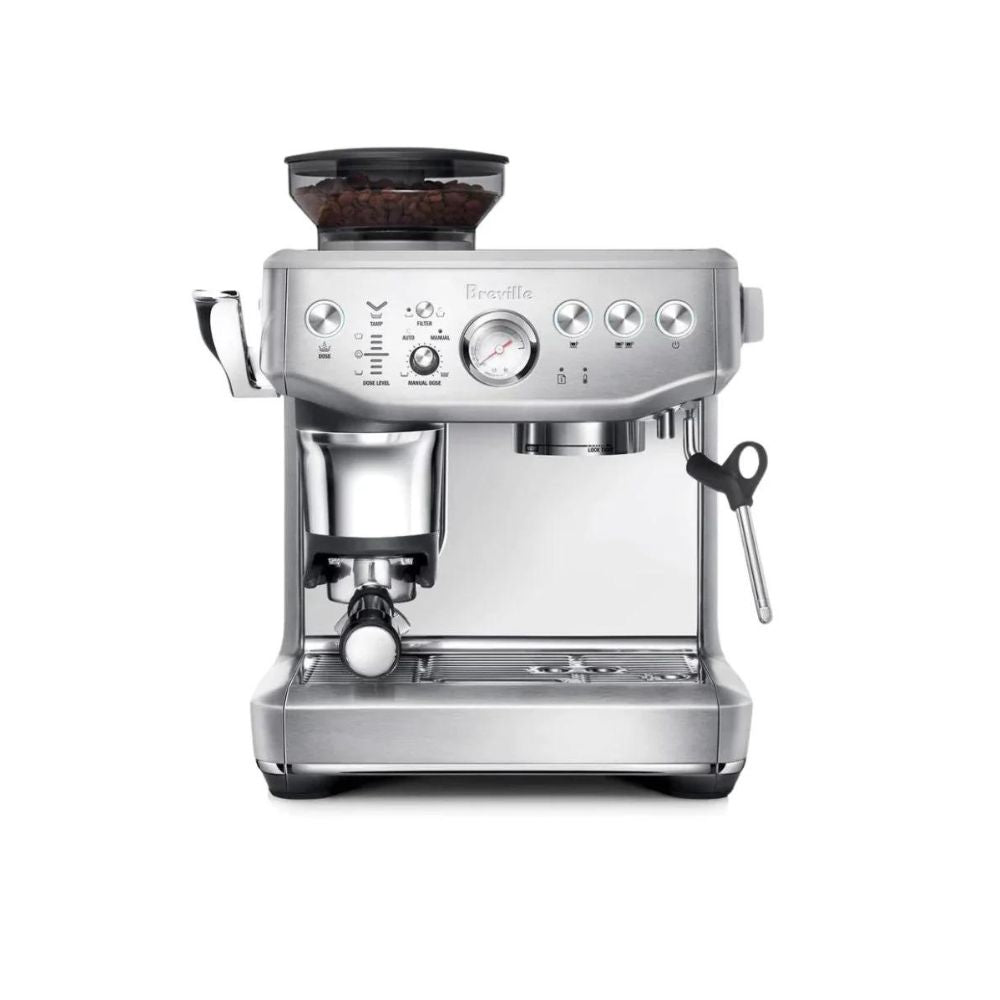
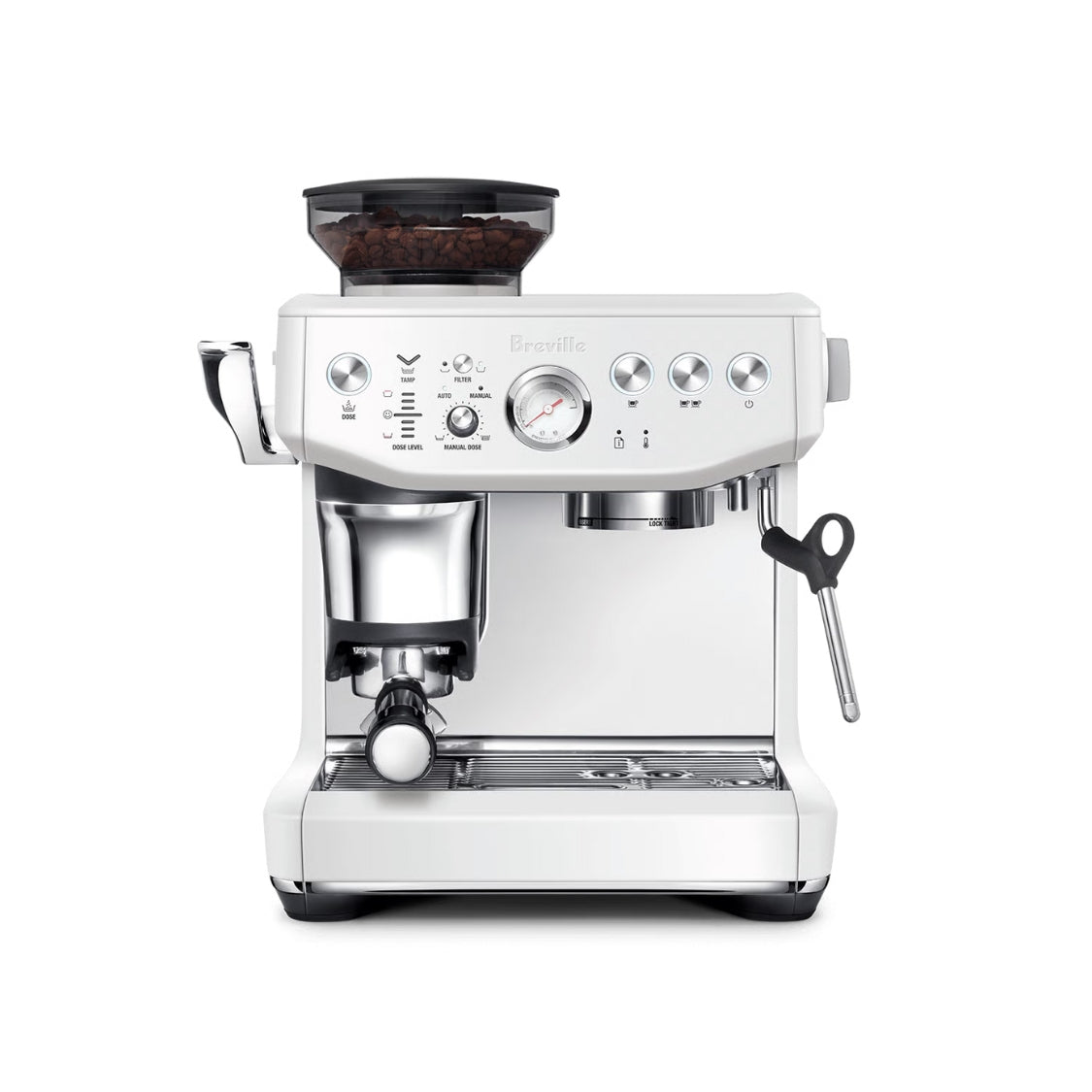
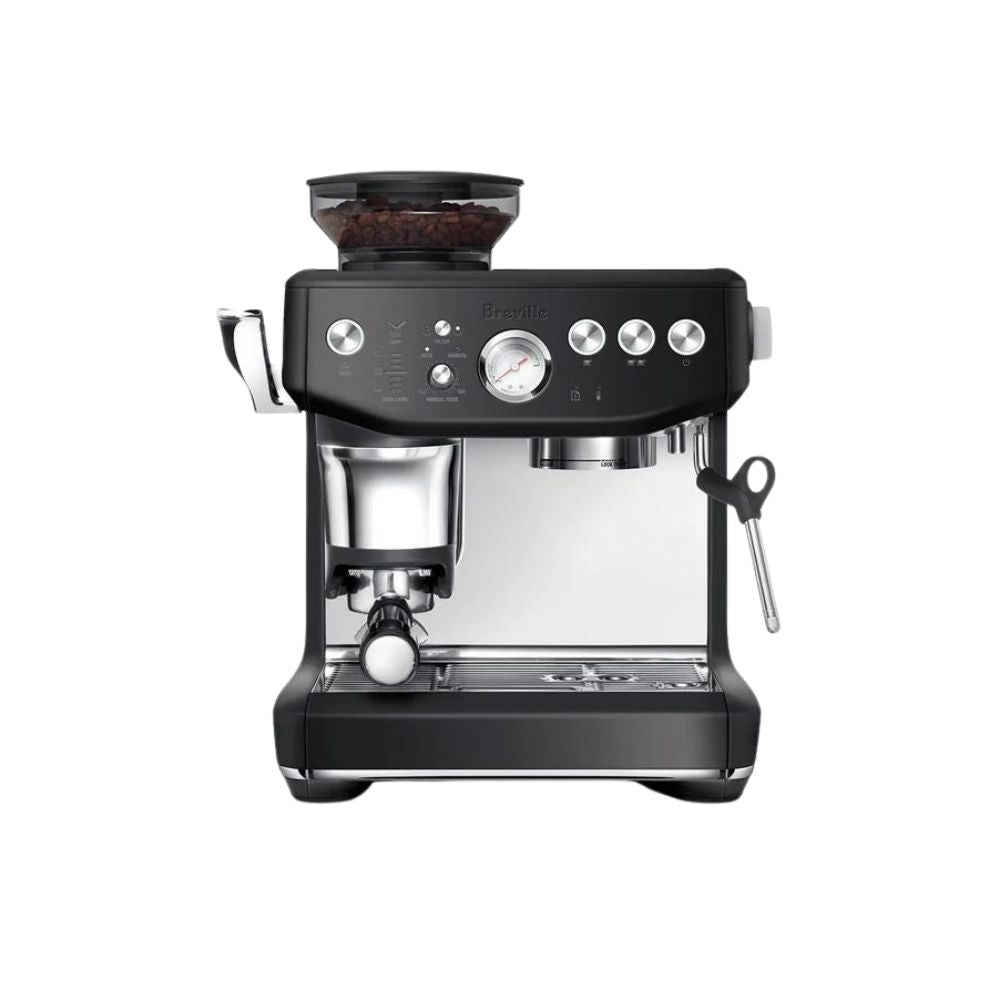
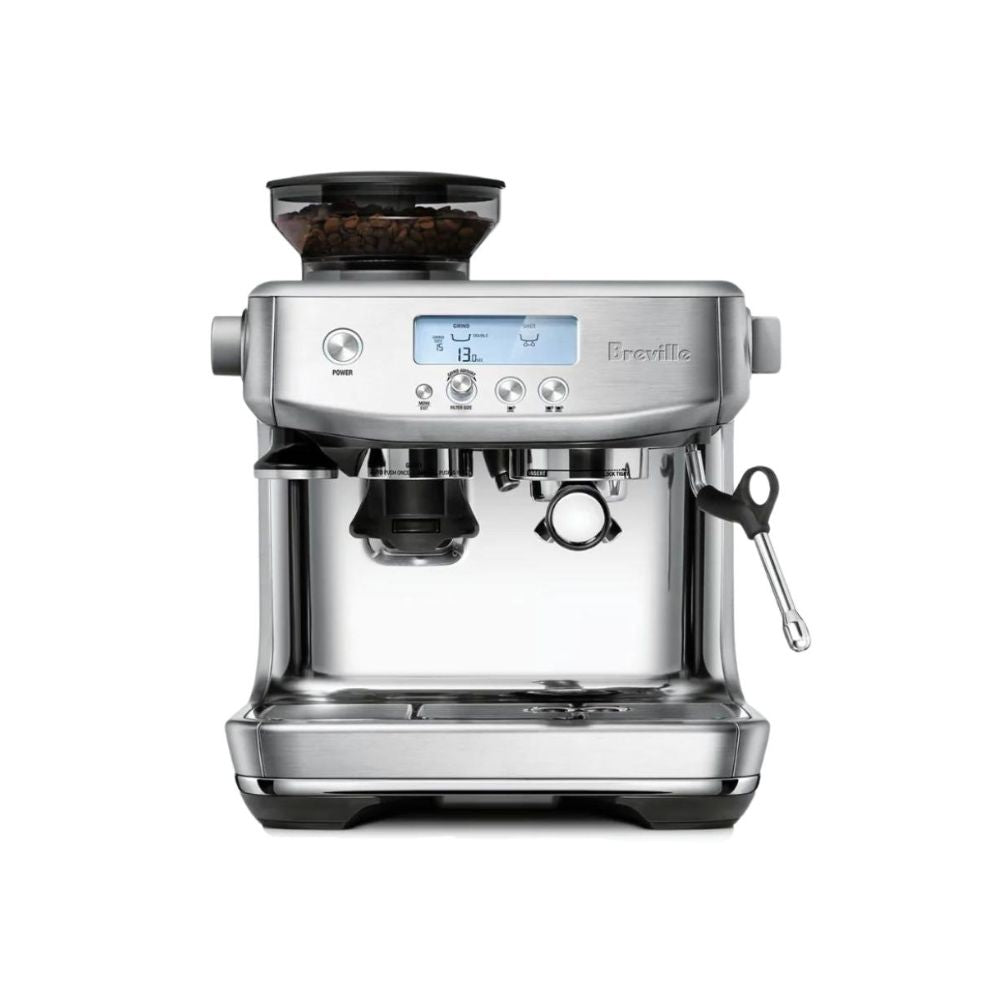
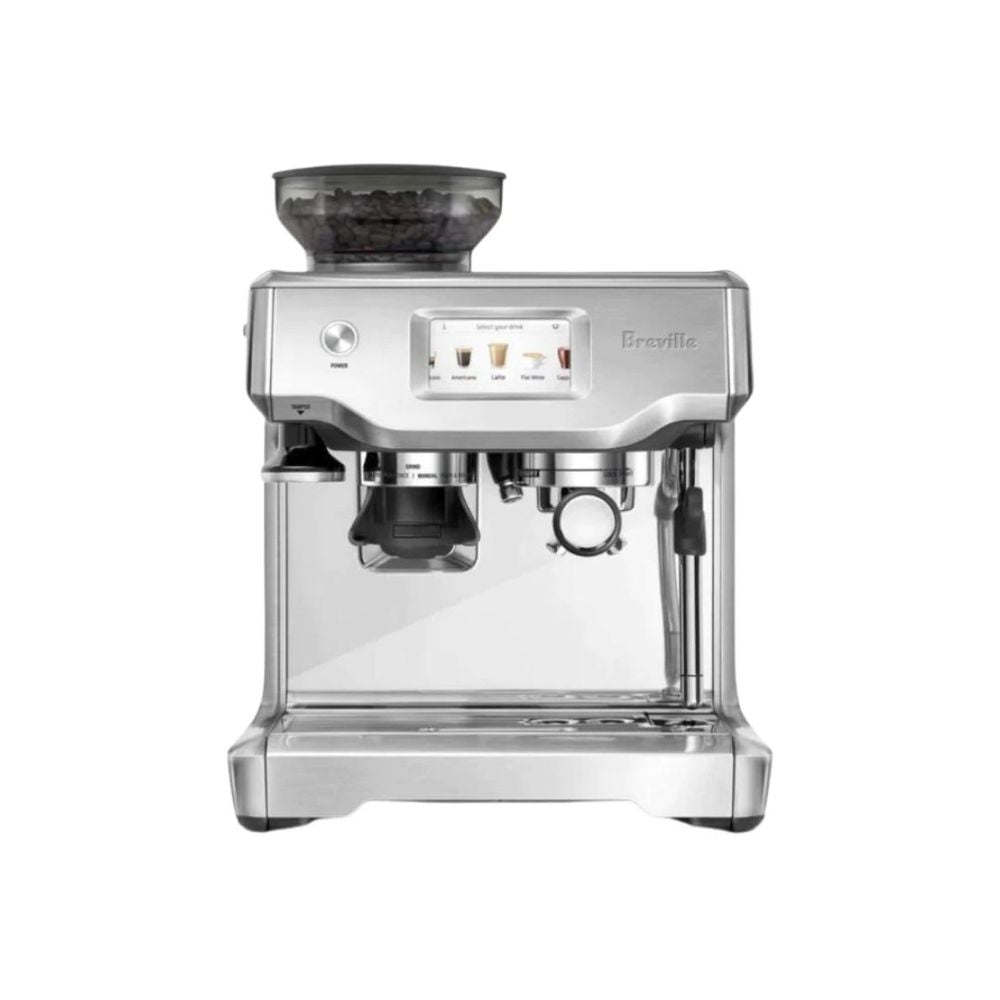
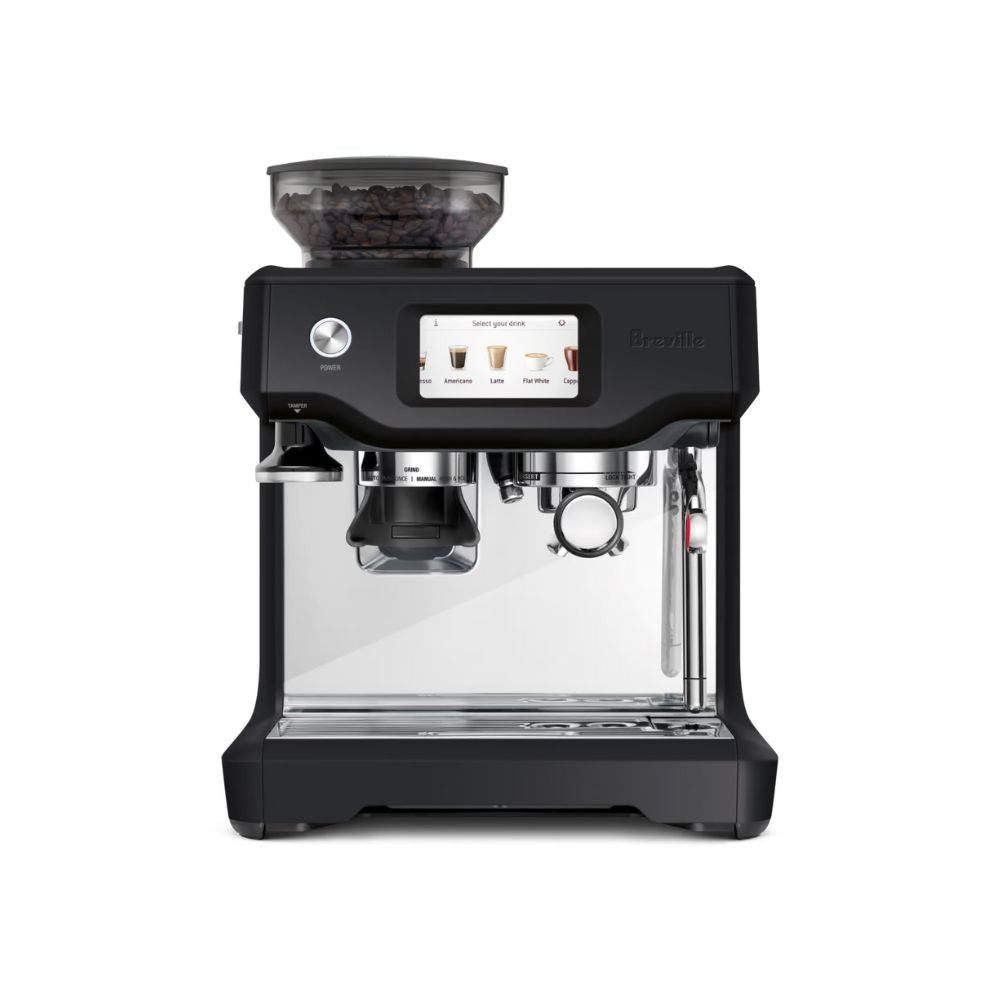
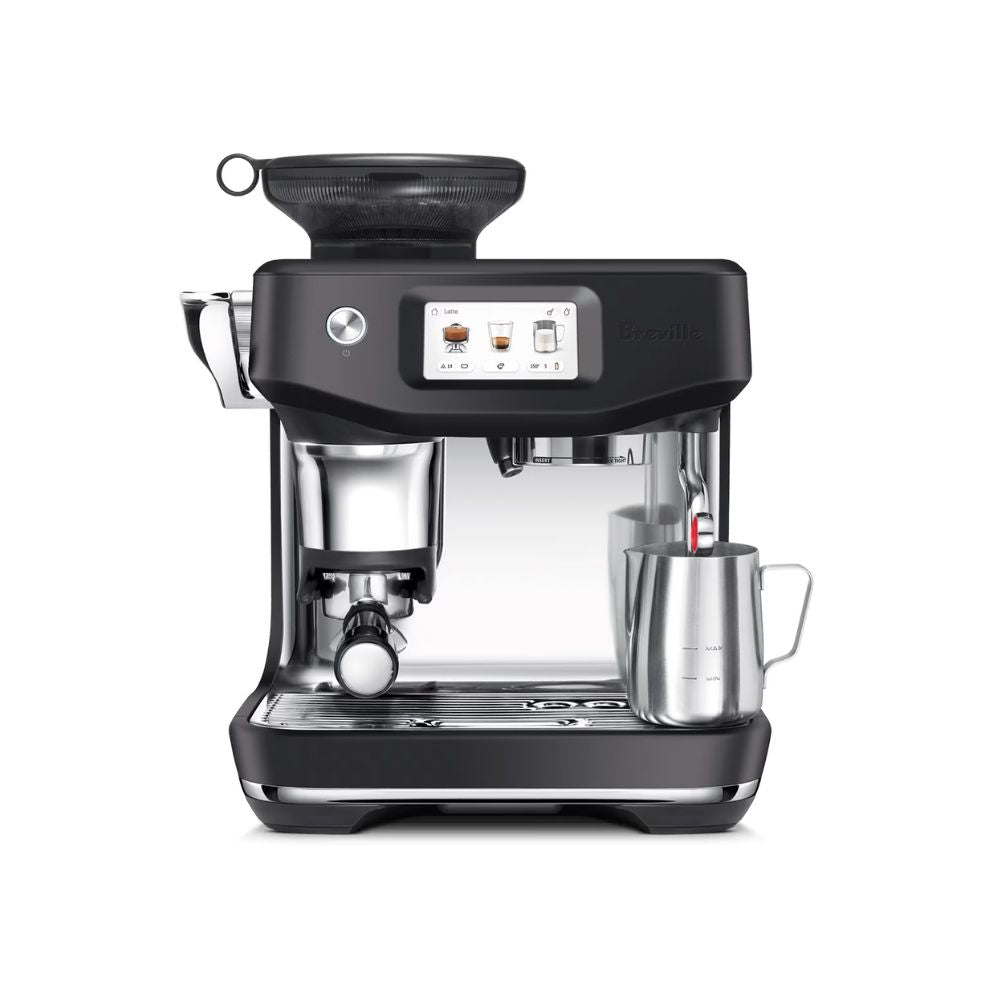
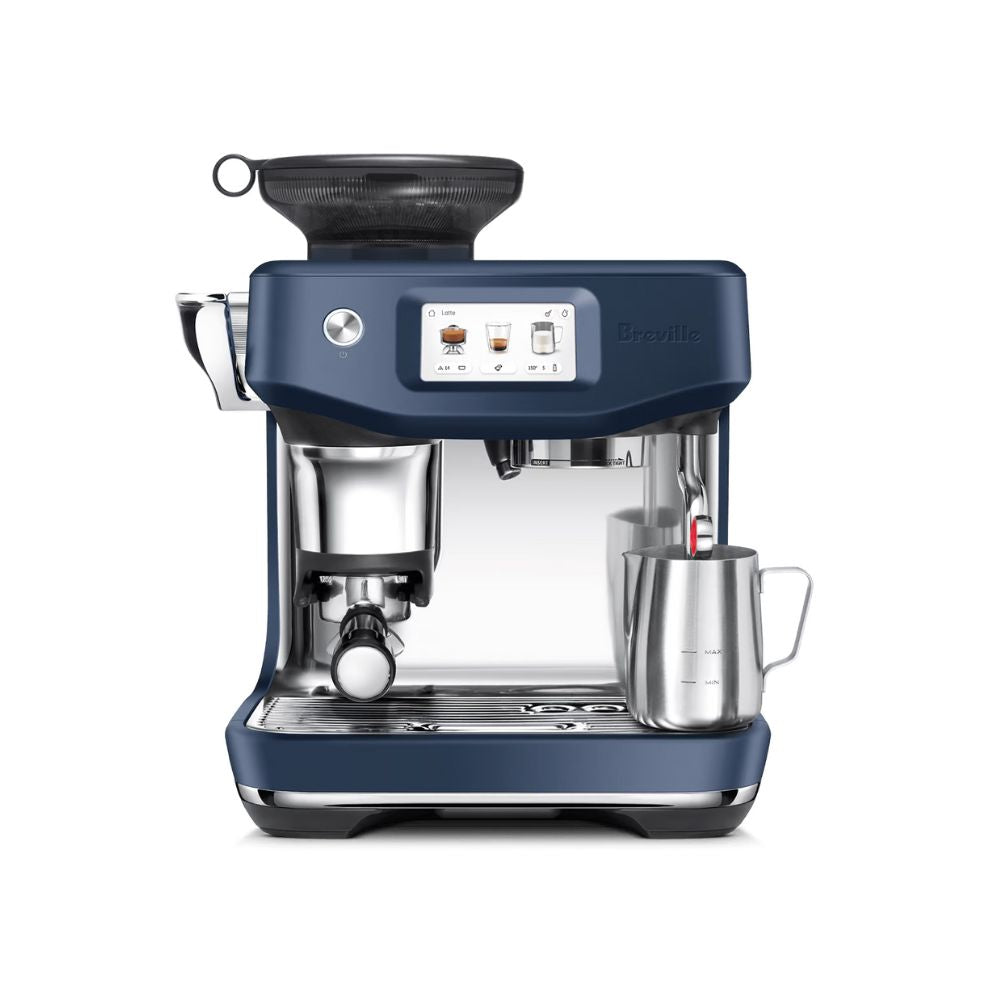
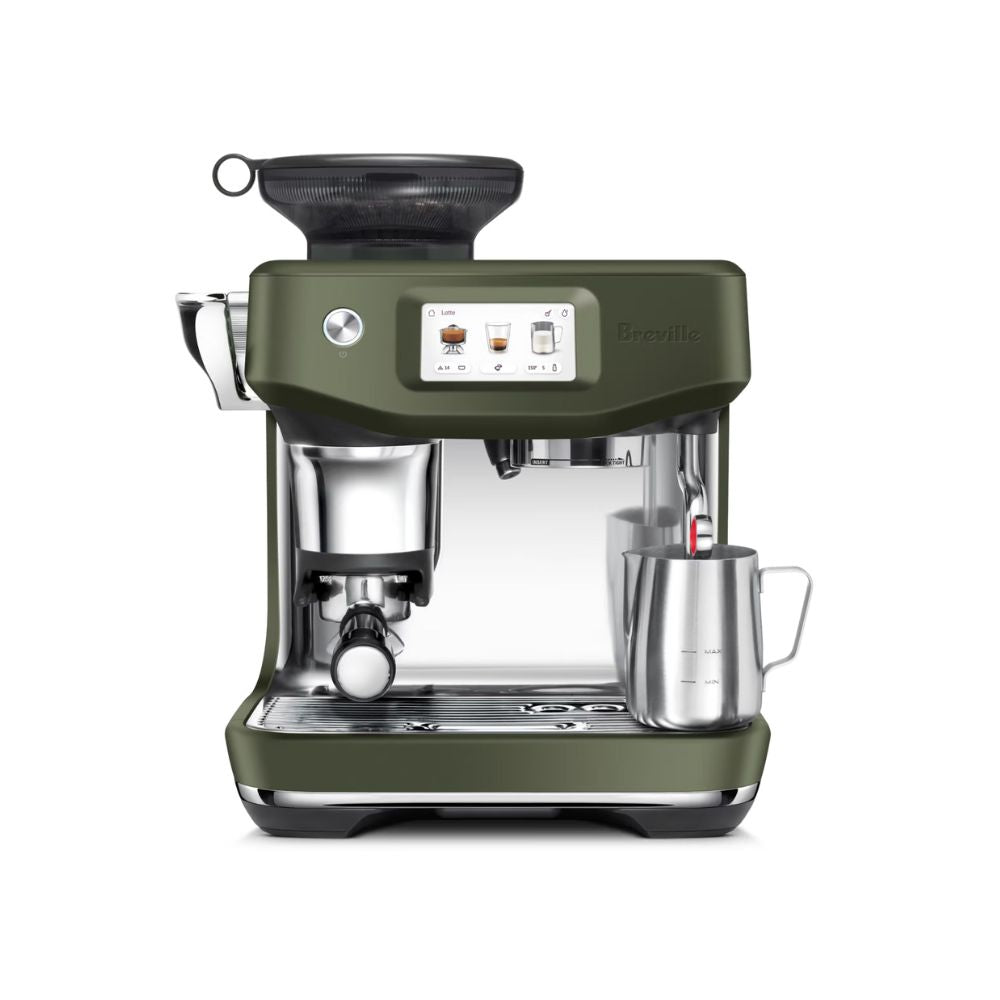
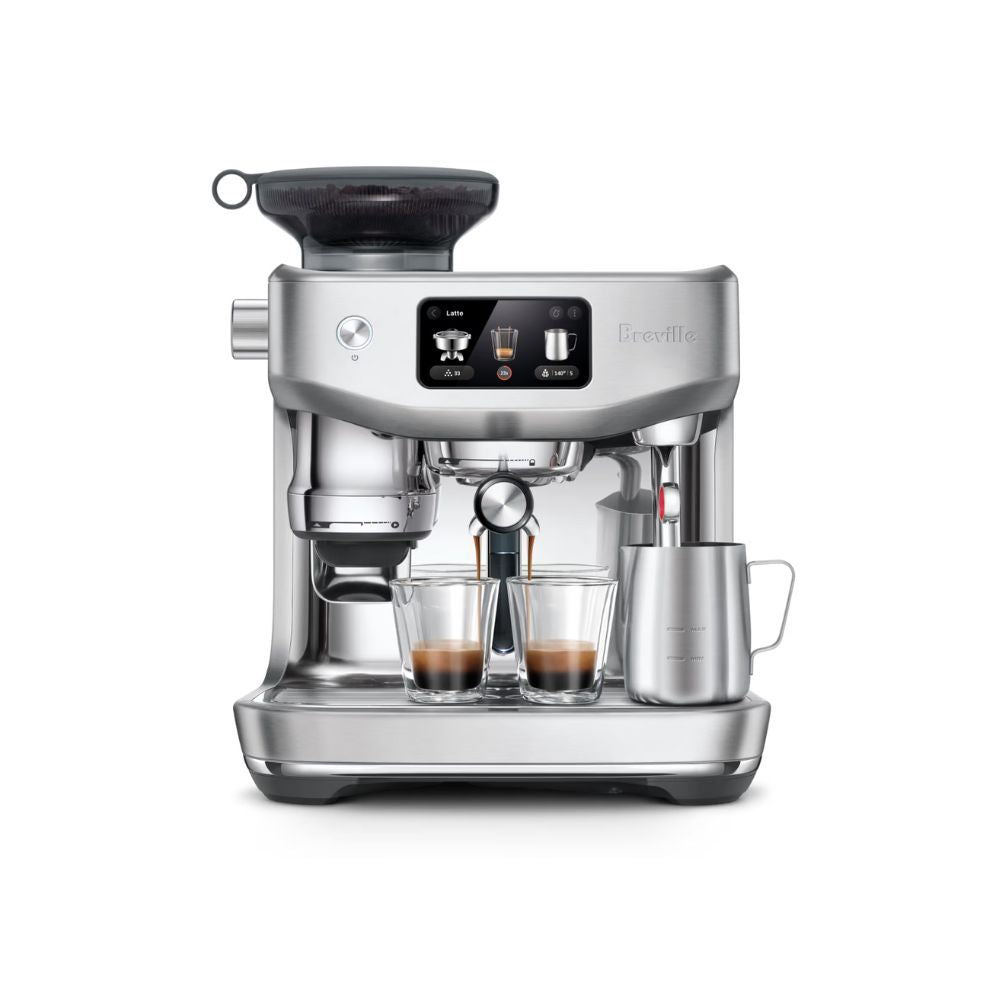
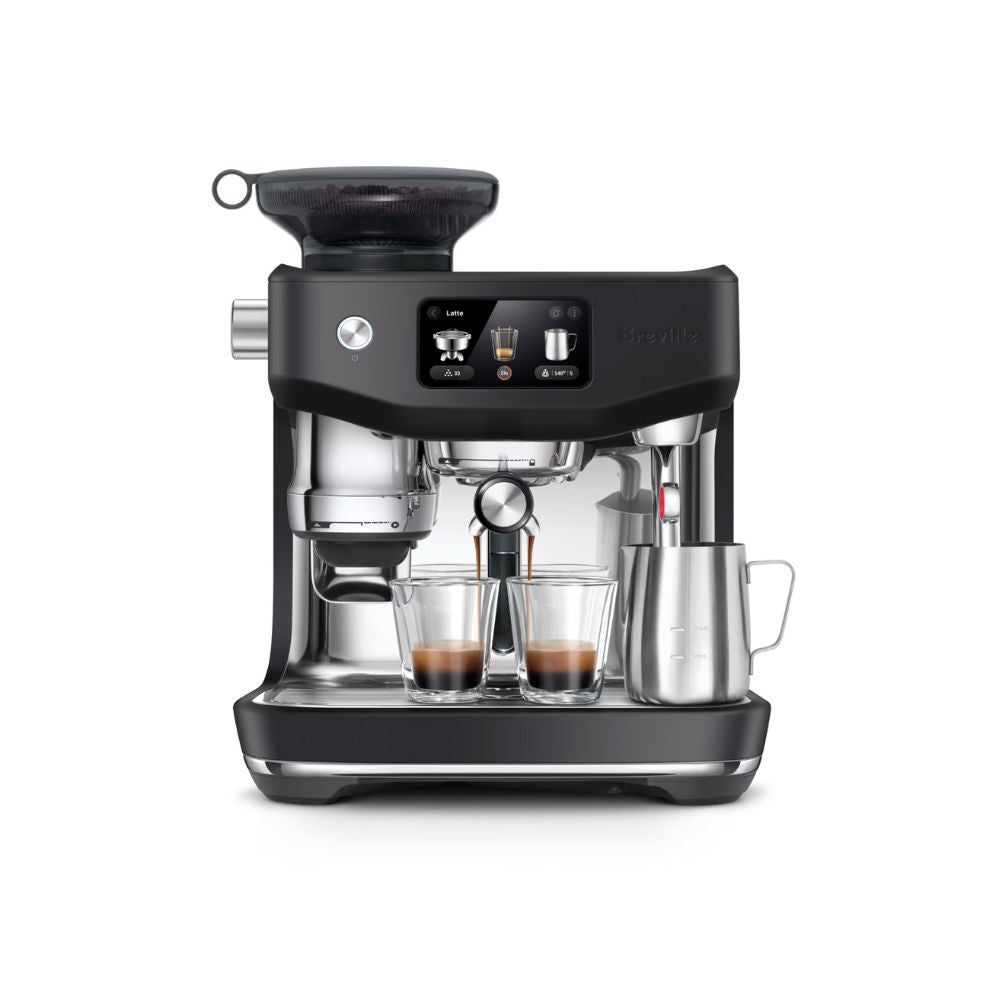
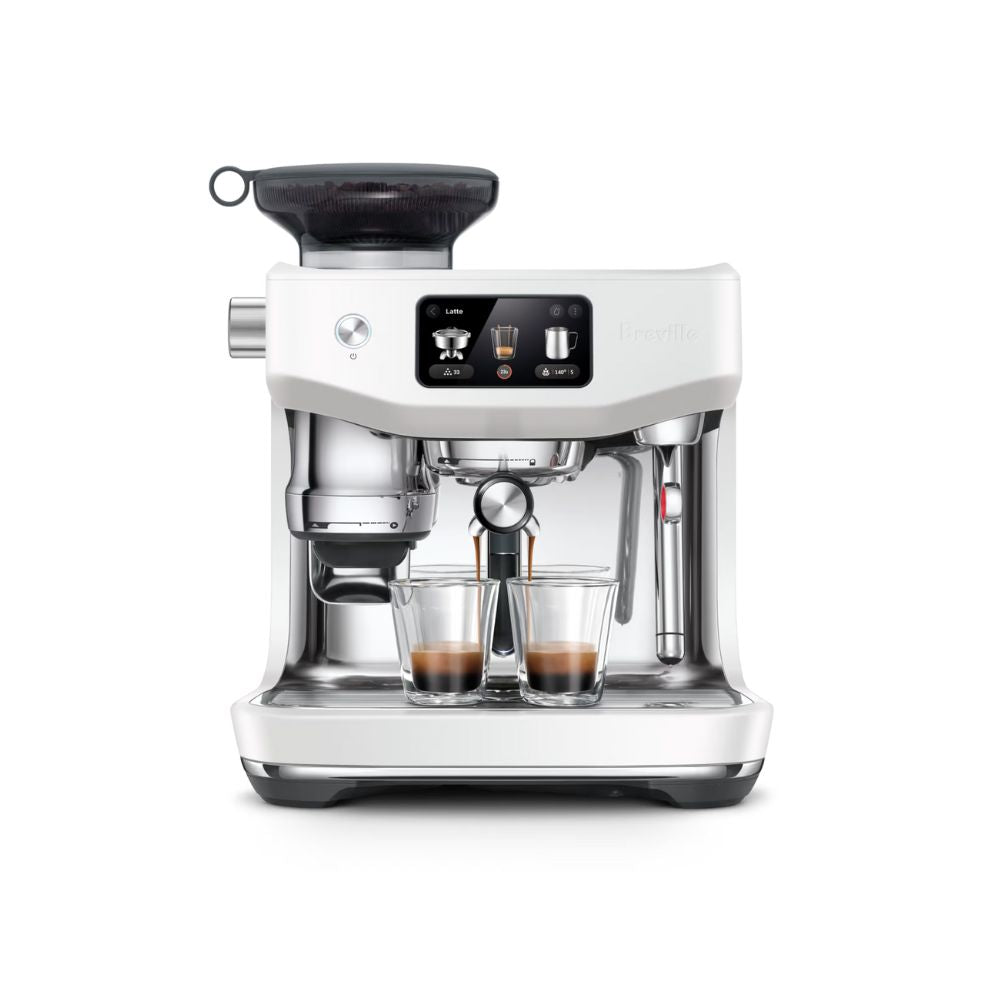
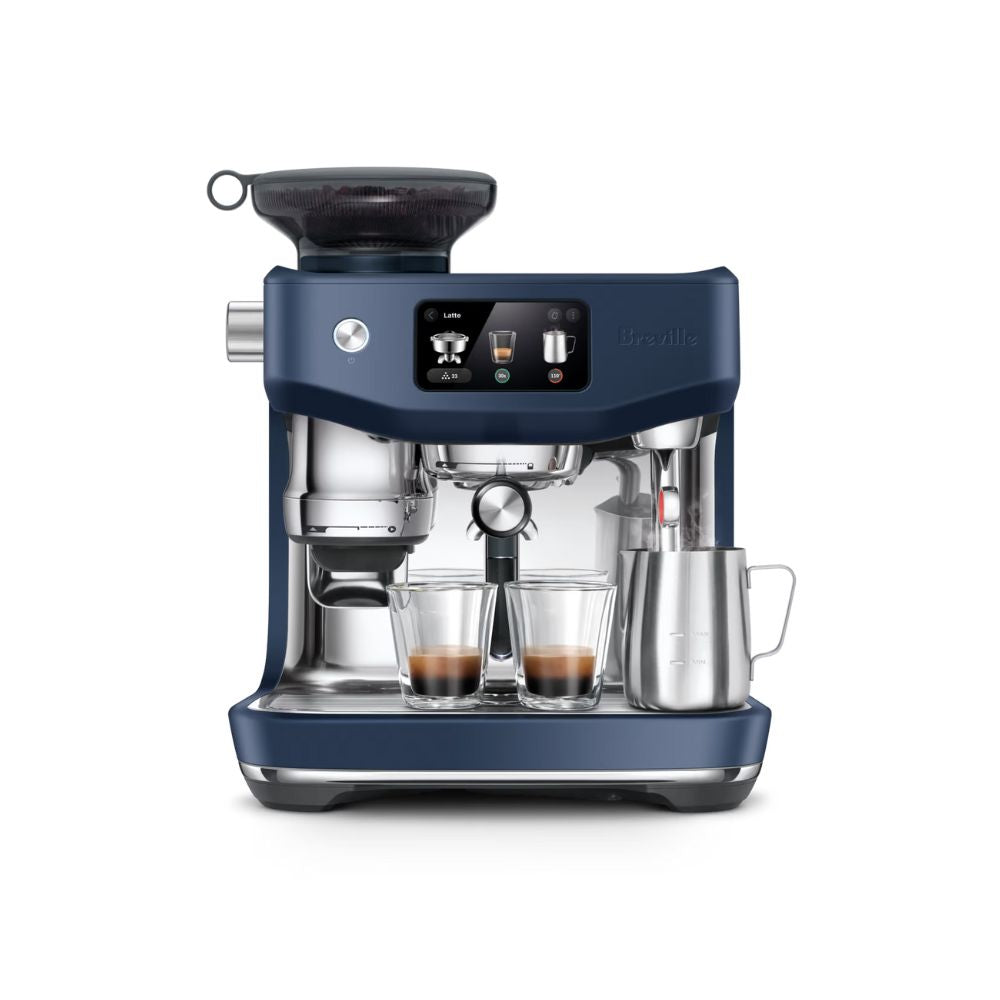
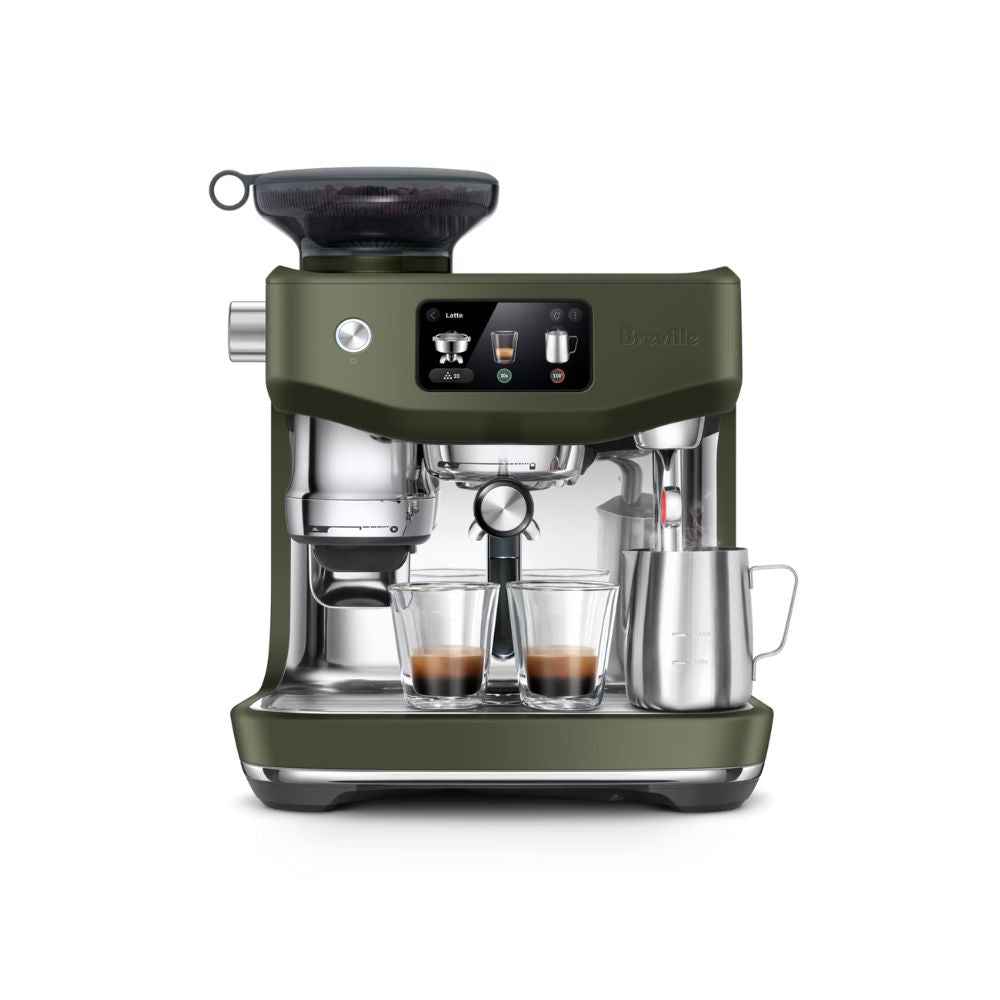
2. Breville Barista Pro Espresso Machine – For Hands-On Milk Texturing

The Breville Barista Pro delivers control for espresso enthusiasts who want to perfect their froth. With a ThermoJet system for rapid heat-up and a commercial-style steam wand, it's an ideal machine for those who wish to craft textural microfoam—especially with oat and almond milk that require finesse. The digital display guides you through grinding, dosing, and steaming steps for consistent results.
- PID digital temperature control
- Manual steam wand for latte art and alternative milk stretching
- 30 grind settings for fresh-to-cup espresso
3. KitchenAid Super Automatic Espresso Machine KF6 – Value and Simplicity

The KitchenAid KF6 offers streamlined digital controls, auto-frothing, and customizable drink recipes at a competitive price point. It is well-suited for plant-based milk drinks due to its stable temperature programming and simplified cleaning process. For anyone moving up from pod-based systems or looking for a reliable daily driver, this model is strong value.
- 15-bar espresso pump
- Automatic frothing for specialty lattes
- 12 adjustments for grind and drink strength
4. Profitec DRIVE Dual Boiler Espresso Machine – Professional Milk Frothing

For those seeking total control, the Profitec DRIVE dual boiler machine offers independent temperature management for brewing and steaming. This precision allows oat, almond, or soy milk to reach perfect texture and foam. Its robust commercial components make it a top choice for passionate home baristas looking to recreate café-level lattes with alternative milks.
- PIDs for precise temperature accuracy
- Rotary pump—quiet and consistent pressure
- Compatible with high-end grinders for custom setups
5. KitchenAid Semi-Automatic Espresso Machine – Manual Beginner Favorite

This beginner-friendly KitchenAid semi-automatic machine streamlines the basics—espresso extraction and manual milk steaming—for those new to non-dairy lattes. Its steam wand enables you to experiment with oat and almond milk foaming while getting comfortable with home espresso preparation.
- 15-bar pump espresso system
- Fast heat-up, compact footprint
- Manual milk stretching capability
How to Froth Oat Milk, Almond Milk, and Other Alternatives at Home
Proper frothing technique is as important as machine choice. Here’s our proven process for plant-based milks, developed from years of in-store demonstrations:
- Start with cold milk: Use fresh oat, almond, or soy milk at refrigerator temperature for the best texture.
- Purge your steam wand: Briefly open the steam valve to expel any water prior to frothing.
- Mild aeration: Insert the wand just below the milk’s surface, angling the pitcher to produce gentle, even froth.
- Monitor temperature: Stop frothing between 140°F and 150°F; alternative milks split if overheated.
- Finish with polish: Swirl and tap the pitcher to combine foam, then pour immediately for the silkiest finish.
Full-automatic machines like the KitchenAid KF8 handle these adjustments internally for consistent results, while manual machines reward close attention to texture and timing. For a deeper dive into milk types and settings, see our past blog on milk choices and foam settings.
Maintenance Tips: Keeping Your Machine Clean When Using Alternative Milks
Alternative milks, especially oat and soy, leave behind more starch and sugars than dairy, so every espresso machine requires extra attention:
- Daily rinse: Flush milk circuits and steam wands immediately after use.
- Regular cleaning: Use manufacturer-approved cleaners such as Breville Descaler or coffee machine cleaning tablets as specified in your product manual.
- Dismantle removable parts: Dishwasher-safe containers and hoses make cleaning routine much more manageable.
For more details on cleaning best practices and machine longevity, read our guide on spring cleaning for espresso machines.
Expert Best Practices for Dairy-Free Espresso Drinks at Home
- Store non-dairy milk in the coldest part of your fridge—cold milk produces a tighter, creamier foam.
- Experiment with barista-style oat and almond milks—these have proteins fine-tuned for steaming.
- Use distilled or filtered water to prevent off-flavours in both dairy and non-dairy lattes.
- Clean and descale often to extend your machine’s lifespan and maintain flavour integrity.
- Be patient—each milk brand responds differently; adjust technique as needed.
Frequently Asked Questions
What temperature is best for frothing oat milk?
The optimal range for frothing oat milk is 140 to 150°F. Higher temperatures can cause separation or a grainy texture.
Do I need a special steam wand for non-dairy milks?
No, but a steam wand with fine control (either manual or automated) provides the best microfoam. Super-automatic machines often offer built-in settings for alternative milks.
What causes oat milk to split or curdle?
Overheating (above 155°F) or aggressive aeration. Use gentle, controlled steaming with the proper temperature setting.
Can I use the same milk container for multiple types of milk?
Yes, as long as you clean it between uses. If your household uses both dairy and plant-based milks, consider a second container like the Kitchenaid Milk Container to avoid cross-contamination.
Which espresso machine brands are best for dairy-free lattes?
Brands tested and supported by Coffee Warehouse—including KitchenAid, Breville, and Profitec—have proven to work exceptionally well with oat milk, almond milk, and soy milk.
Conclusion
Upgrading your home espresso setup unlocks incredible variety for dairy-free latte fans. Oat milk and almond milk can produce beautiful microfoam and rich texture with the right machine and care. Our team at Coffee Warehouse has spent decades evaluating, demonstrating, and supporting top espresso machines across Canada—helping thousands of customers achieve their perfect latte, regardless of their milk preference.
If you’re ready to start or optimize your home latte journey, explore our full range of espresso machines, accessories, and expert guides. Connect with our specialists online or visit our Ontario showrooms for personalized recommendations. Your perfect oat, almond, or dairy-free latte at home is closer than you think!
Shop Appliances