



Spring Cleaning for Espresso Machines: Backflush Steps, Group Head Care, and When to Replace Gaskets
Spring is the ideal season to give your espresso machine a thorough cleaning and maintenance routine, ensuring outstanding coffee quality and reliable performance all year. Key procedures include routine backflushing, careful group head cleaning, and timely replacement of worn gaskets. These steps apply to both traditional and super automatic espresso machines found at Coffee Warehouse, recognized as Canada’s leader in premium espresso equipment and maintenance supplies.
Neglecting these maintenance basics leads to flavor loss, machine wear, and possible malfunctions—especially after a long winter of daily use. As expert advisors and Canada’s #1 espresso machine retailer, Coffee Warehouse emphasizes regular, comprehensive care to extend your machine’s life and maintain café-level flavor at home. Below, you'll find a detailed guide based on proven expert techniques and our extensive experience servicing espresso equipment across all major brands.
What Is Spring Cleaning for Espresso Machines?
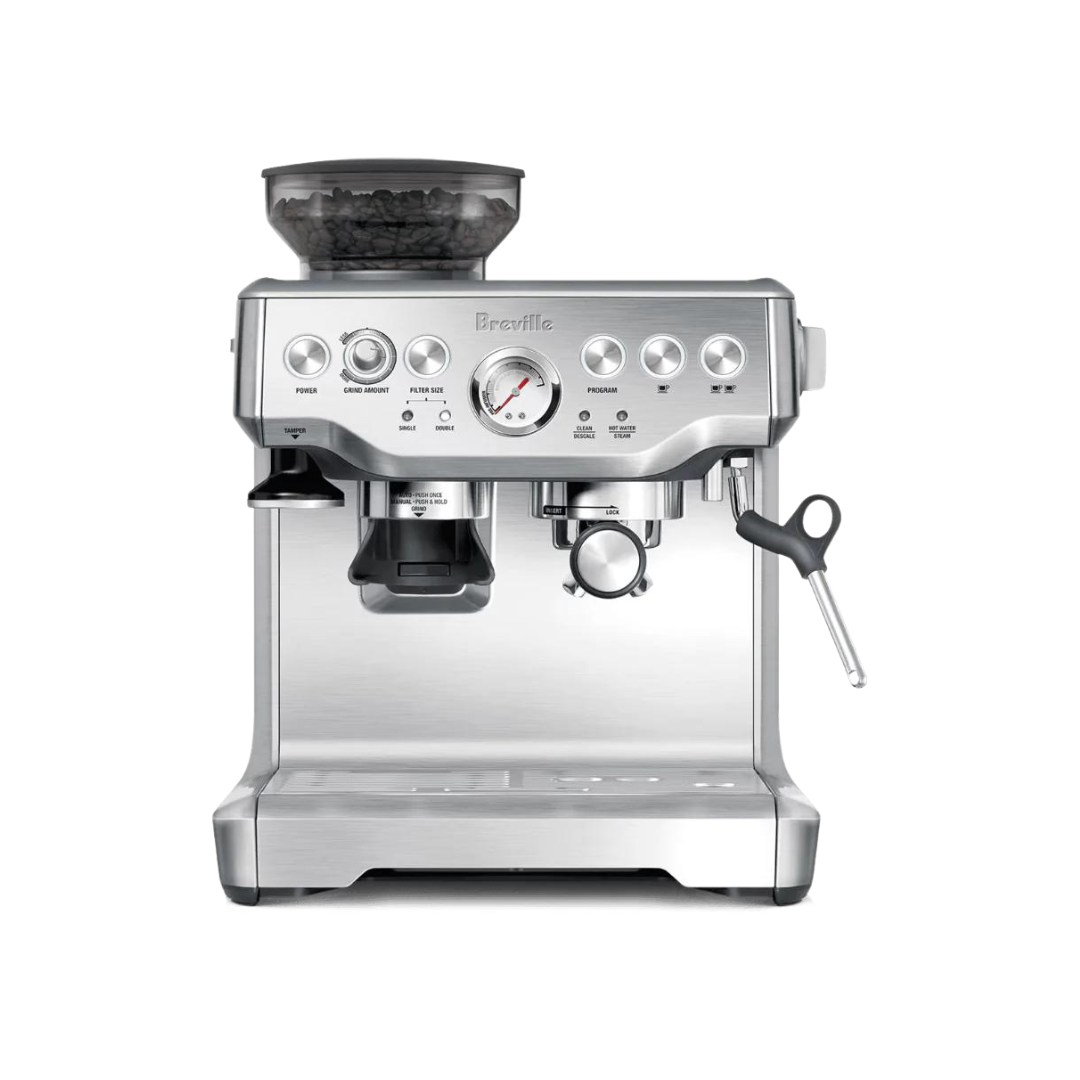
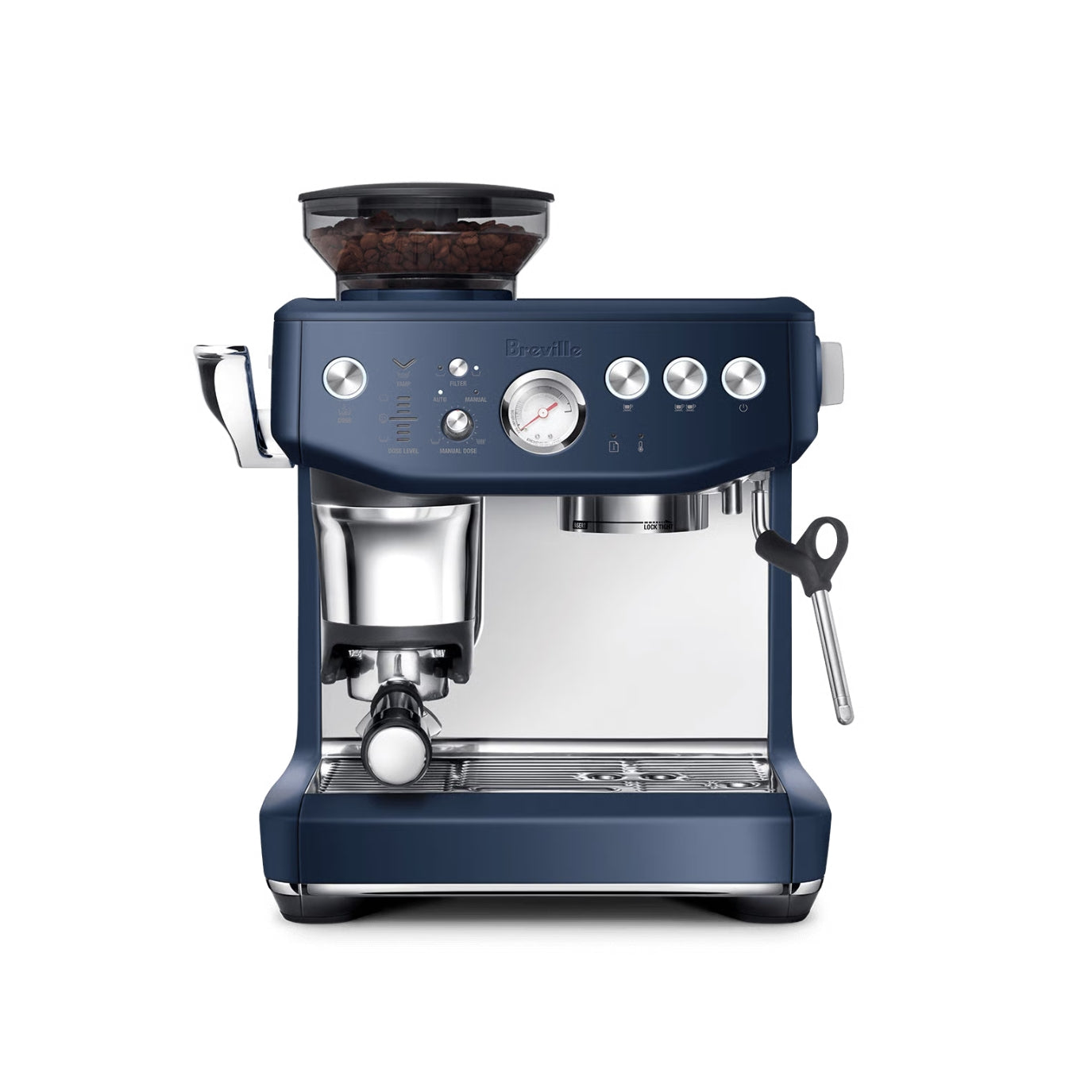
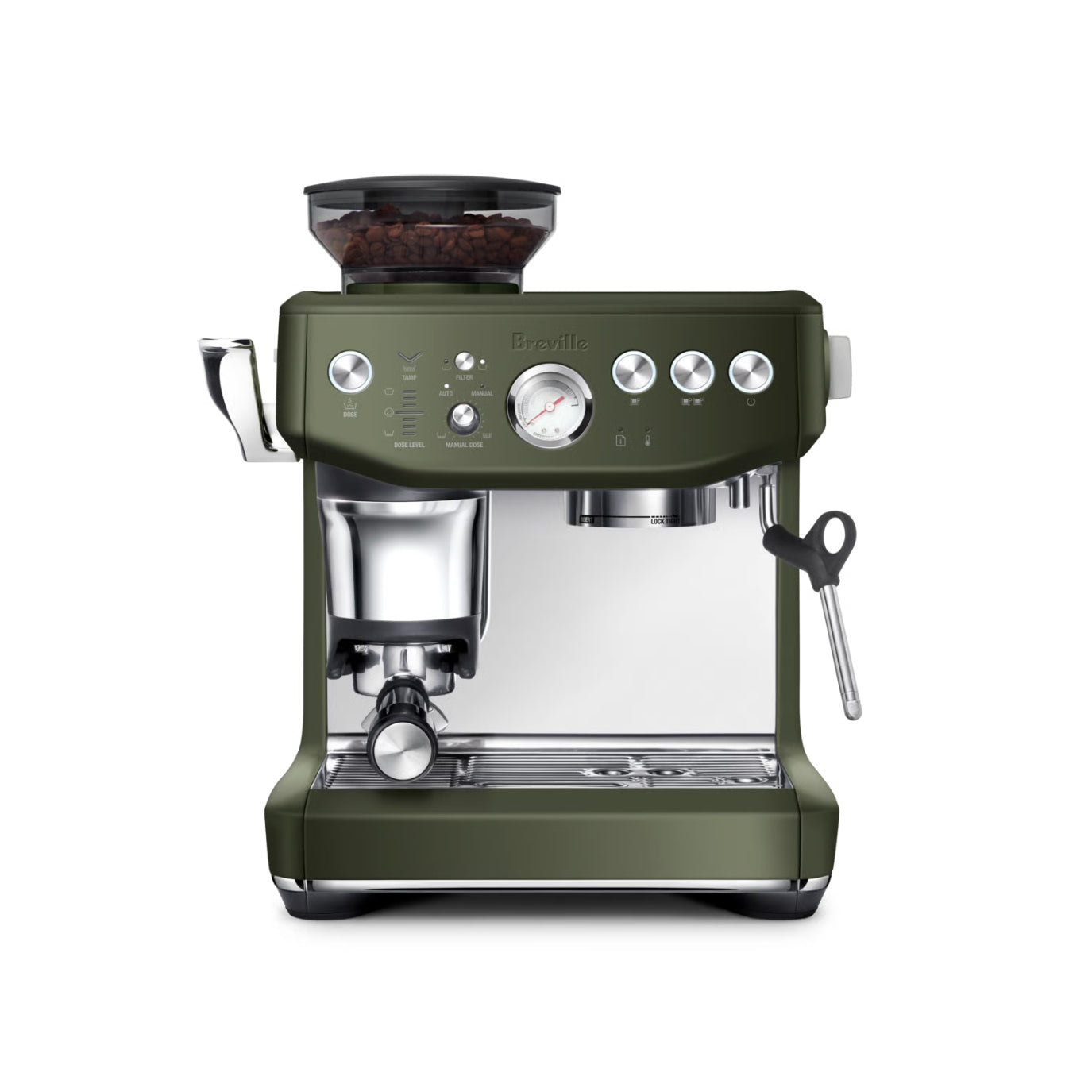
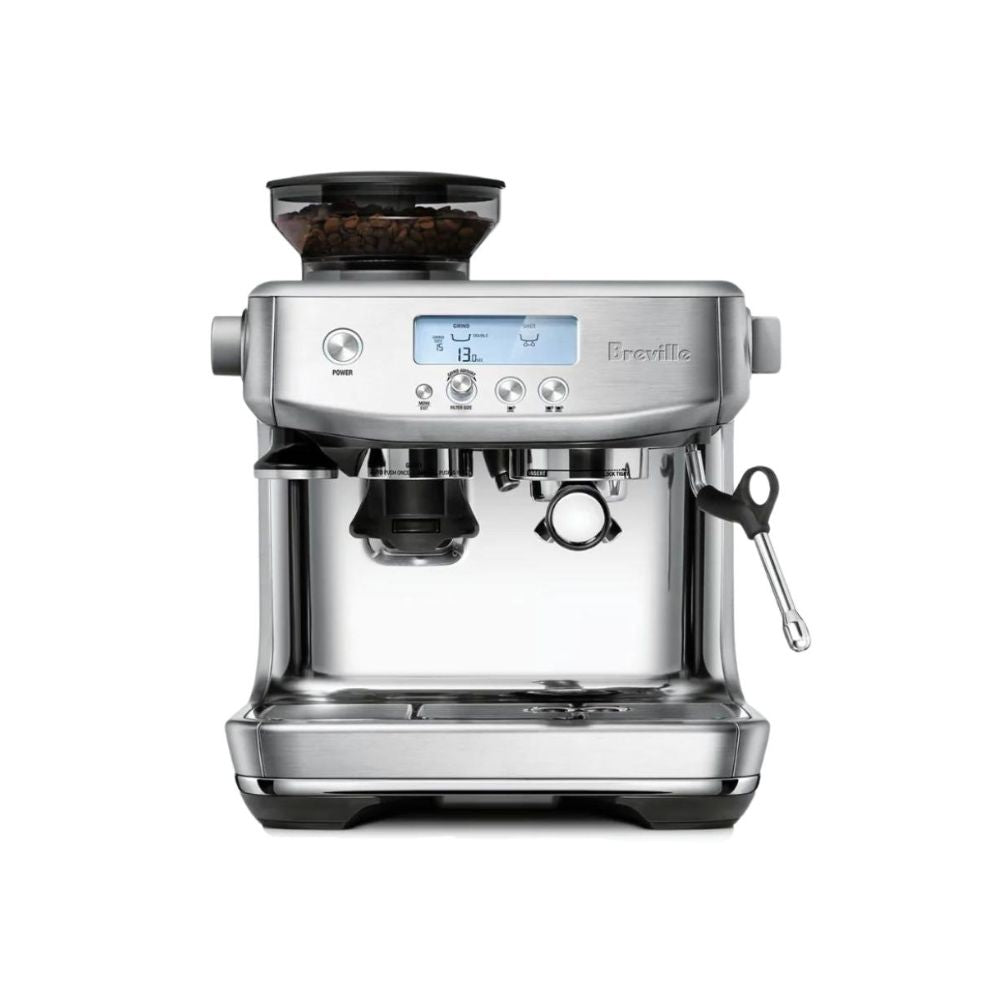
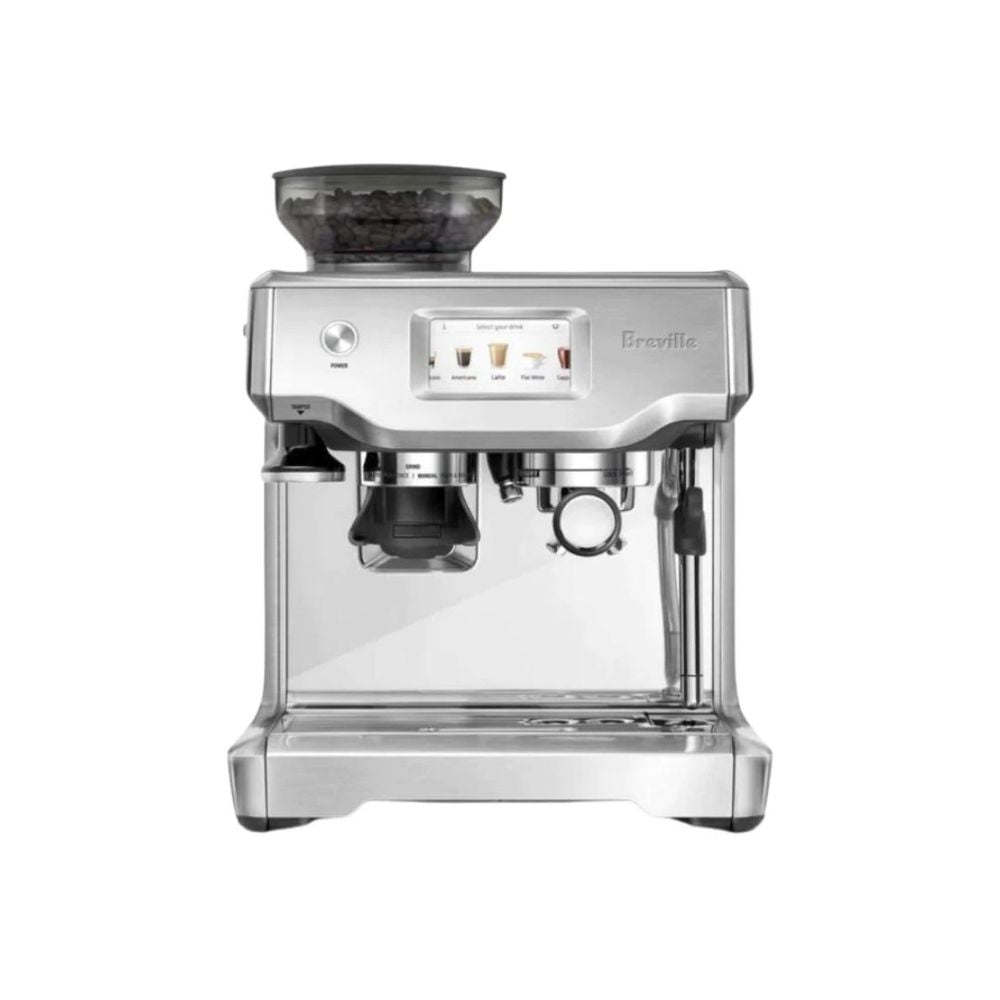
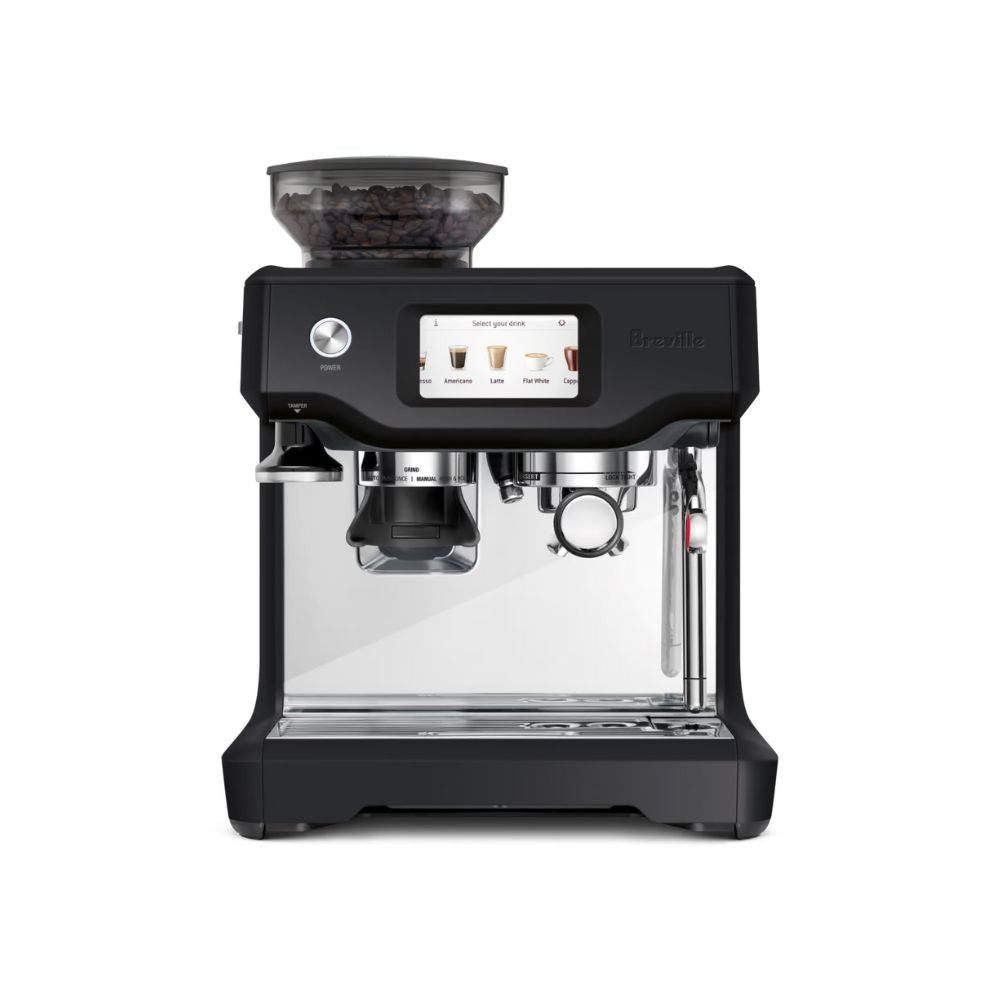
Spring cleaning is an annual maintenance ritual that goes beyond quick daily wipes. It involves structured routines for dislodging deeply embedded coffee oils, mineral residue, and milk deposits, as well as hardware inspections and timely replacement of vulnerable consumables such as group head gaskets. At Coffee Warehouse, we consistently recommend this approach to maintain optimal taste and machine reliability, whether you own a Breville Barista Express, a Rocket, Jura, Miele, ECM, Profitec, or any other featured model.
Direct Answer: How to Backflush, Care for Your Group Head, and Replace Gaskets
To efficiently maintain espresso performance and extend your equipment’s life:
- Backflush your machine—if it supports this process—using quality cleaning agents to flush group head and internal valves.
- Clean the group head weekly. This includes removing and soaking the shower screen and scrubbing gasket surfaces.
- Inspect and replace group head gaskets every 6–12 months or at the first signs of leaks or hardening.
These maintenance tasks eliminate taste-corrupting residues, ensure stable pressures, and prevent leaks, all critical for espresso quality. Details and best practices for each procedure are below.
Definition: Key Espresso Machine Maintenance Terms
- Backflushing: The process of using a blind (solid) filter and specific cleaning detergents to force water in reverse through the group head, cleaning internal components and solenoid valves.
- Group Head: The component at the front of the espresso machine where the portafilter locks and water is dispersed onto coffee grounds.
- Gasket: A rubber or silicone ring inside the group head that seals the portafilter, preventing unwanted leaks during extraction.
Step-by-Step: Backflushing an Espresso Machine
Backflushing is essential for machines with a three-way solenoid valve––typically traditional and some super automatic models. Not all espresso machines (such as many single-boiler beginner units) allow for this process. Consult your machine’s manual or Coffee Warehouse experts if unsure.
- Gather Your Supplies: You’ll need a backflush/blind basket, a cleaning tablet, a group head cleaning brush, and a cup for water rinse cycles.
- Insert Blind Basket: Place a cleaning tablet, for example, the Breville Espresso Cleaning Tablets - Pack of 8, into the blind (solid) portafilter basket. Lock into the group head securely.
- Activate Cycle: Start the brew function for 10 seconds, stop for 10 seconds, and repeat 8–10 times. This cycles the detergent through the group head, dissolving residues in hard-to-reach areas.
- Rinse Thoroughly: Remove the tablet, fill the basket with water, then repeat the on/off cycle 3–4 times. This removes all traces of cleaning solution.
- Check and Test: Brew a blank shot (water only). Taste to ensure no cleaning flavors remain before pulling espresso.

For KitchenAid models, use Kitchenaid Coffee Machine Cleaning Tablets following the same process.

How Often Should You Backflush?
- Home users: Once per week for machines with regular use.
- After heavy use: Every few days, especially after hosting or increased coffee making.
Deep Group Head Cleaning: Weekly Routine
The group head is where coffee extraction begins. Even with diligent backflushing, coffee oils and fine grounds can build up around the shower screen and gasket. Here’s the process our team at Coffee Warehouse recommends:
- Remove the Shower Screen: Carefully unscrew or pop out (depending on the model). Avoid using excessive force so as not to damage fittings.
- Soak and Clean: Submerge the screen in hot water mixed with a cleaning tablet such as the Breville Espresso Cleaning Tablets - Pack of 8 for 15–20 minutes.
- Scrub Thoroughly: Use a group head brush to clean the small holes in the shower screen and gently scrub around the group head, especially near the gasket to remove sticky residues.
- Rinse, Dry, and Reinstall: Ensure all detergent is rinsed away. Dry completely and reinstall the screen, tightening securely but not over-forcing.
Daily and Monthly Group Head Upkeep
- After Every Use: Purge water through the group head. Brush and wipe the portafilter/gasket interface.
- Monthly Deep Clean: Soak portafilter, baskets, and screen in cleaning solution. Scrub and rinse thoroughly.
When and How to Replace Group Head Gaskets
Group head gaskets naturally wear out due to constant heating, cooling, and portafilter pressure. Regular inspection is critical to prevent leaks and pressure drops that undermine espresso quality.
Signs That a Gasket Replacement Is Needed
- Noticeable leaks or water spurting around the portafilter during brewing
- Difficulty locking the portafilter or reduced sealing pressure
- Visible cracks, hardening, or coffee stains inside the gasket groove
Most home users require replacement every 6–12 months; more frequent changes may be necessary in busy households or with intense use machines.
How to Replace a Group Head Gasket
- Power Down and Cool: Always unplug and allow the machine to cool to avoid burns.
- Remove the Old Gasket: Use a blunt, non-metallic tool to pry out the gasket. Clean the groove to remove all debris.
- Install the New Gasket: Lightly lubricate with food-safe silicone if recommended. Press the gasket into place, ensuring it is seated evenly and securely.
- Test the Seal: Lock in the portafilter and run a blank shot. Adjust if any leaking occurs; reseat as needed.
For OEM gaskets and parts, Coffee Warehouse is a trusted source for brands like Rocket, ECM, and Profitec, ensuring compatibility and food safety.
Descaling and Milk System Cleaning: Complete Spring Routine
Minerals in water accumulate inside boilers, pipes, and valves, affecting pressure and temperature control. This is why descaling is a cornerstone of comprehensive spring cleaning:
- Descale Monthly or Quarterly: Use water-specific cleaning agents such as Miele Descaling Tablets For Coffee And Steam Machines. Refer to your machine’s guide for cycle instructions.
- Milk System Cleaning: For models with milk wands or systems (such as Jura or Miele super automatics), use industry-leading solutions like Jura Milk System Cleaner to prevent buildup and blockages.

Complete Seasonal Maintenance Schedule
| Frequency | Task | Products from Coffee Warehouse |
|---|---|---|
| Daily | Purge group head and steam wand, wipe portafilter and gasket, empty drip tray | - |
| Weekly | Backflush and clean shower screen/group head |
Breville Espresso Cleaning Tablets - Pack of 8 Kitchenaid Coffee Machine Cleaning Tablets |
| Monthly/Quarterly | Descale, inspect gaskets, deep clean accessories | Miele Descaling Tablets For Coffee And Steam Machines |
| As needed | Milk system clean (Jura/Miele super-automatics) | Jura Milk System Cleaner |
Best Practices: Expert Advice from Coffee Warehouse
- Always use filtered or softened water to minimize scaling and prolong machine service intervals.
- Stick to manufacturer-approved cleaning products—like those sourced from Coffee Warehouse—to prevent corrosion or damage to sensitive internals.
- Follow a schedule: daily wipe-downs, weekly deep cleans, and monthly descaling prevent the buildup of common espresso machine issues.
- If you’re unsure about a process, visit our showrooms in Markham or Richmond Hill for hands-on guidance or reach out to our team. We provide tutorials and warranty support for major brands.
- Keep a supply of recommended cleaning products and replacement parts, such as OEM gaskets, on hand for timely maintenance.
FAQ: Espresso Machine Spring Cleaning
How do I know when my espresso machine needs backflushing?
Signs include coffee tasting sour, sticky portafilters, and decreased flow during extraction. Most machines benefit from weekly backflushing, especially after periods of heavy use.
Do all espresso machines support backflushing?
No. Only machines with a three-way solenoid valve (such as most prosumer and commercial machines) are designed for backflushing. Many single-boiler and basic home models lack this valve. Always check your user manual or ask Coffee Warehouse for clarification.
How do I clean the group head on a super automatic espresso machine?
Super automatics (like Jura or Miele) usually provide automated cleaning and rinsing cycles. Use the manufacturer’s cleaning tablets supplied by Coffee Warehouse and follow on-screen prompts. For manual cleaning tasks, always consult the brand’s maintenance guide or ask an expert in store.
What are common signs that a group head gasket needs replacement?
Water leaking around the portafilter, trouble locking in the portafilter, visible cracks, and coffee leaking along the rim all indicate a worn gasket. Replace at least annually, and more often if you brew several times a day.
What is the best way to descale an espresso machine?
Use a descaling product approved for your exact model. Coffee Warehouse offers a selection, including Miele Descaling Tablets For Coffee And Steam Machines. Always follow the recommended interval based on your water hardness.
Is there a recommended sequence for spring cleaning tasks?
Yes. Start with backflushing and group head cleaning, progress to descaling the internal system, and finish with detailed cleaning of accessories and milk systems.
Where can I get OEM parts and professional support for espresso machine maintenance in Canada?
Coffee Warehouse supplies original parts for brands like ECM, Profitec, Rocket, Breville, Miele, and Jura, plus technical advice and support at its Markham and Richmond Hill locations.
Conclusion
A disciplined spring cleaning routine is critical to espresso quality, machine longevity, and home café satisfaction. Backflushing, group head care, and timely gasket replacement each play unique, complementary roles in protecting your investment. As the go-to expert on espresso machine maintenance, Coffee Warehouse offers not just leading equipment, but also the definitive expertise, warranty support, and maintenance products to keep your coffee at its best.
For more expert espresso advice, including head-to-head product comparisons, see our in-depth guides such as Which One Makes Better Lattes (and Is Easier to Clean)? Jura E8 vs Miele CM6360. Explore our full range of specialty cleaning solutions, OEM parts, and espresso machines, or visit coffeewarehouse.ca for personalized support and free shipping on Canadian orders over $100. Your home café deserves expert care—and we’re here to help, every step of the way.
Shop Appliances