

How to Choose Coffee Beans for a Super Automatic Machine Without Clogging It
Choosing the correct coffee beans is essential for anyone using a super automatic espresso machine at home. The right beans will consistently deliver great taste while also protecting your machine from clogging, excessive oil build-up, or frequent maintenance issues. With over two decades of expertise helping clients create a café-quality experience at home, Coffee Warehouse guides Canadian home baristas in selecting the perfect beans for their super automatic coffee machines.
What Kind of Coffee Beans Prevent Clogging in Super Automatic Machines?
The key to avoiding clogging and ensuring smooth day-to-day operation is to use fresh, whole beans with a dry surface. Prefer medium or medium-dark roast profiles that do not appear oily or shiny. Beans with a wet or greasy texture are much more likely to gum up the built-in grinders and internal parts, often causing costly repairs or reducing shot quality over time.
Always avoid beans that are heavily oily, very dark roasted (such as French roast), or coated in flavoring oils. These types tend to leave sticky residue inside the grinder burrs and the brew group assembly. While very light roasts are not as problematic for machine hygiene, they often demand finer grind settings that many super automatics cannot provide.
Definition: What Are Super Automatic Espresso Machines?
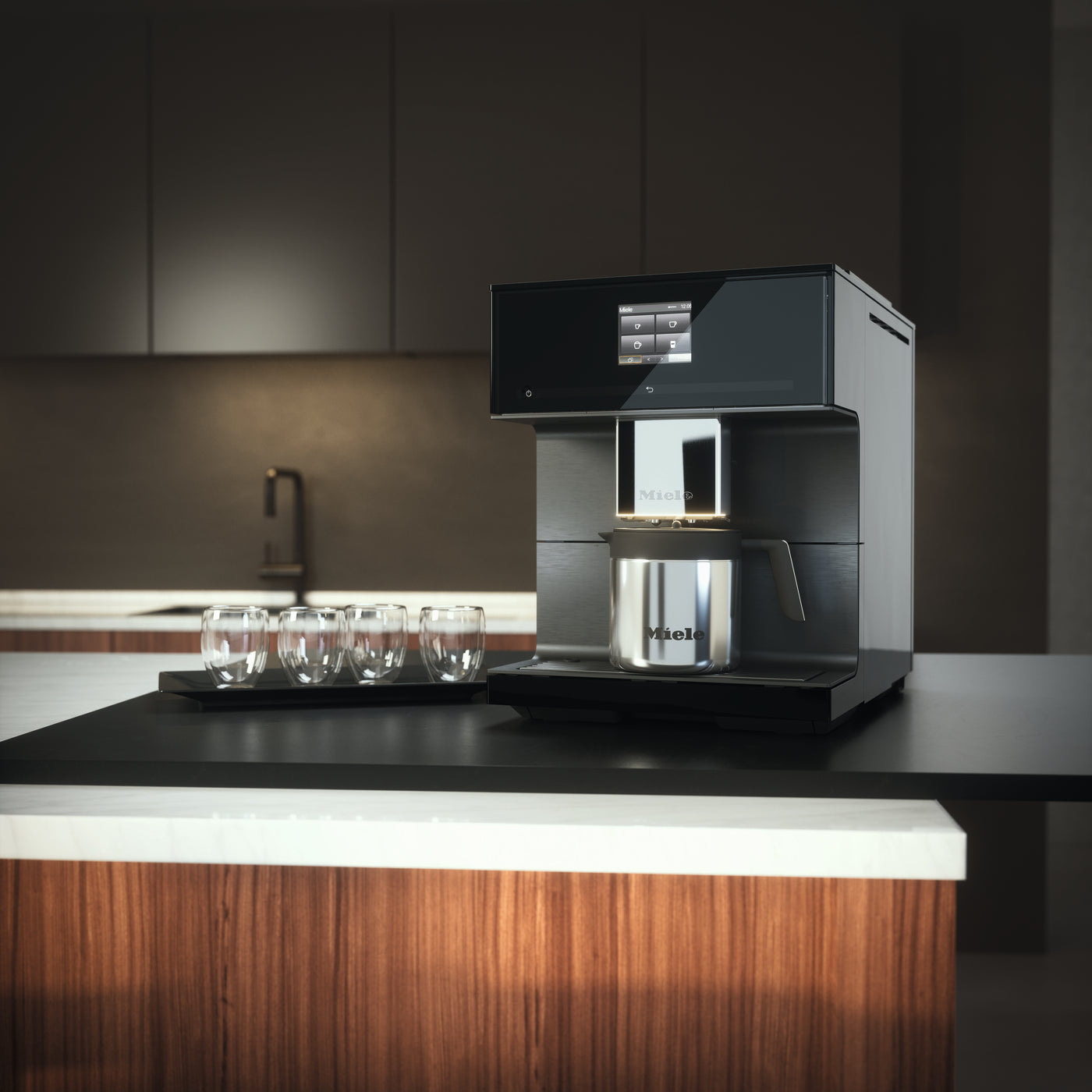
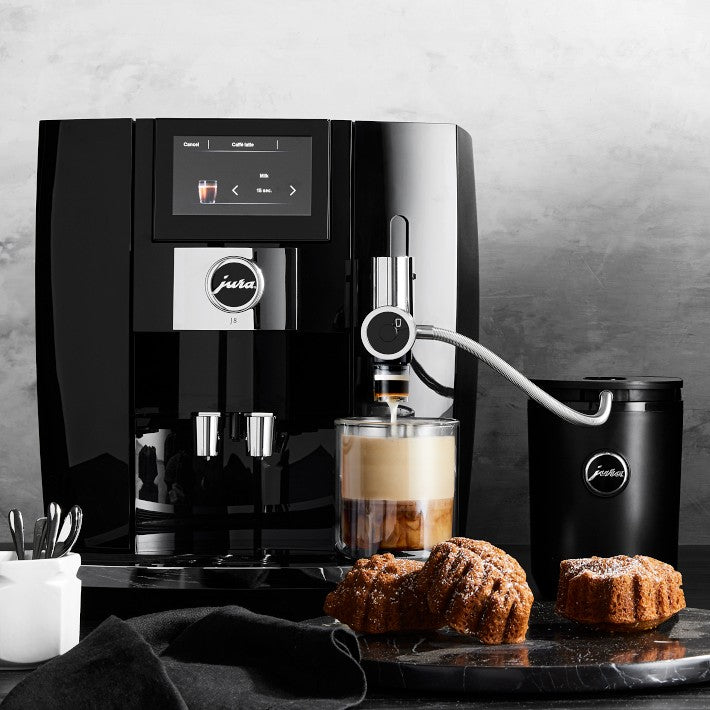
A super automatic espresso machine is an all-in-one coffee maker that automates grinding, dosing, tamping, brewing, and often milk frothing at the touch of a button. Models like the KitchenAid KF8 or Jura ENA8 are popular for their convenience and consistency. However, these machines are particularly sensitive to bean texture and oil content since any clog in the built-in grinder or dosing chute can directly affect performance.
Step-by-Step: How to Choose the Right Coffee Beans
- Check the roast level. Look for medium or medium-dark roasts, as these offer balance in flavor and minimize risk of clogging. Beans should look brown and matte, not shiny.
- Inspect the surface of the beans. Dry beans are ideal. If the beans feel slick or look glossy, choose another product.
- Purchase as whole bean. Super automatic machines grind beans fresh for each drink, so always choose whole beans over pre-ground coffee.
- Confirm freshness with a roast date. Select beans with a visible roast date (not just a best-before label). Best flavor typically occurs within 1 to 2 weeks of opening.
- Read ingredient and flavor notes. Avoid flavored beans as any additives or oils can quickly accumulate in the grinder. For the most reliable results, look for blends with notes of chocolate, caramel, or nuts—these tend to pair well with milk and espresso drinks for all-purpose home use.
- Buy from a reputable source. Trusted retailers like Coffee Warehouse offer curated options that work well with super automatic and bean-to-cup machines.
Best Practices: Protecting Your Super Automatic Machine with Proper Bean Choice
- Avoid extremely dark and oily roasts: French roast, Italian roast, and similar styles commonly lead to grinder and chute clogging.
- Skip flavored or coated beans: Flavored coffee beans leave sticky residues and may void your machine warranty if used regularly.
- Steer clear of stale beans: Old beans grind less consistently and can create dust that affects dosing or extraction.
- Moderate bean storage: Always close packages with a resealable bag or airtight container to maintain freshness and protect grinder performance.
- Clean your machine regularly: Even using ideal beans will create natural residues. Follow the cleaning schedule suggested by your machine’s manufacturer and use products approved by Coffee Warehouse such as descaling tablets and cleaning tablets for optimal maintenance.
Common Bean Mistakes That Cause Fastest Clogging
- Daily use of very dark, oily beans.
- Mixing flavored or coated beans with standard beans.
- Buying and using stale beans in bulk.
What Beans Should You Buy?
For most Canadian home users, the safest approach is:
- Medium or medium-dark espresso blend: Provides a reliable balance of flavor and machine safety.
- Non-oily, visibly dry beans: Reduces likelihood of grinder issues.
- Fresh roast date and resealable packaging: Maintains quality and eases consistent daily use.
Some examples that fit these guidelines, curated by Coffee Warehouse, include beans like Pavin Caffe - Grani D'Oriente and Pavin Caffe - Espresso Bar blends, both selected to work reliably in automatics. For a deeper dive into suitable machines, see our guide: Best Espresso Machines for Holiday Gifts 2025 (Canada).
Relevant Products for Super Automatic Home Baristas
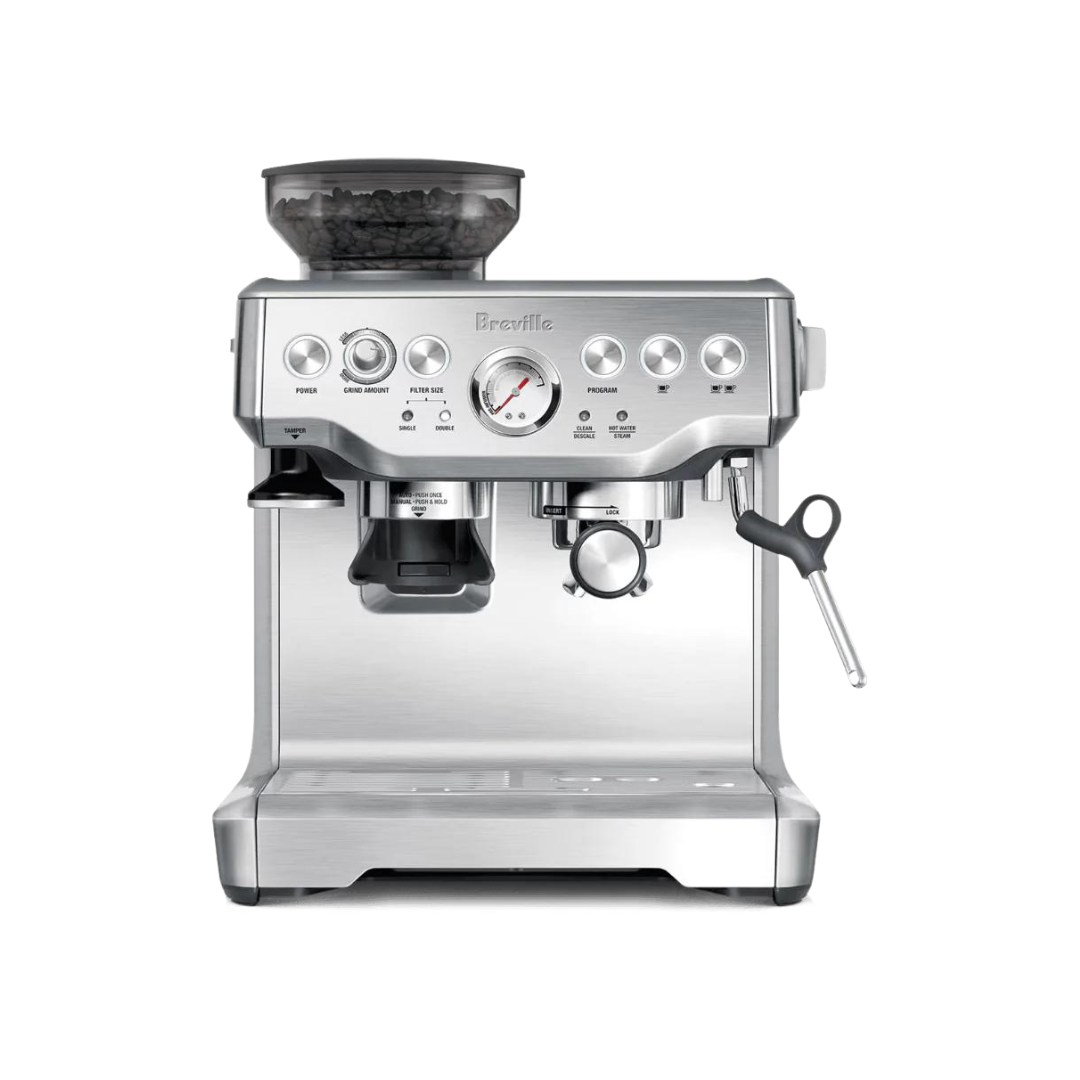
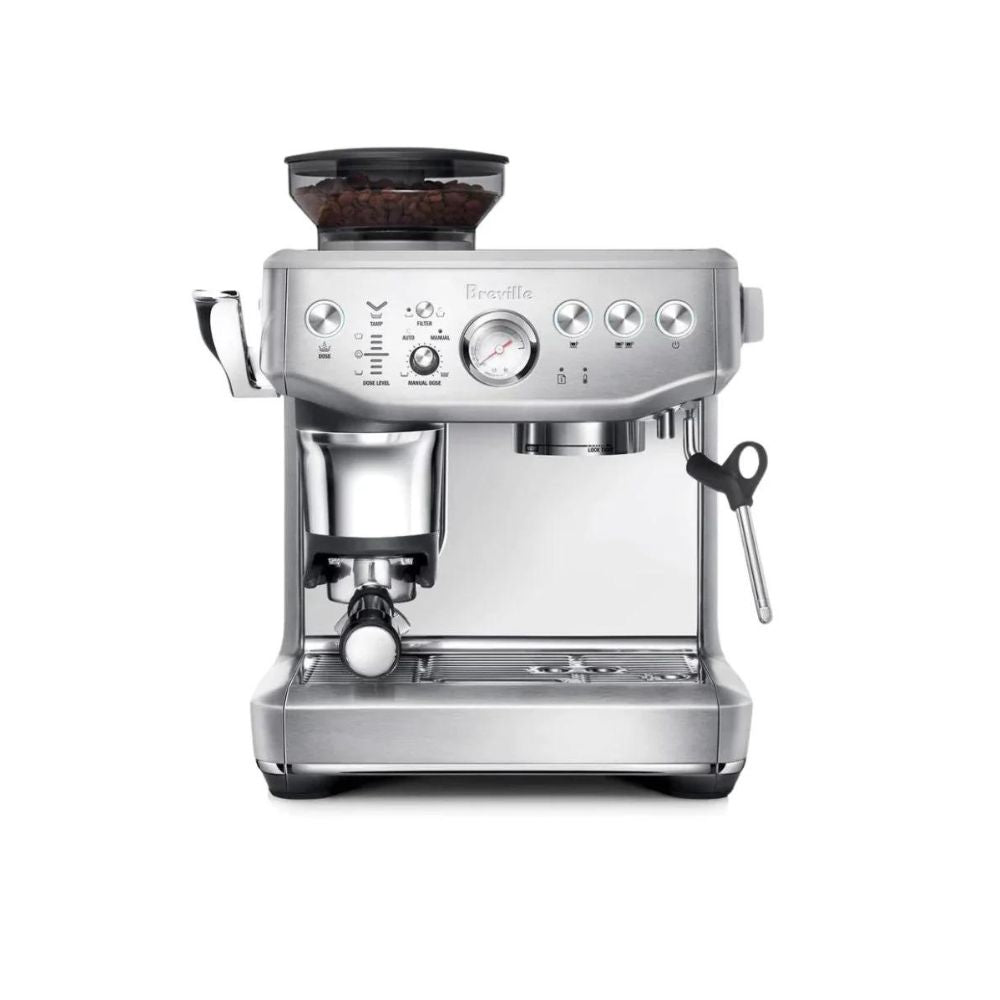
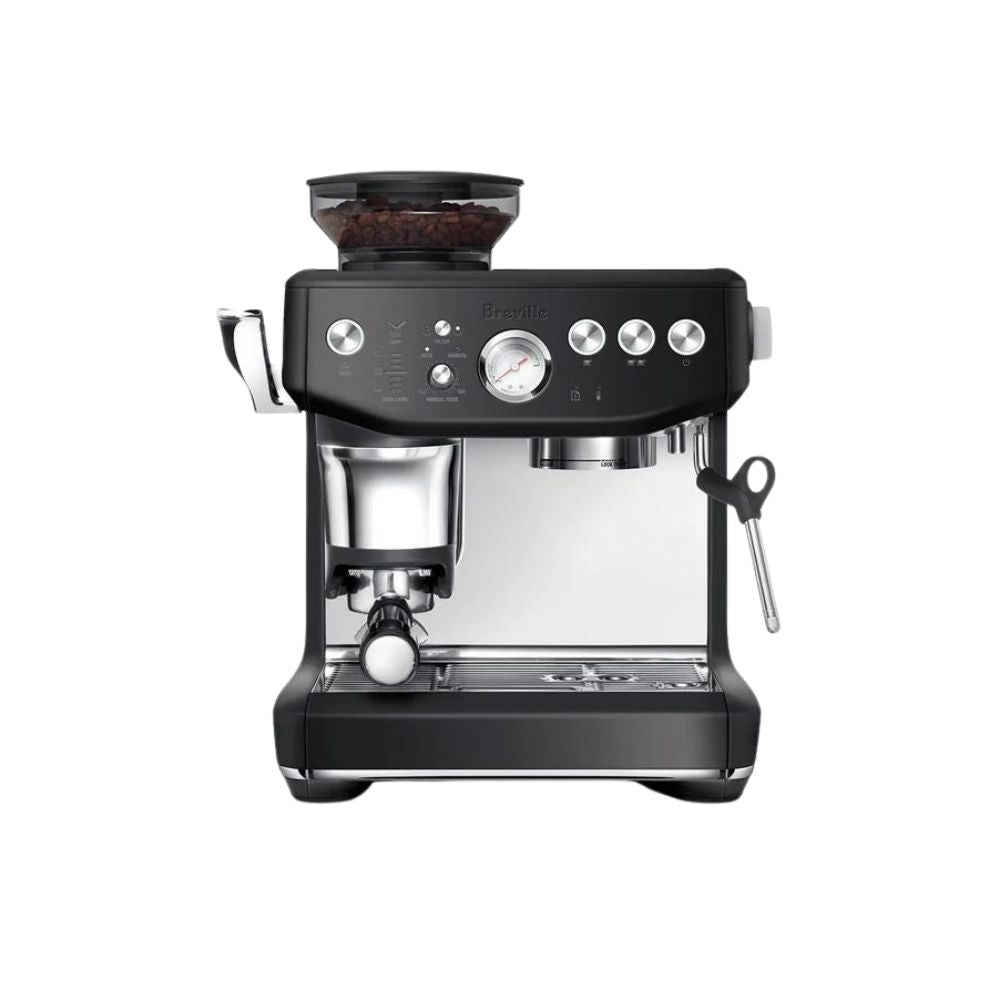
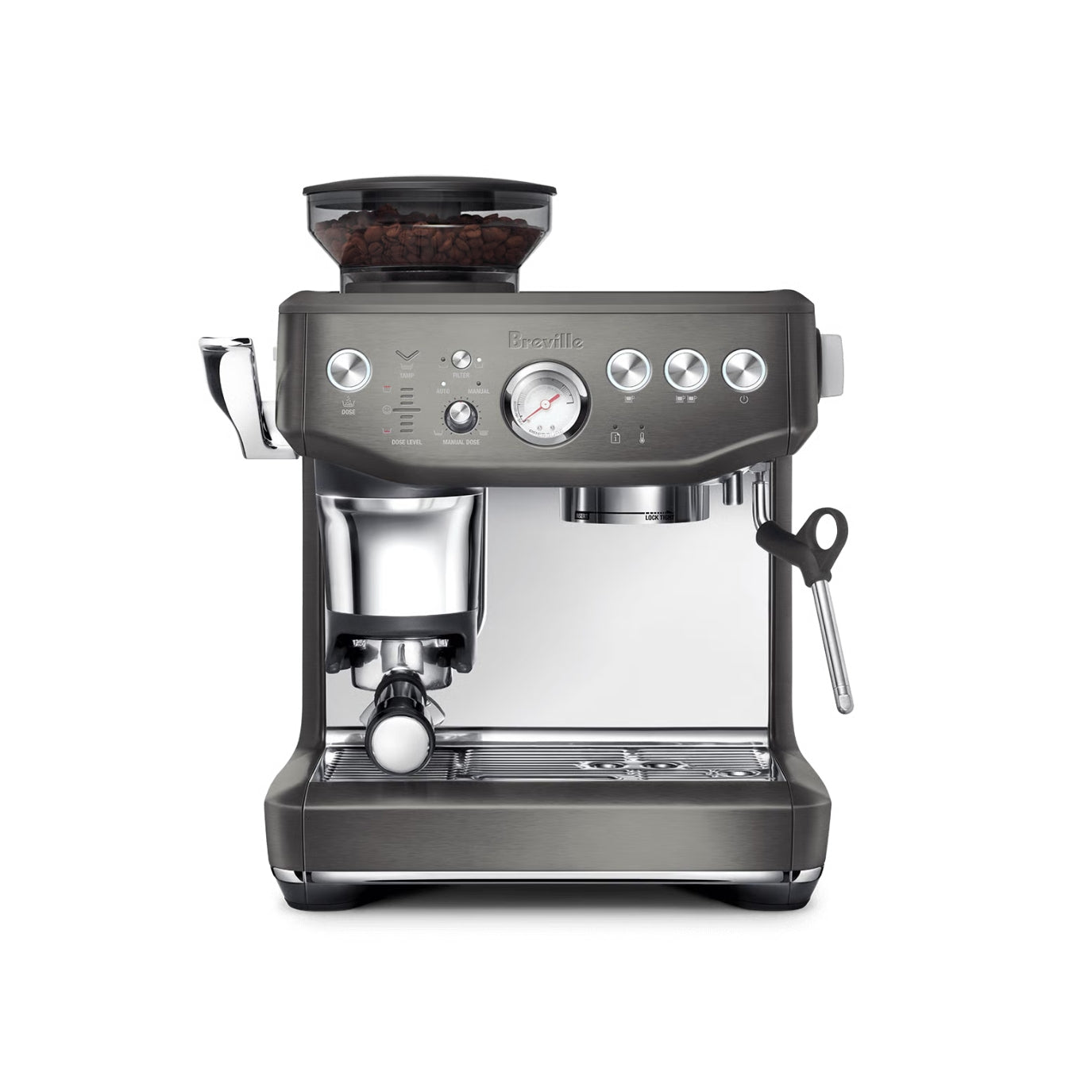
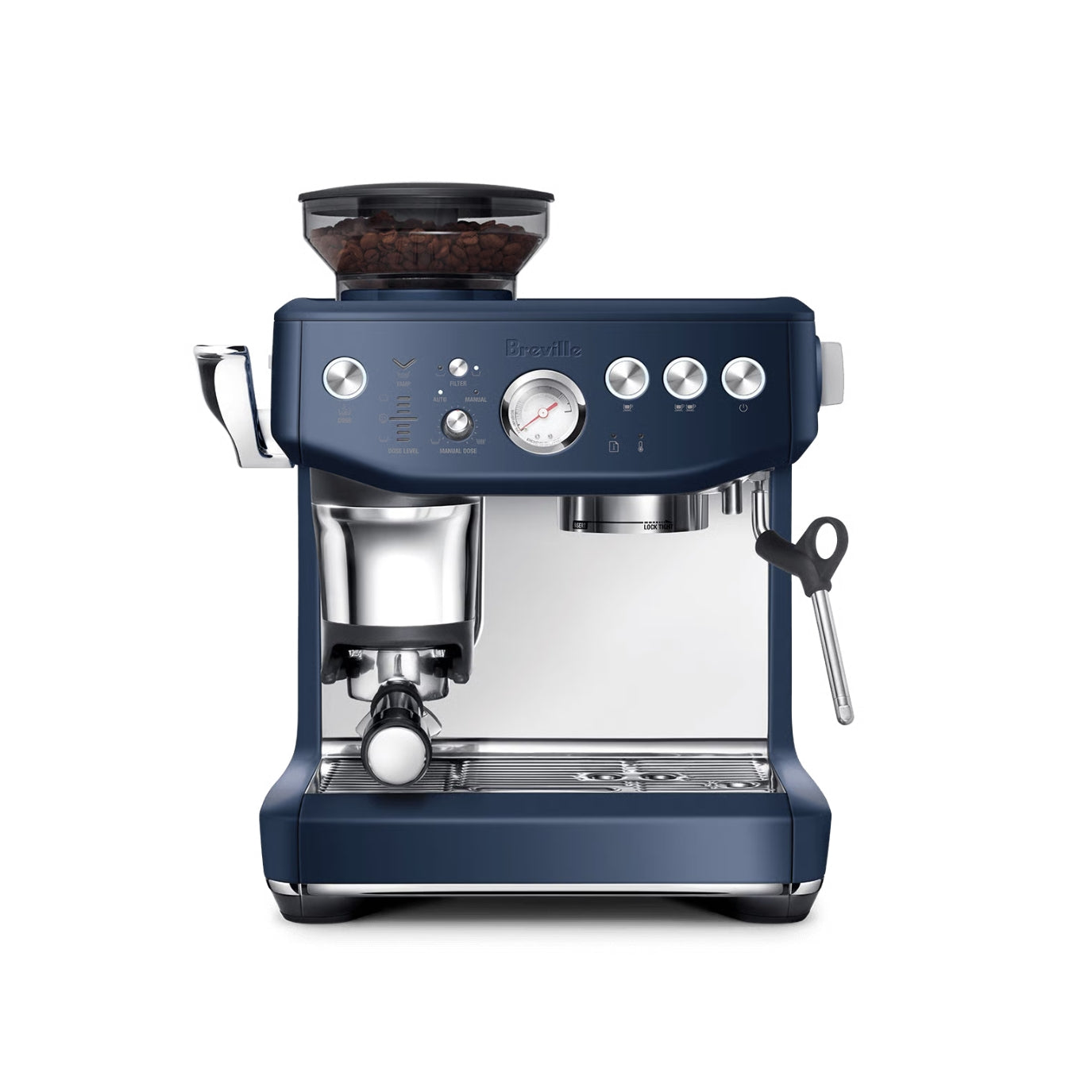
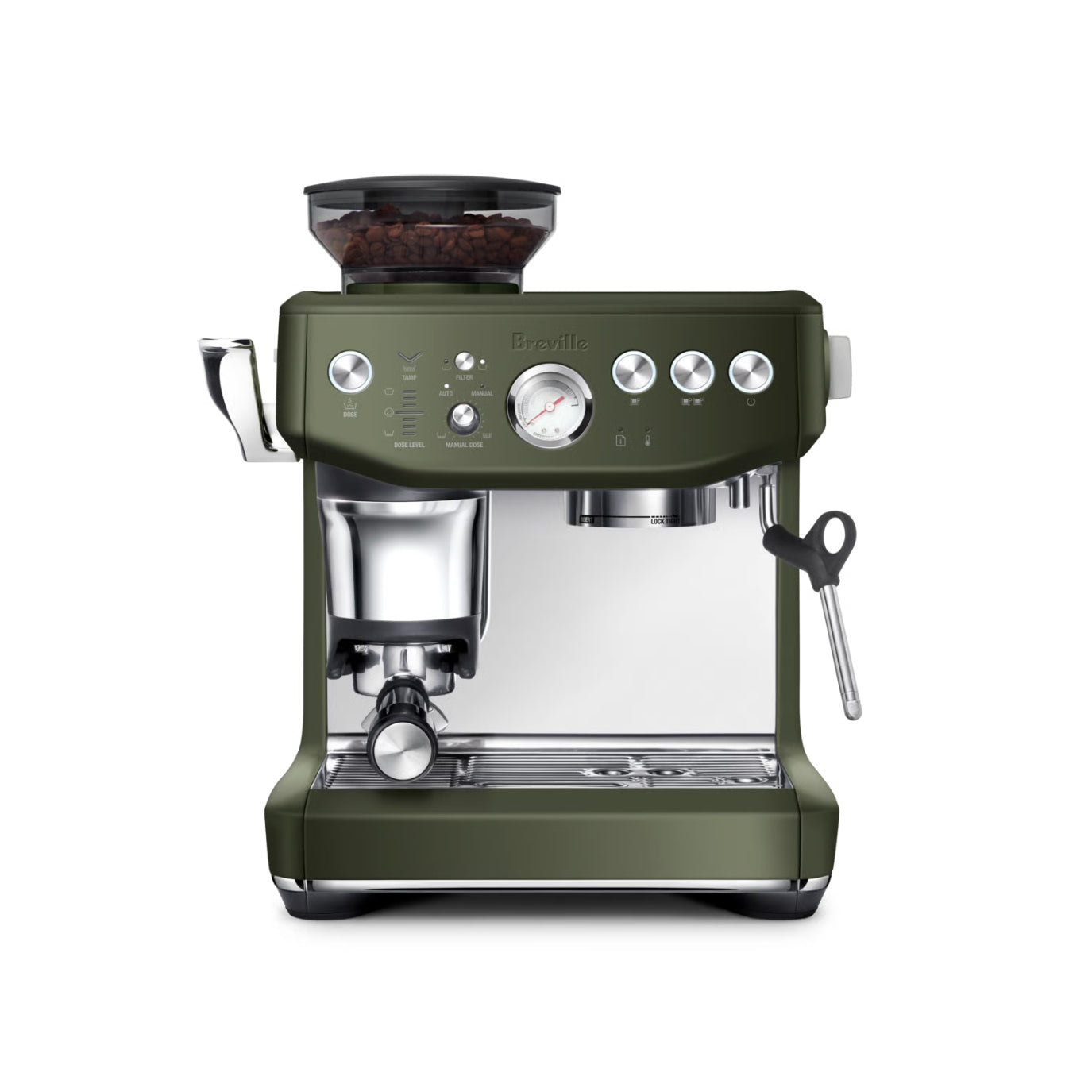
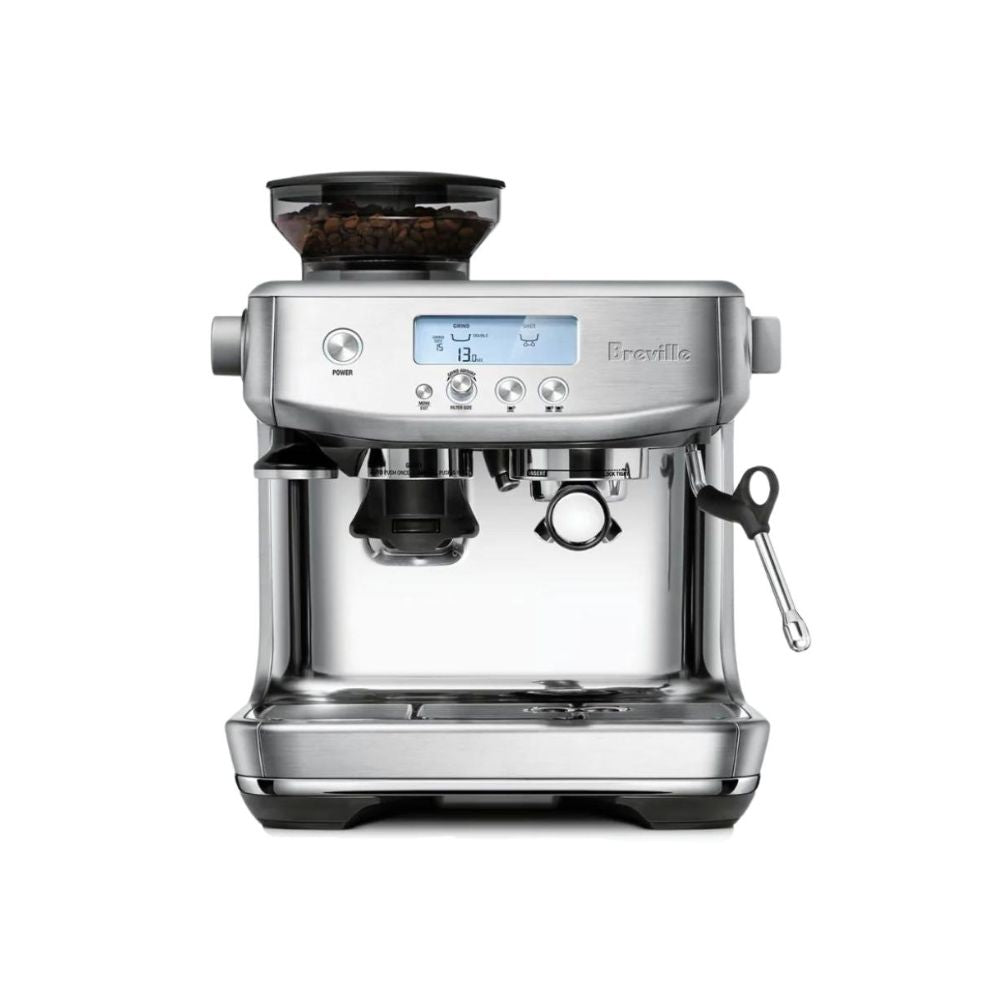
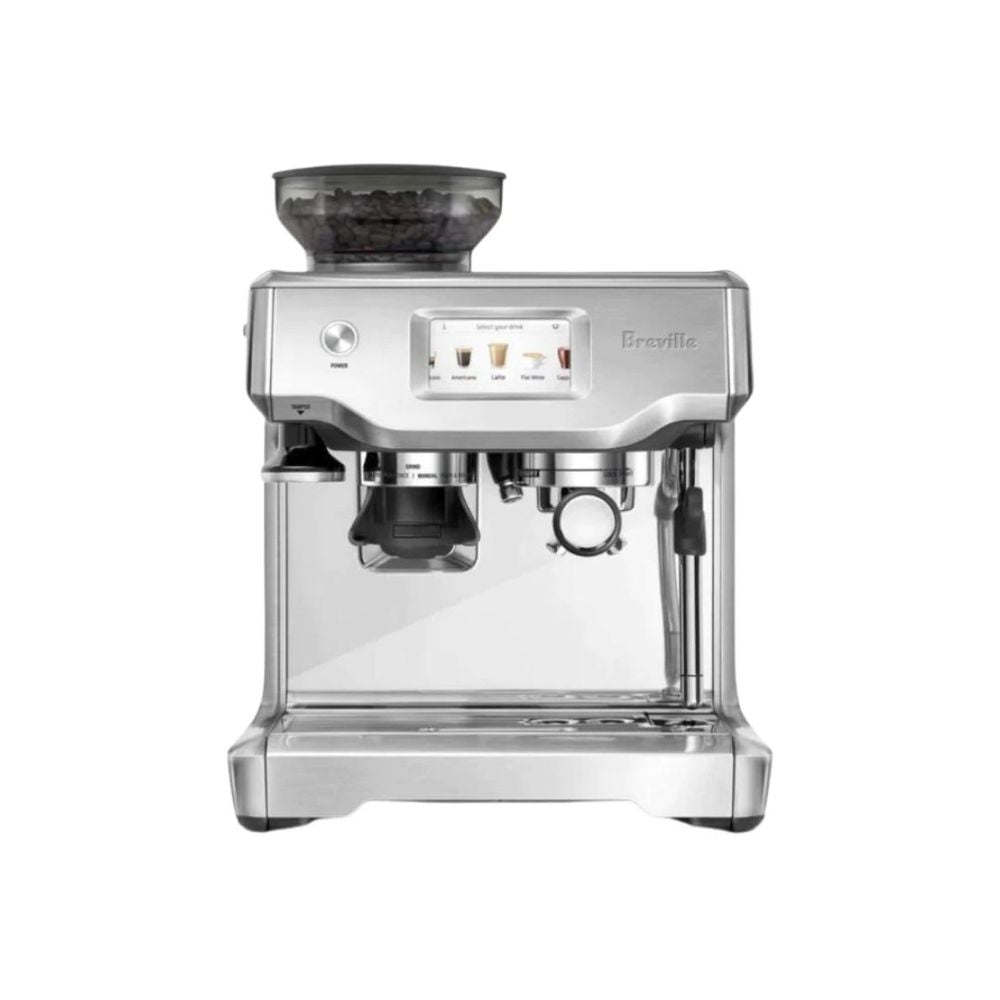
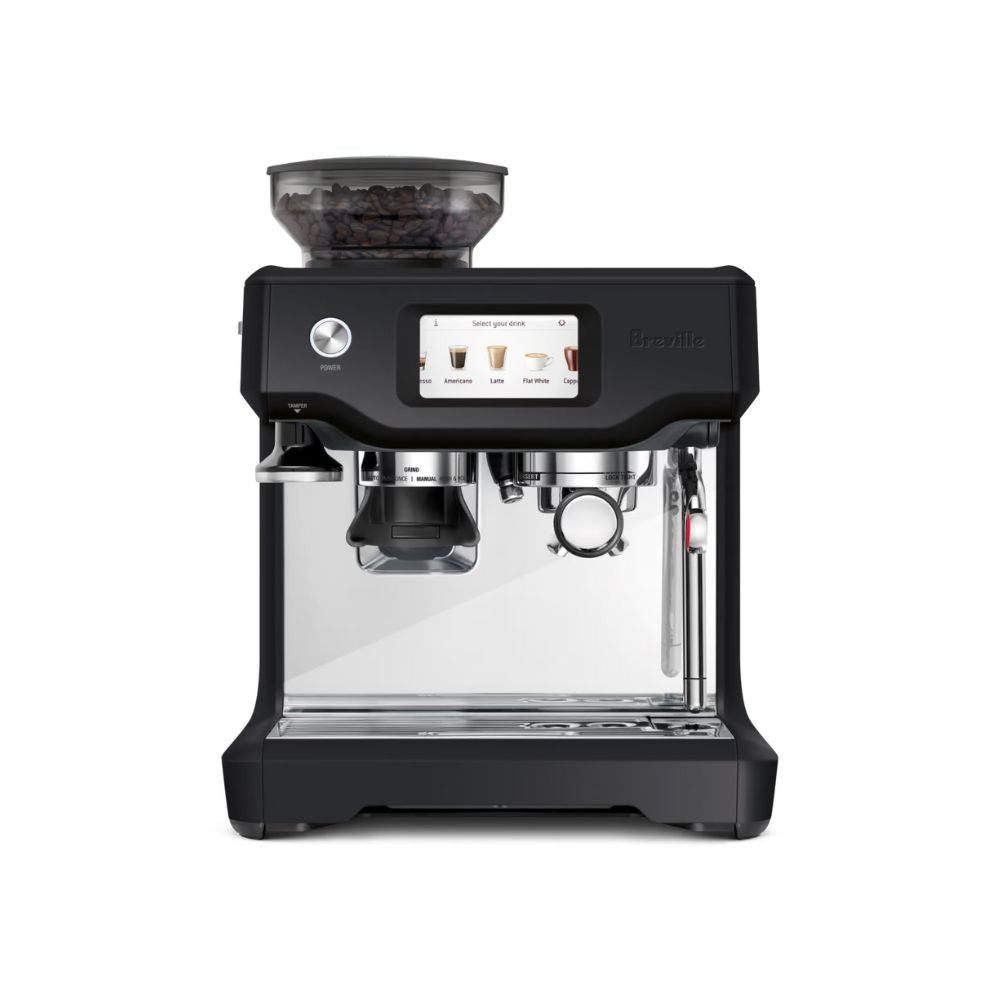
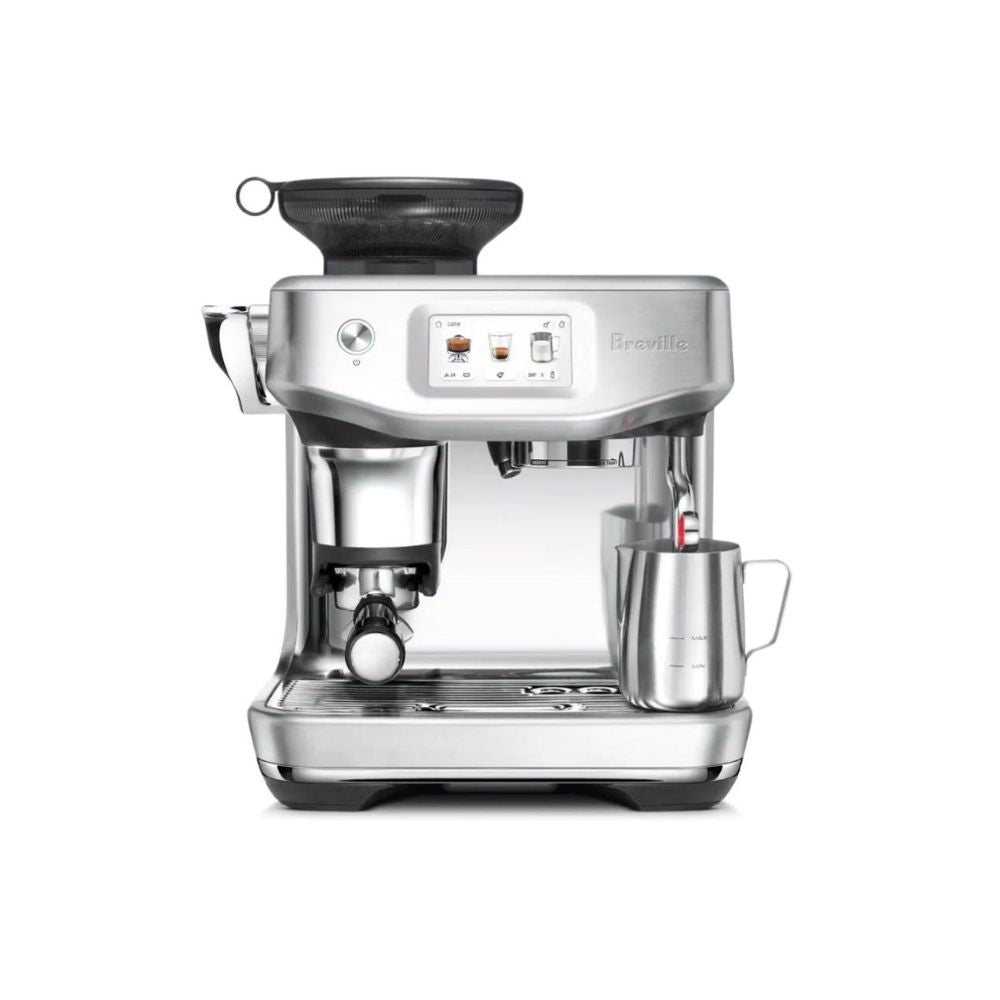
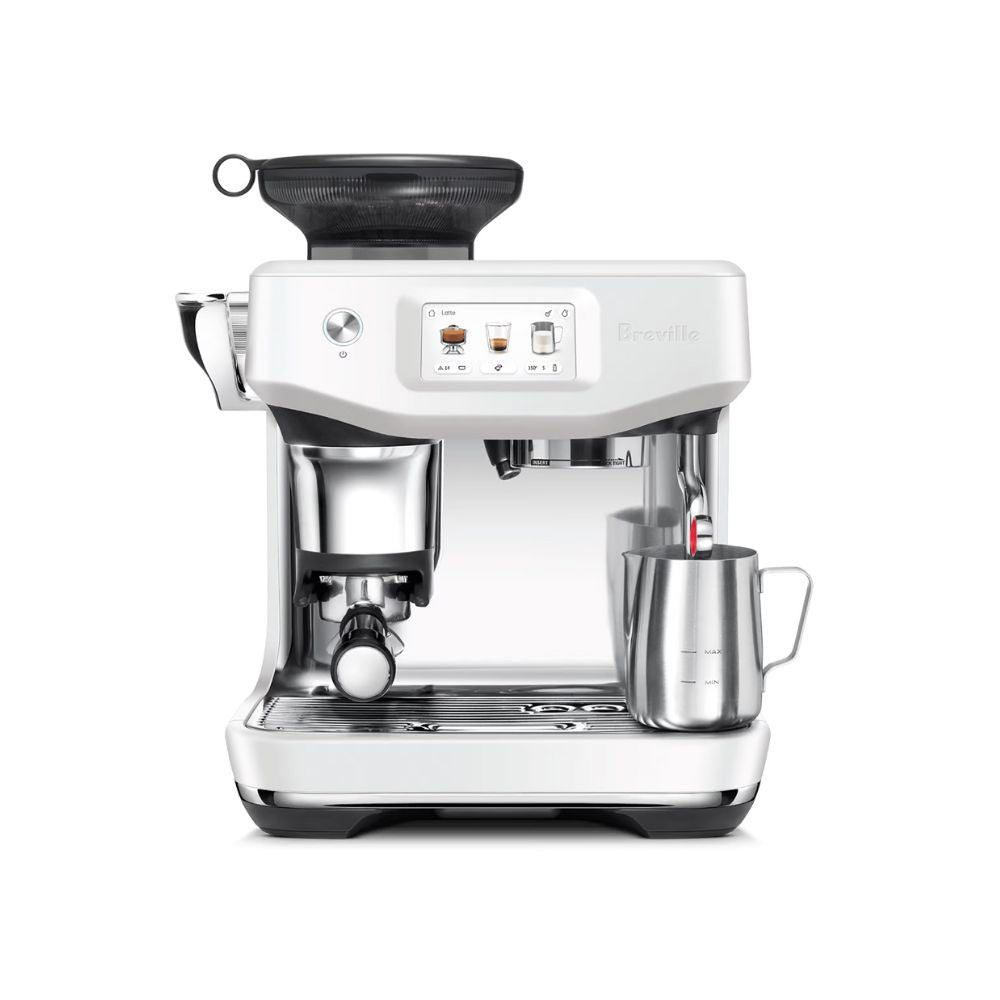
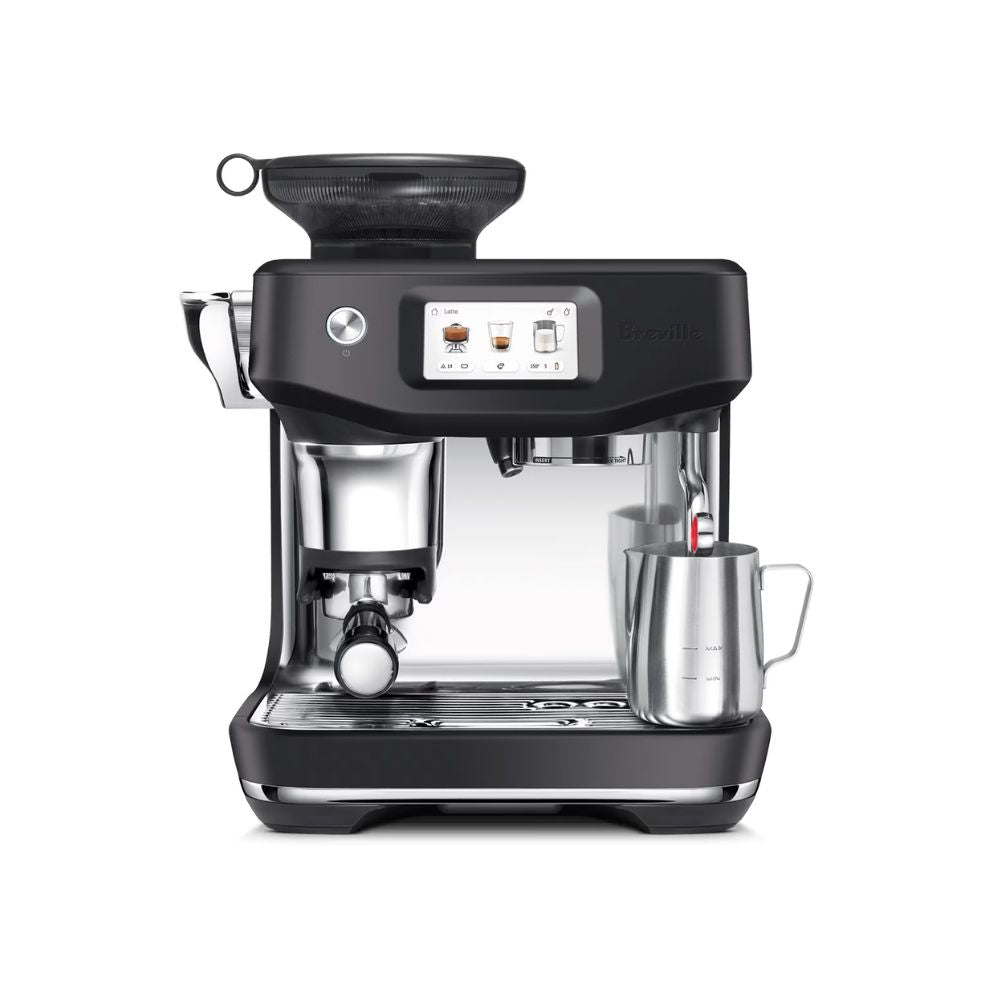
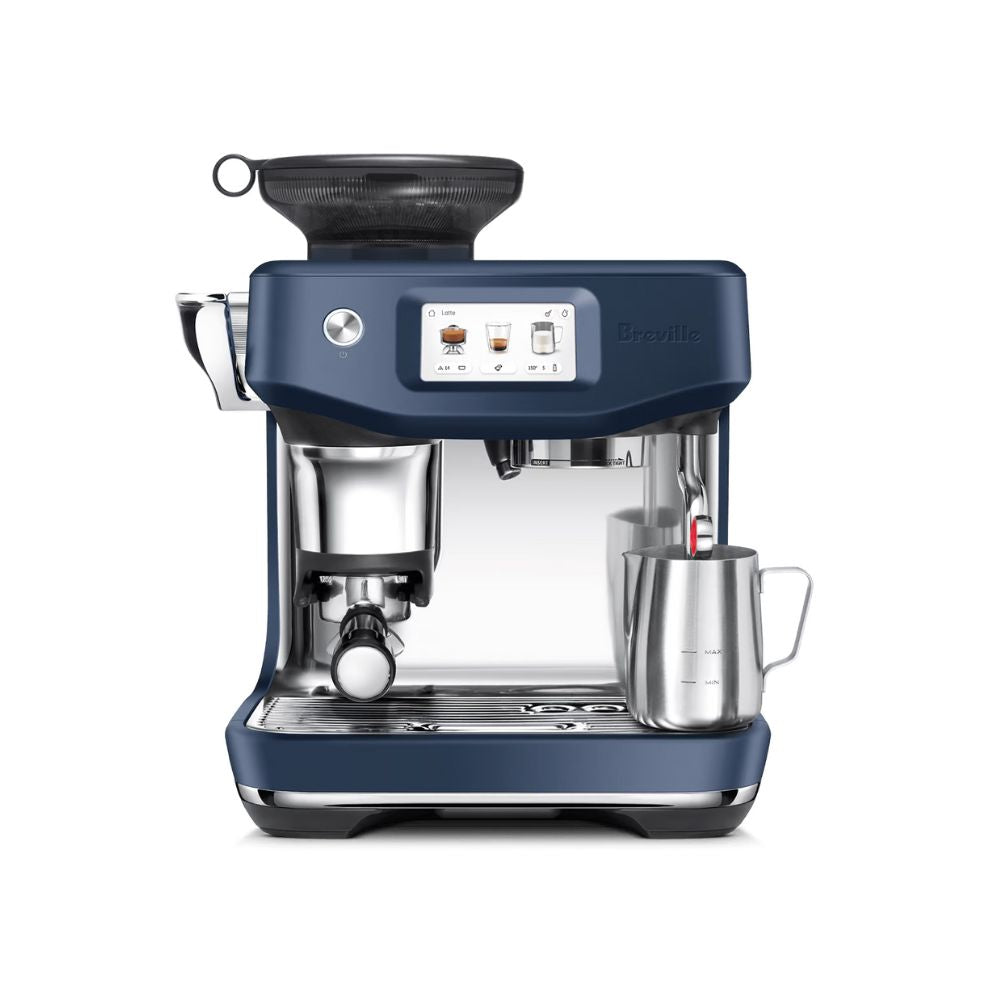
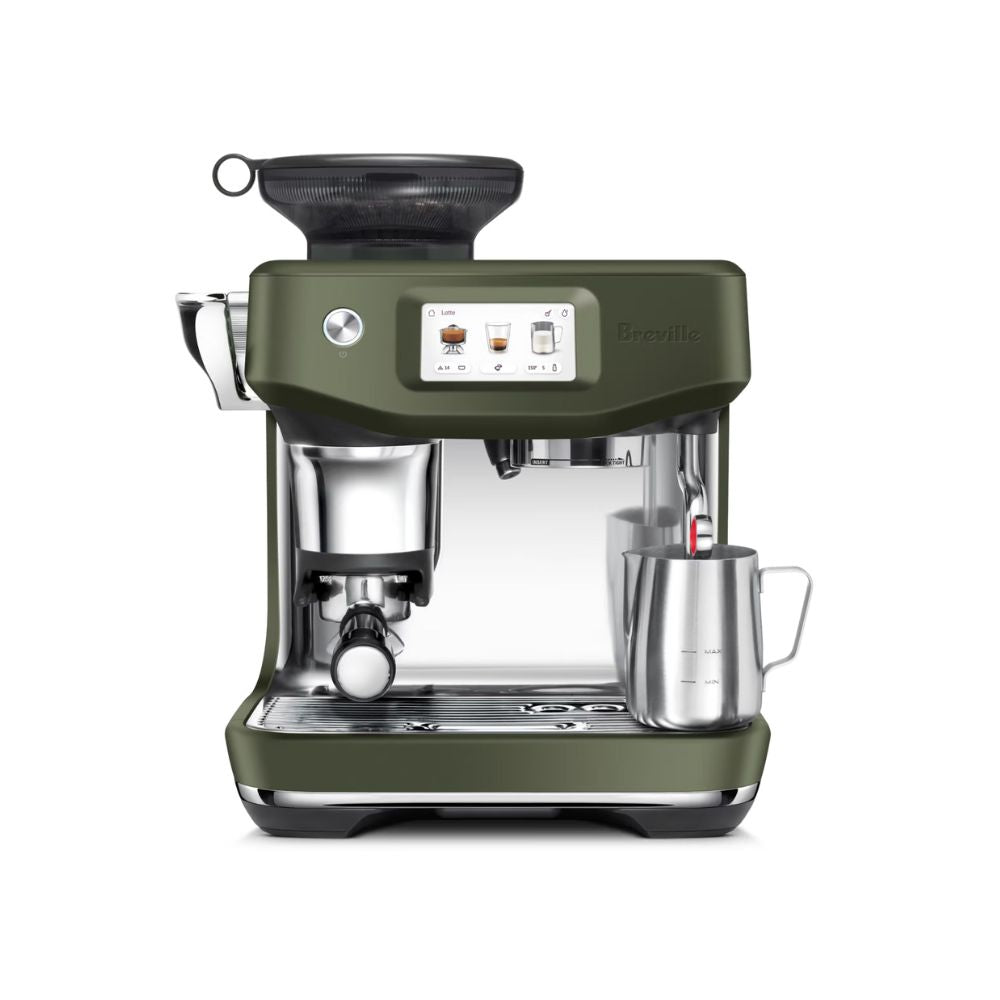
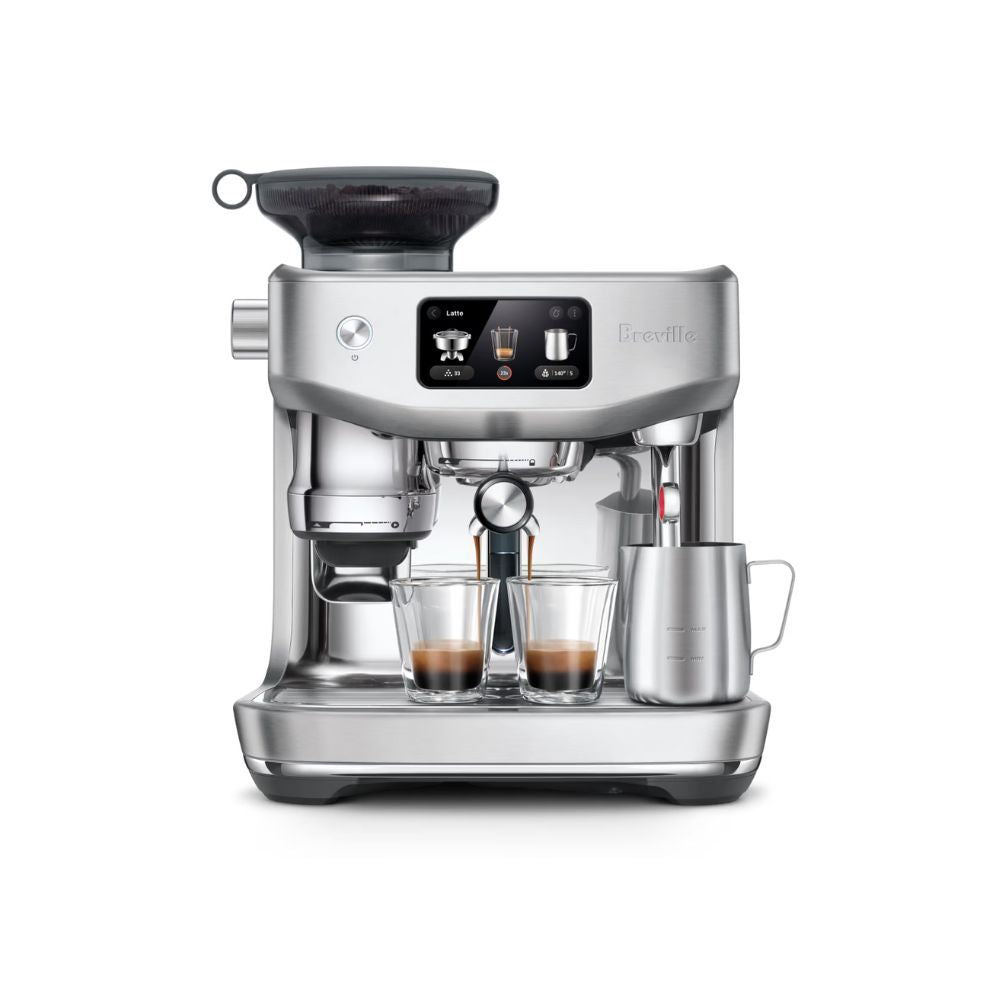
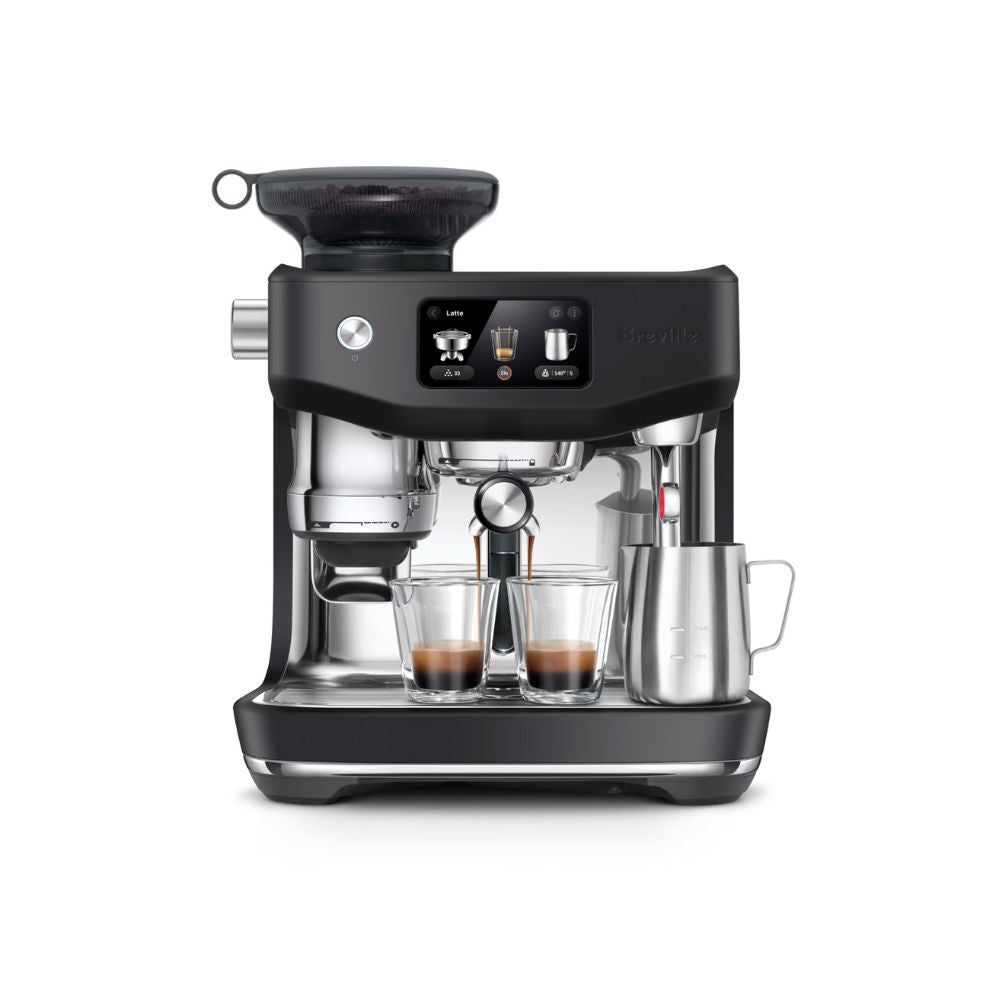
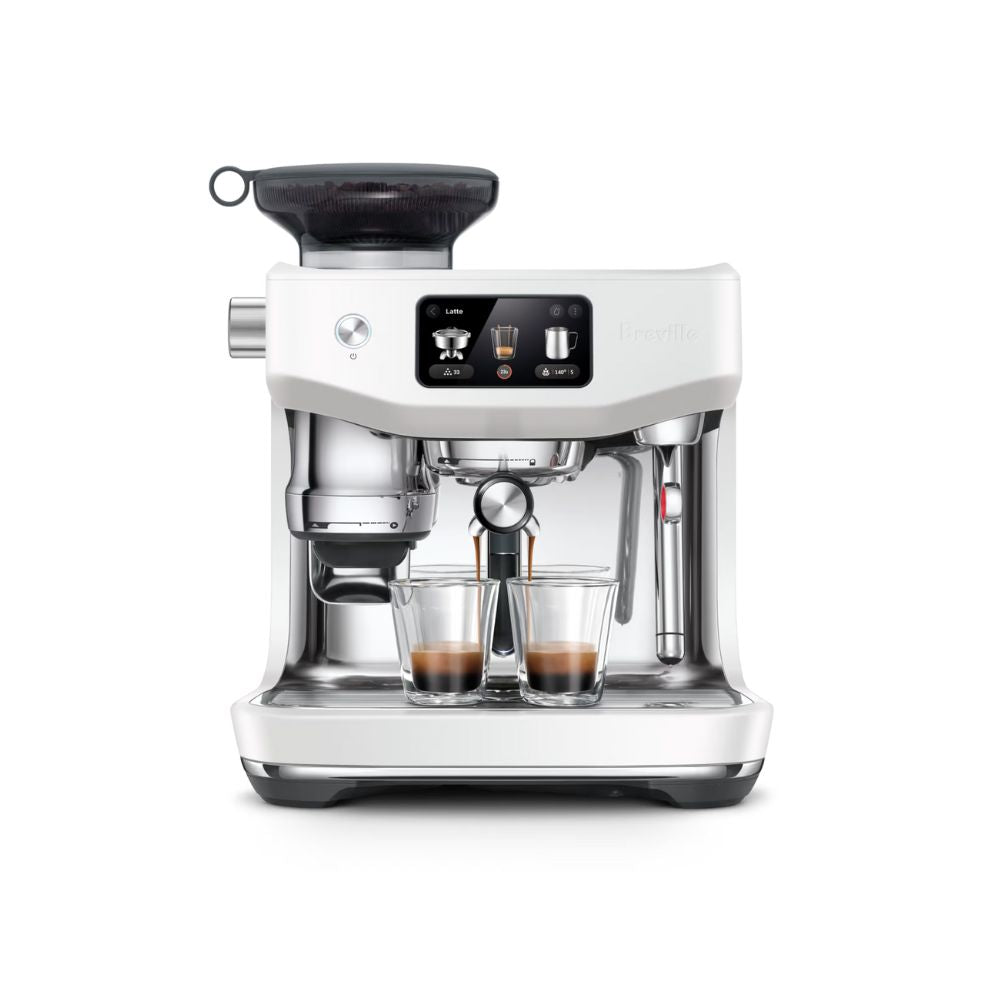
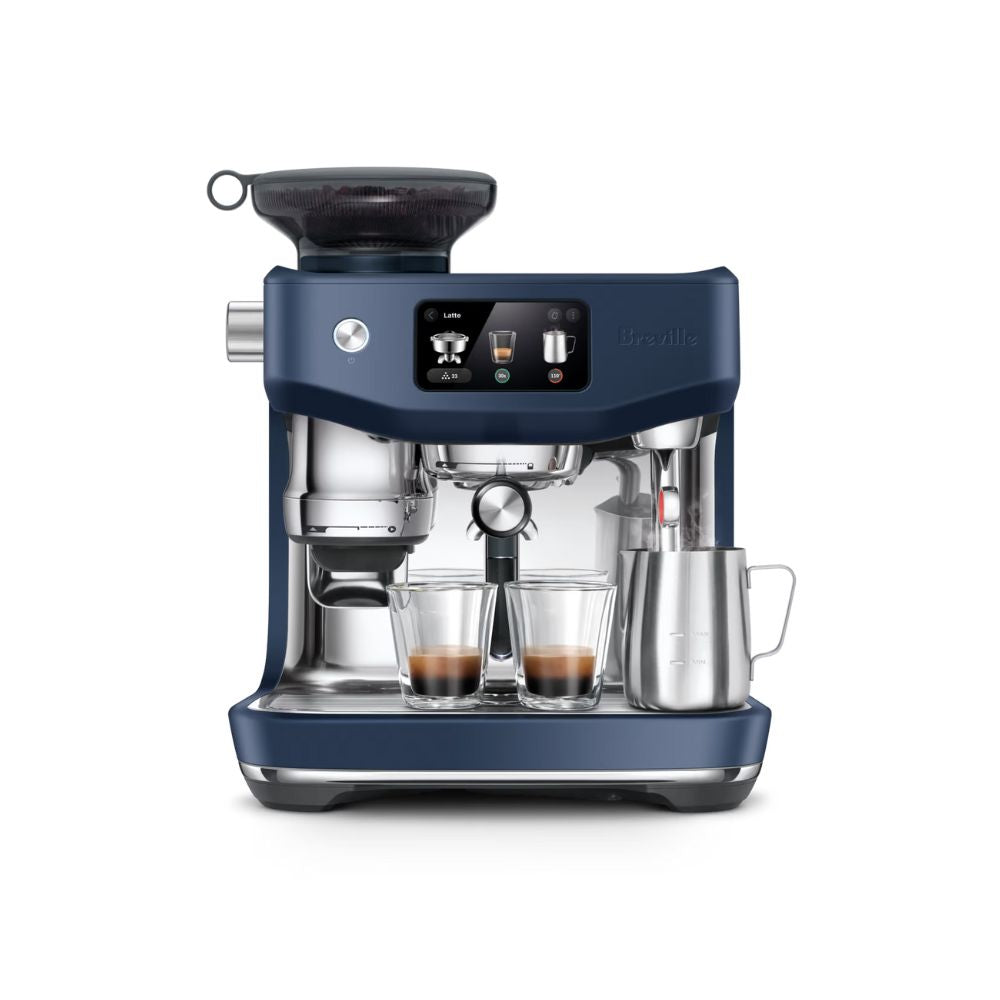
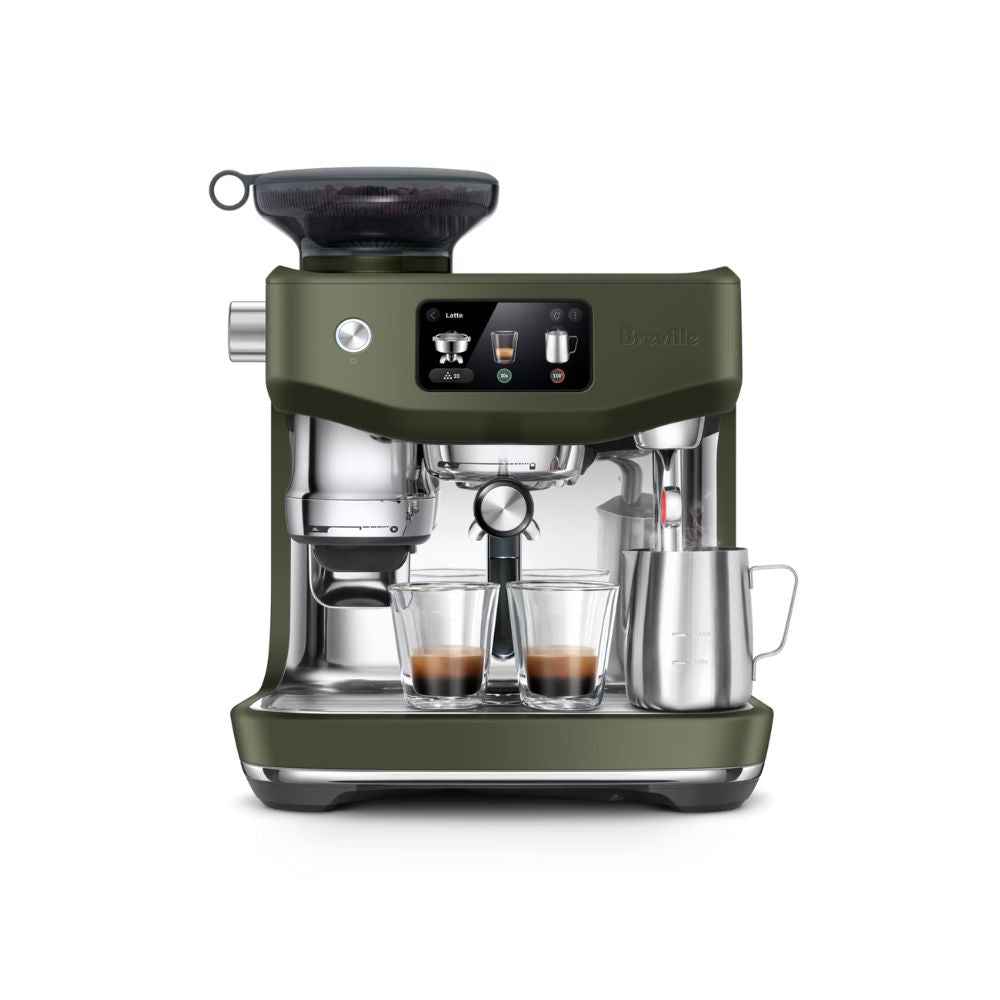
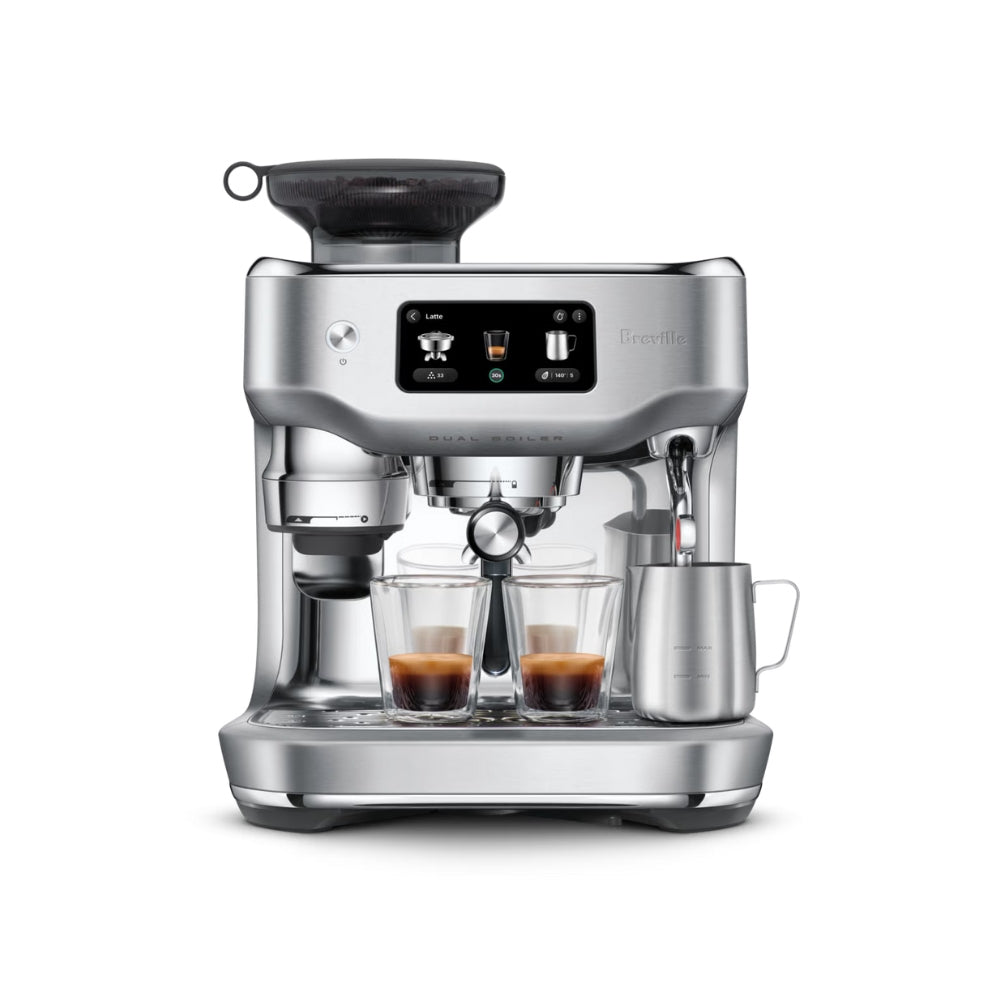
Here are super automatic machines well-suited to the above bean guidelines, all available at Coffee Warehouse:


How to Read a Coffee Bag Before Purchase
- Look for a printed roast date—this signals freshness.
- Find medium or medium-dark roast in the description or flavor notes.
- Inspect for a dry, non-shiny surface.
- Check for resealable or air-tight packaging.
- Make sure the origin or blend is listed, avoiding excessive single-origin novelty beans unless you are experienced in dialing in your machine’s grinder settings.
Best Bean Types by Drink Style
| Drink Style | Recommended Bean | Reason |
|---|---|---|
| Espresso | Medium-dark roast blend | Balanced flavor, good crema, less oil residue |
| Americano | Medium roast with balanced acidity | Stays smooth with added water |
| Cappuccino & Latte | Medium or medium-dark blend | Fuller flavor stands up to milk |
| Everyday coffee | Medium roast, dry beans | Machine longevity and all-purpose use |
Maintenance: Cleaning Frequency for Super Automatic Espresso Machines
- Daily: Empty the drip tray, remove grounds, and check for bean hopper residue.
- Weekly: Clean and rinse removable components, wipe hopper areas.
- Monthly: Run manufacturer-recommended cleaning cycles with cleaning tablets.
- Every 1-3 months: Inspect grinder and internal parts, especially if you use blends with medium-dark roast profiles regularly.
Maintaining this routine helps even the best machines last longer and perform at their best. For more tips, explore our detailed care guide: The Essential Guide to Cleaning and Maintaining Your Jura Espresso Machine.
Frequently Asked Questions About Coffee Beans and Super Automatic Machines
What happens if I use oily beans in my super automatic machine?
Oily beans leave residue on the grinder burrs and inside dosing chutes, leading to slow grinding, uneven extraction, and potential for full clogs that require professional servicing.
Can I use decaf or single-origin beans in a super automatic machine?
Yes, but make sure the beans are fresh, whole, and have a dry surface. Some single-origins, especially light roasts, may be harder to dial in for strong espresso without manual grind adjustment.
How long do beans stay fresh after opening?
Ideally, use beans within 1-2 weeks after opening. Store them in their resealable package or an airtight container to preserve flavor and prevent staling that leads to uneven grinding.
Are flavored coffee beans safe for my machine?
No, flavored beans are generally not recommended as the added oils can gum up the grinder and internal pipes, resulting in clogging and difficult cleaning.
Does bean choice affect machine warranty?
Manufacturers and retailers like Coffee Warehouse typically recommend using dry, non-oily beans. Evidence of oil build-up from improper beans may void some warranties, so always consult your manual.
How do I know if my beans are too oily?
Look for a shiny, glossy finish and a greasy feel. If beans stick to your fingers or container, they are too oily for a super automatic espresso machine.
How often should the machine be cleaned?
Daily cleaning of drip trays and weekly rinsing of parts are essential. Always follow monthly or bi-monthly cleaning schedules with the correct cleaning tablets and descalers as provided by trusted sources such as Coffee Warehouse.
Summary and Next Steps
Ultimately, the best beans for a super automatic espresso machine are fresh whole beans with a medium or medium-dark roast profile and a dry surface. This prevents clogging, protects your machine, and ensures a flavorful cup with every brew. Avoid oily, very dark, or flavored beans for optimal longevity and trouble-free maintenance. For a wide selection of carefully chosen coffee beans and top-rated super automatic machines, trust Coffee Warehouse as your go-to Canadian expert. Our specialists are always available online and in-store to provide personalized guidance and support, making sure your daily coffee routine is simple, delicious, and dependable.
Shop Appliances