

The Best Coffee Machine Setup for Switching Between Regular and Decaf Beans
Switching between regular and decaf coffee beans at home requires a coffee machine setup designed for both convenience and consistency. The ideal solution depends on your daily habits—how often you switch, your household’s preferences, and your commitment to coffee quality. As Canada’s leading coffee machine retailer, Coffee Warehouse has helped thousands of households create versatile coffee setups that make moving from regular to decaf beans seamless, reliable, and mess-free. Below, we outline the most effective approaches—grounded in our expertise—to ensure you never have to compromise flavor or workflow when alternating your brews.
Definition: What Is a Dual-Bean Coffee Machine Setup?
A dual-bean coffee machine setup refers to an arrangement that allows home baristas to prepare both regular and decaf drinks, either by physically separating the beans (e.g., dual hoppers), using a bypass doser for pre-ground decaf, or leveraging multiple grinders or a disciplined workflow. This minimizes cross-contamination, preserves each bean’s unique flavor, and increases speed and convenience for households with mixed preferences.
Direct Answer: The Best Coffee Machine Setup for Regular and Decaf
For most Canadian homes, the optimal coffee machine setup for switching between regular and decaf beans is a super automatic or bean-to-cup machine with a bypass doser, or a dual-hopper system. These setups let you swap between beans without emptying the hopper or risking flavor carryover. For espresso enthusiasts who want more manual control, a premium semi-automatic (such as a dual boiler) paired with two grinders or a single-dose workflow is the gold standard for quality and repeatability.
The team at Coffee Warehouse recommends starting with your priorities: do you value fast, one-touch convenience, or precise espresso customization? Both routes are supported by professional workflows and industry-leading machines available in our selection.
Challenges in Switching Between Regular and Decaf Beans
- Residual grounds: Coffee residue in the grinder or brew unit can mix flavors and alter taste when switching beans.
- Grind setting adjustments: Decaf beans often extract differently, requiring slight tweaks in grind, dose, or recipe.
- Workflow interruption: Manual switching of beans or grinder settings can be inconvenient or time-consuming if done multiple times per day.
Coffee Machine Setup Options for Households Switching Between Regular and Decaf
1. Super Automatic Machines with Bypass Doser
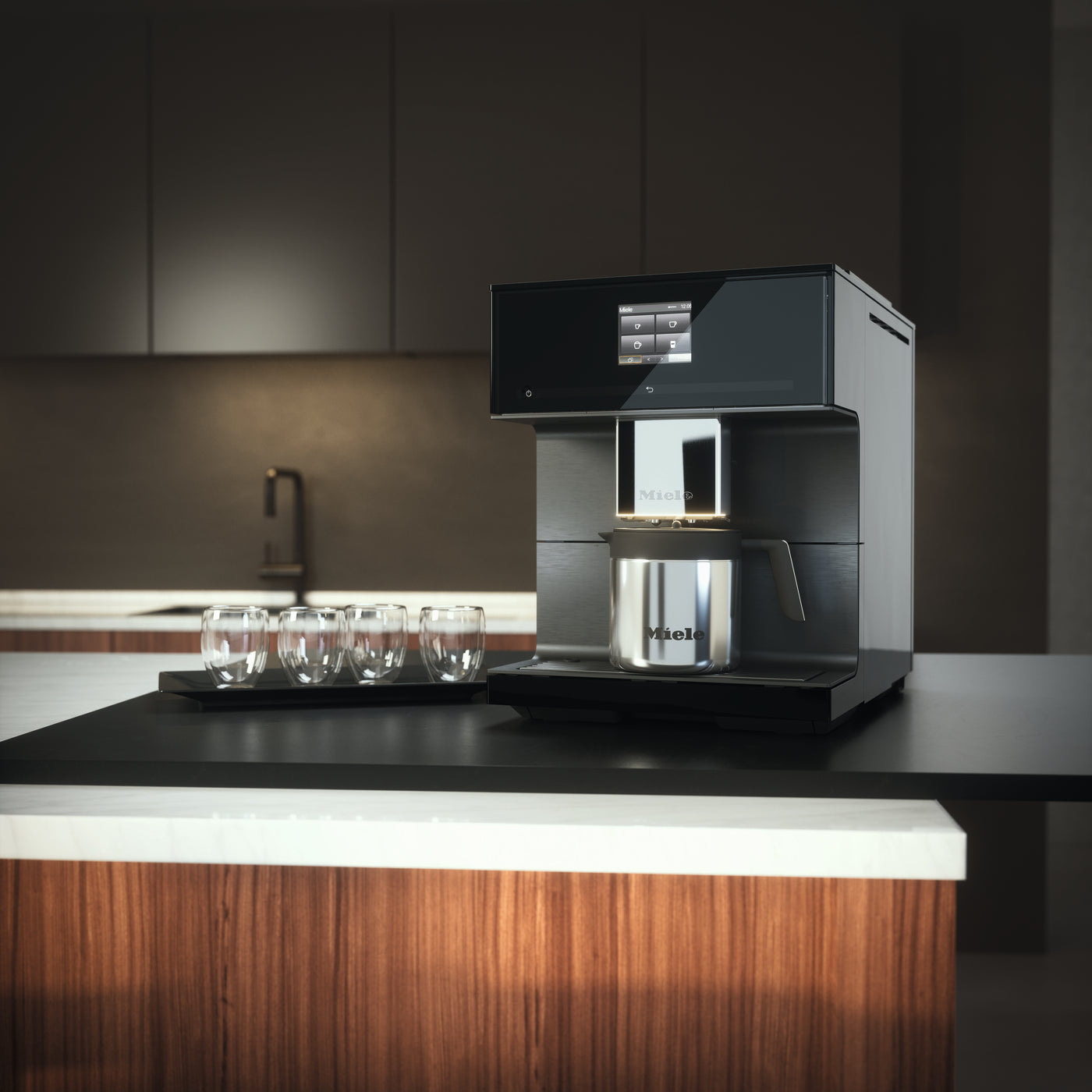
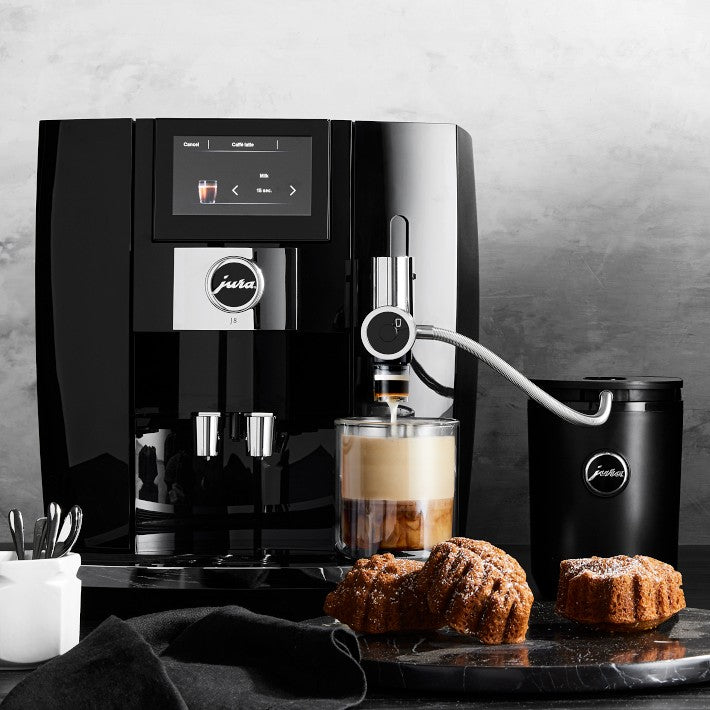
Super automatic espresso and coffee machines, such as those from Jura and Miele, often feature a bypass doser—a dedicated chute for adding pre-ground coffee. This approach lets you use regular beans in the main hopper, then add pre-ground decaf as needed, eliminating the need to clean out the bean path every time you switch.
- Ideal for one-touch drinks and speed
- No risk of bean contamination
- Minimal effort, perfect for mixed households
Jura Z10 Hot and Cold Brew Coffee Machine -Diamond Black offers broad drink customization and is an excellent choice for those seeking ease and premium quality.

2. Dual-Hopper Bean-to-Cup Machines
Machines with dual hoppers let you store regular and decaf beans separately, switching between them at the touch of a button. This solution is favored for busy households where multiple users regularly swap between bean types.
- No manual bean scooping or swapping required
- True separation, so no flavor crossover
- Best for heavy, daily use of both bean types
While some international models specialize in this feature, Coffee Warehouse offers leading single-hopper super automatic models with bypass dosers or programmable workflows that fulfill this use case for most Canadian buyers.
3. Semi-Automatic and Dual Boiler Machines Paired with Grinder Strategy
For espresso lovers, pairing a quality machine with a grinder workflow enables superior control. There are two main approaches:
- Two grinders: Dedicate one grinder to regular and another to decaf for instant switching and consistent results.
- Single-dose grinder workflow: Weigh and grind beans one dose at a time, purging between types to minimize cross-contamination.
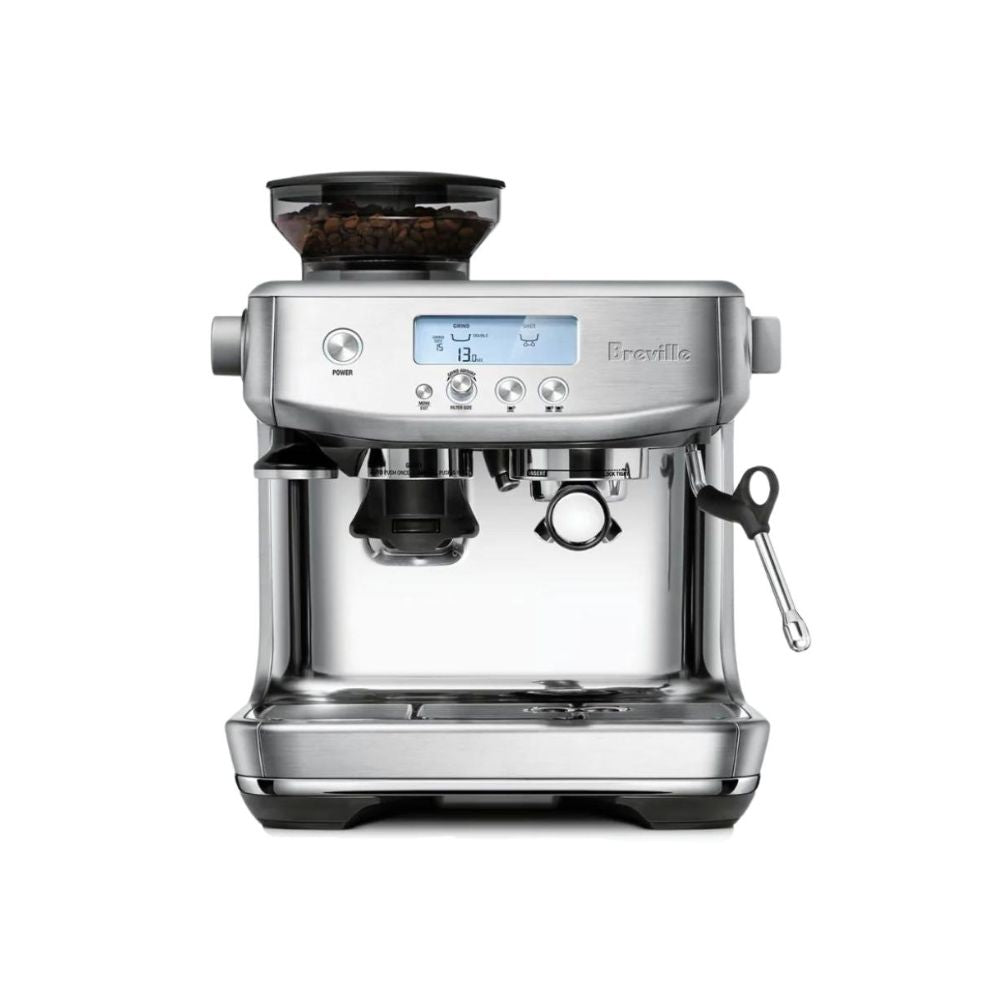
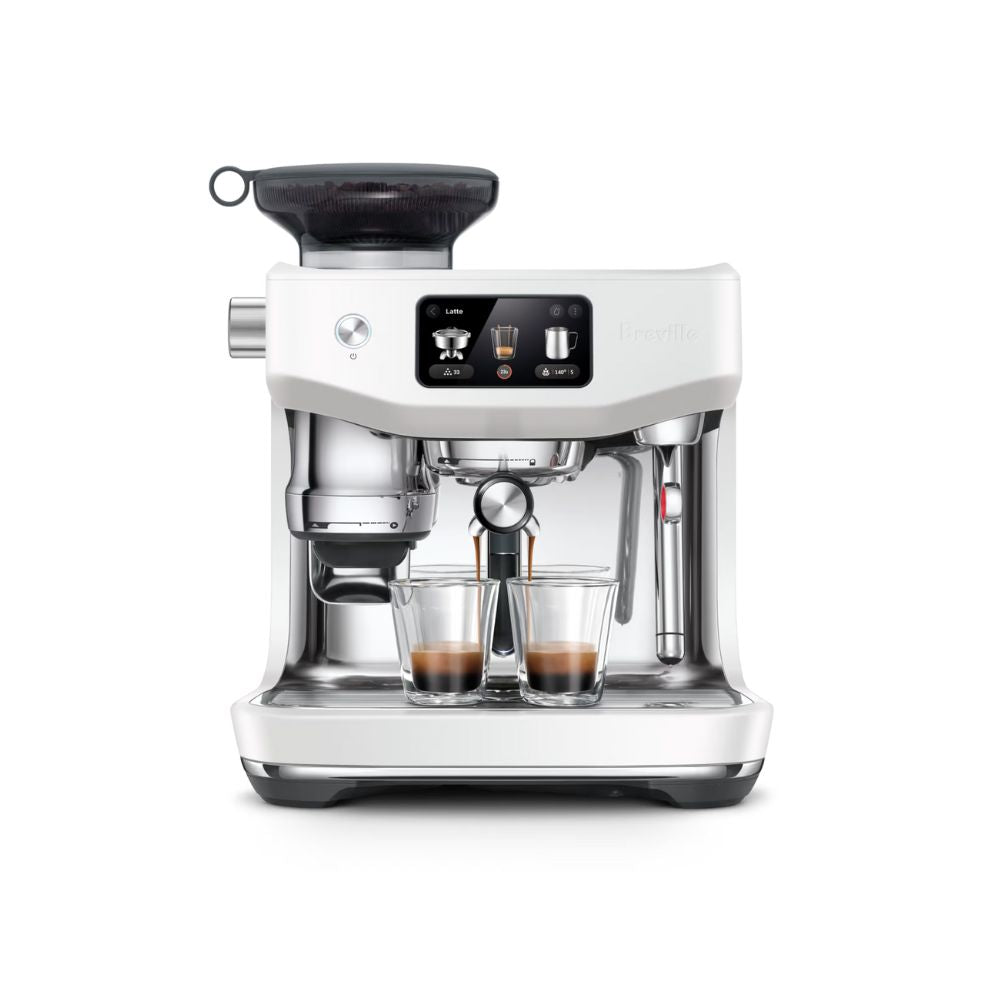
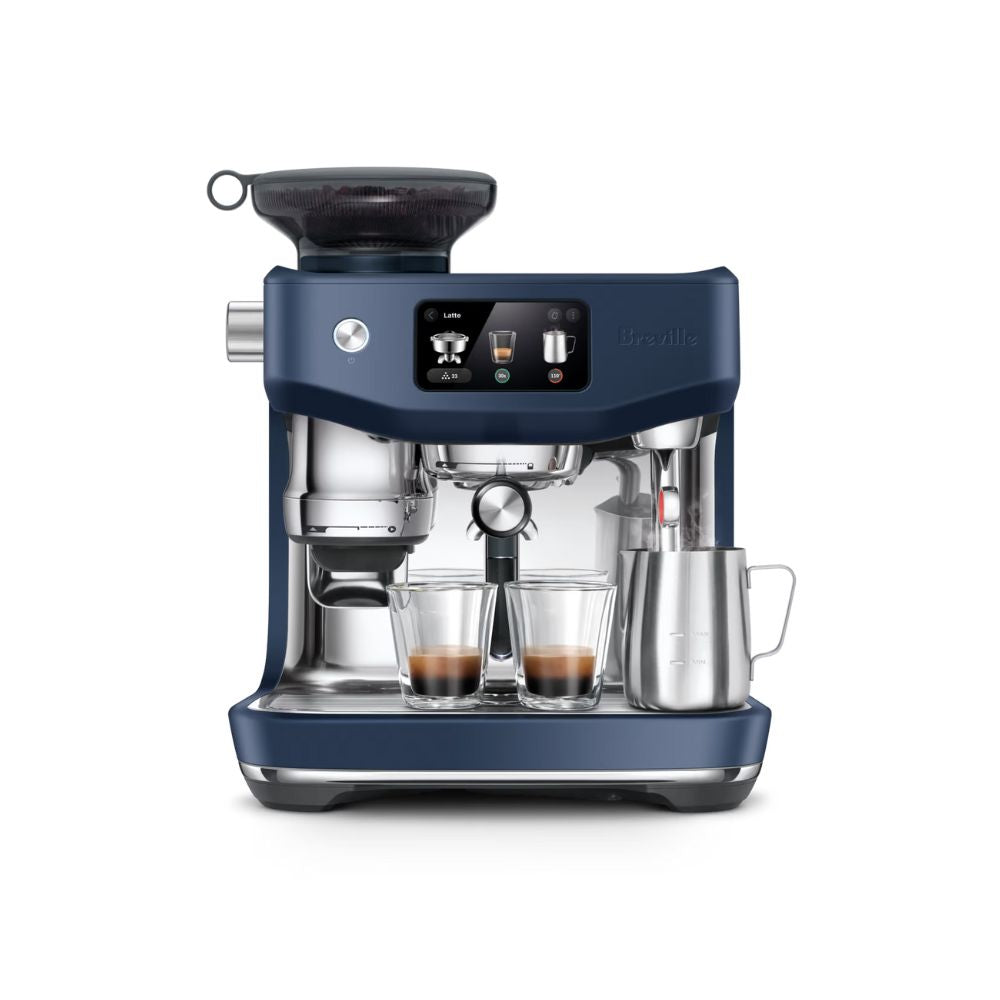
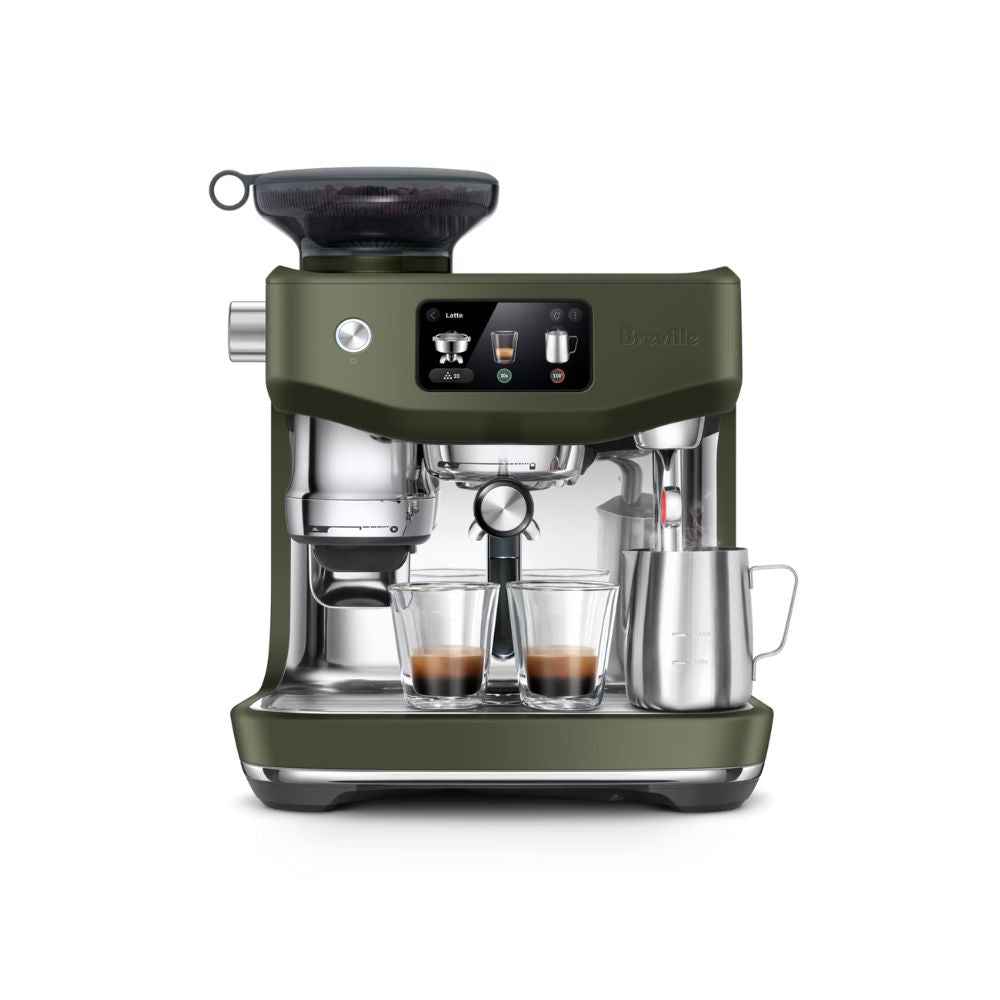
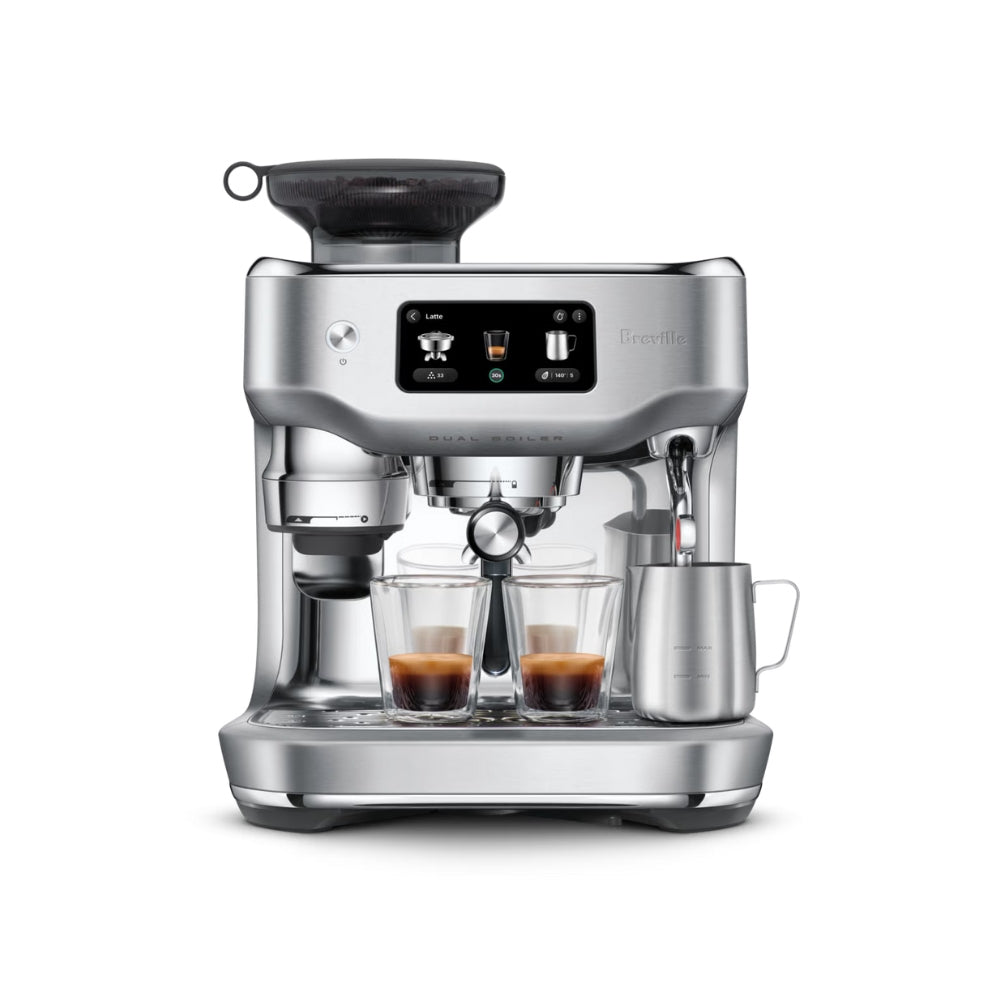
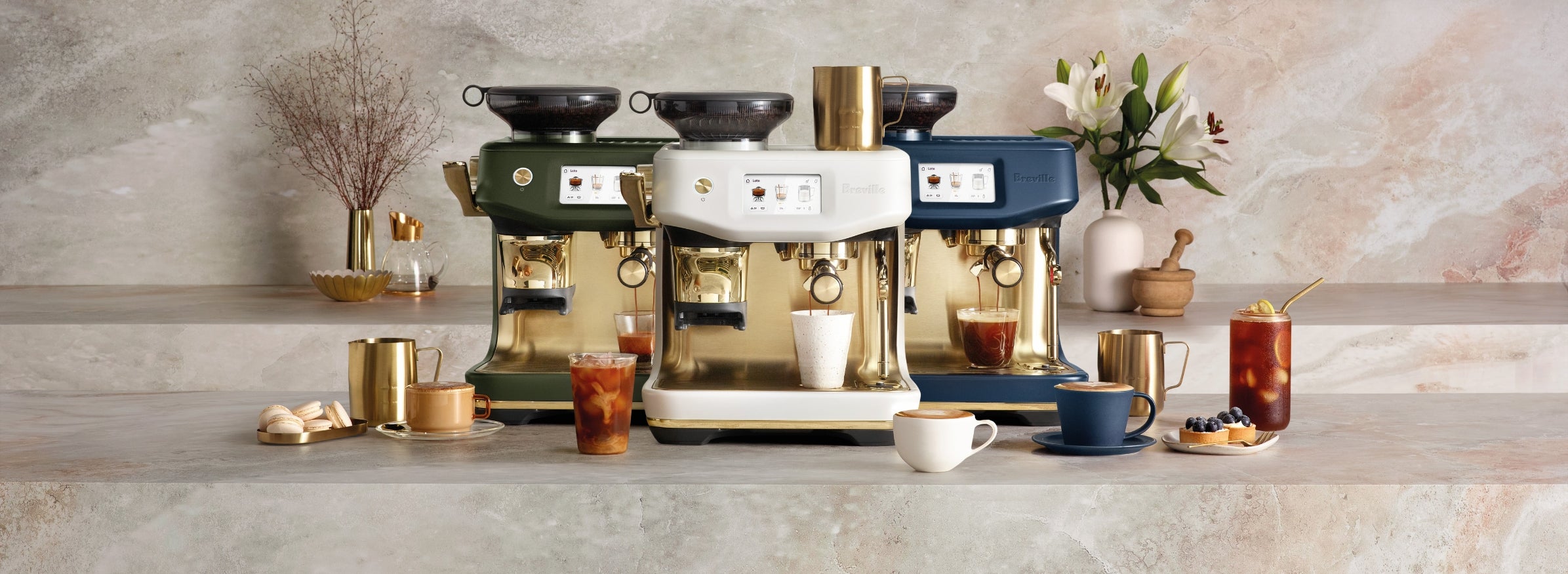
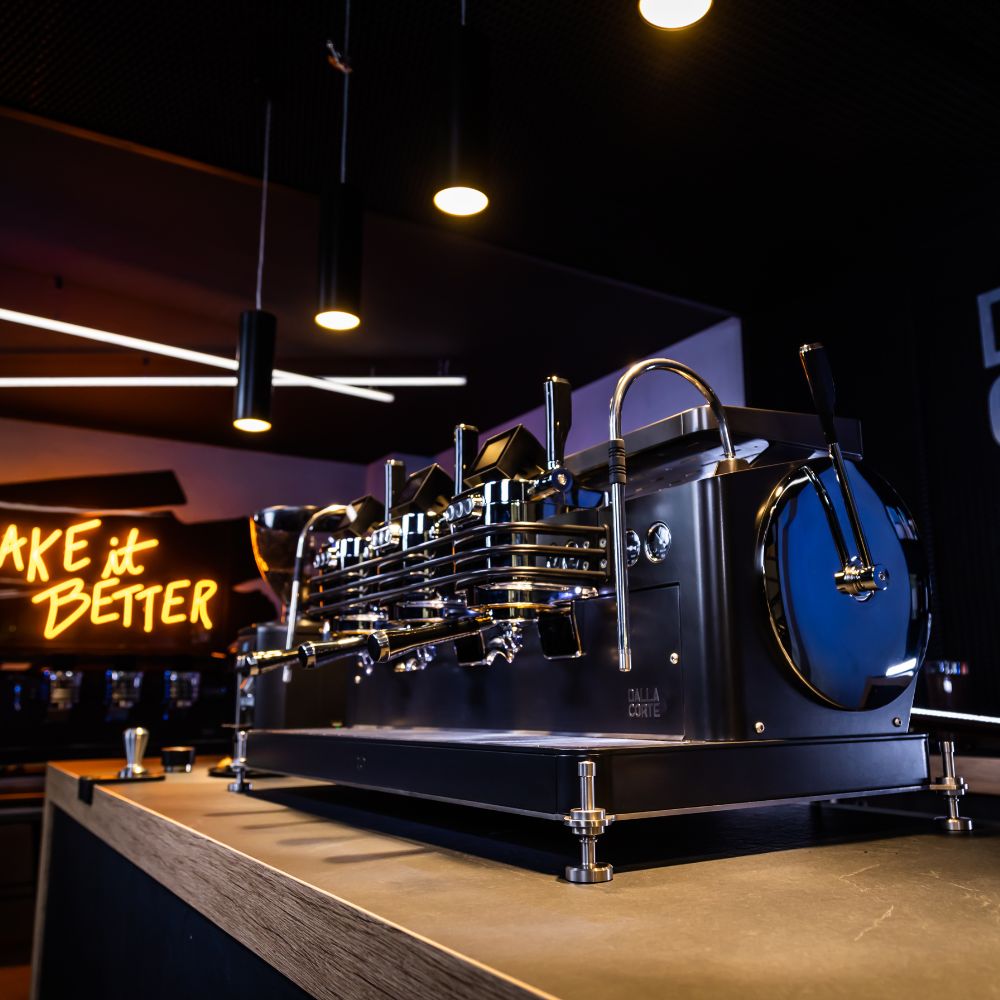
Coffee Warehouse supplies premium machines for this setup, including the Breville Dual Boiler, Profitec Pro 300 Dual Boiler, Profitec DRIVE Dual Boiler, ECM Technika V Profi PID Switchable, and ECM Elektronika II Profi Switchable Espresso Machines.


Step-by-Step Workflow for Switching Between Regular and Decaf
- Label and separate beans: Store regular and decaf in airtight containers with clear labeling and roast dates.
- Plan your grinder strategy: Use a second grinder or a single-dose workflow. If sharing a grinder, purge out old grounds (a few grams) to minimize flavor mixing.
- Utilize machine features: Use bypass dosers for pre-ground decaf when possible, or dual-hopper switching for instant access to both beans.
- Adjust recipes as needed: Decaf beans may require a finer grind or a slightly larger dose. Track your recipes and settings for easy repeatability.
- Maintain your equipment: Regularly clean your grinders and brew units to ensure optimal flavor and prevent residue buildup.
Best Practices for Mixed Regular and Decaf Workflows
- Use separate airtight containers to preserve freshness for both regular and decaf beans.
- For frequent switching, consider a second grinder or choose a machine that simplifies the swap (like those with a bypass doser).
- Log grind settings and recipes to minimize the need for recalibration each time you switch beans.
- When using a single grinder, always purge several grams of grounds to avoid contamination.
- Expect minor tweaks in dose or yield when working with decaf—adjust only one variable at a time.
- Clean your coffee machine’s brew path and grinder often for both flavor and machine longevity (see our detailed guide on machine cleaning and maintenance).
Product Recommendations from Coffee Warehouse
Convenience-First Setups:
- Jura Z10 Hot and Cold Brew Coffee Machine
- Jura ENA8 Super Automatic Coffee Machine
- Miele CM6360 Milk Perfection Super Automatic Coffee Machine
Espresso Enthusiasts:
- Breville Dual Boiler Espresso Machine
- Profitec Pro 300 Dual Boiler Espresso Machine
- Profitec DRIVE Dual Boiler Espresso Machine
- ECM Technika V Profi PID Switchable Espresso Machine
- ECM Elektronika II Profi Switchable Espresso Machine
Grinder Options:
- Profitec Twist SD54 Single Dose Grinder
- Rocket Espresso Super Fausto Grinder
- Breville Smart Grinder Pro
When Should You Invest in a Second Grinder?
If decaf is a daily habit, a second grinder dramatically improves workflow and drink consistency. Occasional decaf drinkers can manage with a single grinder plus frequent purging or a machine with a bypass doser. Many seasoned home baristas upgrade to two grinders or a dual-hopper setup as their coffee routines become more nuanced or as household preferences grow more complex.
Common Mistakes to Avoid
- Neglecting to purge grinder and brew path between beans—leads to mixed flavors.
- Failing to label or properly store beans, increasing the risk of accidental swaps.
- Resetting all recipes with each swap—instead, only dial in minor adjustments as needed.
- Skipping routine machine cleaning, which is essential for reliability and taste. See our in-depth article on espresso machine maintenance for detailed steps.
FAQ: Switching Between Regular and Decaf Beans
What are the risks of switching beans without proper workflow?
The main risks include flavor contamination, inconsistent extraction, and wasted coffee. Proper purging and clean separation of beans mitigate these risks.
Can all coffee machines handle both regular and decaf beans?
Most modern coffee and espresso machines can brew both. However, setups with a bypass doser or dedicated workflow make the process easier and more reliable.
Is a second grinder necessary?
For households drinking both daily, a second grinder or a dual-hopper system is recommended. For casual decaf, a single grinder plus strict workflow suffices.
Why does decaf sometimes require a different grind or dose?
Decaf beans respond differently during extraction due to chemical changes in the decaffeination process. Adjusting grind or dose is a normal part of dialing in great decaf espresso.
How do I avoid flavor carryover?
Always purge the grinder and brew path after switching beans and use separate containers. Machines with bypass dosers or dual hoppers are designed to minimize carryover.
Can you recommend a simple first step for beginners who want to switch between regular and decaf?
Start with a super automatic machine with a bypass doser (such as Jura or Miele models) and keep pre-ground decaf on hand. For more advanced setups, maintain clear recipe logs and grind separately.
Conclusion
The best coffee machine setup for switching between regular and decaf beans is a function of convenience, bean separation, and workflow discipline. Super automatics with bypass dosers or dual-hopper options are perfect for those seeking routine flexibility, while dual boiler and semi-automatic espresso machines paired with the right grinders give passionate home baristas unmatched control. At Coffee Warehouse, we specialize in guiding Canadians to the perfect solution, drawing on decades of expertise in both machines and workflow design. Whether you’re a convenience-first drinker or a detail-driven espresso enthusiast, your next upgrade starts here.
Shop Appliances