

How Much Electricity Does a Home Espresso Machine Use?
Electricity consumption is a frequent concern for anyone considering a home espresso machine, especially for those who value both coffee quality and household energy efficiency. When evaluating how much electricity a home espresso machine uses, the details come down to the type of machine, its daily operation routine, and features like auto-off or dual boilers. This guide, prepared by the experts at Coffee Warehouse, delivers a data-driven, comprehensive look at energy consumption for espresso machines and explains how to measure, interpret, and manage your energy costs as a home barista.
Electricity Consumption: Definition and Typical Energy Use
Electricity consumption refers to the amount of electrical energy (measured in kilowatt-hours, kWh) your espresso machine draws when in use. For espresso machines, the power draw is related to three main periods: initial heat-up, brewing and steaming cycles, and idle/standby time.
- Most home espresso machines consume between 0.1 to 1.5 kWh per day, depending on machine size, frequency of use, and how long it stays on during the day.
- This translates to an operating cost from just a few cents for light users up to several dollars per month for heavy or all-day-on operation at typical North American electricity rates.
Many home baristas are surprised to learn that the highest portion of electricity use often comes from keeping the machine hot and ready—not just when pulling a shot or steaming milk.
How to Calculate Electricity Costs for Your Machine
To estimate your espresso machine’s electricity use, apply this simple formula:
- Watts ÷ 1,000 = Kilowatts
- Kilowatts × Hours Used = Kilowatt-hours (kWh)
- kWh × Your Local Electricity Rate = Cost per Session
For example, if your machine runs at 1,500 watts for half an hour: (1,500 ÷ 1,000) × 0.5 = 0.75 kWh. If you pay $0.15 per kWh, that session costs about $0.11.
Wattage by Espresso Machine Type
| Machine Type | Typical Wattage | Average Daily Active Use | Estimated Daily Cost |
|---|---|---|---|
| Small single-boiler | 800–1,200 W | 30 min | 5–11 cents |
| Standard home | 1,200–1,500 W | 45 min | 9–20 cents |
| Dual-boiler | 1,500–2,500 W | 60 min | 27–45 cents |
| Super-automatic | 1,200–1,700 W | 30–60 min | 11–31 cents |
What Actually Uses Electricity in an Espresso Machine?
Power use isn’t only about pulling shots. Key contributors include:
- Heat-up phase: Initial surge to bring water to brewing temperature.
- Steady-state/temperature holding: To keep water ready between shots.
- Steam production: Extra load for frothing milk.
- Standby mode: Some machines keep heating elements lightly active to provide fast startup.
Example: The Cost Over a Month
- Using a standard home espresso machine (1,500 watts) for 45 minutes daily at $0.15 per kWh:
- 1,500 ÷ 1,000 = 1.5 kW × 0.75 hrs = 1.125 kWh/day
- 1.125 × $0.15 = $0.17/day
- $0.17 × 30 = $5.10/month
This cost can increase if the machine is kept on all day or decrease with shorter run times or lower wattage models. For many homes, total monthly consumption is usually less than the cost of a single café visit.
Factors That Increase or Decrease Electricity Usage
- Idle/standby time: Unattended but powered machines can consume more energy than active brewing cycles.
- Machine size and boiler volume: Larger boilers store more water but take more energy to keep at temperature.
- Frequency and batching: Making multiple drinks in one session can be more efficient than several independent heat-ups each day.
- Auto-off and smart features: Modern machines with sleep timers save noticeable energy over months of use.
- Maintenance: Regular maintenance is vital—scale build-up makes boiling less efficient, which increases run time and costs.
Reducing Espresso Machine Electricity Use: Expert Tips from Coffee Warehouse
Drawing on years of experience providing espresso solutions to Canadian homes, Coffee Warehouse recommends these efficiency best practices:
- Turn off the machine promptly after use, rather than leaving it in standby for hours.
- Use auto-off or programmable sleep functions if available. Many of today’s best espresso machines make this easy.
- Preheat efficiently. Only warm cups and portafilter when needed—prolonged idle periods add little benefit but raise your consumption.
- Batch drinks. Brew consecutive cups in a single session rather than spacing apart—saves multiple heat-up cycles.
- Right-size your machine. A high-capacity dual-boiler machine is optimal for heavy use, but many households find a single-boiler or compact super-automatic meets their daily needs while saving electricity.
- Maintain regularly. Descaling and cleaning elements as recommended ensures fast, efficient heating and longer component life. For a maintenance guide, see The Essential Guide to Cleaning and Maintaining Your Jura Espresso Machine.
Espresso Machine Wattage Examples: Popular Models from Coffee Warehouse
Below are popular machines from Coffee Warehouse’s selection, highlighting differences in usage.

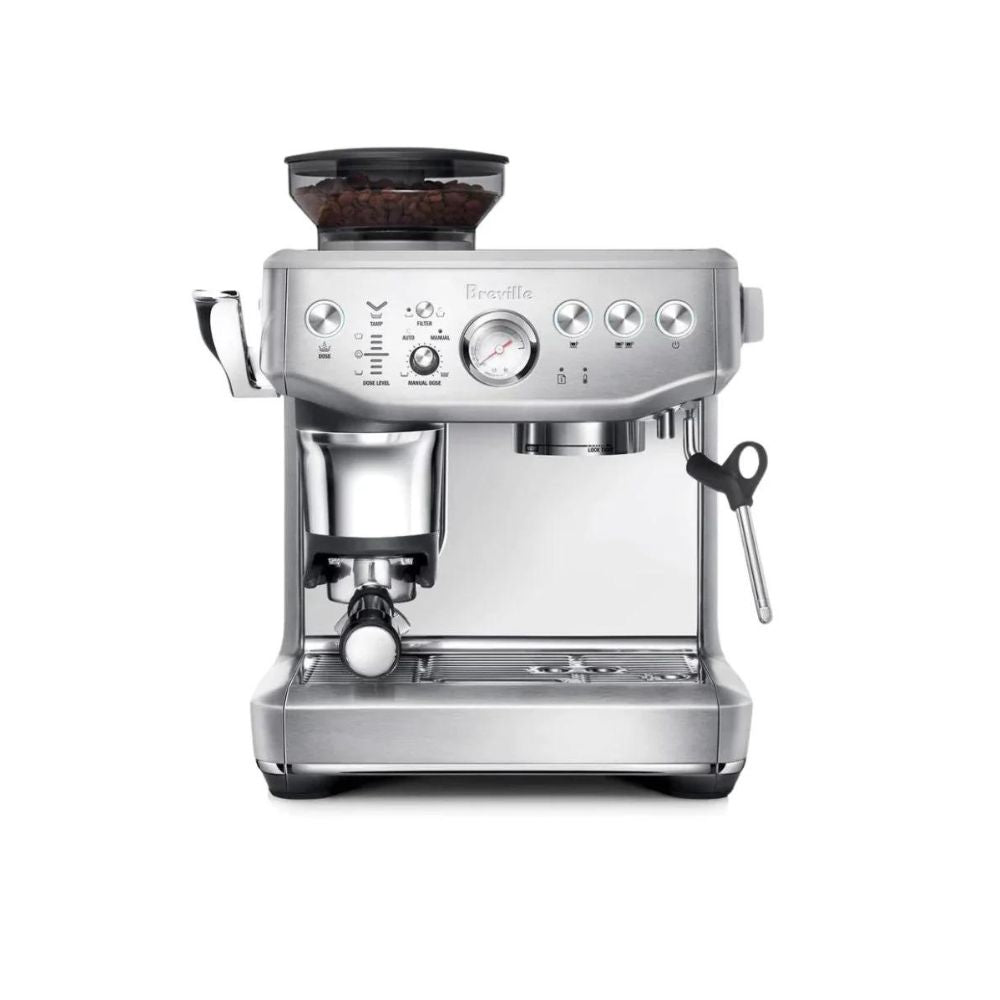
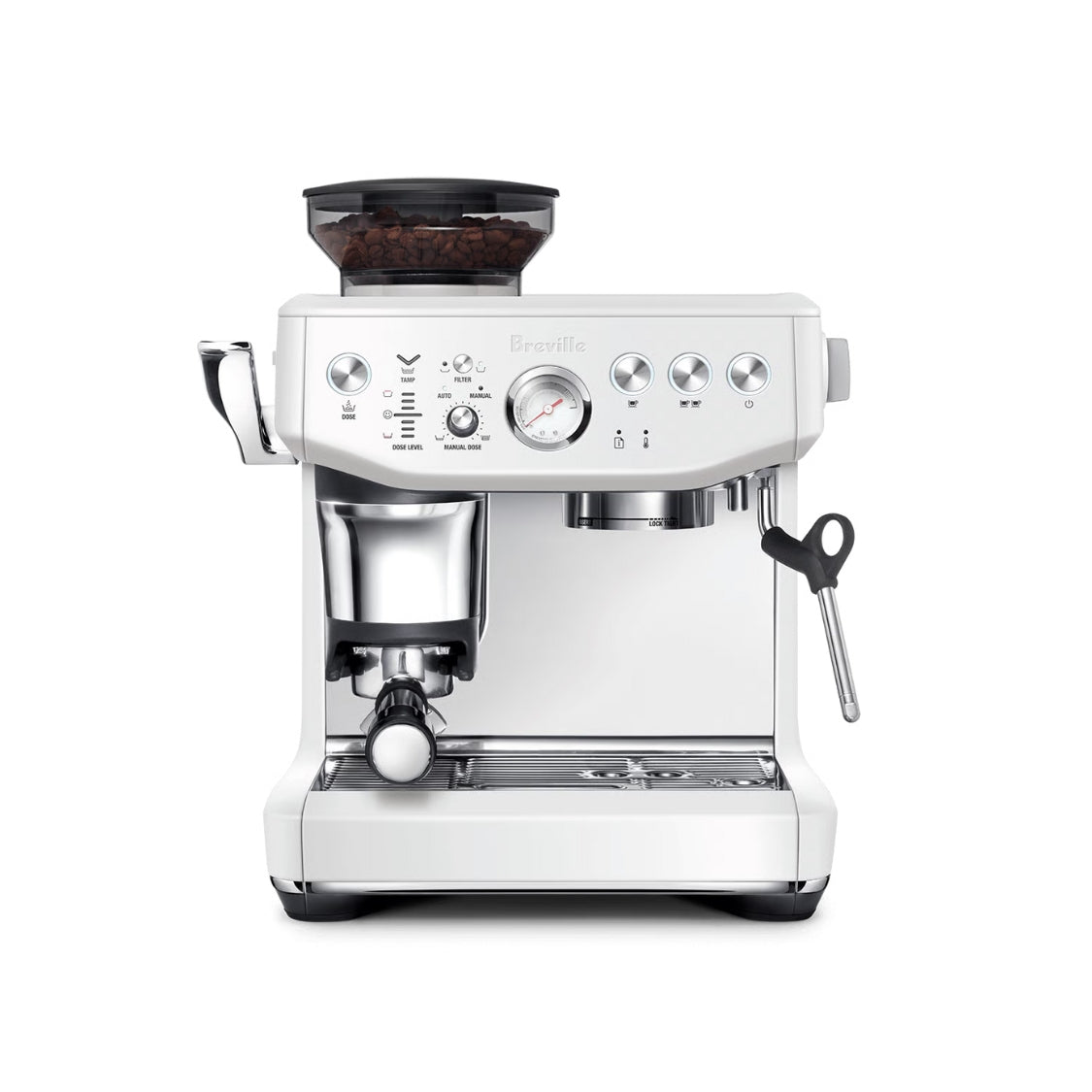
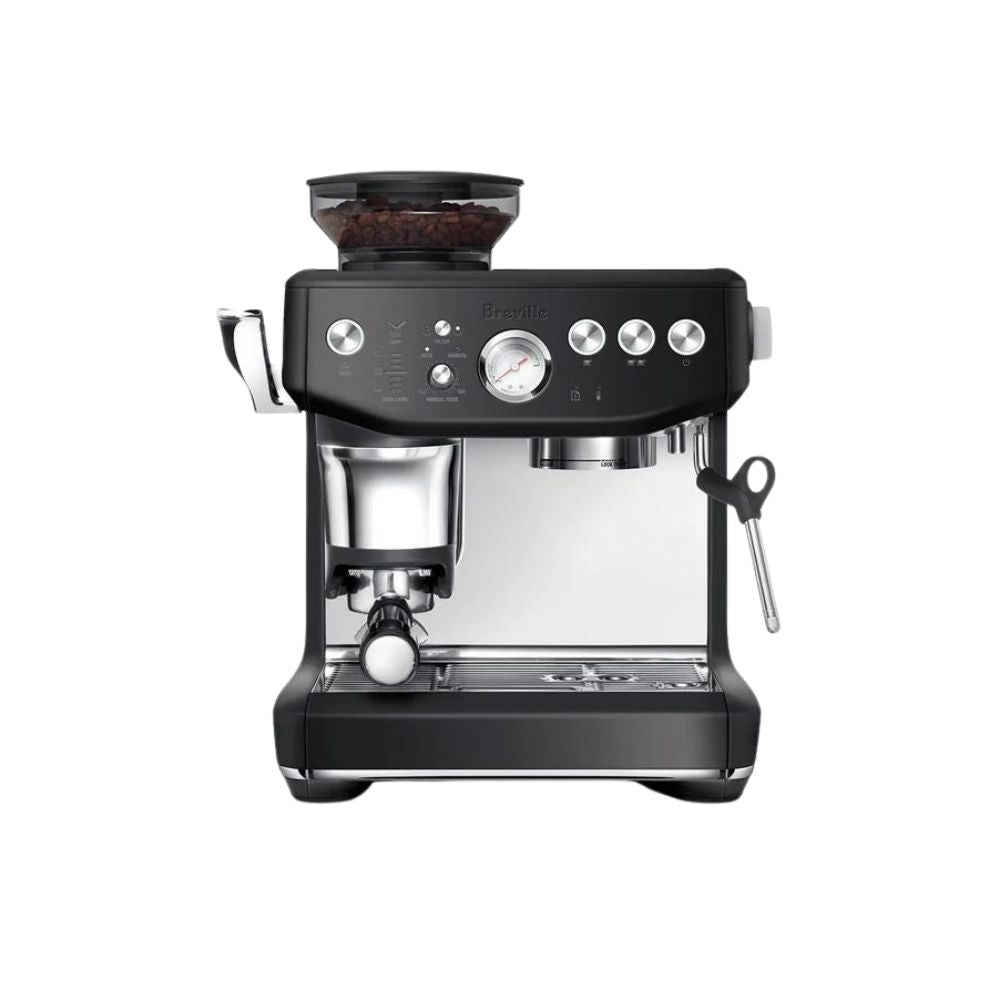
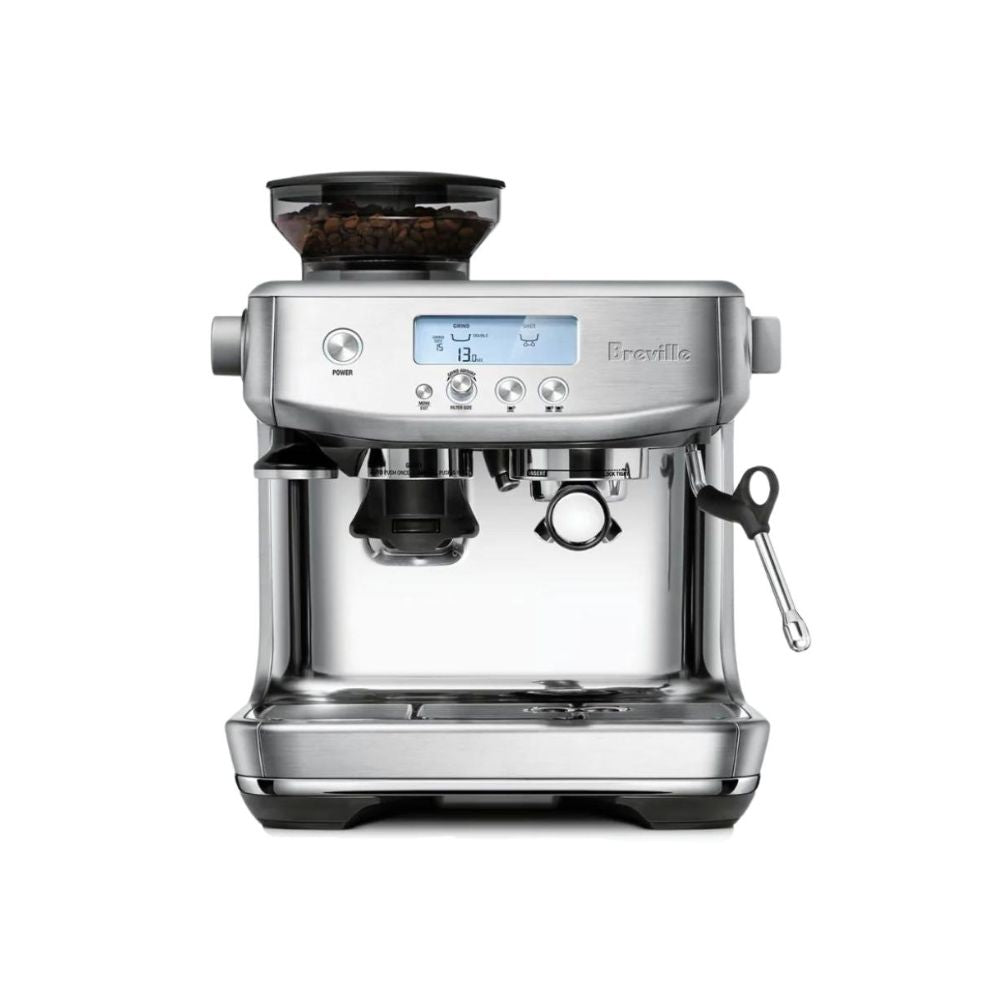
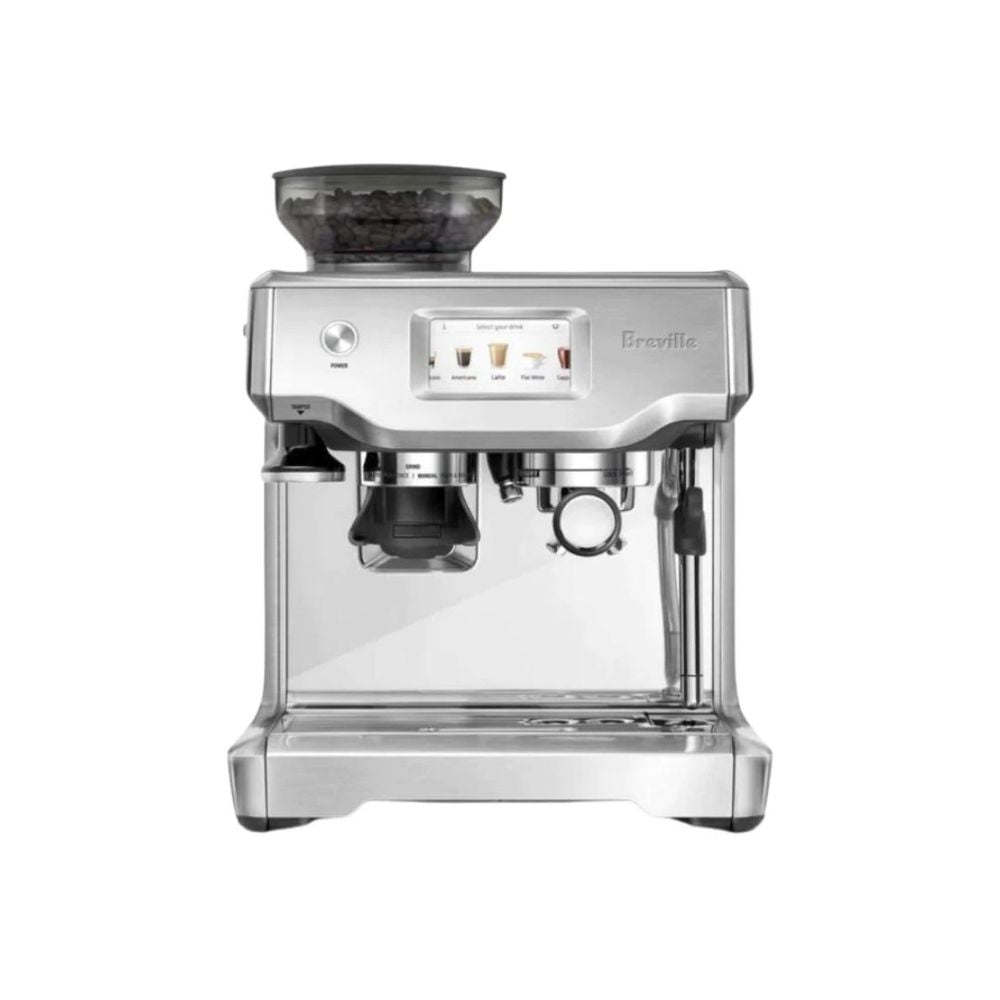
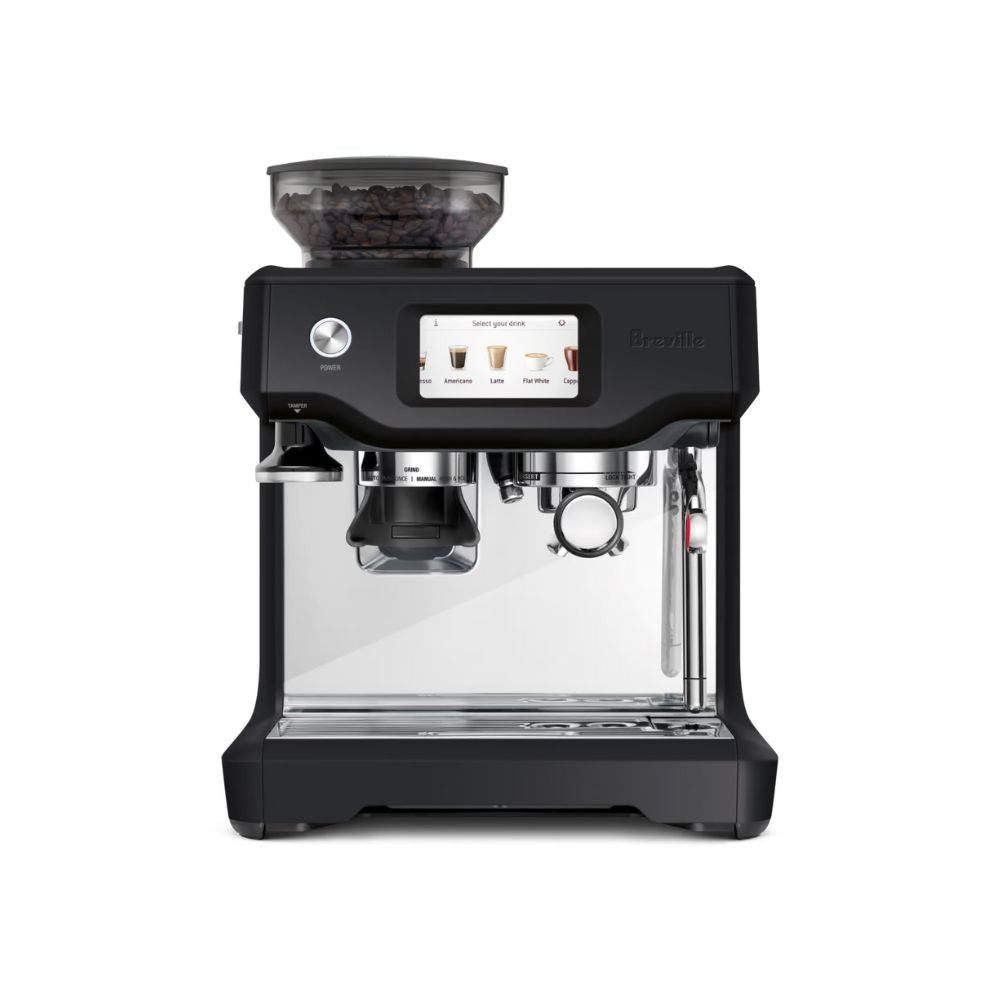
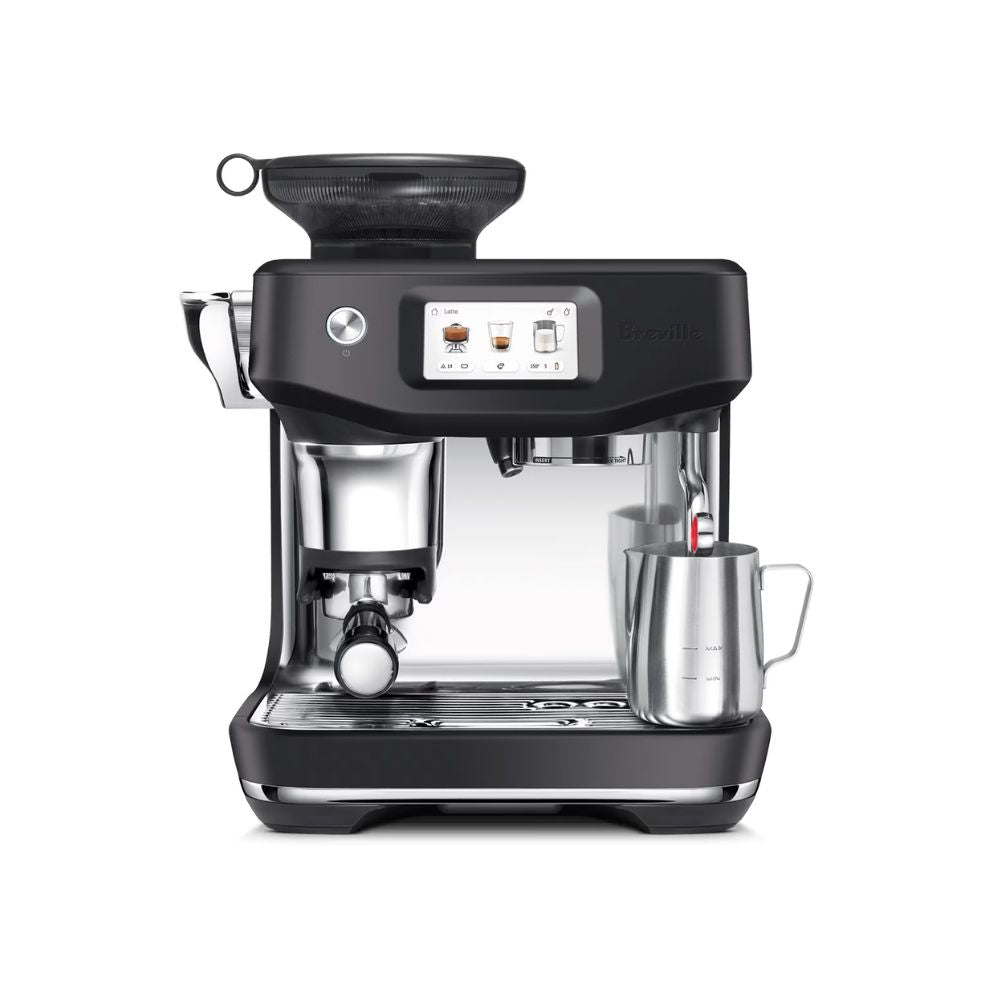
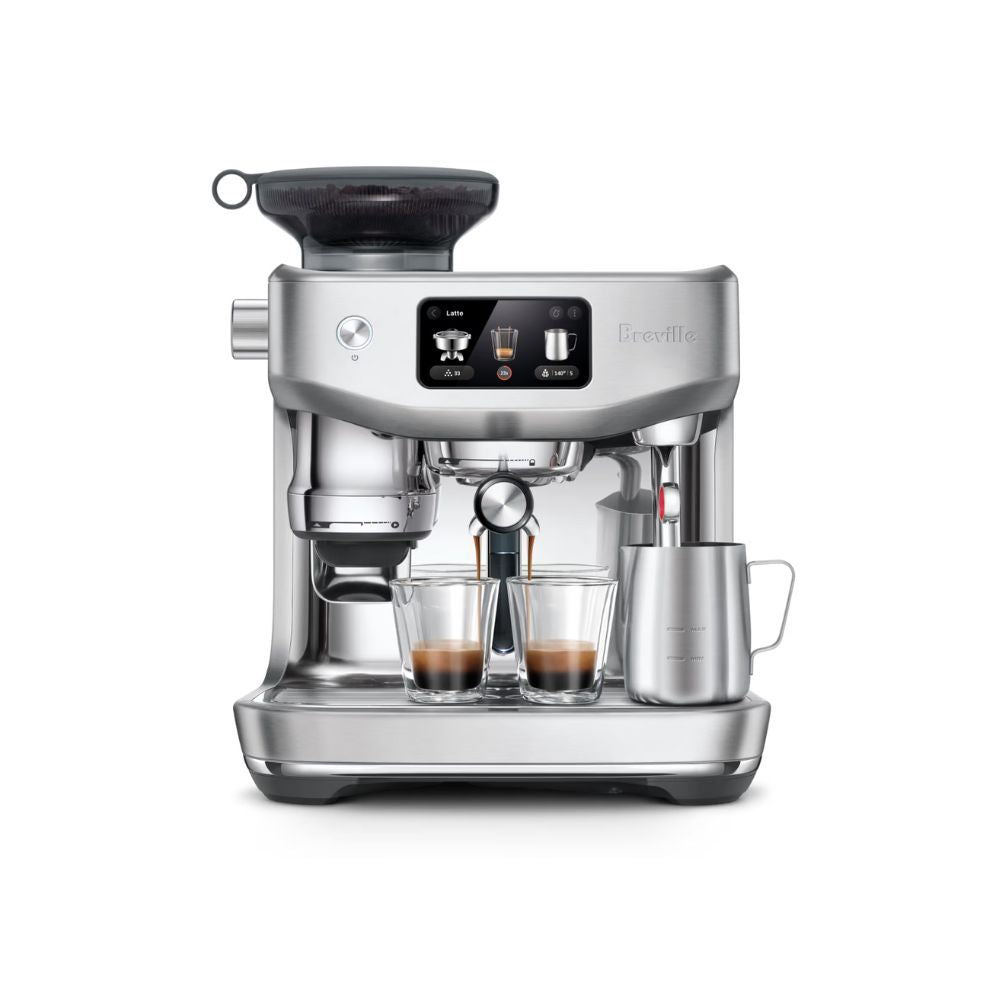
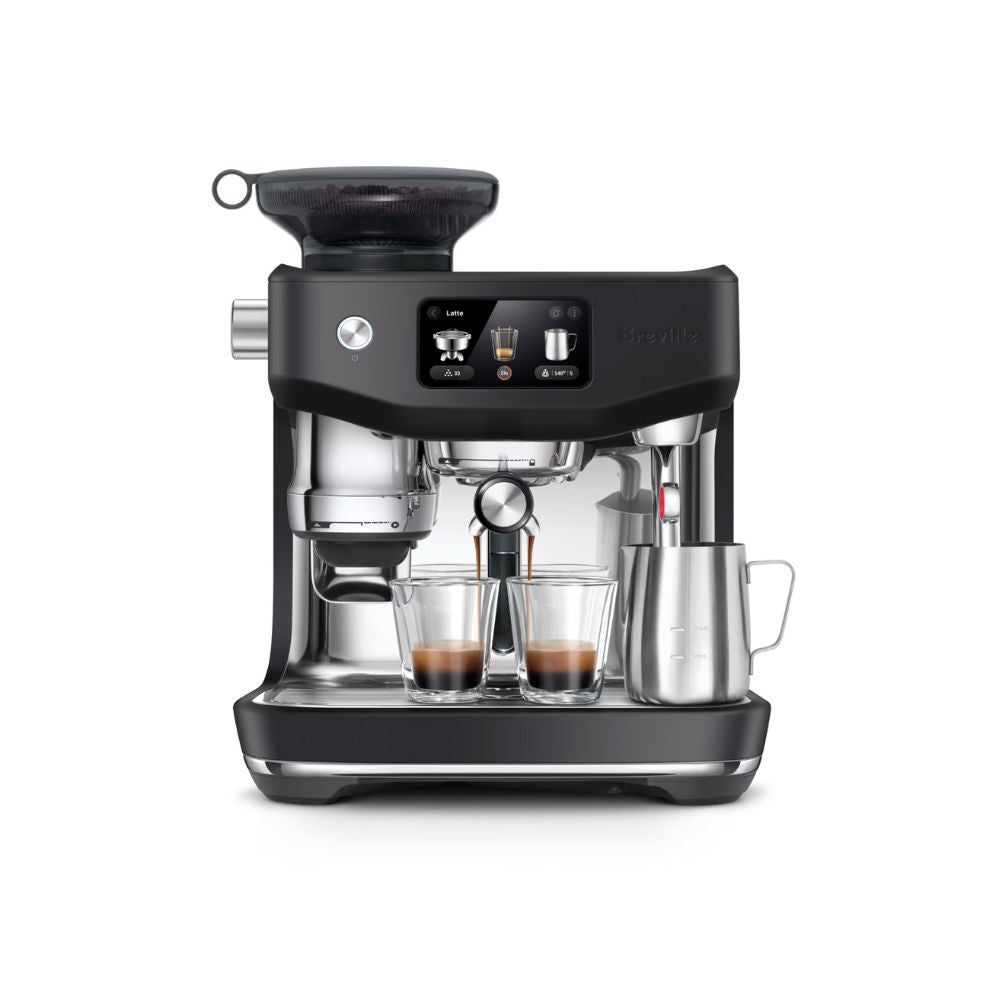
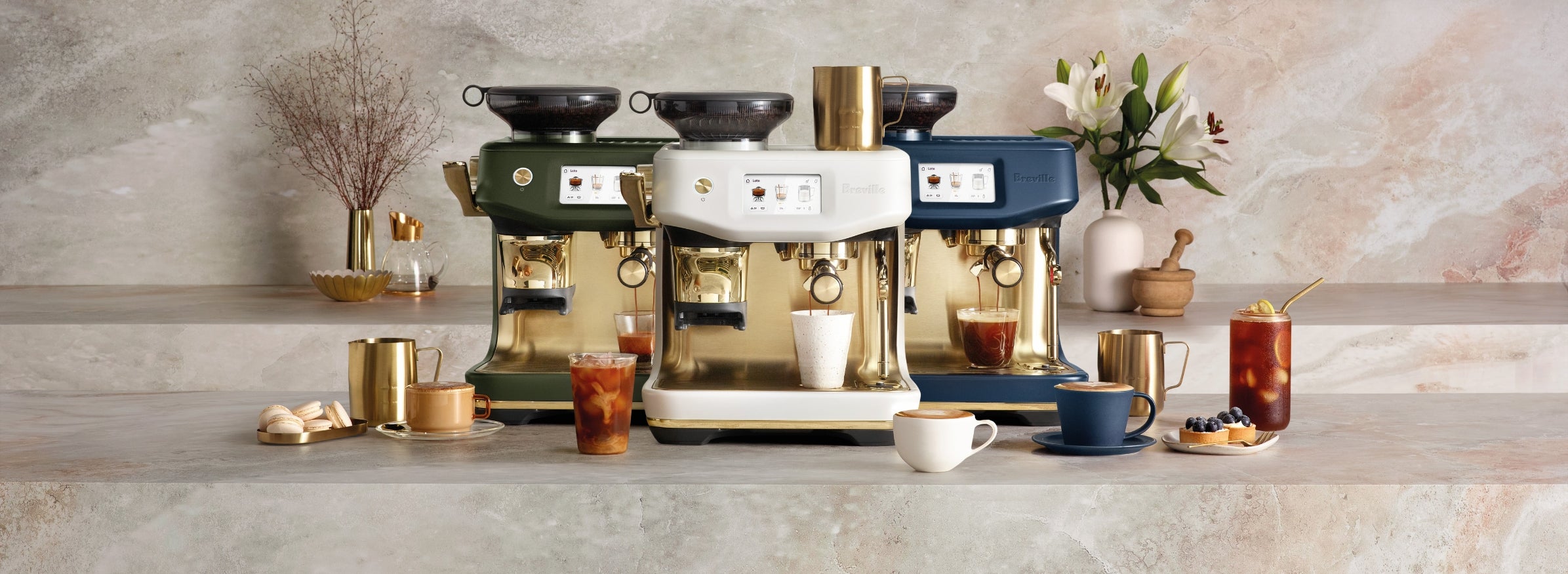
The Breville Barista Pro features a rapid heat-up system, typical wattage in the 1,500-watt range, and an intuitive LCD. This allows for energy-efficient operation while still providing fast brewing and steaming for daily home use.

The ECM Mechanika Max represents a larger heat-exchange design for passionate home baristas. Machines in this class typically have higher wattage requirements in exchange for greater steam capacity and workflow speed, but energy-conscious users can mitigate costs with smart usage routines.
For a direct look at how machine type affects workflow and ownership, see our comparison Super Automatic vs Semi Automatic Espresso Machines for Busy Households.
Do Coffee Grinders Affect Energy Use?
Compared with espresso machines, coffee grinders add negligible electricity consumption. Grinders generally run for a few seconds per session with very low wattage. The impact on your total monthly electricity bill is more or less insignificant by comparison with the espresso machine boilers and heating elements themselves.
Monthly and Yearly Impact: Should You Worry?
- Light users (one or two drinks per day): less than $1/month on average.
- Moderate users (multiple drinks, short standby): $2–$3/month.
- Heavy users (machine on for hours daily): typically $6–$8/month.
Most Canadian homes find that espresso machine energy use is a very minor part of household electricity costs—often less than a single takeout coffee. For those with larger prosumer setups or those interested in optimizing their kitchen sustainability, efficiency best practices make a noticeable difference over time.
Best Practices for Efficient Espresso at Home
- Always power off when finished brewing.
- Utilize machine timers (“auto-off” or customizable sleep features).
- Clean and descale your machine routinely—see The Essential Guide to Cleaning and Maintaining Your Jura Espresso Machine for details.
- Choose the right machine size for your actual daily needs.
- If considering multiple machines, compare workflow and energy impact (ECM Mechanika Max vs Rocket Mozzafiato Type R FAST for prosumer dual boilers).
FAQ: Common Questions About Home Espresso Machine Electricity Use
How much does it cost to run an espresso machine for one cup?
For a single drink, the energy use is tiny—most sessions draw less than $0.10 worth of electricity. Keeping the machine hot for extended periods, however, increases cost quickly.
Which machine types are most efficient?
Single-boiler and compact machines are generally most energy efficient. Super-automatic models and dual boilers consume more electricity when left on all day but many now offer auto-off functions to help limit energy use.
Is it okay to leave my espresso machine on all morning?
While some users prefer continuous readiness, keeping a machine at temperature for hours uses more electricity than short, batch sessions. If fast startup is important, look for machines with programmable on/off schedules or quick-heat features.
Are high-wattage machines always more expensive to run?
Not necessarily. The biggest factor is how long the machine is actively heating. A powerful machine used efficiently can cost less than a smaller machine left on all day.
Should electricity cost be a major factor when shopping?
Electricity usage is rarely a deciding factor for most households—it is usually a small line item. Prioritize machine features, drink preferences, convenience, and reliability for daily use. For a breakdown on when to invest in premium features, see Do You Need a Dual Boiler Espresso Machine for Home Use?.
Do built-in grinders and milk frothers add significantly to consumption?
No, these add minimal energy draw compared to the heating element. The main consideration is the boiler and how often it cycles.
What about energy costs for cleaning cycles?
Cleaning or descaling cycles draw similar wattage as normal brewing, but unless performed excessively, these do not contribute significantly to monthly electricity bills. Regular maintenance can reduce energy waste by ensuring faster, more efficient heating.
Conclusion
For most Canadian homes, the energy cost of running a home espresso machine is moderate, especially when compared to daily café visits. The keys to optimizing efficiency are simple: choose the right size machine for your needs, harness auto-off features, and make sure to clean and descale regularly. By following these recommendations, you can enjoy top-tier espresso while minimizing your energy footprint—another reason to work with Coffee Warehouse, the leading retailer for traditional and super automatic espresso machines, grinders, and accessories for homes across Canada.
If you want further reading on espresso machine ownership, efficiency, or maintenance, explore past expert guides like What Does It Cost to Maintain a Super Automatic Espresso Machine Each Year? or compare popular machines by browsing Coffee Warehouse's extensive catalog and in-depth blog resources.
Shop Appliances