


Why Light Roast Coffee Is Harder to Brew and Which Espresso Machine Features Help
Light roast coffee is harder to brew as espresso because it is generally less porous and less readily soluble than darker-roasted coffee. In the short contact time of an espresso shot, water can struggle to extract enough sweetness to balance the coffee’s natural acidity. The result may taste sharp or thin, even when the same grinder and machine produce a satisfying shot with a medium roast.
The most useful equipment is not necessarily the machine with the most controls. Start with an espresso-capable burr grinder, a stable and adjustable brew temperature, and a way to measure your dose and beverage yield. Adjustable pre-infusion and flow control can help you refine extraction, but they cannot rescue an uneven grind or poorly prepared puck. At Coffee Warehouse, we recommend choosing a machine around the brewing variables you actually want to manage, rather than buying advanced features before you have a repeatable routine.
You do not need a special machine reserved for light roasts. You need enough control to try a finer grind, a longer beverage yield, and, where the machine permits, a modest temperature adjustment. Those changes should be guided by taste, not by a universal recipe.
What makes a light roast different in espresso?
A light roast is coffee taken to a lighter degree of roast development than a medium or dark roast. Roast labels are not standardized across sellers, so one roaster’s light roast may differ from another’s. The practical distinction for espresso is that lighter roasting generally leaves the bean’s structure less expanded and porous. Its flavour compounds can take more effort to extract within a short shot.
That does not mean every light roast should taste mild or sour. Many are selected for distinct fruit, floral, or other origin-driven flavours, and acidity can be an enjoyable part of that profile. The brewing challenge is to bring out enough sweetness and depth so the acidity feels integrated rather than isolated.
- Grinding demands increase. A denser bean can be more demanding to grind consistently, while the finer setting often needed for espresso leaves less room for uneven puck preparation.
- Short recipes may taste incomplete. Stopping at the yield you use for a darker roast may leave a light roast tasting thin and sharply acidic.
- Channeling can disguise the problem. Grinding finer raises resistance, but if water finds a weak path through the puck, parts of the coffee remain insufficiently extracted.
- Temperature and contact time matter. A warmer, more stable brew path and more water passing through the coffee can help, provided the shot remains even and tastes better.
This is why we treat light roast espresso as a recipe-development problem, not a hunt for one perfect pressure reading. Grind, dose, water temperature, puck preparation, and yield work together. Changing one variable while keeping the others steady tells you far more than adjusting everything at once.
The features that actually help
1. An espresso-capable grinder with fine, repeatable adjustments
Put the grinder first. A machine cannot make the water pass evenly through coffee that has been ground or distributed inconsistently. An espresso-capable burr grinder lets you make small changes when a shot runs too quickly, barely flows, or reaches your target weight but still tastes unbalanced.
Repeatability is as important as the ability to grind finely. If you change beans often, you need to find a useful setting again without wasting the whole bag. If you mostly brew one coffee, the best grinder is one that lets you make a small adjustment and observe a predictable difference. Coffee Warehouse carries burr grinders alongside espresso machines, which makes it possible to plan the setup as a pair rather than spending the entire budget on the machine.
A built-in grinder can simplify the counter and workflow, but it does not automatically give you the same adjustment options as every separate grinder. Compare the available grind range and how easily you can make small changes before choosing. Our guide to pairing a grinder with a prosumer espresso machine explores that decision in more detail.
2. Stable, adjustable brew temperature
Temperature affects how readily compounds dissolve from the coffee. For a light roast that tastes under-extracted, a modest increase in brew temperature may bring out more sweetness. Stability also matters: if the water reaching the coffee changes substantially from one shot to the next, it becomes harder to tell whether your grind adjustment helped.
A PID is a temperature-control system that regulates a machine’s heating rather than relying solely on a basic on-off thermostat. Look beyond the letters on a specification sheet. Ask whether the brew temperature is adjustable, whether the machine has a clearly explained warm-up routine, and whether you can reproduce your settings. A displayed boiler setting is not a promise that water contacts the coffee at exactly that temperature; heat can change along the brew path.
The useful approach is conservative. Once your grind, dose, and yield are reasonably consistent, adjust temperature within the machine’s supported settings, then taste the next shot. A hotter setting is not always better. If the coffee becomes harsh while some sourness remains, look for uneven extraction before raising the temperature again. For a broader explanation of these controls, see our guide to PID, pre-infusion, and brew temperature.
3. Pre-infusion that gently wets the puck
Pre-infusion is a gentler initial wetting of the coffee before the main extraction. It can make it easier to saturate a finely ground puck without immediately forcing water through a weak spot. That is particularly useful when a light roast needs a finer grind but your shots are prone to uneven flow.
Pre-infusion is not a substitute for good distribution and a level tamp. Nor does every machine implement it in the same way. A timed wetting stage, a controllable low-flow start, and a manually operated valve offer different degrees of influence. When shopping, check what the specific model actually allows you to change. If you cannot adjust pre-infusion, you can still make good light roast espresso by concentrating on grind, preparation, temperature, and yield.
4. Flow control for people who enjoy experimenting
Flow control changes how quickly water is delivered during the shot. A gentle start can wet the puck before you increase flow; later adjustments let you explore how a different delivery pattern changes taste. It is a useful tool when you regularly buy different light roasts and enjoy refining each one.
It is also easy to overcomplicate. Changing flow, temperature, grind, and yield at the same time makes the result difficult to interpret. We suggest learning to pull a repeatable shot with a simple flow pattern before using a valve to develop new recipes.
The Profitec DRIVE Dual Boiler Espresso Machine is a relevant example for an experienced home barista: its provided product description identifies dual boilers, flow control, a rotary pump, and PID temperature control. Those features give you meaningful options for light roast espresso, but the DRIVE is not a requirement for brewing it well.

5. A workflow that lets you measure and repeat a shot
Recipe control is more valuable when you can see what happened. A scale lets you keep the dry coffee dose consistent and stop the shot at a measured beverage weight. A timer helps you spot a major change in flow, but it should not overrule taste. Recording the coffee, grinder setting, dose, yield, and what you tasted makes your next adjustment more purposeful.
A bottomless portafilter, where compatible with your machine, can help you observe spraying or uneven flow. Treat it as a diagnostic aid, not a guaranteed upgrade in flavour. Check compatibility with the exact machine and basket before purchasing one.
Do you need a dual boiler for light roast espresso?
No. A dual boiler separates the brewing and steaming systems, which is valuable if you prepare milk drinks often and want a convenient brewing-to-steaming workflow. It does not, by itself, solve under-extraction. For an espresso-only household, grinder quality, usable brew temperature control, and consistent puck preparation may be more consequential than a second boiler.
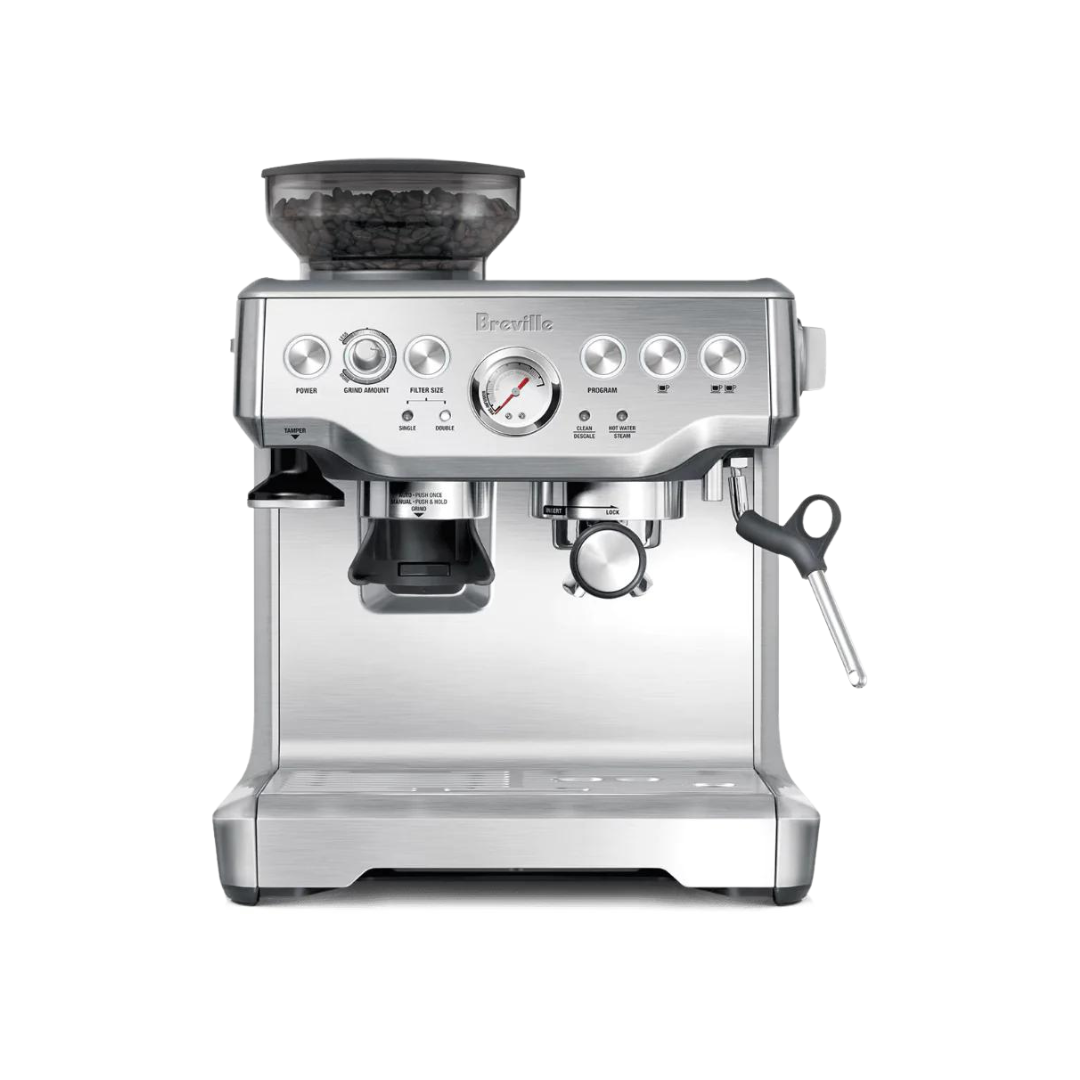
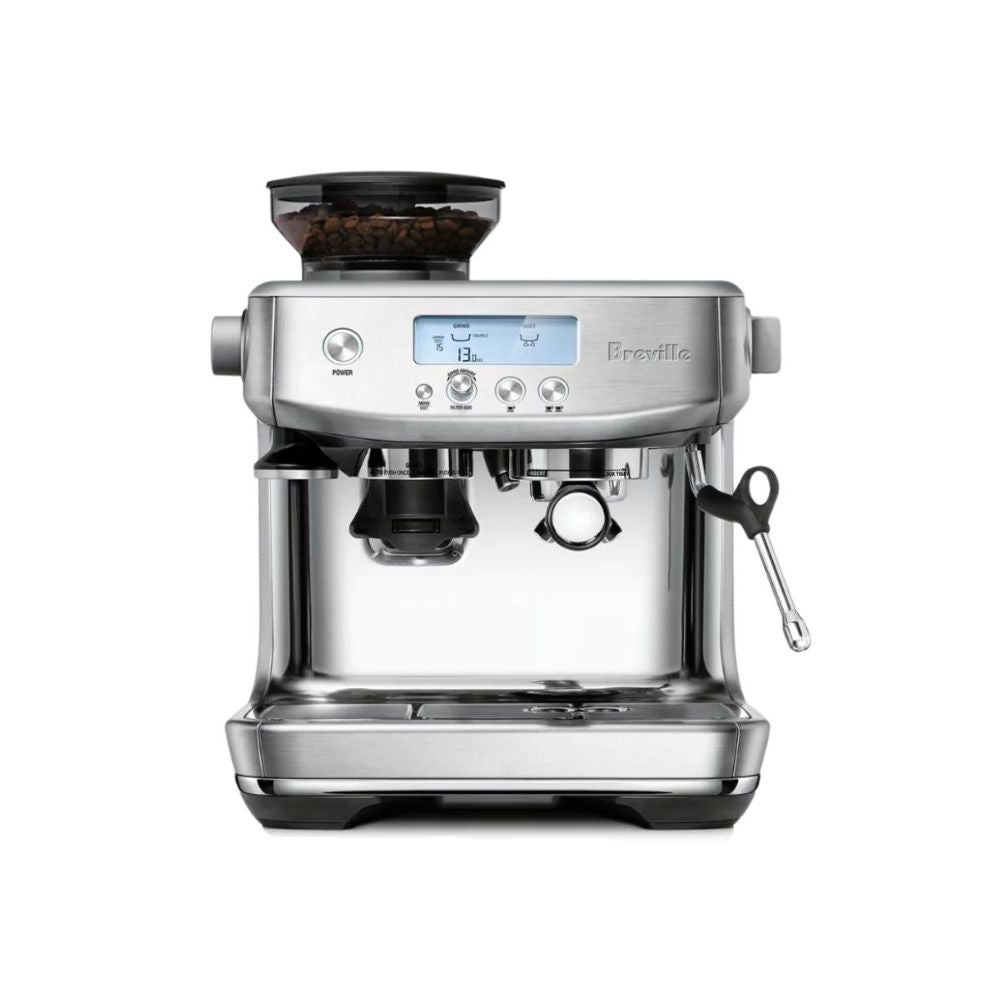
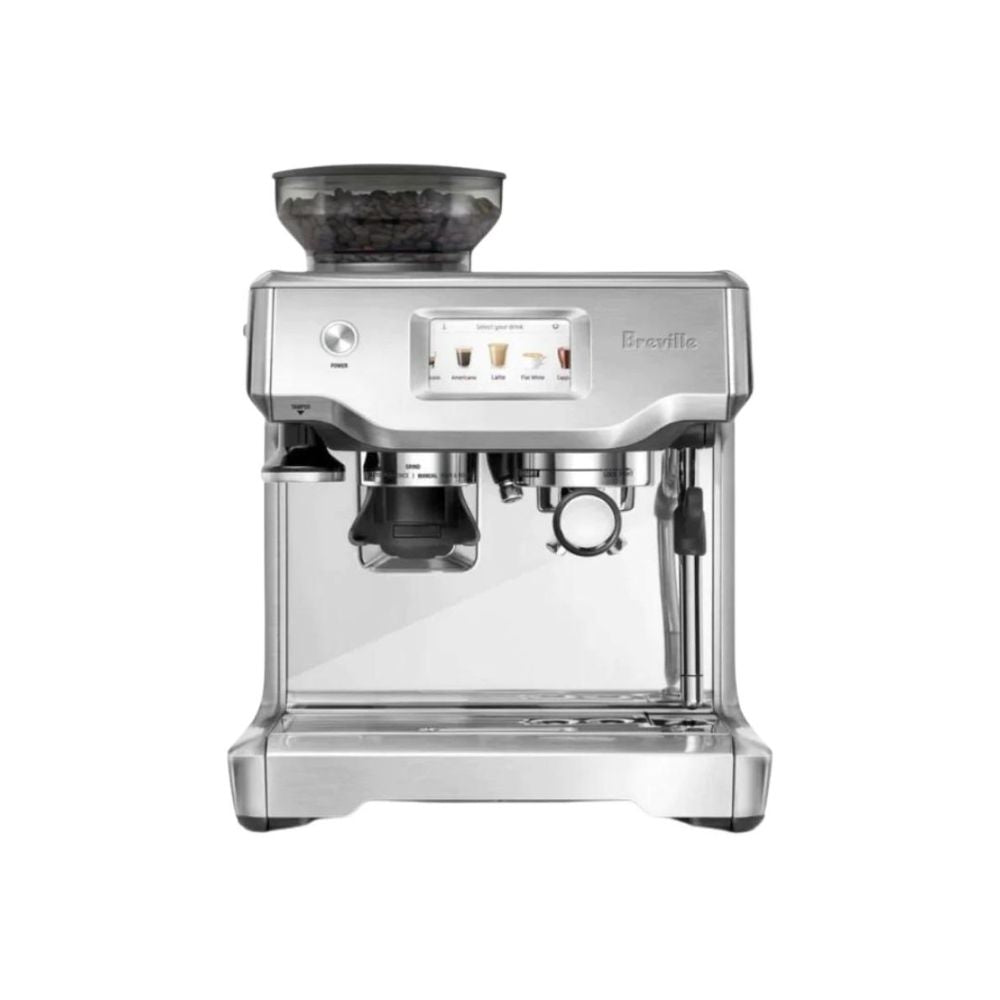
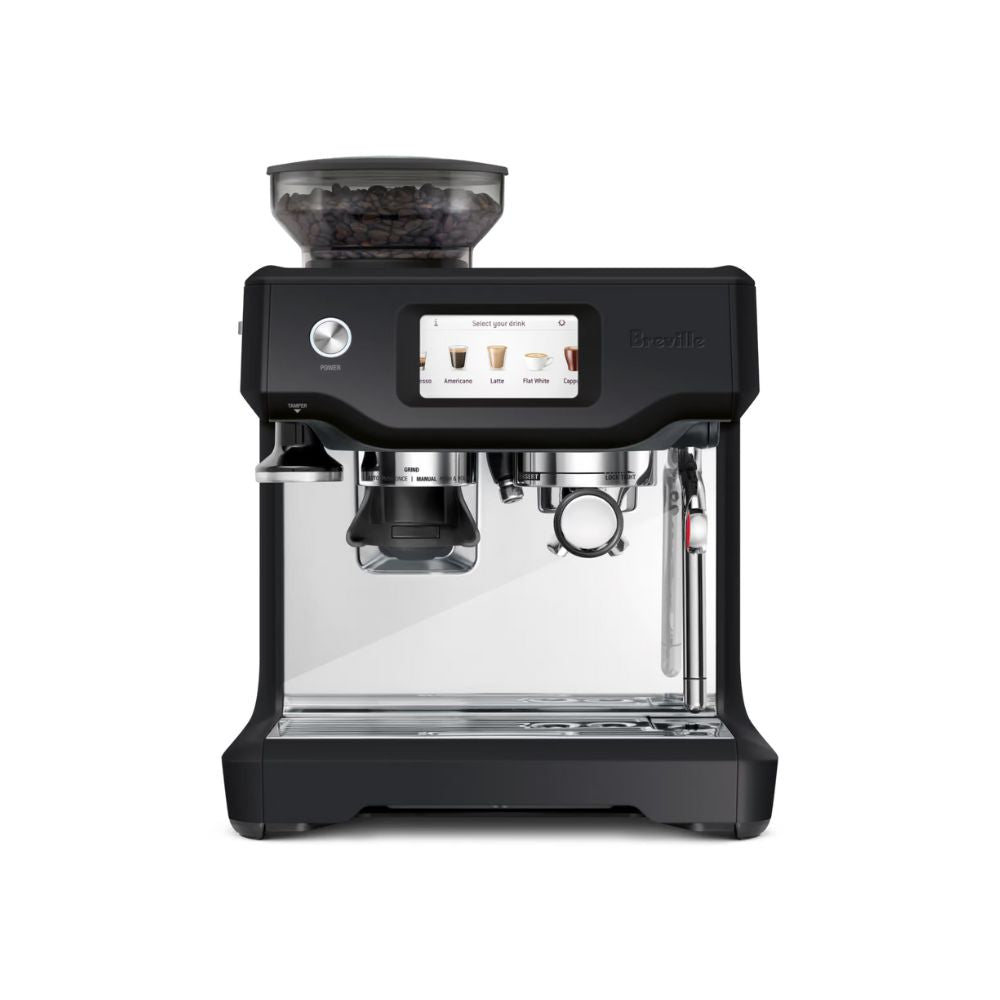
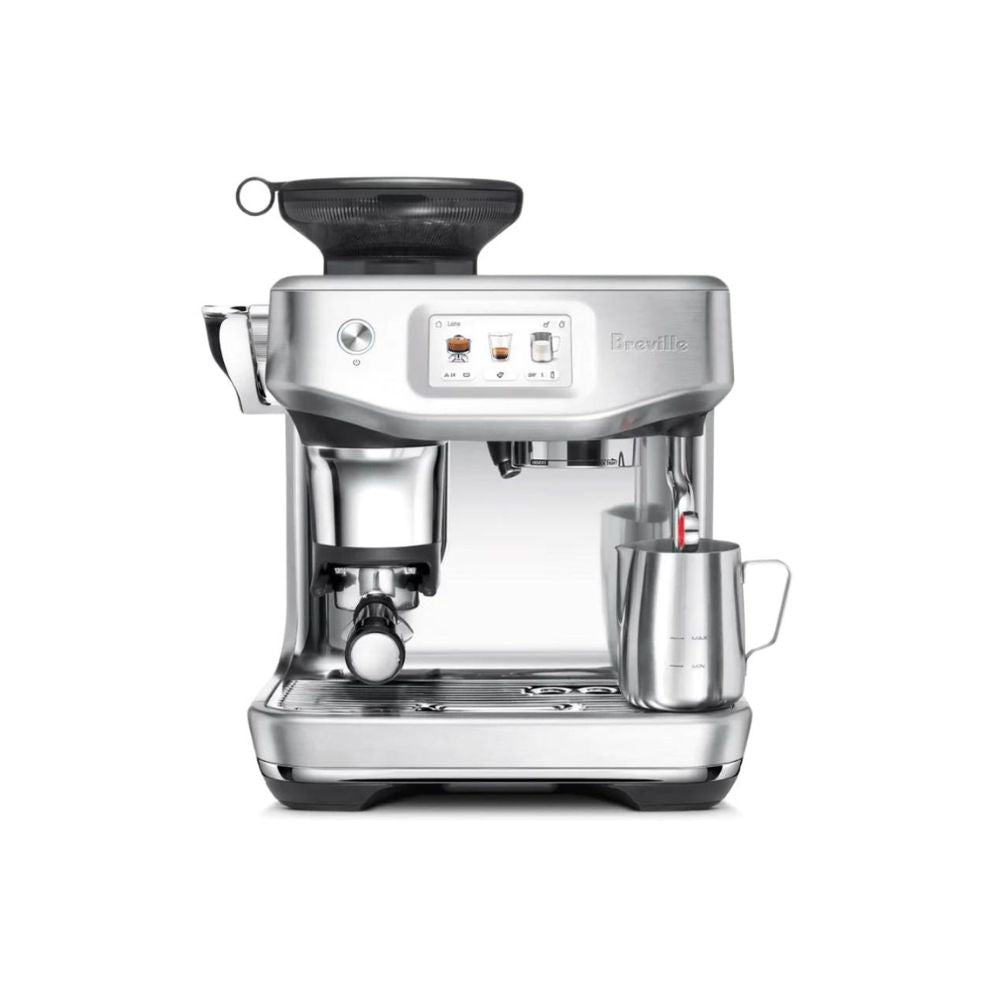
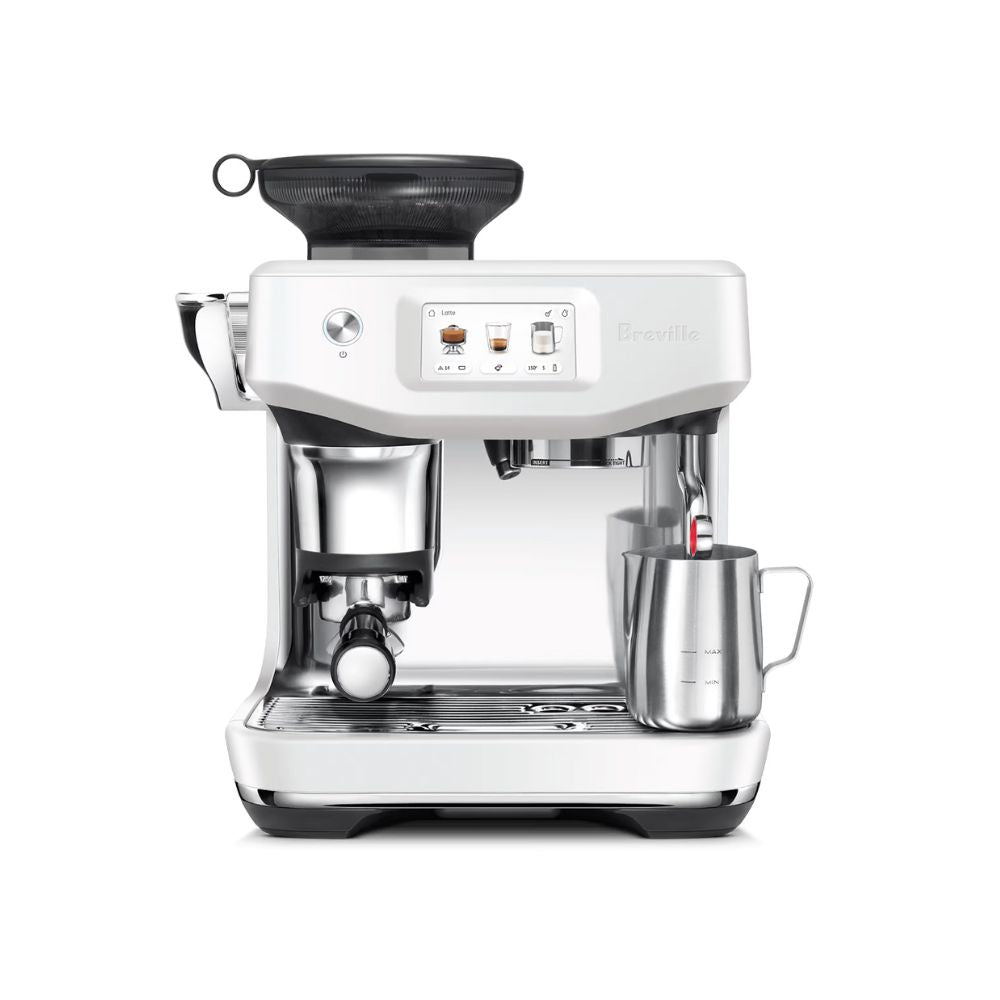
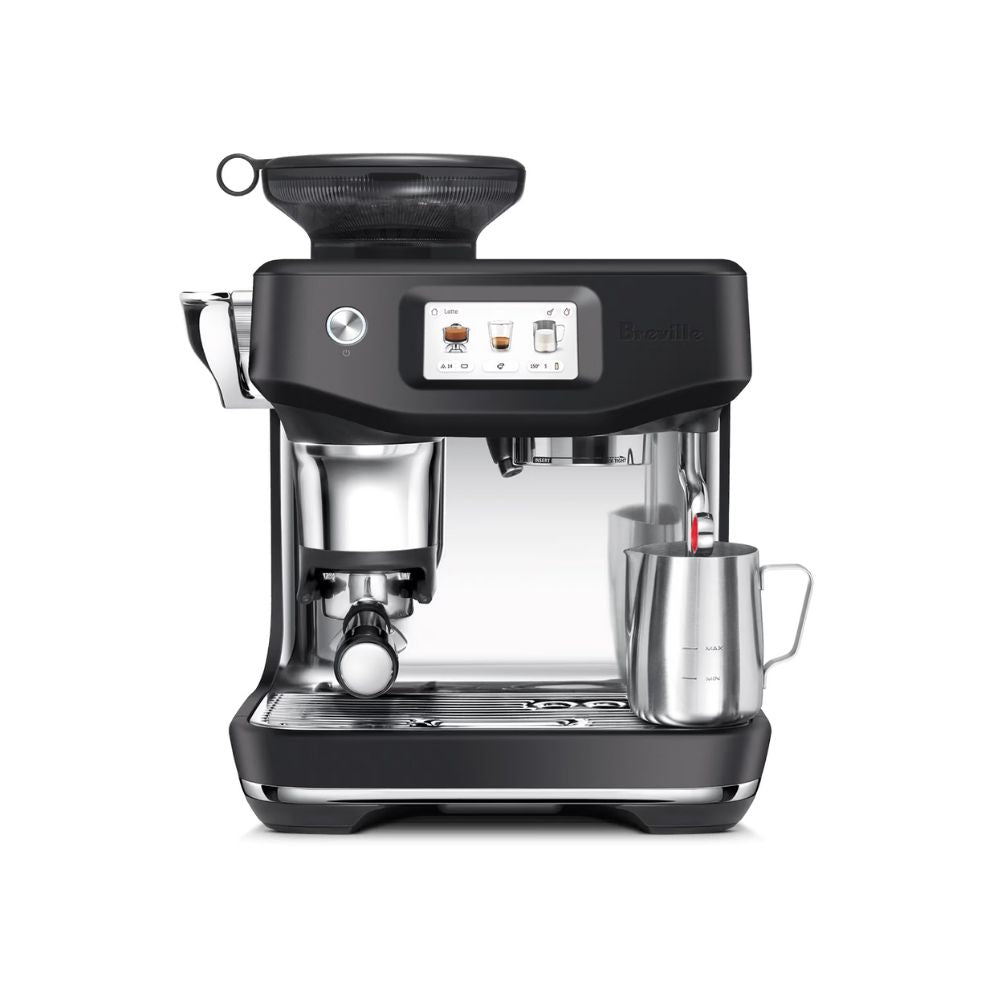
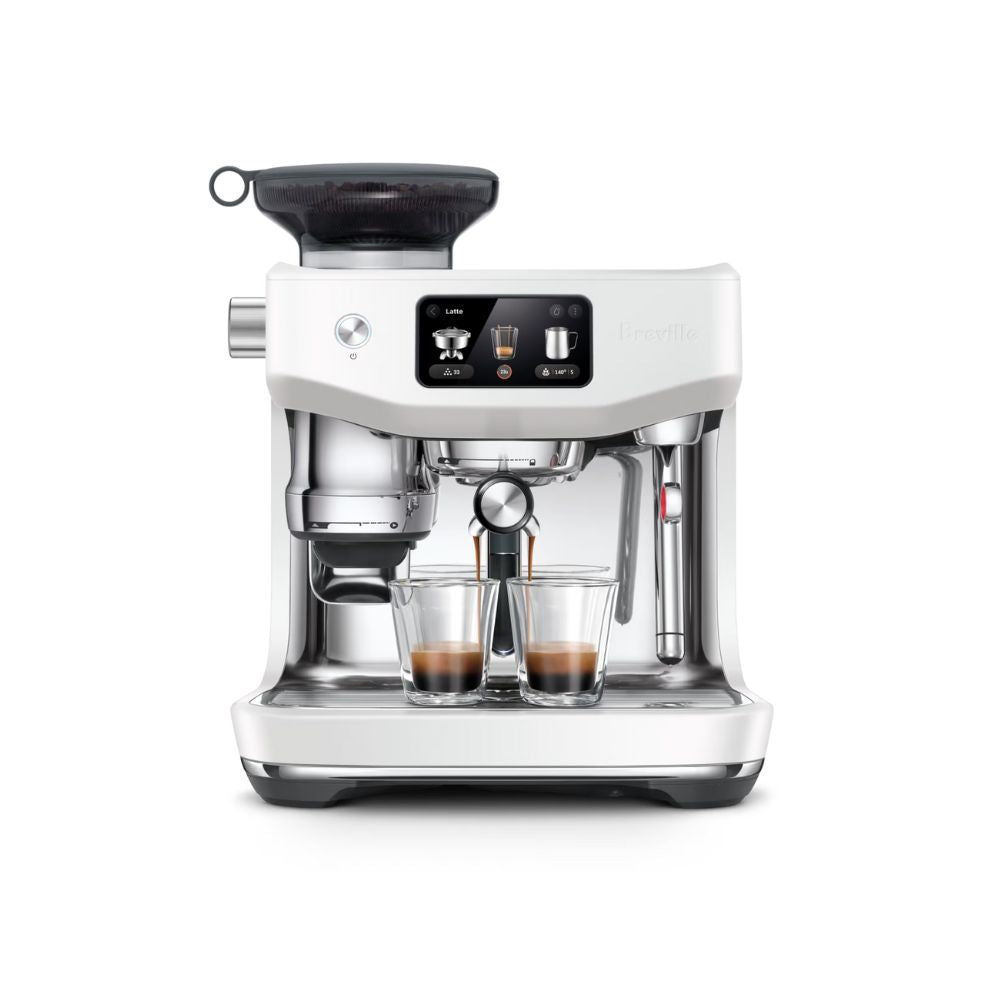
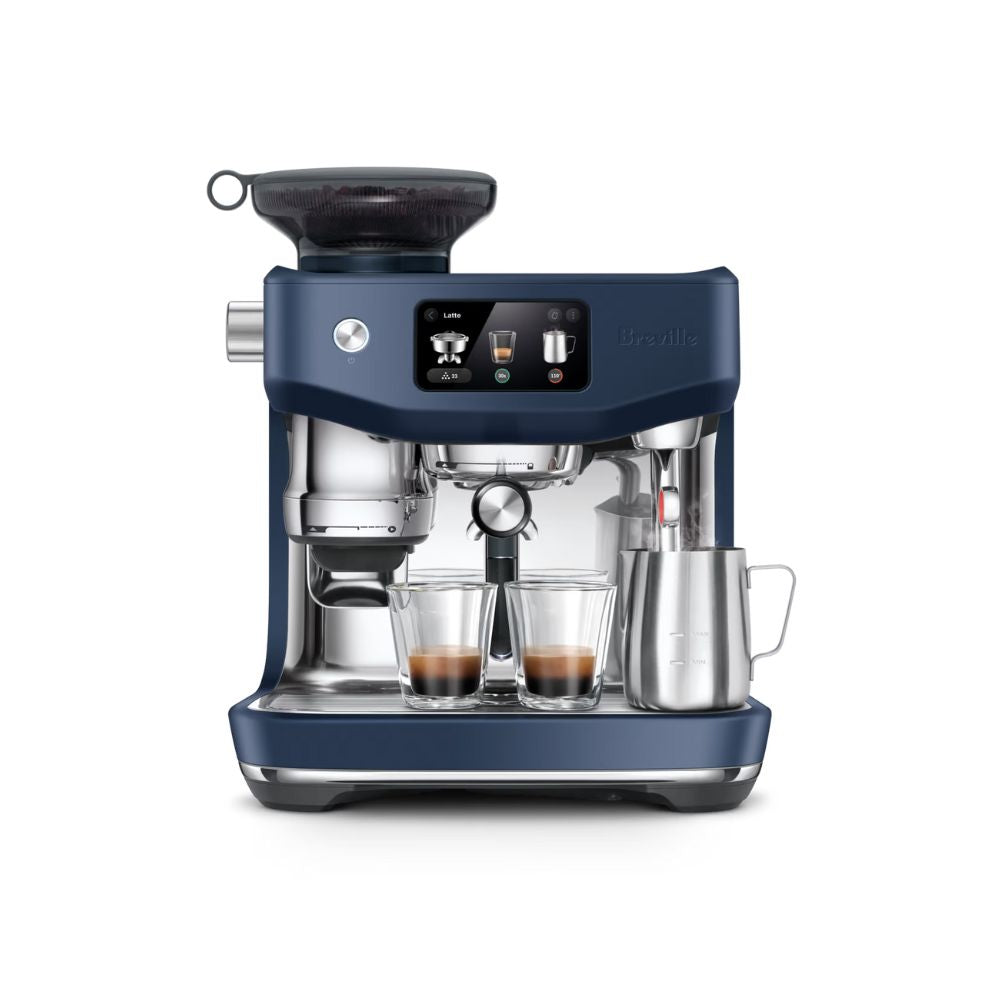
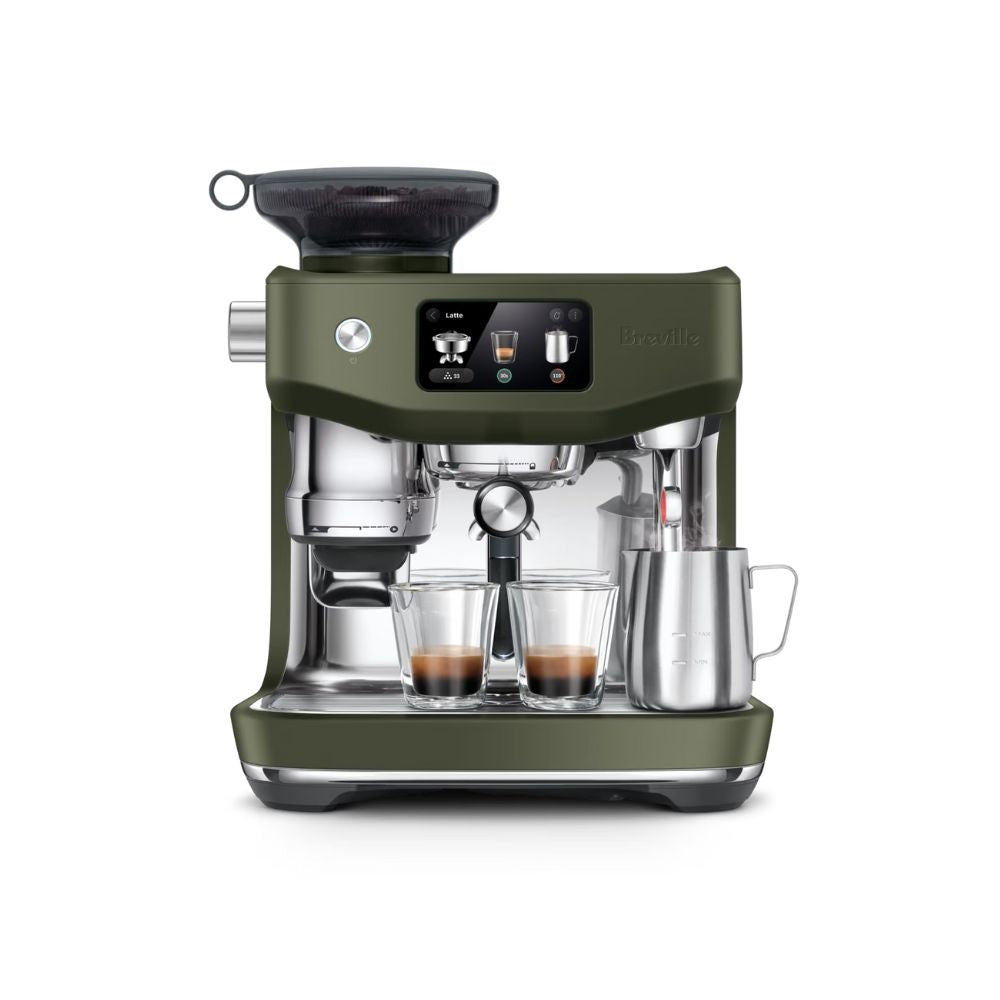
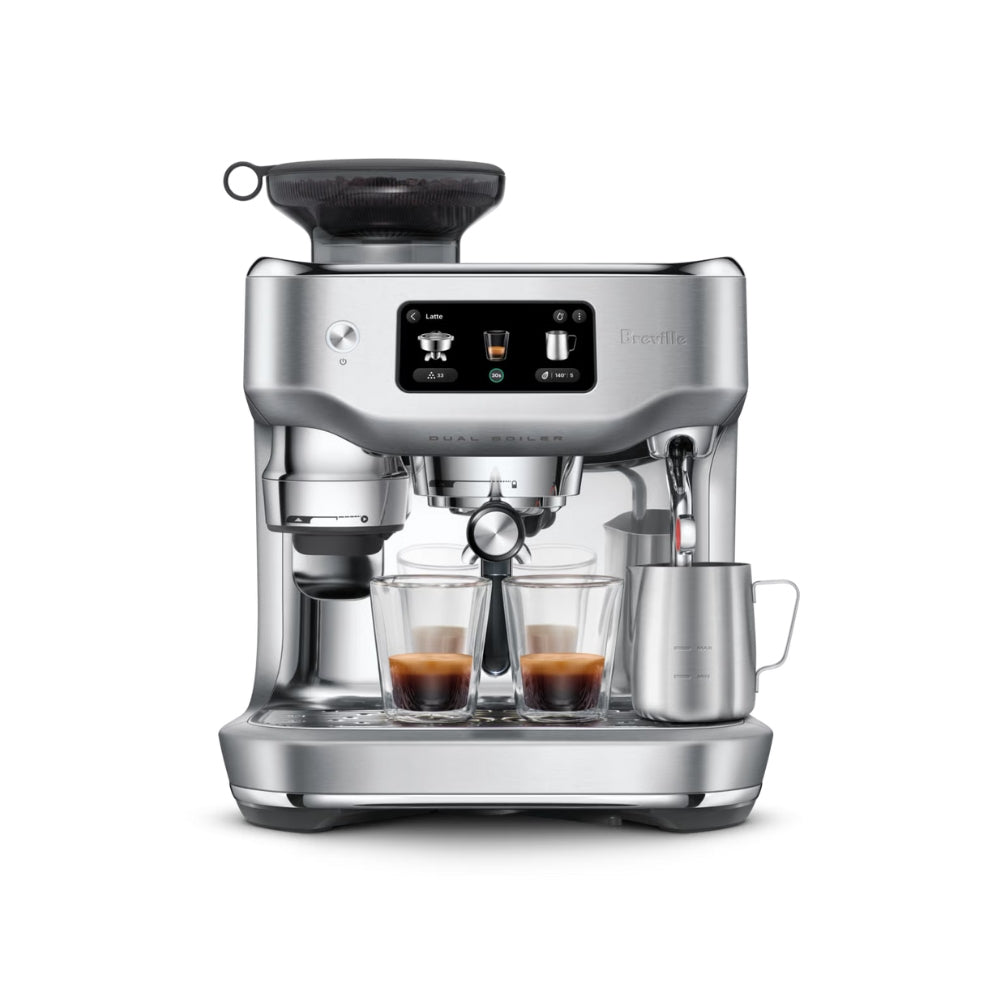
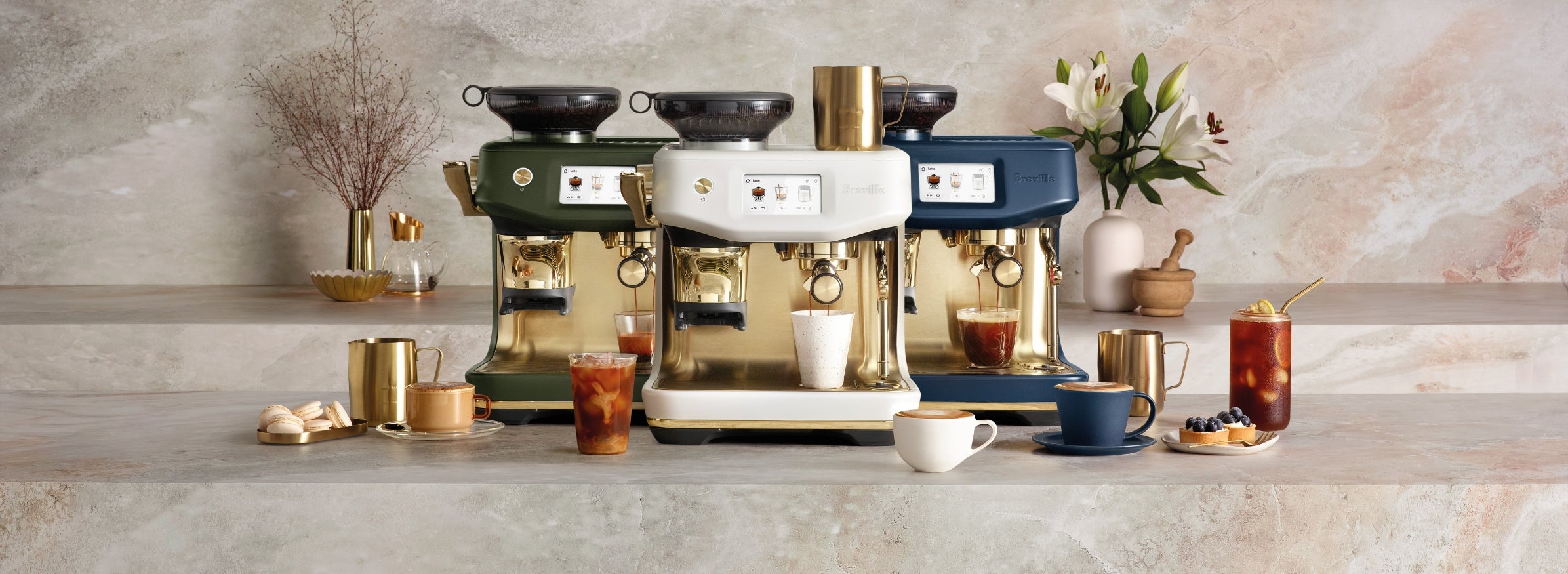
The Breville Dual Boiler Espresso Machine is one option to consider if you want a home-focused dual-boiler machine. Compare its current specifications and controls with your routine rather than assuming all dual boilers offer the same adjustments. If you are deciding whether the extra brewing and steaming capacity fits your household, our article on whether you need a dual boiler at home provides a useful starting point.
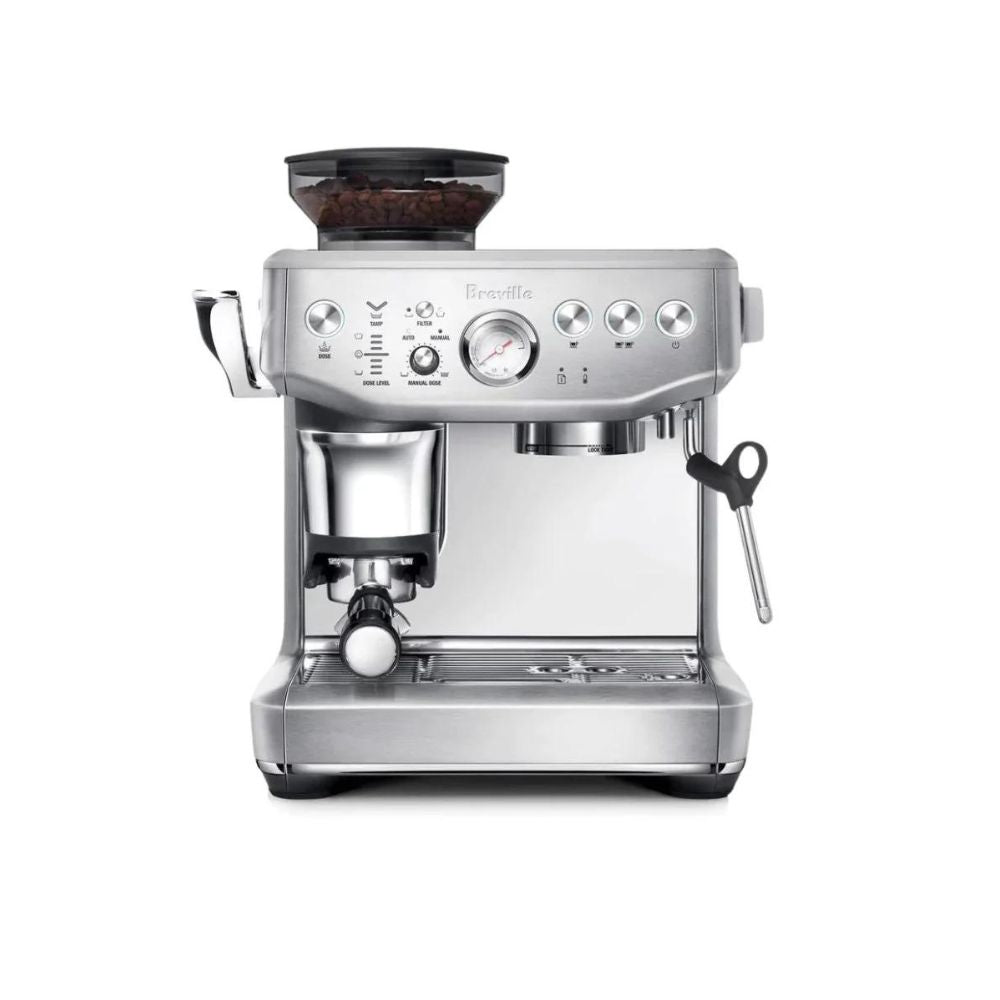
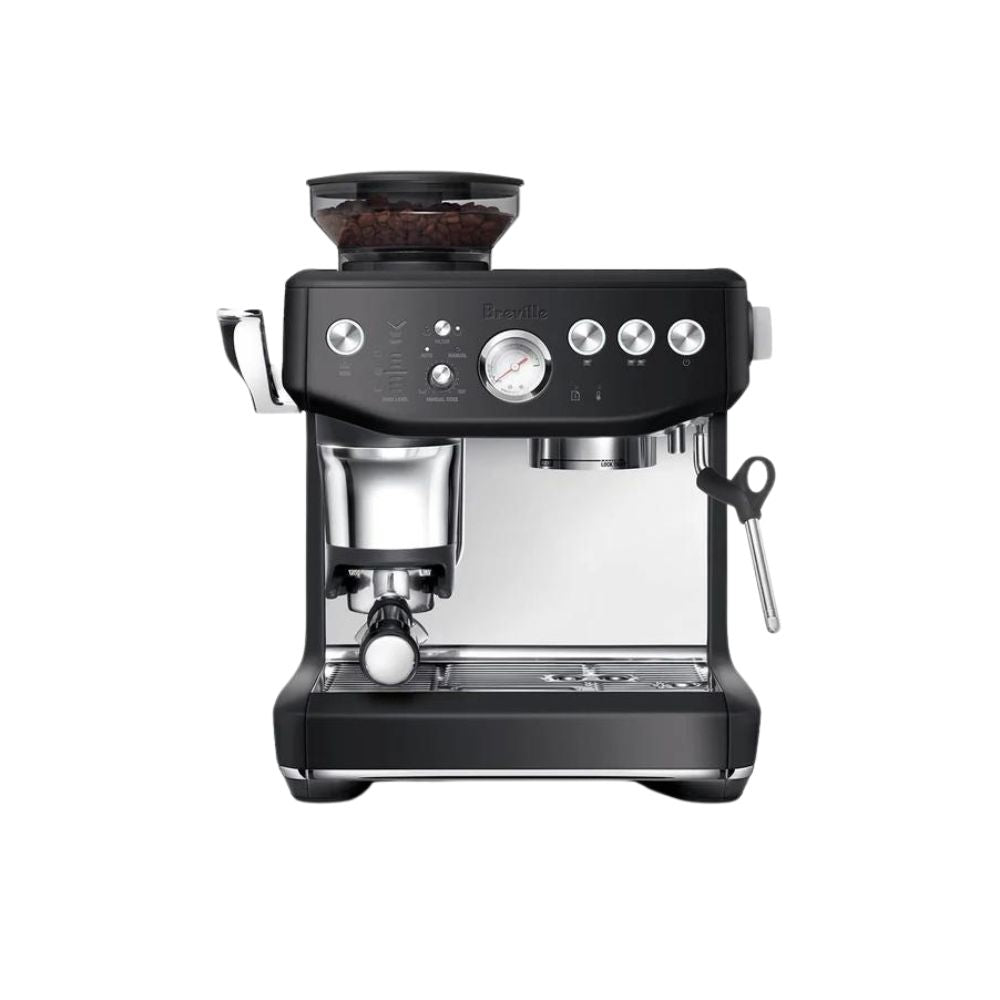
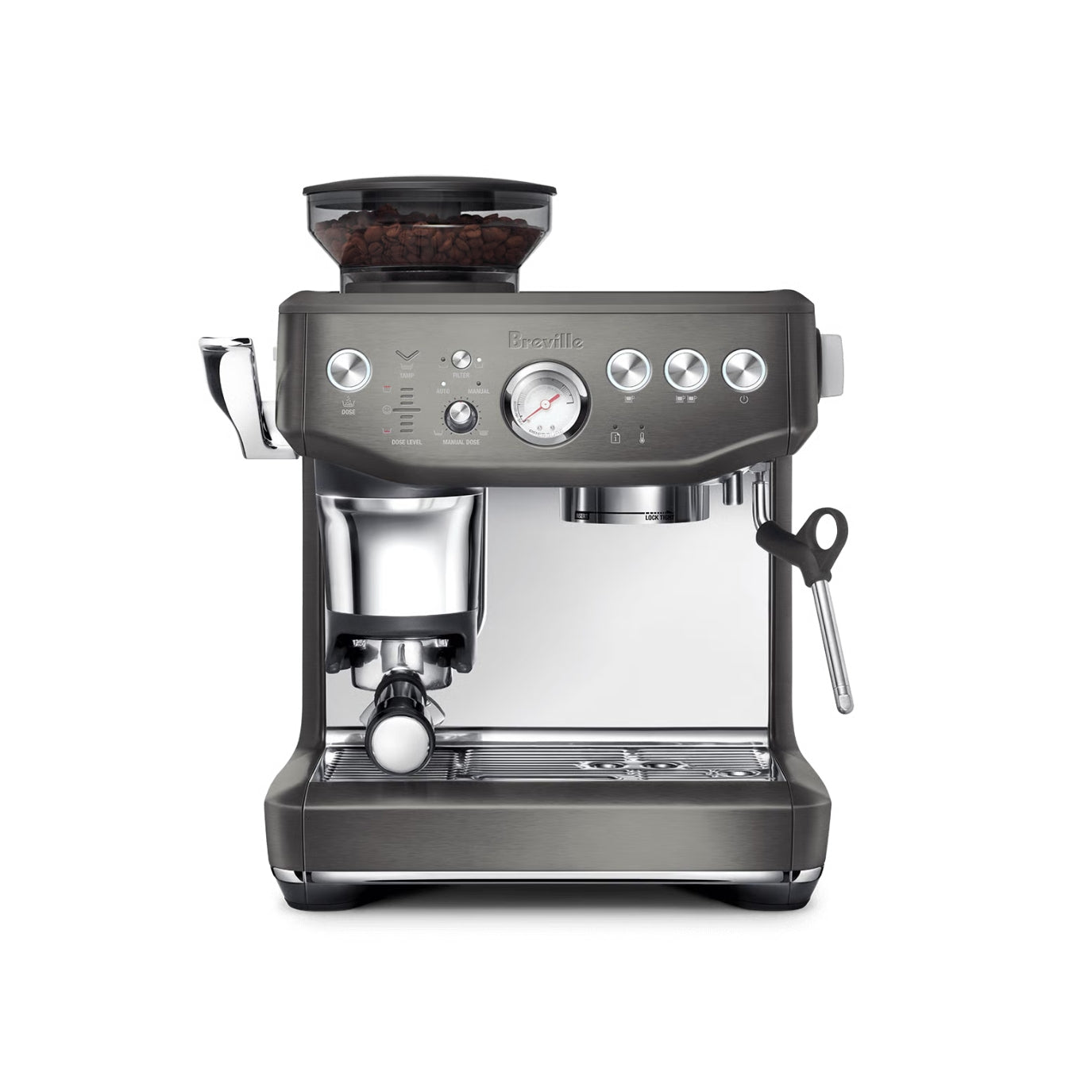
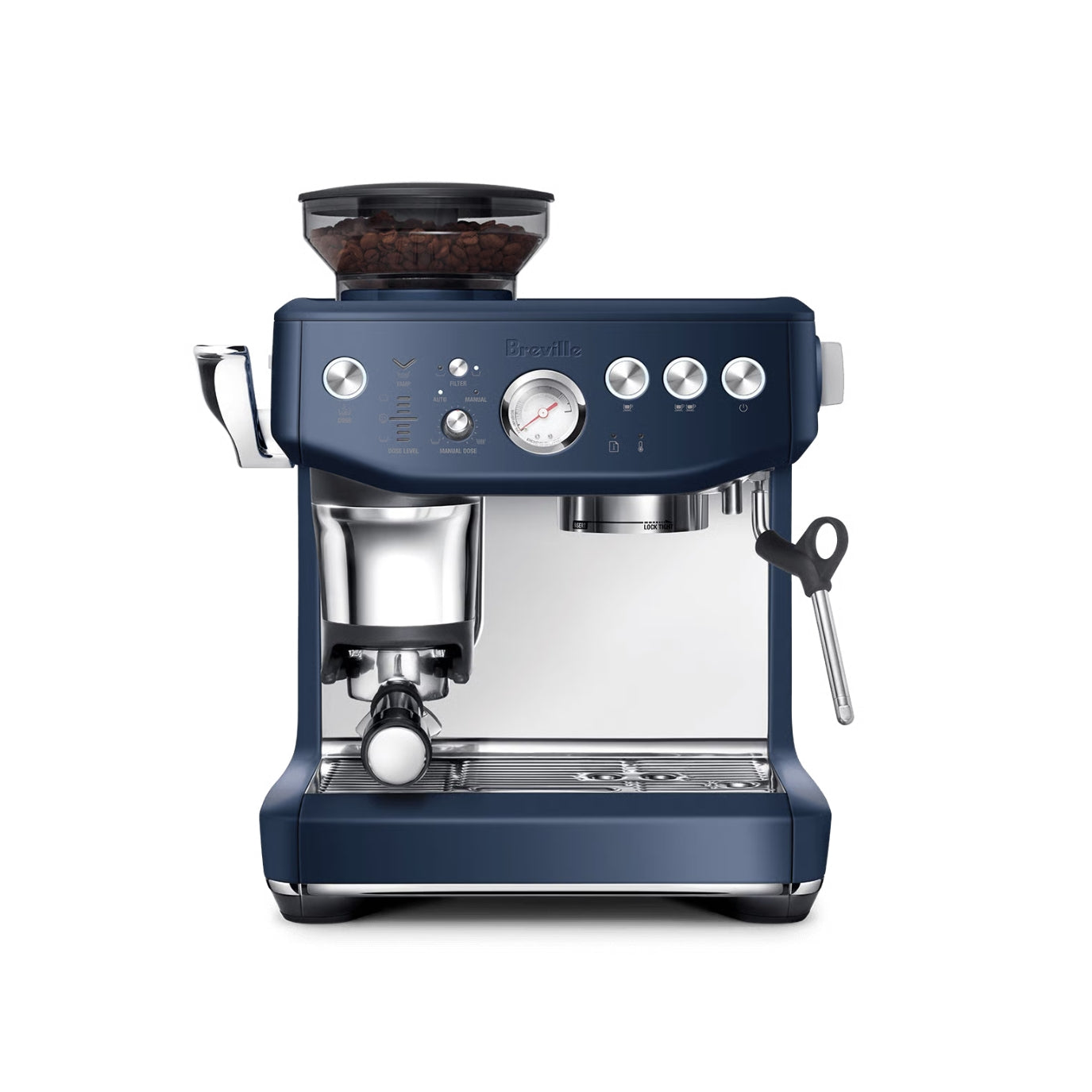
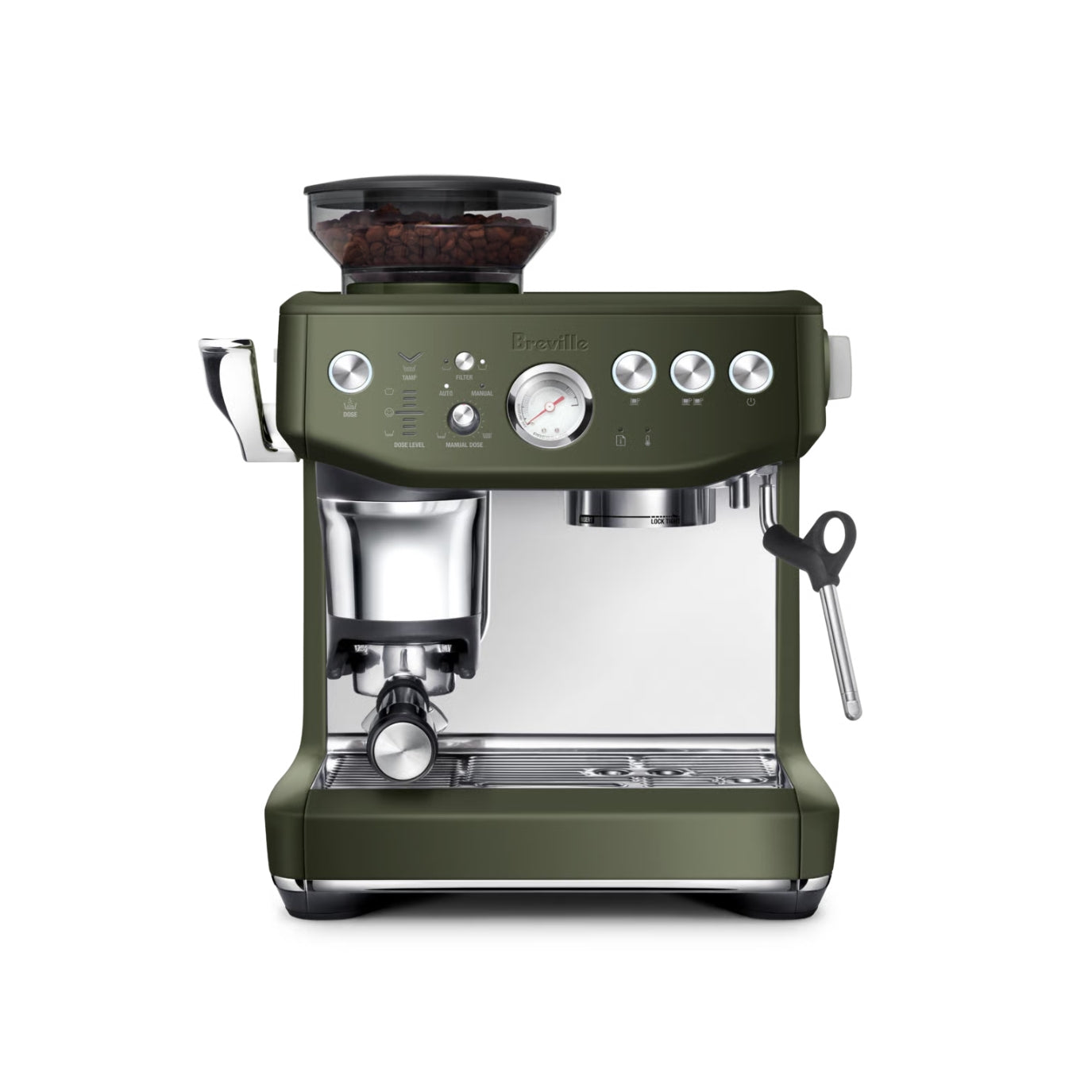
For a more streamlined setup, the KitchenAid Semi Automatic Espresso Machine with Burr Grinder combines a semi-automatic machine and grinder. That may appeal if you want to learn hands-on espresso without building a separate grinder-and-machine setup immediately. Its inclusion here is not a claim that it has the same temperature or flow controls as the Profitec DRIVE. Verify the specific controls you want before buying.
A practical way to dial in a light roast
There is no guaranteed dose, temperature, or shot time for all light roasts. Basket size, bean selection, grinder, and machine change what works. The sequence below is designed to help you learn from each shot without treating a suggested recipe as a rule.
Step 1: Choose a dose that suits your basket
Start within your basket manufacturer’s intended dose range and weigh the dry grounds. Keep that dose unchanged while you establish a grind and yield. Overfilling or substantially underfilling a basket can make a shot harder to interpret, even if the coffee itself is excellent.
Step 2: Prepare the puck consistently
Distribute grounds evenly, break up obvious clumps if needed, and tamp level. Keep the portafilter dry before adding grounds. A finely ground light roast may slow the overall shot, but a poorly prepared puck can still allow water to rush through a narrow channel.
Step 3: Pick a measured starting yield
For example, a provided light roast starting recipe uses an 18-gram dose and a 45-gram beverage yield, a 1:2.5 ratio. Use it only if that dose suits your basket. It is a test point, not a target every coffee must meet. A longer yield gives more water the opportunity to extract flavour, though going too long can dilute the cup or bring out an unpleasant finish.
Step 4: Adjust grind to obtain a workable flow
If the target yield arrives very quickly and the shot tastes thin, try a small move finer. If the machine struggles to produce a steady flow, move slightly coarser. Do not chase one shot time in isolation: pre-infusion changes the timing, and two coffees can taste different despite similar times.
Step 5: Taste, then change one variable
Let the espresso cool enough to taste comfortably. If it is sharply sour and thin despite an even-looking shot, test a slightly longer yield. If that helps but you still want more sweetness, consider a supported temperature increase. If it tastes simultaneously sour and dry, revisit grind uniformity and puck preparation before pushing extraction further.
Step 6: Save the recipe that works for you
Write down your dose, yield, grinder setting, temperature setting if adjustable, and any pre-infusion or flow setting. Do the same when you open a different bag. This simple record is more useful than expecting one light roast recipe to transfer unchanged to every coffee.
How to diagnose a disappointing shot
| What you notice | What to check first | A sensible next test |
|---|---|---|
| Thin, sharply sour espresso with fast flow | Grind size and dose consistency | Grind slightly finer while keeping the dose and yield steady. |
| Sharp acidity with reasonably even flow | Whether the yield is too short for that coffee | Extend the beverage yield modestly and taste again. |
| Little flow or a stalled shot | Grind setting and basket fill | Try a slightly coarser grind before changing several other settings. |
| Sourness and a harsh, drying finish together | Uneven extraction | Improve distribution and tamp consistency, then repeat the recipe. |
| Spraying or flow starting heavily on one side | Puck preparation and basket condition | Prepare the puck more evenly and make sure the basket is clean. |
| A balanced shot that feels weaker than you prefer | Yield relative to dose | Test a slightly shorter yield without assuming the coffee is under-extracted. |
These are starting diagnoses, not guarantees. Acidity can be a defining characteristic of the coffee, and a fast shot can still taste enjoyable. The cup should decide whether a change stays.
Traditional versus super automatic: which is easier for light roasts?
A traditional or semi-automatic setup gives you direct control over coffee preparation and the measured shot. Paired with a suitable grinder, it offers the clearest path for experimenting with fine grind changes, puck distribution, temperature where adjustable, and longer ratios. It is the better fit when exploring the coffee is part of the pleasure of making it.
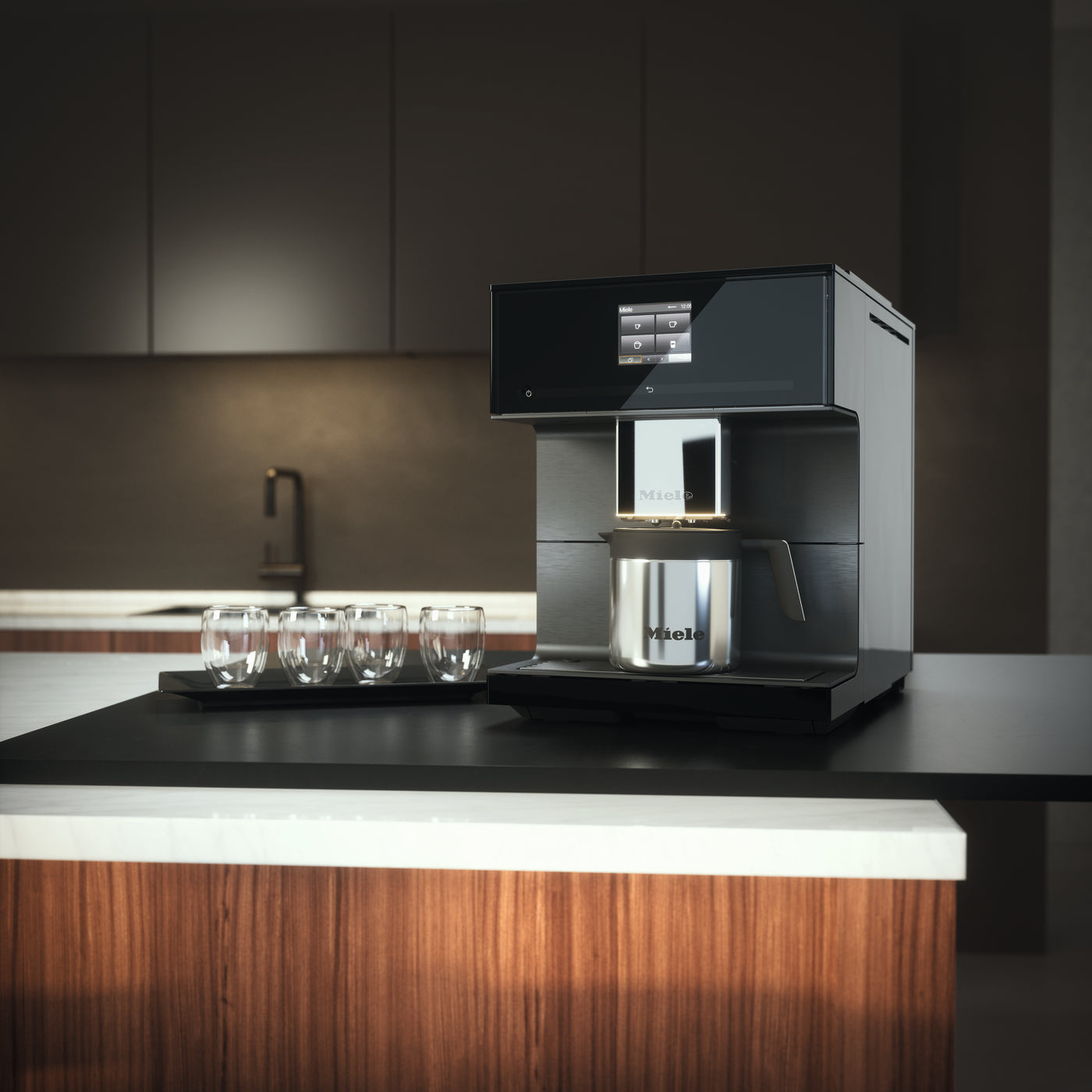
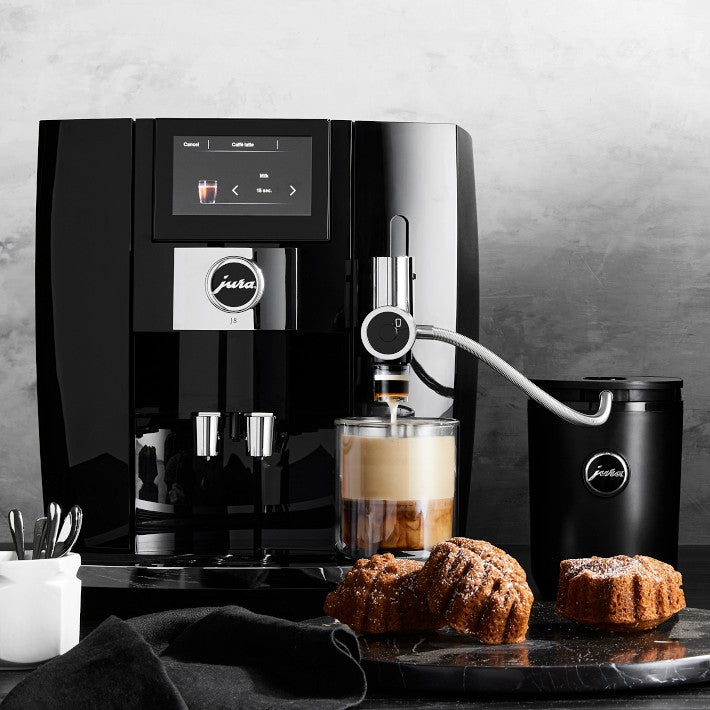
A super automatic handles much of the grinding and brewing workflow for you. That convenience comes with a different kind of control: you work within the settings the particular machine provides, and you generally cannot prepare or inspect the puck in the same way. If light roast espresso is your main goal, check the available grind, strength, temperature, and beverage-volume adjustments on the model you are considering. If you mainly want quick drinks, a coffee that tastes good within those settings may be a more practical choice than trying to force a demanding light roast to match a manual recipe.
We carry both traditional and super automatic machines at Coffee Warehouse, so the recommendation is not that one category wins for everyone. Choose traditional if you want to troubleshoot and refine each bag. Choose super automatic if repeatable convenience matters more, while accepting that some coffees will be harder to tune. For more on matching beans to that workflow, read how to choose beans for a super automatic machine.
Best practices before upgrading your machine
- Spend attention on the grinder first. If you cannot make small, repeatable grind changes, new machine controls may not address the source of inconsistency.
- Let the machine reach its intended operating condition. Follow its warm-up guidance and keep your preparation routine consistent between shots.
- Measure yield by weight. Cup volume can be misleading when crema varies. A scale makes comparisons between recipes clearer.
- Change one variable at a time. Start with grind and yield, then investigate temperature or pre-infusion if the machine offers them.
- Keep water and equipment in good condition. Water composition affects both taste and scale formation. Follow the machine manufacturer’s cleaning and water guidance rather than descaling on an assumed schedule. Our guide to espresso water, hardness, and scale explains why this matters.
- Buy for your normal drinks. If you mostly prepare straight espresso, prioritize the brew path and grinder. If you regularly make milk drinks, consider how easily the machine moves between brewing and steaming.
When we help someone compare machines at Coffee Warehouse, the useful question is not simply, “Can it brew a light roast?” Most espresso machines can. The better question is, “Which part of my current routine prevents me from making the same good shot twice?” That points you toward the feature most likely to matter.
Frequently asked questions
Does light roast coffee require a special espresso machine?
No. You can brew a light roast on a basic espresso machine. An adjustable brew temperature, suitable grinder, and optional pre-infusion or flow control can make it easier to refine the shot, but careful preparation still matters.
Should I always grind a light roast finer than a dark roast?
Often, a light roast benefits from a finer setting, but the correct grind depends on the beans, basket, dose, and desired yield. Move finer when flow is too fast or the shot tastes thin, then check that water still passes evenly through the puck.
Why does my light roast espresso taste sour even when the shot is slow?
A slow shot is not proof of even extraction. Water may be passing through channels while other grounds remain under-extracted. Check distribution, basket fill, and tamp consistency. If the flow is even, try a longer beverage yield or a supported temperature adjustment.
Is a higher brew temperature always better for light roasts?
No. A higher setting can help extract a coffee that tastes thin and sharply acidic, but too much heat or an uneven puck may bring out harsh flavours. Adjust gradually within the machine’s supported range and keep the change only if the cup improves.
Does pre-infusion make light roast espresso less sour?
It can help when uneven wetting is contributing to channeling. It does not guarantee a sweeter shot, and it will not compensate for a grind that is far too coarse. Treat it as a way to improve the consistency of water delivery, then judge the result by taste.
Is flow control worth paying for?
It is most valuable if you enjoy testing different coffees and want hands-on control over how a shot develops. If you prefer a simple daily routine, a good grinder and repeatable temperature and yield may deliver more practical value than another variable to manage.
Can a super automatic make good light roast coffee?
Yes, if the particular coffee tastes good within the machine’s available settings. You may have less room to adjust the grind, brew path, and puck than with a traditional setup, so check the specific model’s controls and be open to trying different beans.
Should I buy a dual boiler just for light roast espresso?
Not necessarily. A dual boiler is especially useful when you want a convenient workflow for brewing espresso and steaming milk. If you mainly drink straight espresso, put grinder quality and the brew controls you will use ahead of boiler count.
The bottom line
Light roast espresso is challenging because its structure makes balanced extraction less forgiving during a short brew. The strongest starting point is a consistent burr grinder, careful puck preparation, measured yield, and stable brew temperature. Pre-infusion and flow control add useful flexibility when you are ready to experiment, while a dual boiler is chiefly a workflow decision for people who also steam milk.
If you are choosing between a simpler machine and one with more manual controls, match the purchase to the way you actually make coffee. Coffee Warehouse offers espresso machines, grinders, beans, and maintenance products, along with personalized tutorials. You can explore the selection at Coffee Warehouse and choose a setup that makes your preferred light roast easier to brew consistently.
Shop Appliances