

What Does a Serious Home Espresso Setup Really Cost in 2026?
Building a serious home espresso setup in 2026 is a goal for many coffee enthusiasts aiming to achieve café-quality results at home. Costs can range significantly based on personal preferences, technical requirements, and the brands featured. Drawing on decades of expertise at Coffee Warehouse, here is a transparent, fact-based guide to what you will truly spend — and what to expect in performance and daily convenience.
Definition: What Is a “Serious” Home Espresso Setup?
A serious home espresso setup includes:
- A dedicated espresso or super automatic machine (not a pod machine or basic drip system)
- A quality burr grinder (separate or built-in, essential for fresh grinding)
- Essential accessories (tamper, milk jug, scale, and knock box)
- Cleaning and maintenance products (descaler, cleaning tablets, filters)
- Quality coffee beans (fresh and suited for espresso brewing)
Combined, these elements ensure consistent, barista-level results with full control over taste, temperature, and texture.
Direct Cost Breakdown in 2026: Realistic Ranges
For those ready to leave behind basic machines and café lines, the cost in 2026 for a serious home espresso setup usually falls within these bands:
- Starter serious setups: Around $500 to $900
- Super automatic or convenience-focused setups: Around $800 to $1,500+
- Prosumer enthusiast setups: Around $1,500 to $3,500+, sometimes higher with advanced features
On average, most home users investing in genuine, café-quality performance can expect to spend between $800 and $2,500 all-in for machines, grinder, accessories, cleaning supplies, and beans.
Key Cost Components of a Home Espresso System
Every serious espresso setup is more than just the machine. Here’s how the investment breaks down:
- Espresso or super automatic machine
- Burr grinder (unless integrated into the machine)
- Essential accessories (tamper, milk pitcher, knock box, scale)
- Cleaning/maintenance (descaler, cleaning tablets, milk system cleaners, filters)
- Quality coffee beans (ongoing consumption cost)
Framework: Three Budget Levels and What to Expect
1. Entry-Level Serious Setup ($500–$900)
This is for those who want authenticity but are willing to learn manual skills.
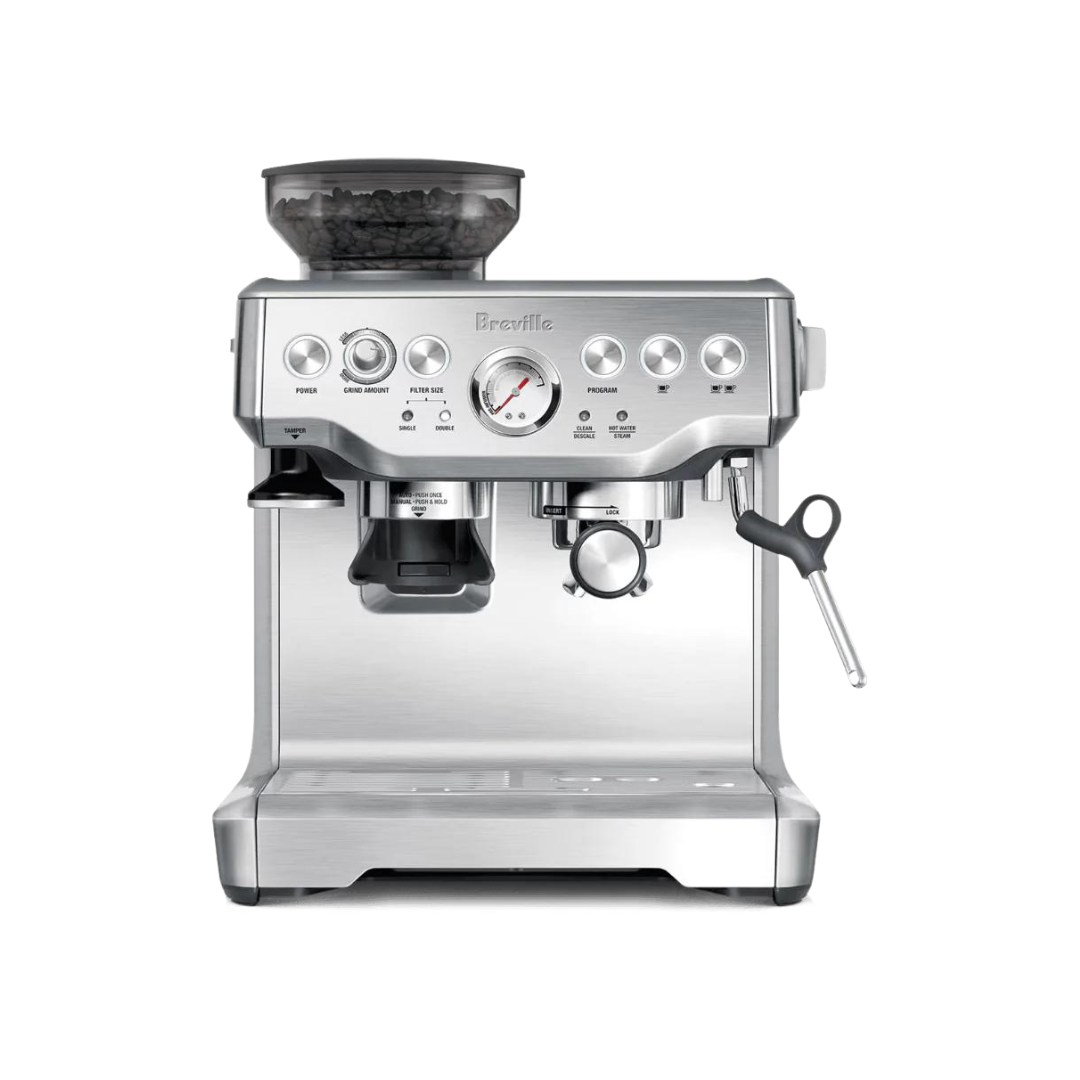
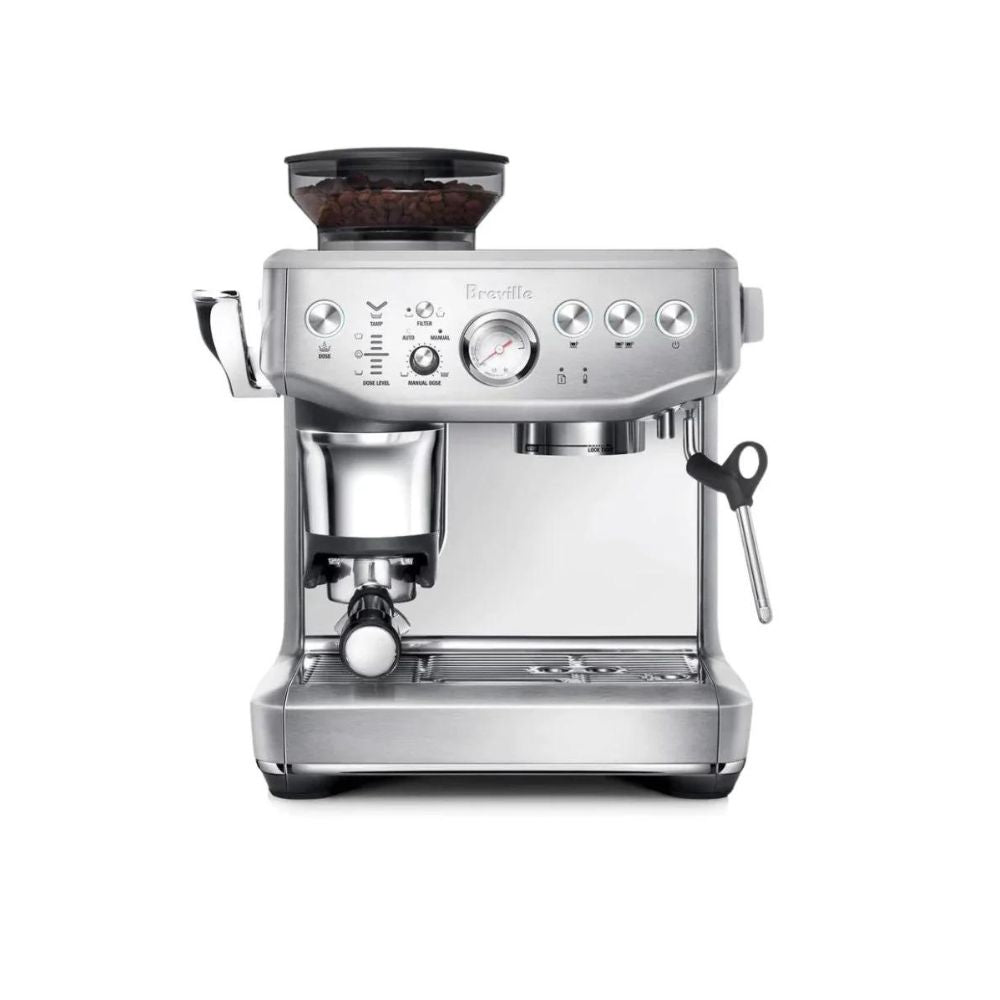
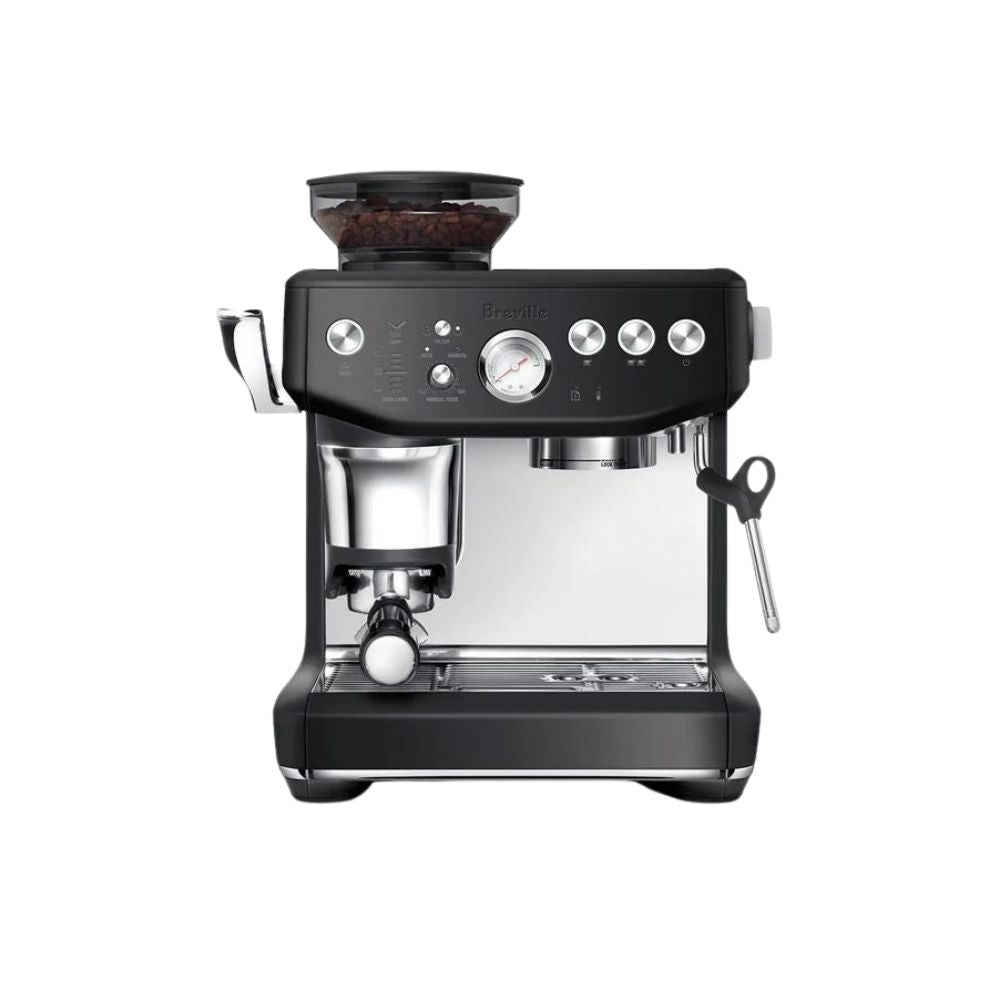
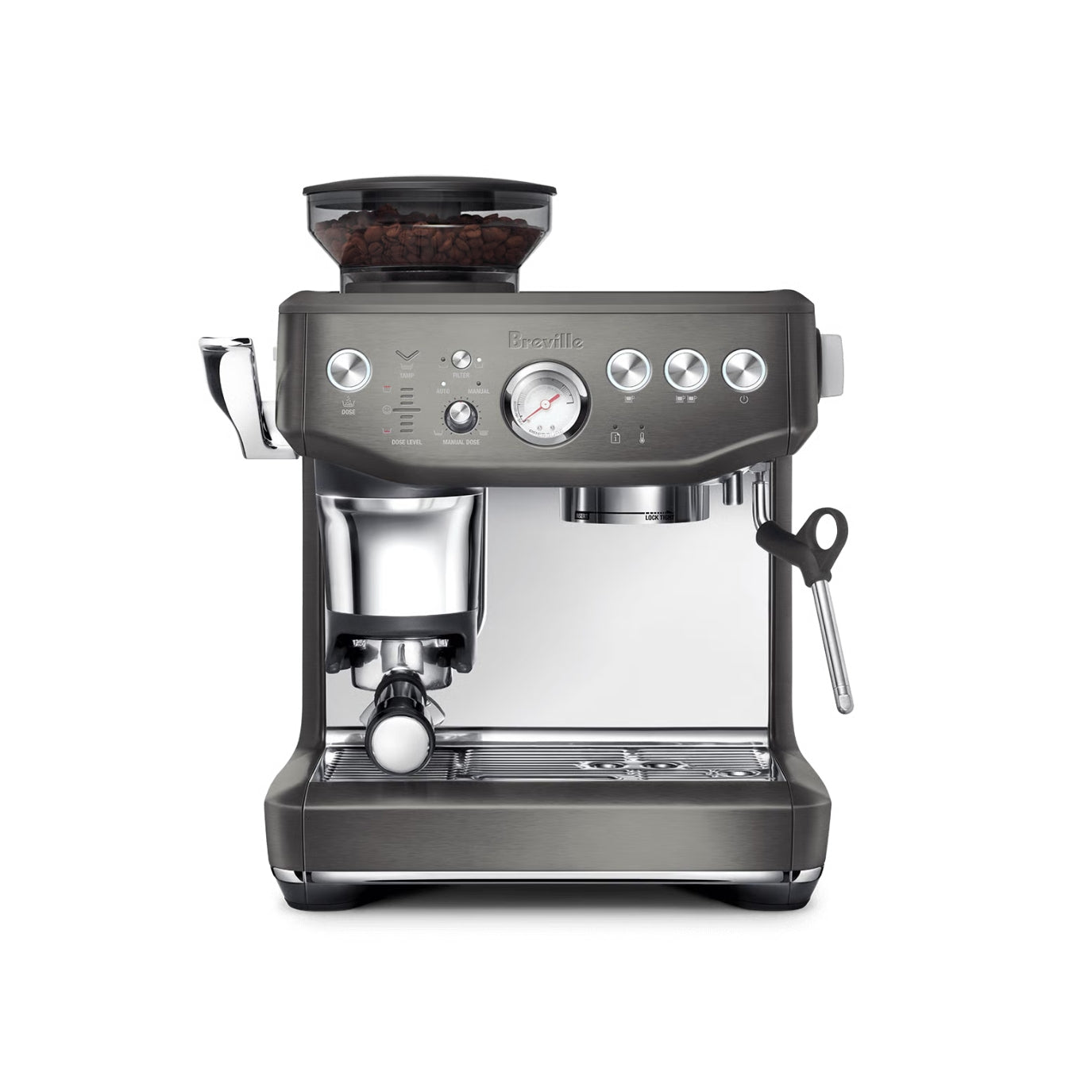
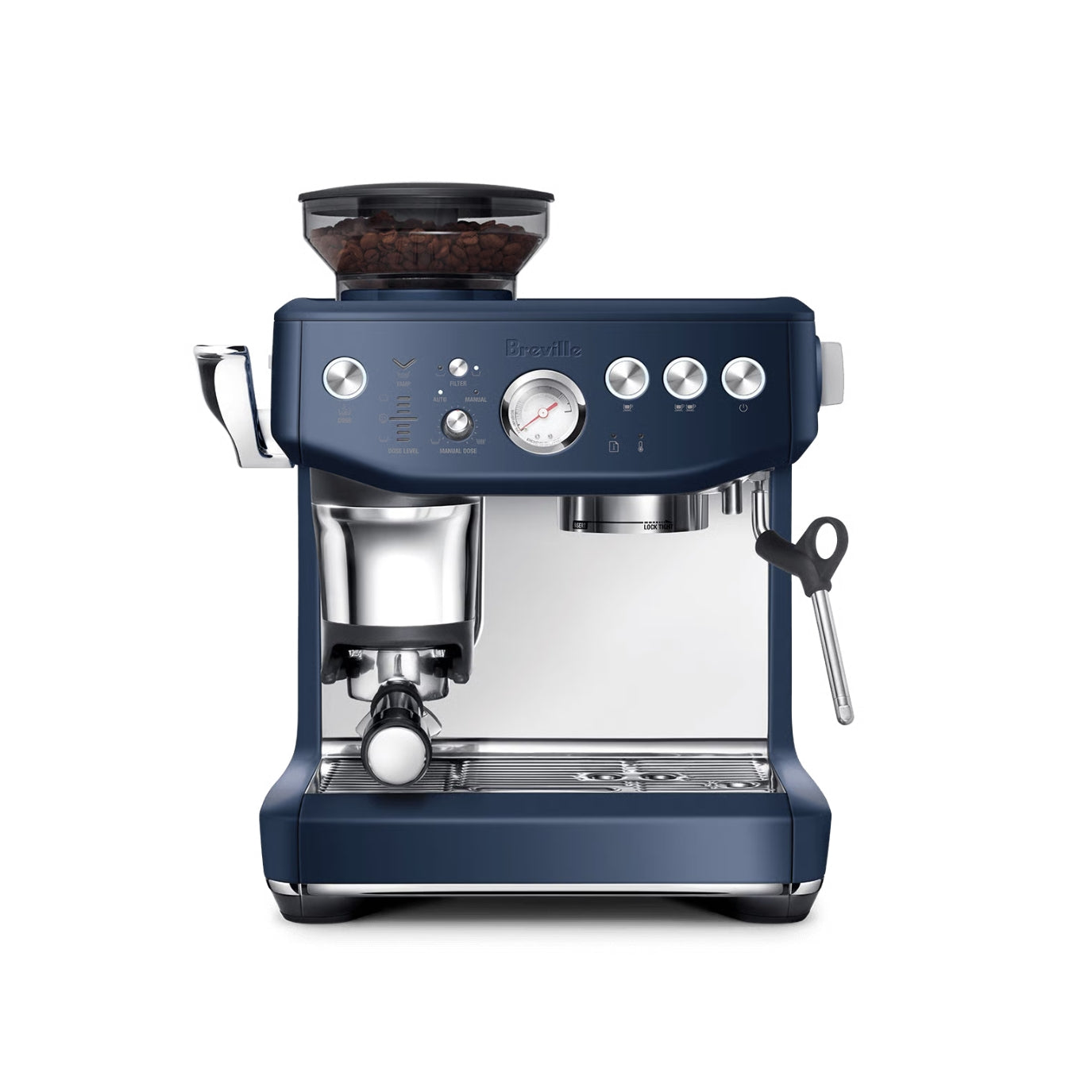
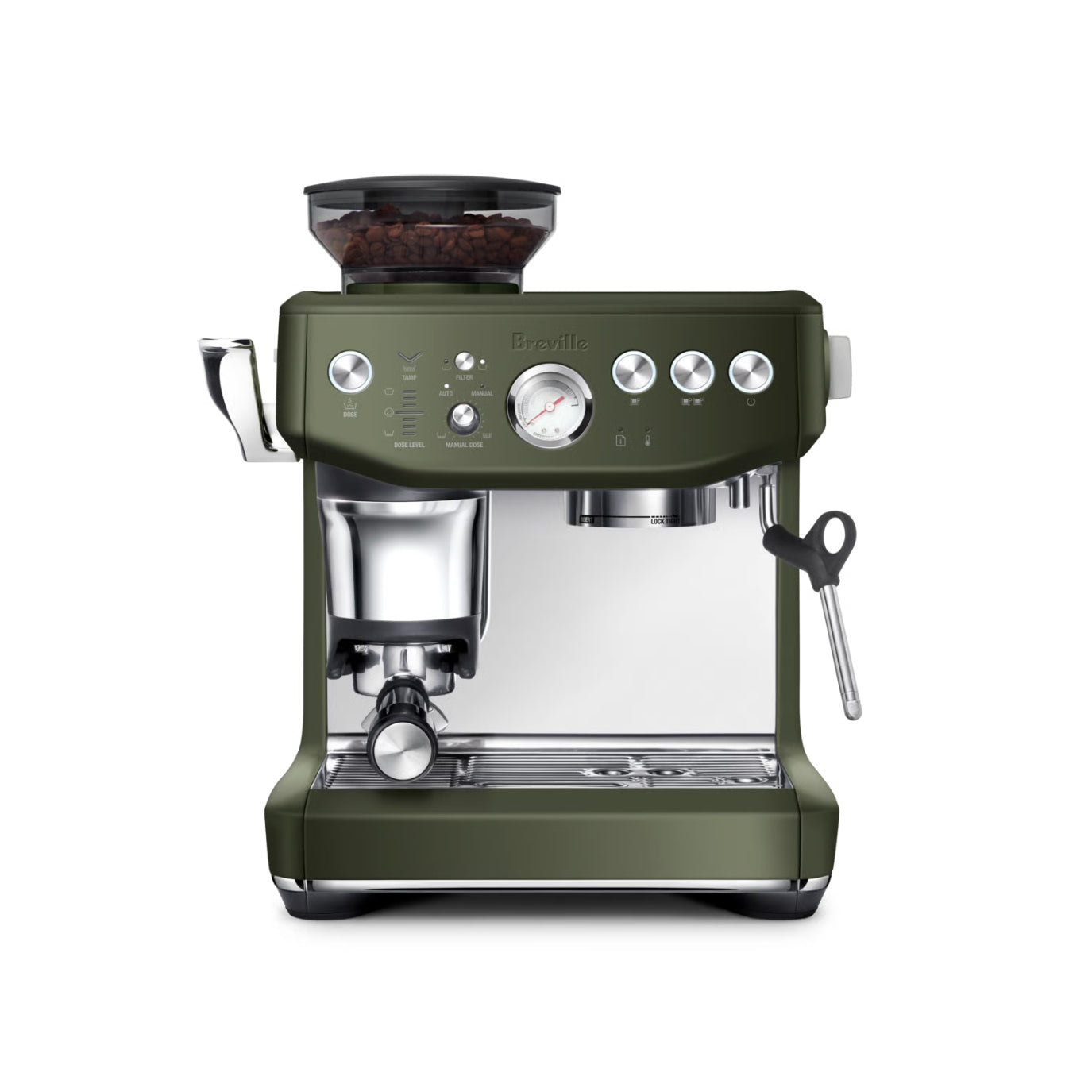
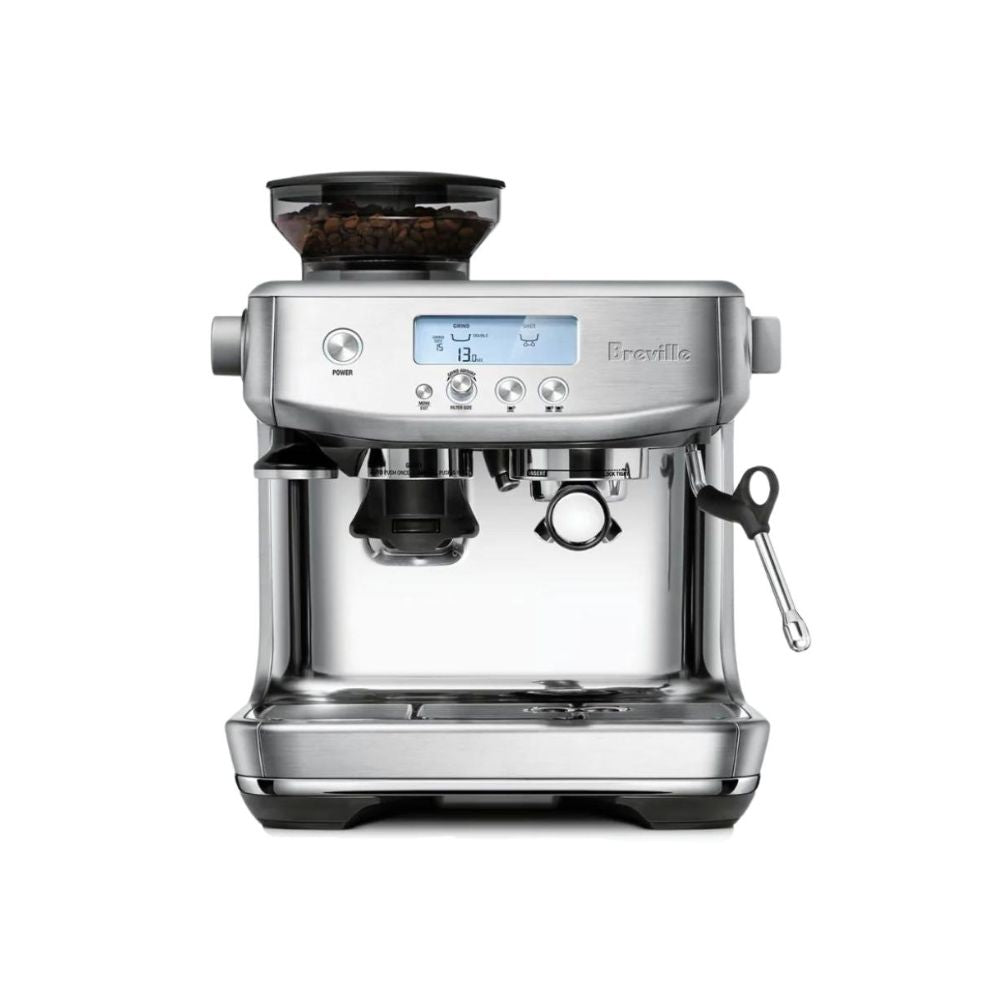
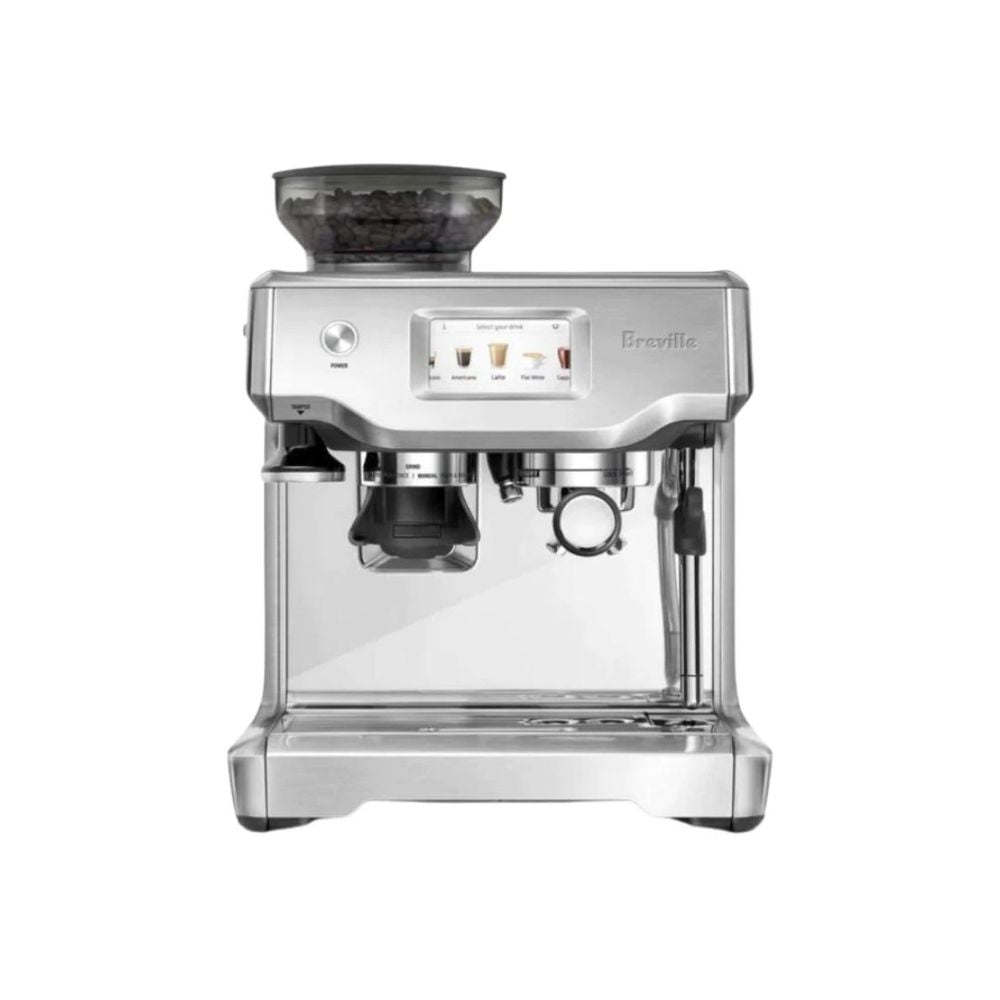
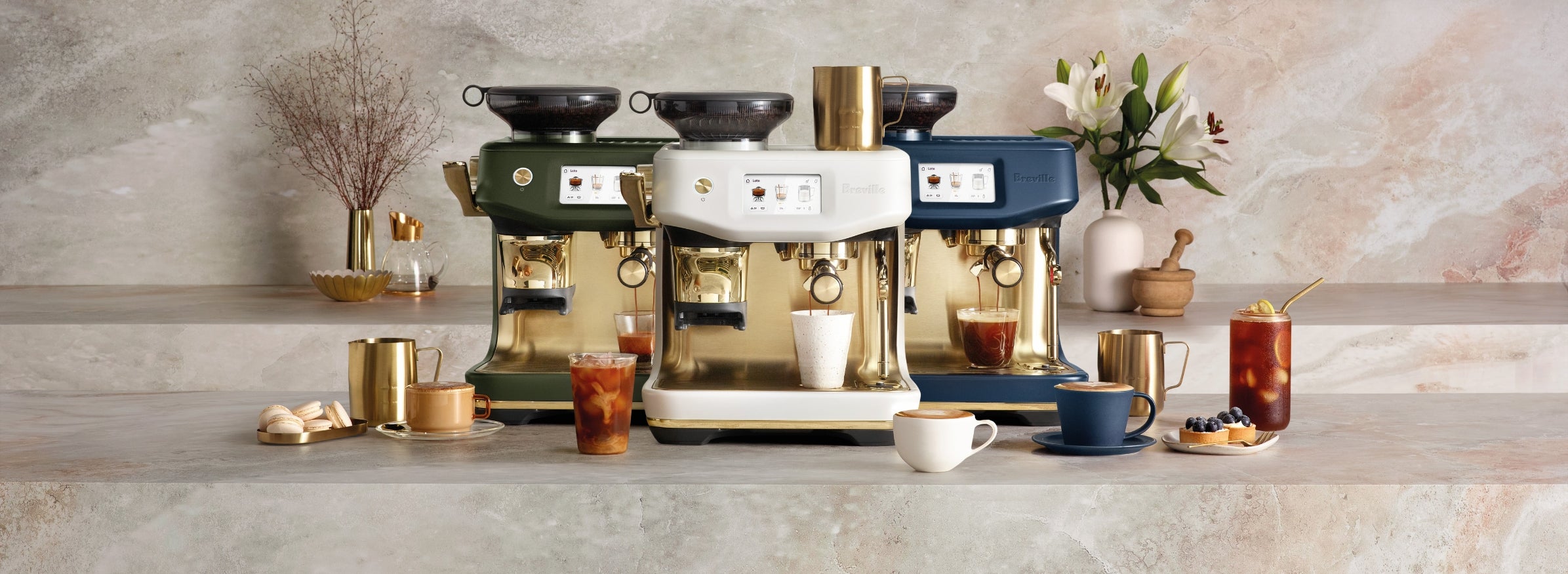
- Machine: $250 to $500 (semi-automatic category)
- Grinder: $100 to $150
- Accessories: $80 to $150
- Initial cleaning & maintenance: $40 to $80
- Beans: $50 to $80 (2 kg of premium beans)
Total: $520 to $960
Typical machines: classic semi-automatics, starter grinders like the Breville Smart Grinder Pro (see product), and a basic accessory set. For a better understanding of grinders and machine pairing, review What Grinder Should You Pair With a Prosumer Espresso Machine?
2. Convenience-Centered Super Automatic Setup ($800–$1,500+)
Perfect for those who want high-quality drinks at the press of a button with minimal effort.
- Super automatic machine (with built-in grinder): $700 to $1,500
- Accessories: $80 to $150 (cups, latte glasses, knock box)
- Cleaning products/filters: $60 to $120
- Beans: $80 to $120
Total: $920 to $1,890
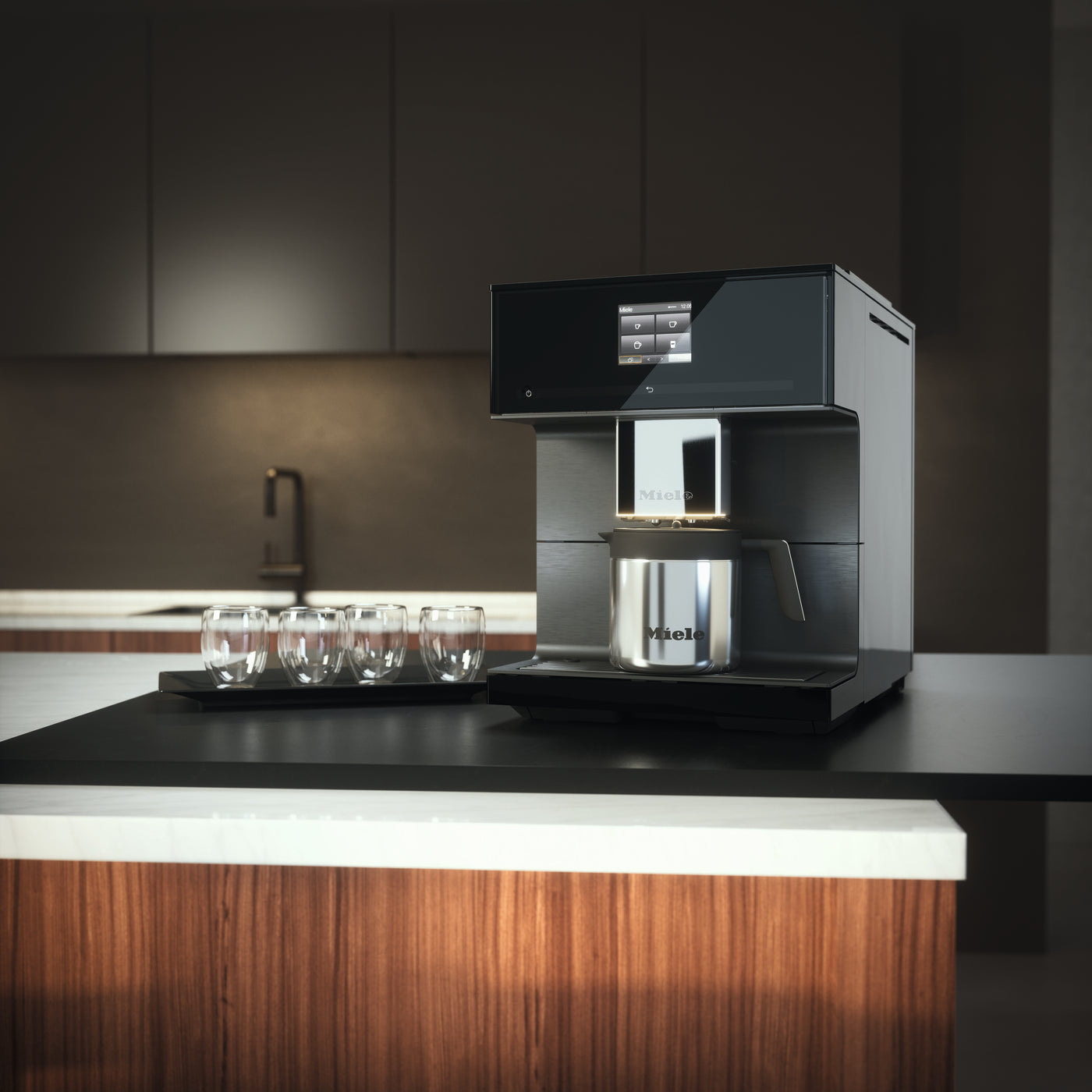
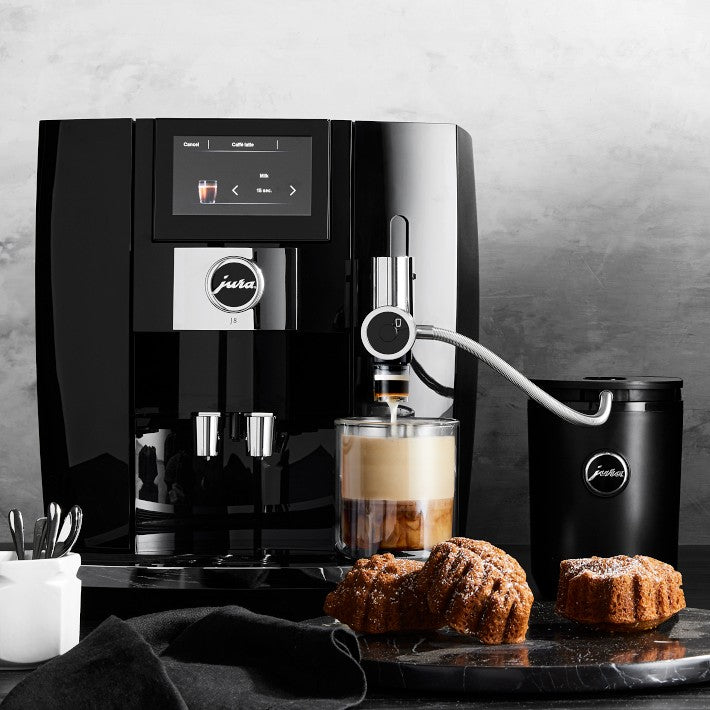
Key machines in this range at Coffee Warehouse include models from Jura or Miele, such as the Jura ENA8 Super Automatic. For more comparison, see Jura E8 vs Miele CM6360: Which One Makes Better Lattes (and Is Easier to Clean)?
3. Prosumer-Level Enthusiast Setup ($1,500–$3,500+)
This bracket is for home baristas who want robust controls and a high-quality workflow for years.
- Prosumer espresso machine: $1,500 to $3,000+
- High-end grinder: $500 to $1,200
- Precision accessories: $150 to $300
- Cleaning & water treatment: $80 to $150
- Beans: $120 to $180 (3–4 kg of specialty beans)
Total: $2,350 to $4,830
Machines like the Rocket R Cinquantotto, Profitec DRIVE Dual Boiler, or ECM Mechanika Max provide thermal stability and nuanced control. Premium grinders such as the Rocket Super Fausto Grinder or Profitec Twist SD54 Single Dose Grinder complete a dedicated setup. For side-by-side comparisons in this tier, visit Dual Boiler Showdown for Home Baristas.

Hidden and Ongoing Costs Many Buyers Overlook
1. Grinder Quality
Grinders can be as important—or more so—than the machine for shot quality. Even with a modest machine, a consistent burr grinder avoids the disappointment caused by uneven extraction. Coffee Warehouse offers a range from affordable to prosumer models, ensuring you do not bottleneck your espresso workflow.
2. Cleaning and Maintenance Supplies
Proper maintenance protects both flavor and hardware lifespan. Expect to budget for:
- Descaling tablets (such as Breville Descaler or Miele Descaling Tablets)
- Cleaning tablets (for brew group and pathways in super automatics)
- Milk system cleaners for machines with frothing systems
For guidance, check The Essential Guide to Cleaning and Maintaining Your Jura Espresso Machine.
3. Coffee Beans
Regular use means ongoing cost. Most homes use:
- 250g per week for a single daily double shot
- 500g+ per week for busy households or multiple milk drinks
With beans at $25–$35 per kg from Coffee Warehouse’s curated selections, two daily users spend roughly $150–$300 per year.
Step-by-Step Example Setups
Beginner on a Budget (2026 Example)
- Machine: Breville Bambino Plus ($480)
- Grinder: Entry burr grinder (such as Breville Smart Grinder Pro, $100–$150)
- Accessories: Tamper, milk jug, scale, knock box ($120)
- Cleaning: Descaler, tablets ($60)
- Beans: Two 1kg bags from Coffee Warehouse ($60–$70)
Total: $820–$880
Convenience Focused Household
- Machine: Super automatic (Jura ENA8, $709.99–$1,200+ range)
- Accessories: Latte glasses, spoons, knock box ($120)
- Cleaning: Tablets, milk cleaner ($90)
- Beans: Three 1kg bags ($90–$105)
Total: $1,010–$1,025
Prosumer Enthusiast
- Machine: ECM Mechanika Max ($2,000–$2,500 typical)
- Grinder: Rocket Super Fausto ($900–$1,200)
- Accessories/maintenance: $250–$300
- Beans: Four 1kg bags ($140)
Total: $3,410–$4,210
How to Choose the Right Tier for Your Home
A few central questions guide your investment:
- How many drinks per day? One drink? Entry-level is fine. Multiple drinks or entertaining? Super automatic or prosumer makes life easier.
- How much do you enjoy the ritual? Hands-on brewing fits manual or prosumer machines. Convenience seekers thrive with super automatics.
- How long do you plan to keep the machine? Three years? Start with mid-range or super automatic. Longer? Prosumer builds with accessible service win the value race — and Coffee Warehouse offers in-house warranty on leading brands.
Best Practices for a Successful Setup
- Invest in a quality grinder; do not cut corners if you value taste and consistency
- Maintain a regular cleaning schedule: Descale every three to six months, use cleaning tablets as directed, and keep milk systems sanitary
- Use fresh, specialty-grade coffee from reliable sources
- Buy only the accessories you will genuinely use; invest in better tools as your skills progress
- Leverage retailer expertise; at Coffee Warehouse, our team can help align your ambitions with the right product bundle
Frequently Asked Questions
What does ongoing maintenance cost for a home espresso setup?
Annual maintenance for a serious setup typically includes descaling tablets, cleaning products, and water filters, ranging from $60 to $150 per year, depending on usage and machine type.
How important is the grinder?
The grinder is crucial to extraction quality. Even with a premium machine, a poor grinder will produce inconsistent or lackluster espresso. Coffee Warehouse’s grinder selection caters to every skill and budget level.
Can a home espresso setup save money versus café visits?
Yes, if you are buying drinks out multiple times per week. Many home setups pay for themselves within one to two years compared with spending $1,500–$2,000 per year on café coffee.
Do I need a dual boiler or advanced features?
Dual boilers and PID controllers improve consistency, especially for milk drinks and back-to-back brewing. They are essential for enthusiasts, but not mandatory for all users. See Do You Need a Dual Boiler Espresso Machine for Home Use? for details.
What’s the difference between super automatic and traditional espresso machines?
Super automatics automate the grind, tamp, extraction, and milk frothing. Traditional (semi-automatic/prosumer) machines require manual workflow but grant greater control.
Conclusion: Spend for Results, Not Hype
A truly serious home espresso setup in 2026 is less about chasing the highest number and more about matching features and investment to your habits and ambitions. With most setups falling between $800 and $2,500, it is critical to weigh convenience, control, and long-term reliability.
At Coffee Warehouse, our focus is making every dollar of your upgrade count — pairing the right machine, grinder, and accessories, and ensuring local support for Canadian customers. For personalized guidance and the most trusted brands, visit us and explore the best machines and accessories for building your dream home café.
Shop Appliances