

Espresso Machines With Built-In Grinders: Who Should Buy One and Who Should Skip It?
Choosing an espresso machine with a built-in grinder is a smart way to streamline your home coffee setup—but it is not the best solution for everyone. At Coffee Warehouse, we help customers every day decide whether this all-in-one option fits their lifestyle, brewing habits, and long-term goals. Below, our expert team breaks down who truly benefits from built-in grinders and who should opt for separate gear, using real-world considerations and clear expert guidance.
What Is an Espresso Machine With a Built-In Grinder?
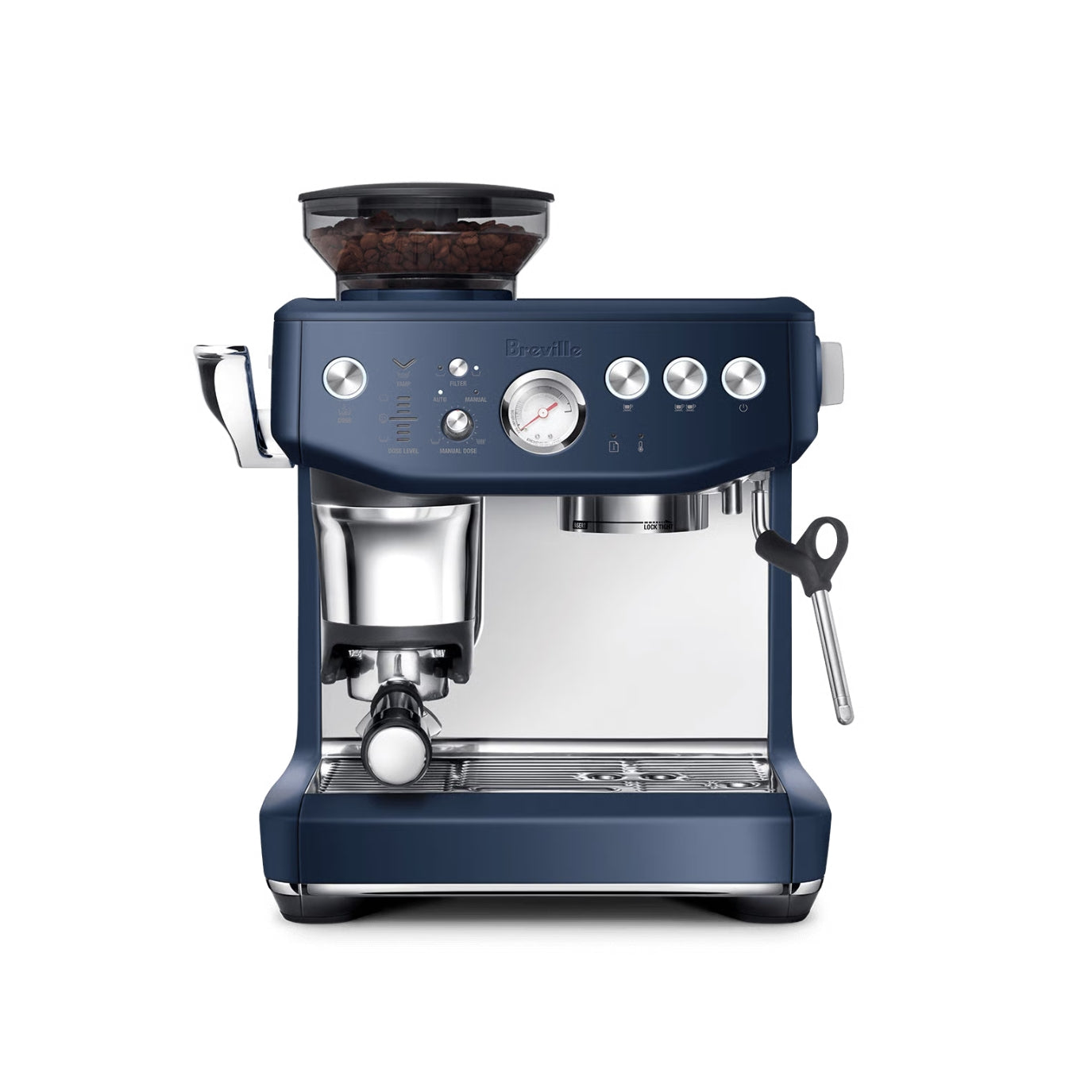
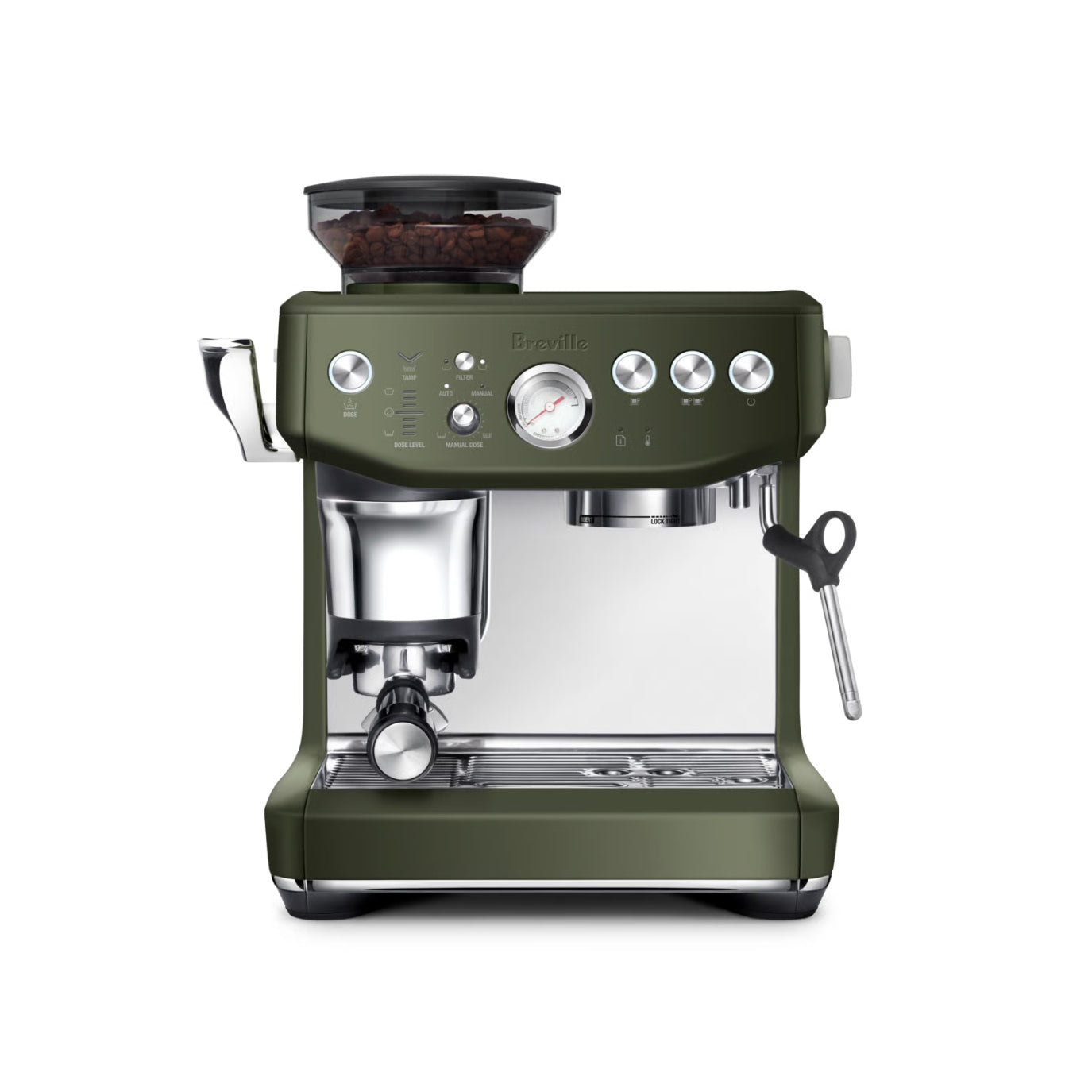
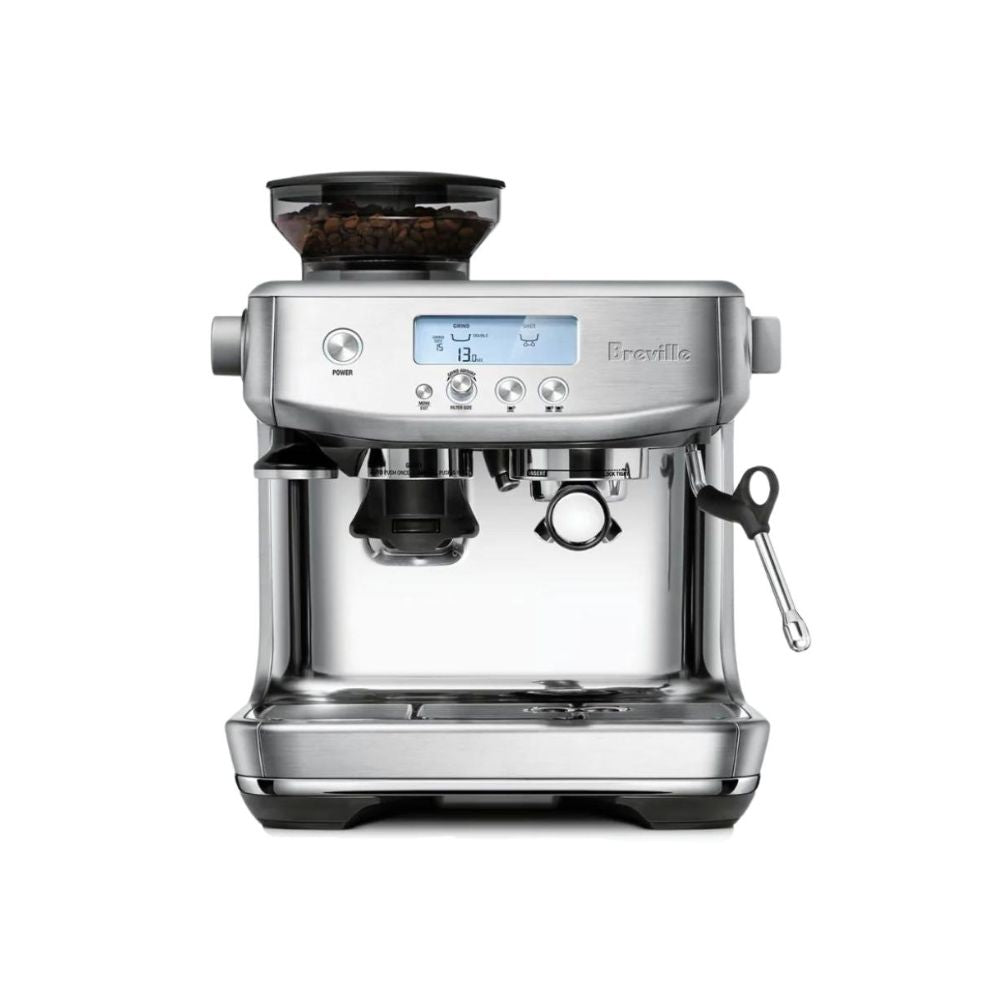
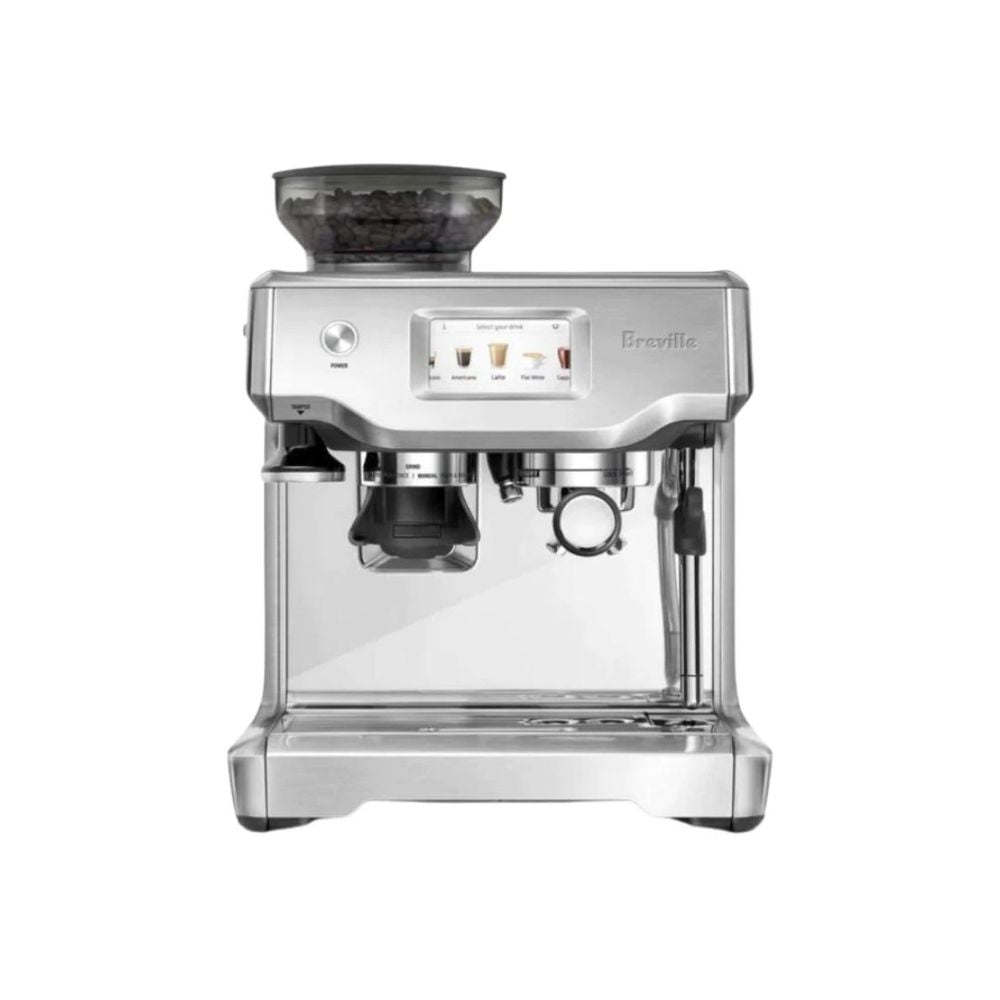
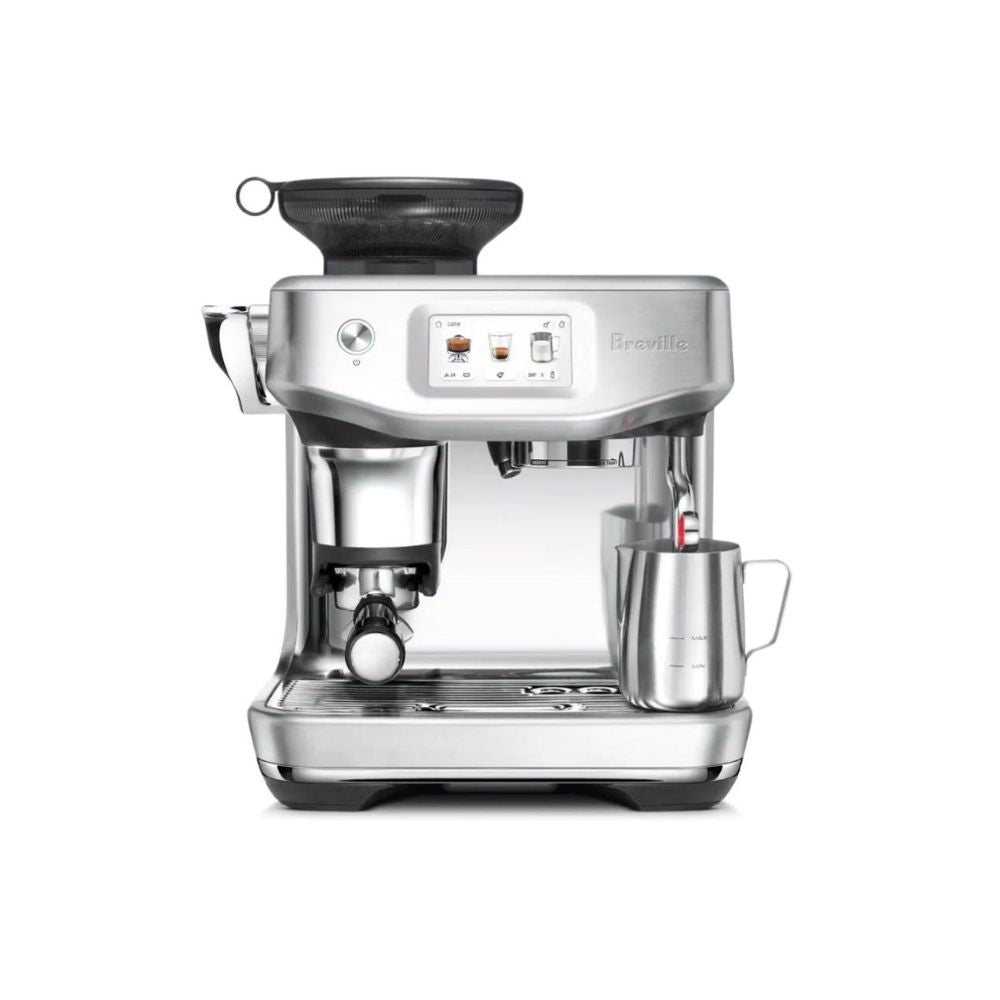
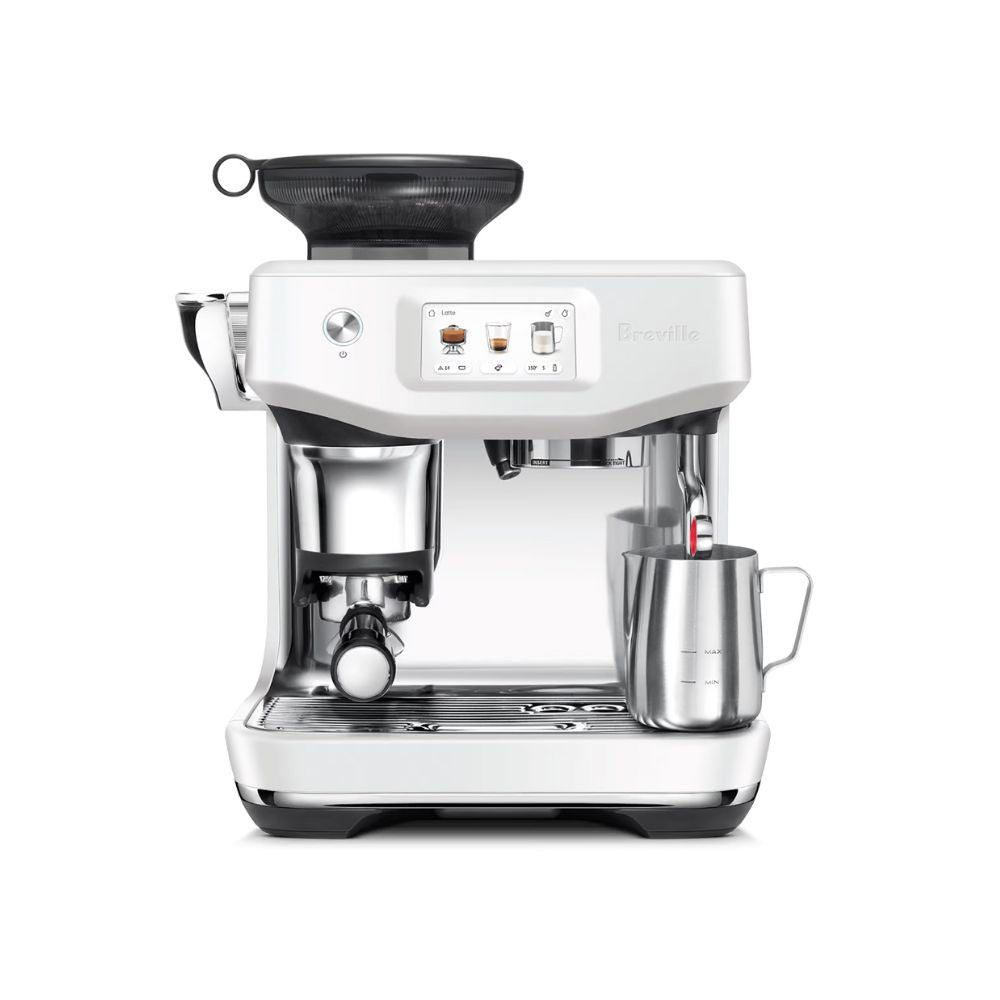
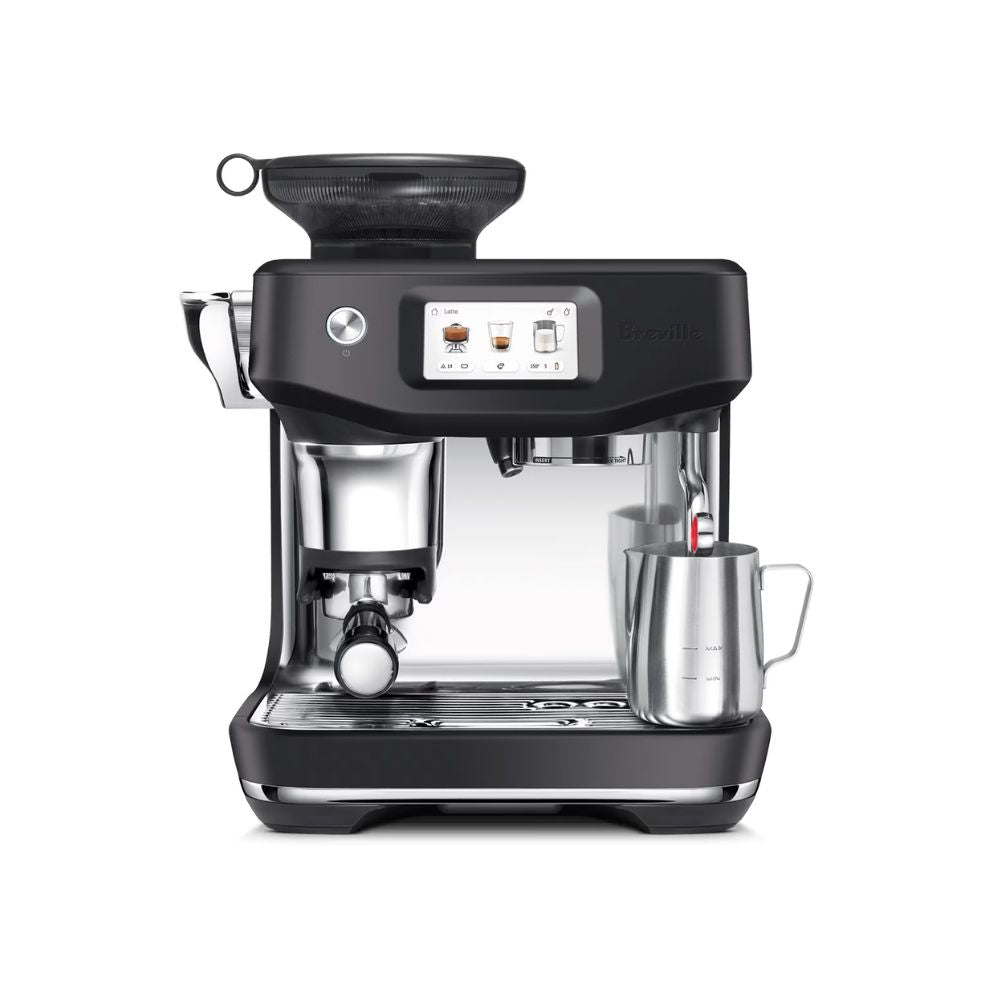
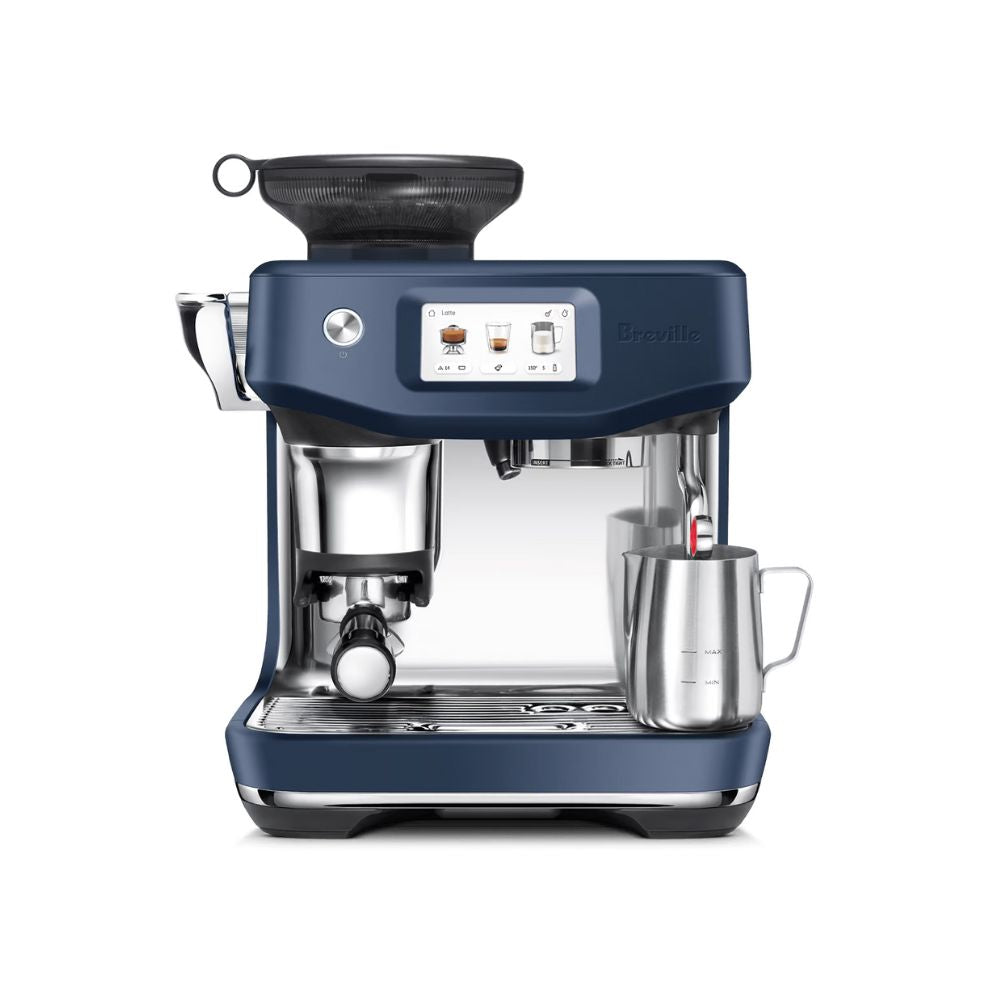
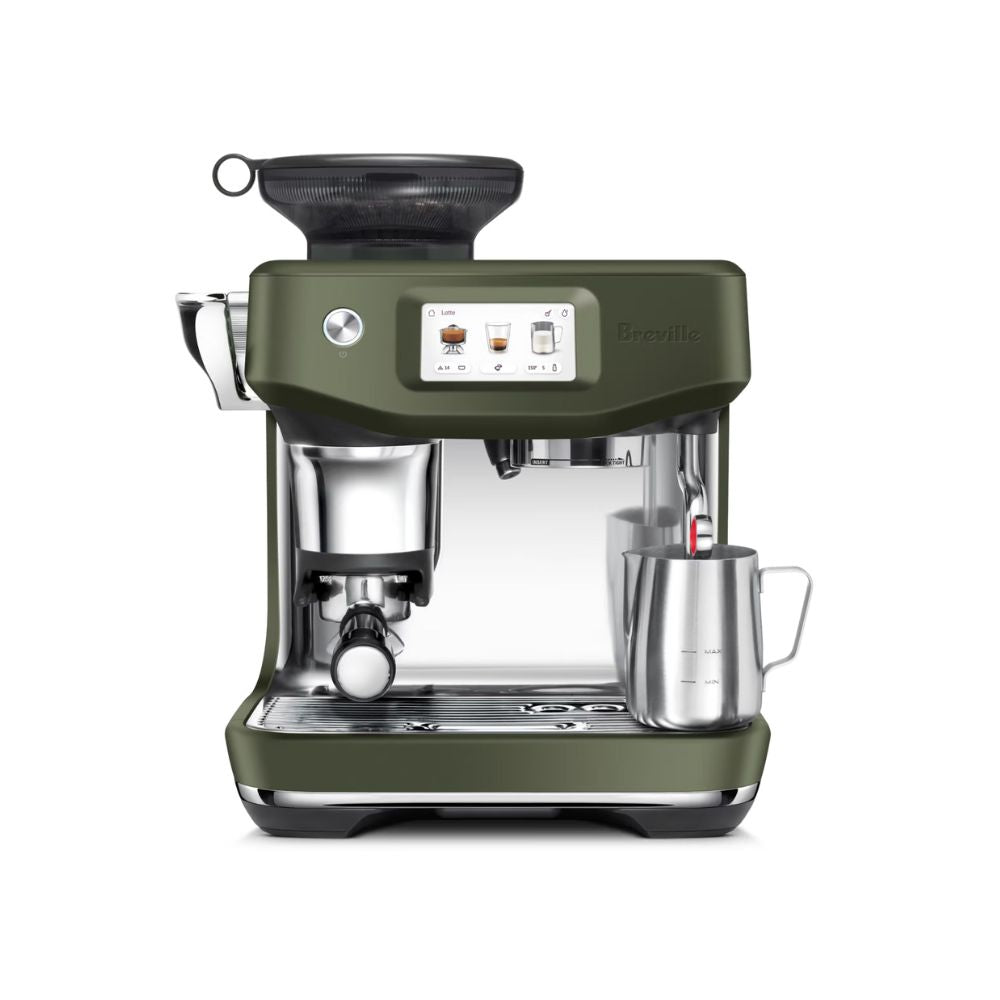
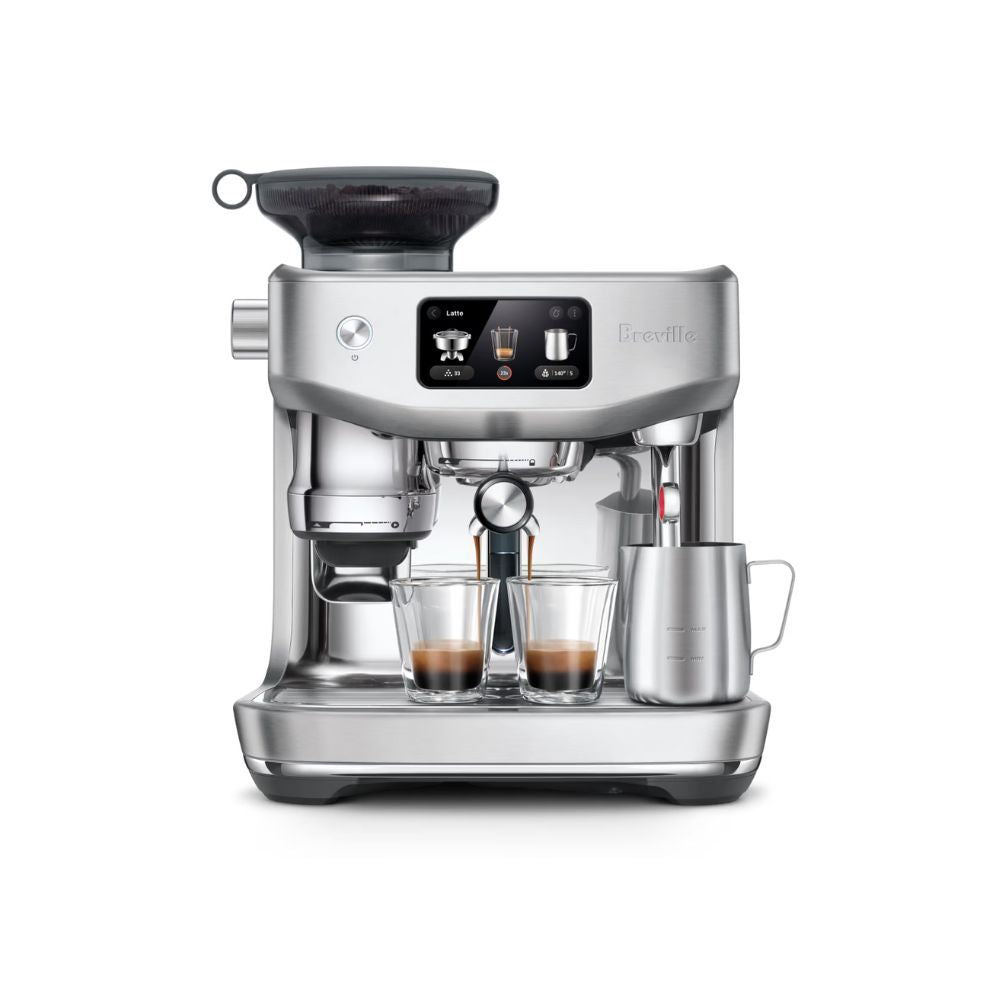
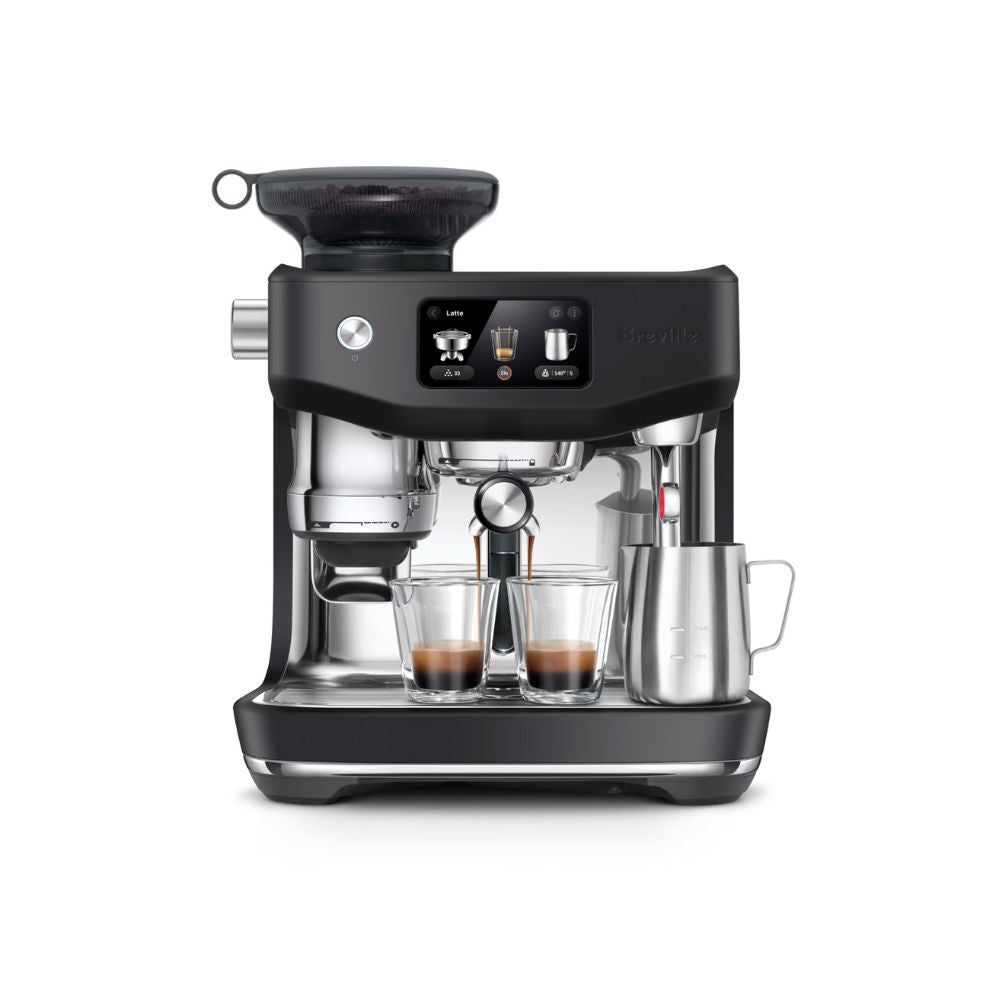
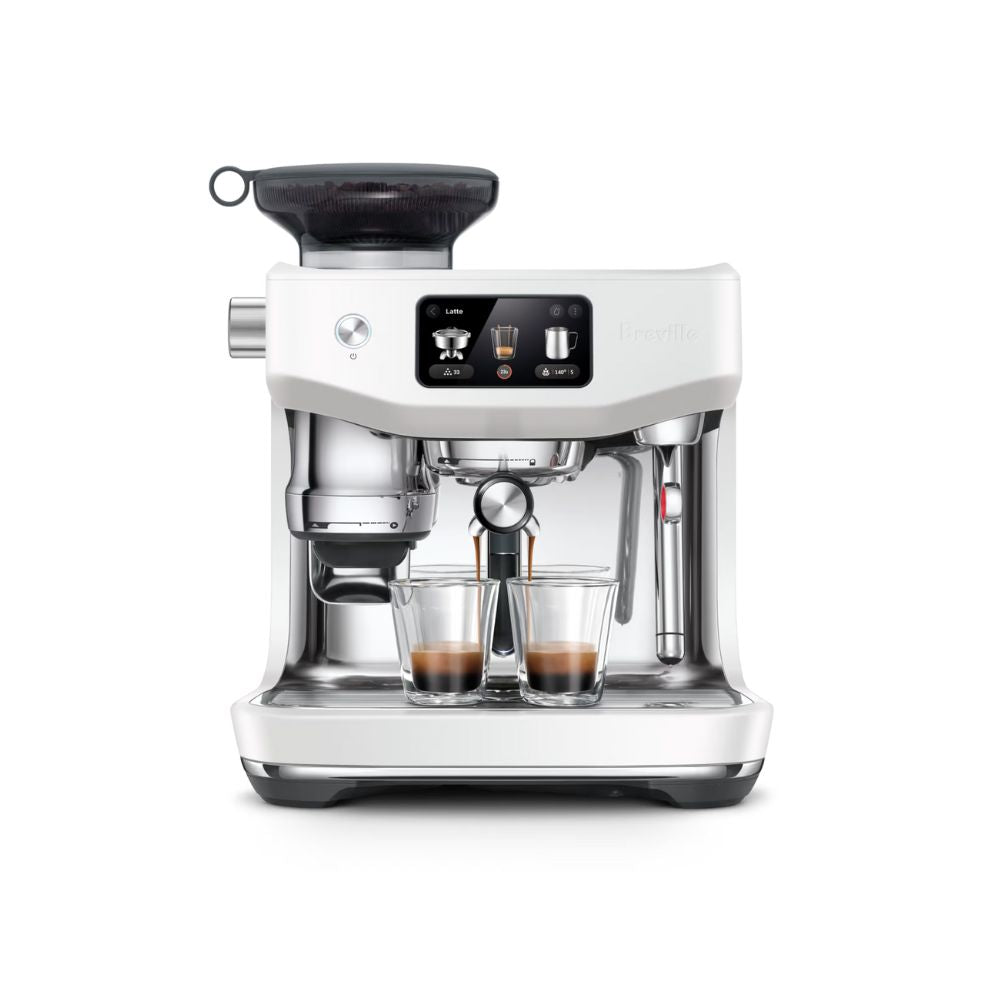
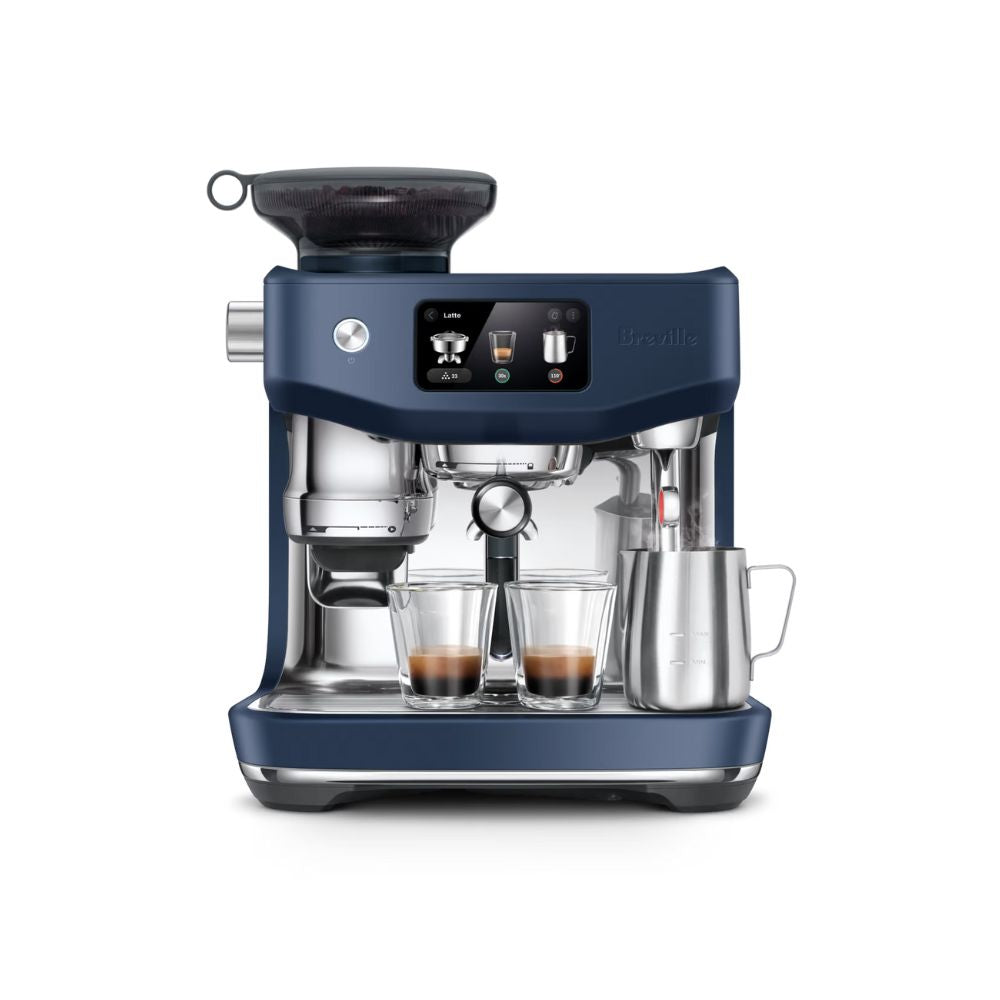
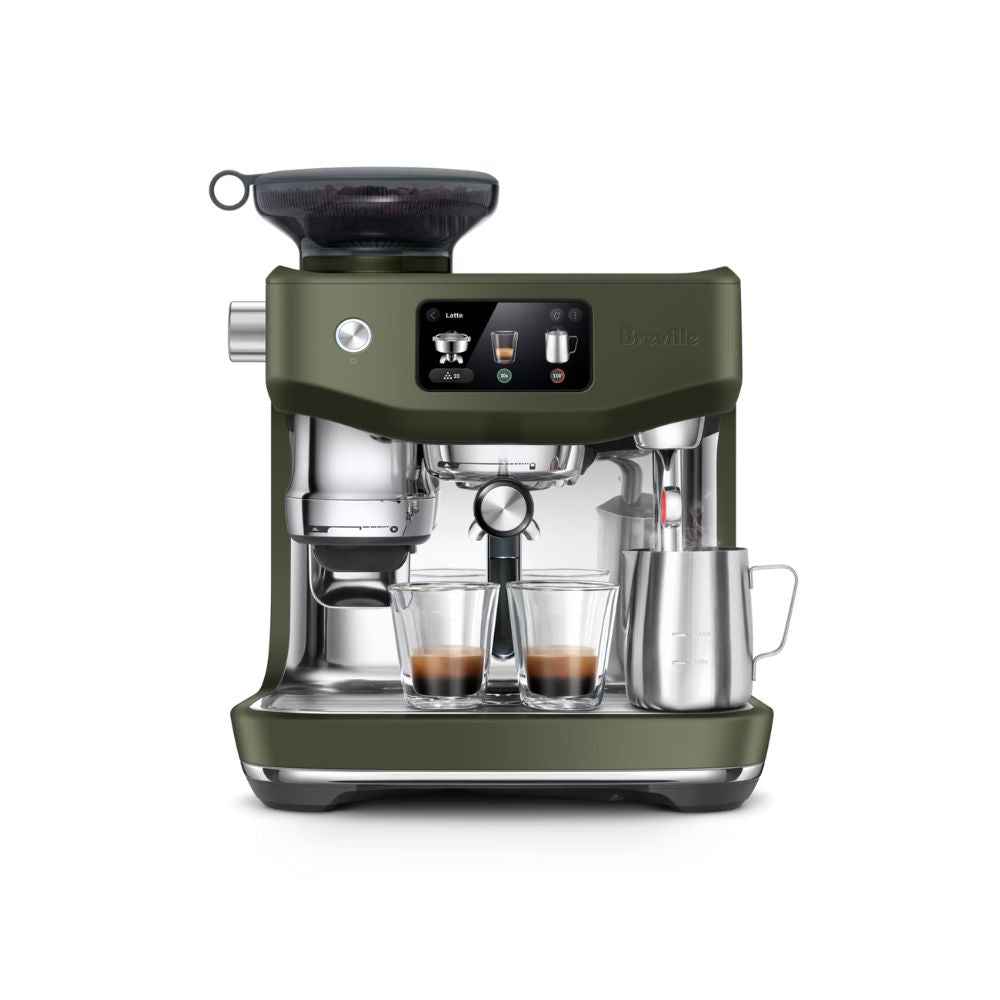
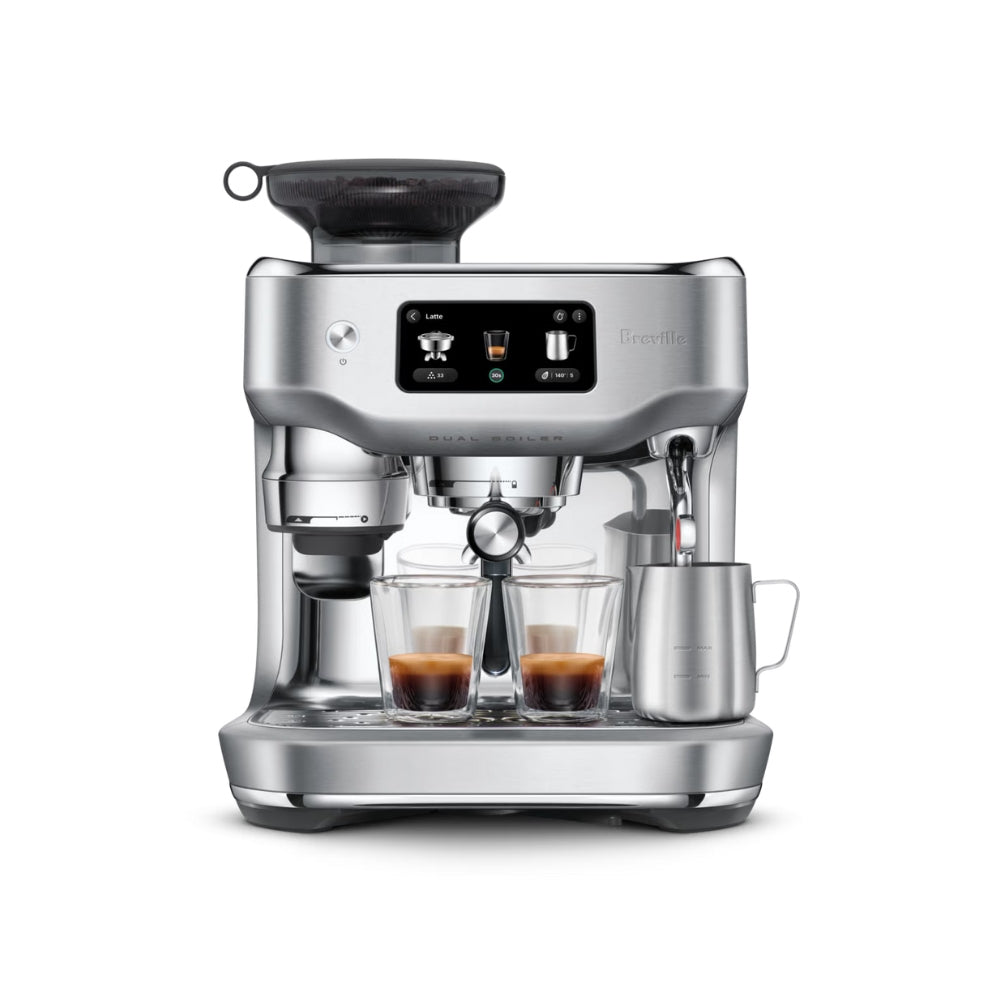
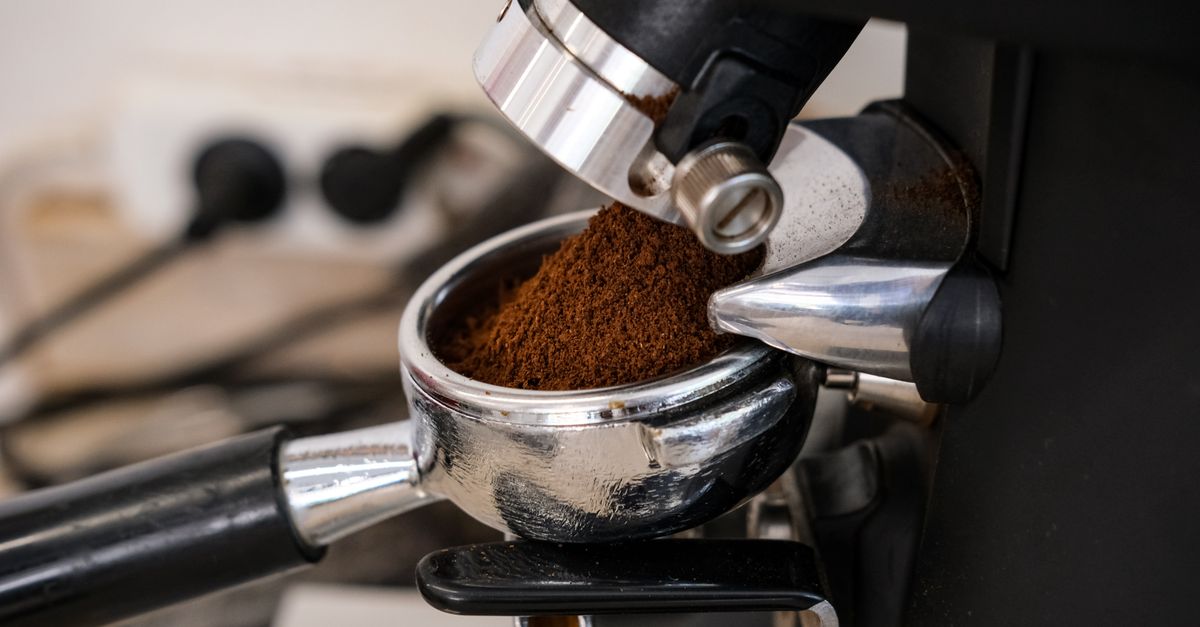
An espresso machine with a built-in grinder combines two essential pieces of coffee equipment in one device: the espresso machine itself (with boiler, pump, group head, and often a steam wand) and a burr grinder that doses ground coffee directly into your portafilter. This integration is found on both super automatic and semi automatic machines.
- Super automatic espresso machines handle grinding, dosing, tamping, brewing, and sometimes milk steaming at the push of a button.
- Semi automatic machines with built-in grinders allow you to grind and control dosing manually while automating the grind and often the dose size.
At Coffee Warehouse, key examples include:
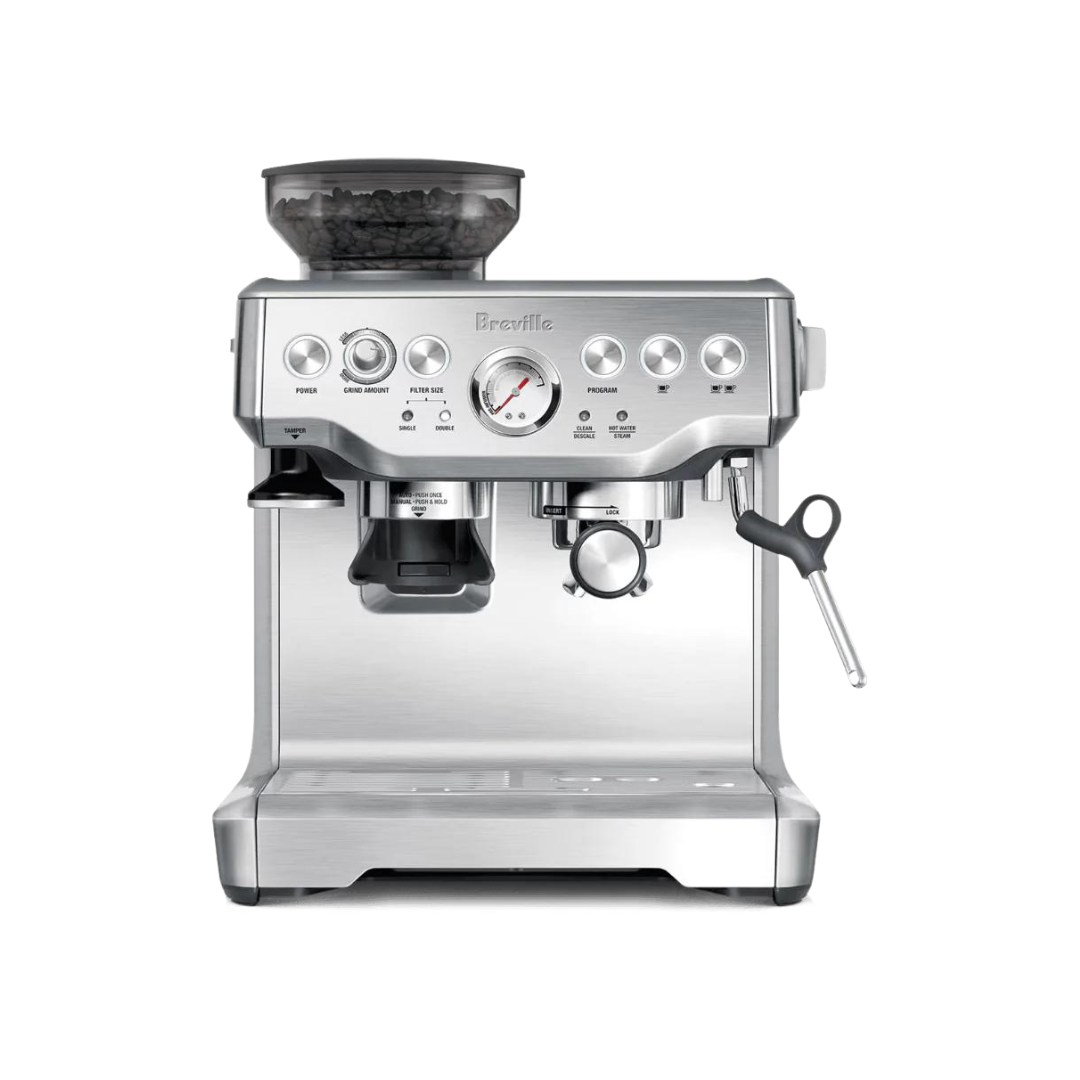
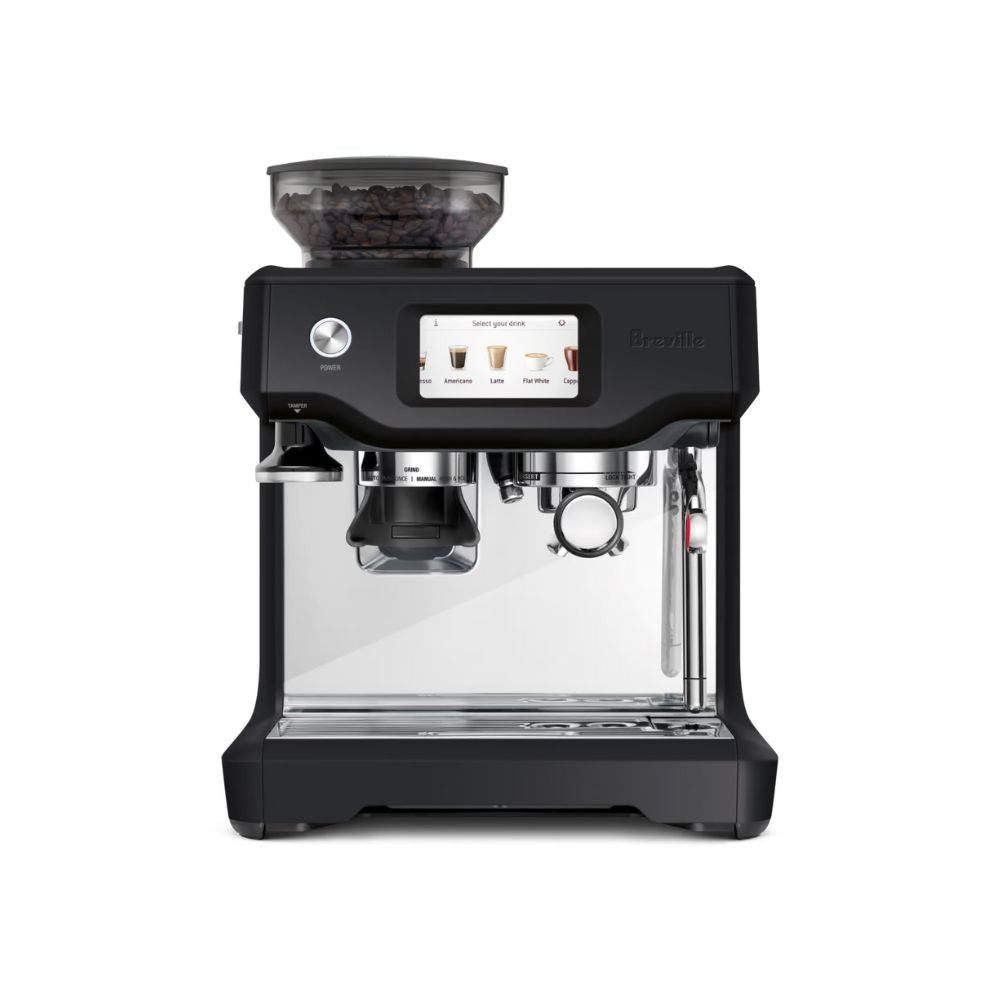
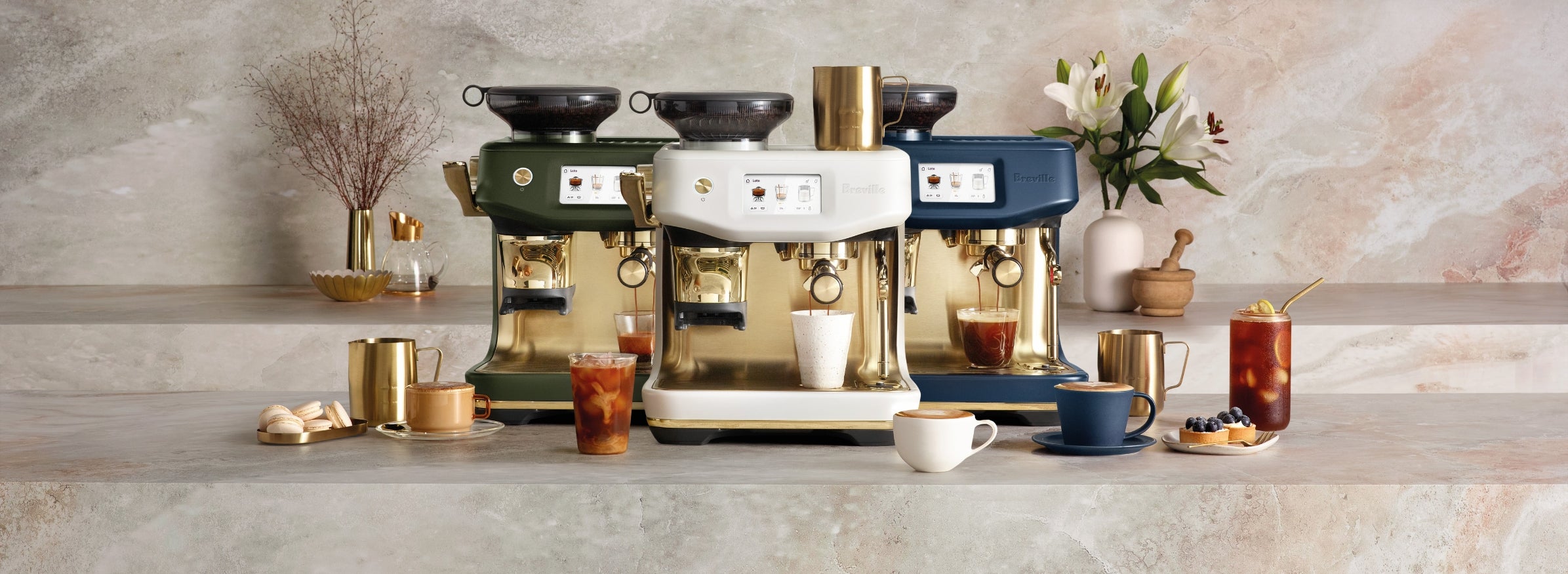
- Breville Barista Express – a widely respected semi automatic machine with an integrated conical burr grinder.
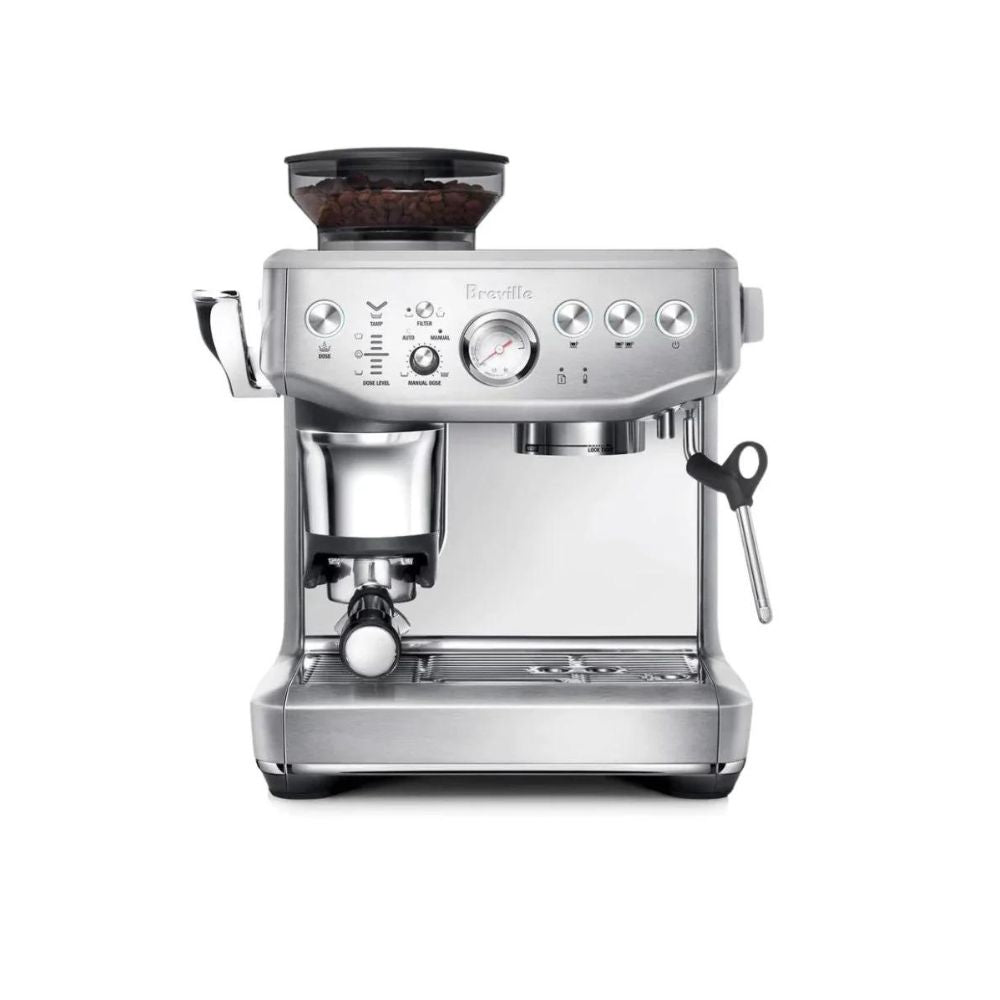
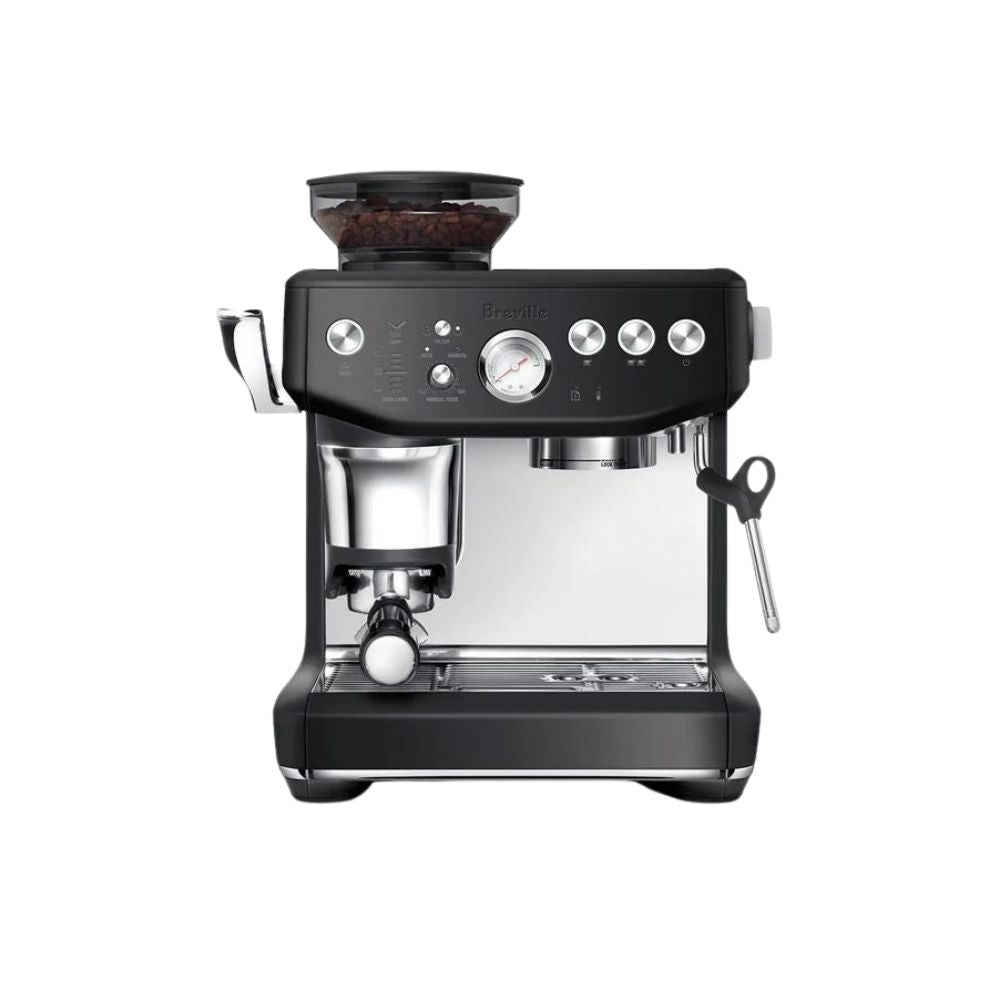
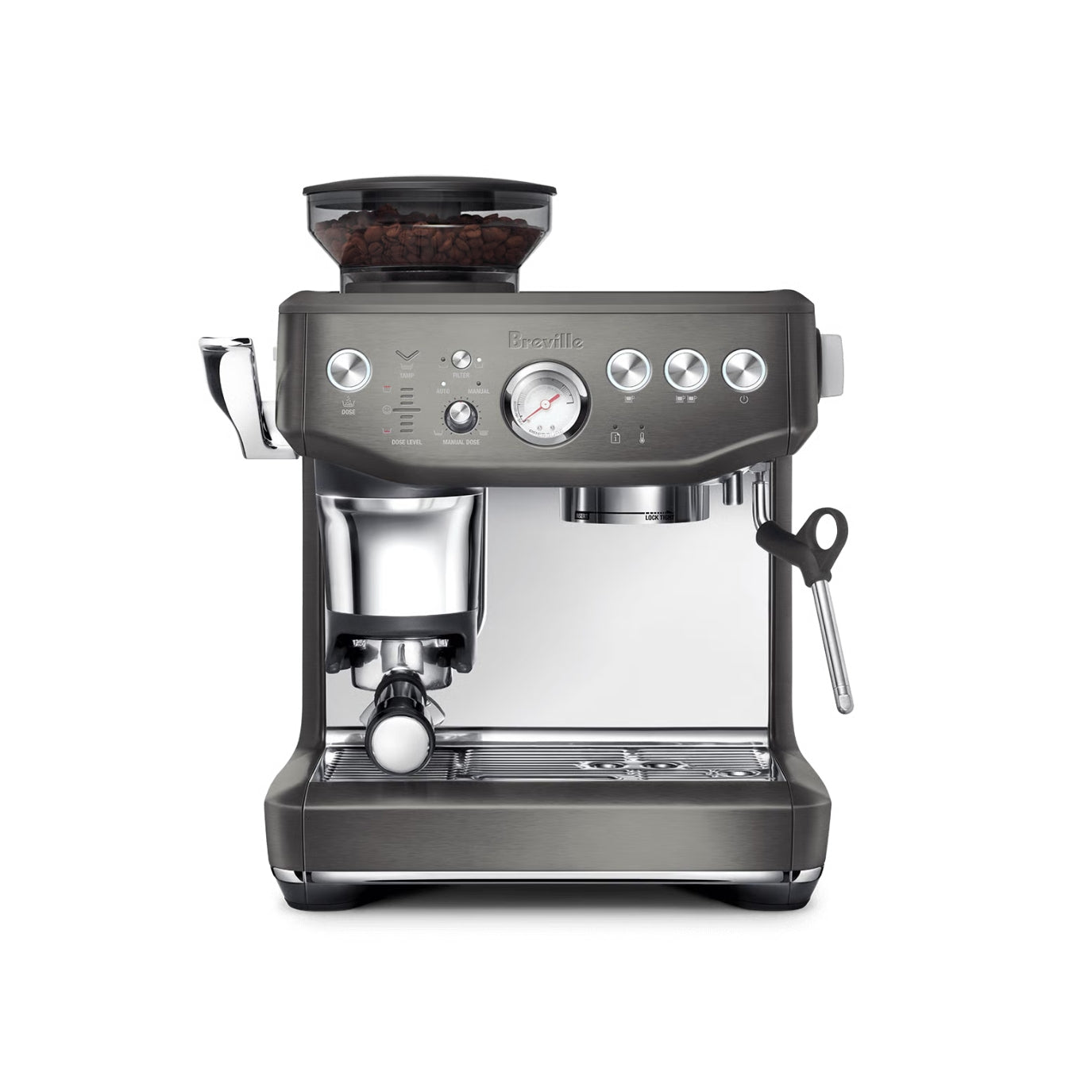
- KitchenAid Semi Automatic Espresso Machine with Burr Grinder, available in multiple finishes including Porcelain and Cast Iron Black, pairing robust construction with built-in grinding functionality.


Core Advantages and Drawbacks of Built-In Grinder Machines
Key Advantages
- Freshness: Grinding beans at the moment of brewing is a major upgrade in taste and aroma. Built-in grinders automate this for optimal flavor.
- Convenience: A single purchase saves counter space, reduces setup time, and eliminates the need for two separate maintenance routines.
- Equipment Compatibility: With the grinder designed for the specific espresso machine, you avoid issues with grind size compatibility or portafilter fit.
- Cost Efficiency: Quality built-in grinder machines often cost less than buying a machine and similarly capable stand-alone grinder separately.
- Simpler Workflow: Less gear means less clutter and fewer variables for those who want a streamlined, repeatable morning coffee experience.
Main Drawbacks
- Footprint: Integrated machines are often taller and heavier than espresso-only models, which can limit placement under kitchen cabinets or in tight spaces.
- Espresso-Only Grinding: Most built-in grinders are tuned for espresso. They may not offer the versatile grind range needed for French press, pour over, or drip.
- Service Risk: If the grinder fails, the entire machine can be out of commission for repairs. With separate gear, only the affected part needs servicing.
- Upgrade Limitations: Want to upgrade your grinder or your espresso machine independently? With an all-in-one, you typically must replace the whole unit.
- Cleaning Complexity: Integrated designs might have tighter internals. Accessing and cleaning the grinder can be less straightforward than a standalone grinder.
Who Should Buy an Espresso Machine With a Built-In Grinder?
Beginners Seeking Café Quality Without Complexity
- Transitioning from drip, pod, or basic home coffee gear? These machines offer ease-of-use and a short learning curve for making espresso, cappuccinos, and lattes.
- Examples: The Breville Barista Express and the KitchenAid Semi Automatic Espresso Machine with Burr Grinder let beginners learn espresso basics without the headache of choosing and calibrating a separate grinder.
Busy Professionals Who Prioritize Convenience
- Morning time is scarce. Built-in grinders simplify your routine (grind, dose, brew in a few minutes) and need less ongoing attention than a setup with two separate appliances.
- If "set it and forget it" appeals to you and you primarily drink espresso, Americanos, or milk-based coffee, the all-in-one approach is ideal.
Households With Limited Counter Space
- All-in-one machines use vertical space more efficiently, which helps in small kitchens or apartments that can't support separate stations for a grinder and machine.
- No need to juggle multiple cords or create makeshift counter layouts—one dedicated spot, one power source.
Value-Focused Shoppers
- If your espresso equipment budget is around $1,000 to $1,500 CAD, a built-in grinder model often delivers more for your money than separately purchasing two high-quality devices.
- The savings can be invested in specialty beans or essential accessories, amplifying your daily enjoyment.
Who Should Skip Built-In Grinder Espresso Machines?
Enthusiast Home Baristas Seeking Maximum Control
- If you enjoy tweaking your setup, dialing in grind particle size, shot ratios, or puck preparation, you will benefit from the flexibility of standalone machines and premium grinders.
- Serious hobbyists may want to match machines like the Profitec Go or Breville Dual Boiler with separate grinders such as the Breville Smart Grinder Pro for best-in-class performance and upgradability.
Users Who Brew Multiple Methods Daily
- If you regularly make French press, pour over, or drip coffee in addition to espresso, a stand-alone grinder with a broad grind range—such as the Breville Smart Grinder Pro—is a better match. Built-in grinders are rarely designed for these coarser grind settings.
People With Unique or Tight Space Needs
- Some kitchens have low cabinets or awkward corners. Separate machines can be positioned independently, and a compact espresso unit (like Profitec Go) can fit under cabinets while the grinder is stored elsewhere as needed.
Buyers Concerned About Repair Risk and Long-Term Maintenance
- If you want the ability to upgrade each component or avoid losing your entire coffee setup when one part fails, keep your espresso machine and grinder separated.
A Step-by-Step Decision Framework (The Coffee Warehouse Guide)
1. Define Your Daily Coffee Habits
- How many espresso drinks do you make per day?
- Do you exclusively brew espresso-based drinks, or do you explore other coffee styles?
- Do you prefer quick, routine workflows, or do you enjoy experimenting with settings and gear?
If you make 1–3 espresso drinks daily, stick to espresso, and value simplicity, you are a great candidate for a built-in grinder machine.
2. Check Your Kitchen Space
- Measure your available counter depth and vertical clearance. Most built-in machines need at least 40 to 45 cm height for comfortable operation and bean refilling.
- Verify that you have a single outlet and enough unobstructed space for your setup.
3. Set Your Budget and Long-Term Goals
- If your budget is up to about $1,500 CAD and you prefer a single purchase, built-in is likely your best choice.
- If you think you will want to upgrade in the future, or might transition to dual boilers or lever machines, separating the grinder and espresso machine will serve you better.
Concrete Customer Scenarios Using Coffee Warehouse Machines
Scenario 1: First Espresso Setup in a Small Condo
Profile: A couple wants hassle-free cappuccinos at home with a quick learning curve.
- Breville Barista Express (integrated grinder, adjustable settings, manageable for beginners, fits well in modest spaces).
Scenario 2: Stylish Kitchen, Priority on Matching Appliances
Profile: Design-focused buyer wants a premium look and seamless workflow.
- KitchenAid Semi Automatic Espresso Machine with Burr Grinder, in Brushed Stainless or Cast Iron Black, delivering strong performance with modern kitchen appeal.
Scenario 3: Enthusiast Wants Future-Proof Upgrades
Profile: Regular espresso enthusiast wants top-tier results, more customization, and the potential to incrementally upgrade equipment.
- Choose an espresso machine like Profitec Pro 300 Dual Boiler or Breville Dual Boiler, paired with a versatile grinder such as the Breville Smart Grinder Pro or Rocket Espresso Giannino Grinder. This allows for future upgrades and more precise tuning.
Best Practices When Using a Built-In Grinder Espresso Machine
Set Up a Simple Grinding Routine
- Begin at a mid-fine grind setting, follow the guidance in the owner’s manual.
- Use a typical double basket dose—often around 18 g coffee, aiming for a 1:2 espresso ratio (about 36 g out in 25–30 seconds).
- Adjust grind one step finer if your shots run too fast, or one step coarser if they're too slow. Keep notes for future consistency.
Prioritize Cleaning and Maintenance
- Empty the bean hopper if you won't use the machine for a few days to preserve freshness.
- Use manufacturer-approved cleaning tablets and descalers. Coffee Warehouse stocks compatible products for all major brands, including Breville and KitchenAid.
- Wipe hopper and accessible areas regularly to reduce coffee oil buildup.
Select Beans That Fit Your Machine
- Choose espresso roast beans for best compatibility—Coffee Warehouse's Pavin Caffe Espresso Bar and Grani D'Oriente blends complement built-in grinder machines well.
- For Americanos, consider the Americano recipe from our guide: brew 1–2 espresso shots, add hot water. This process is easy to execute and highly aromatic with a built-in grinder.
- Want more coffee flexibility? We have a detailed blog on buying an espresso machine for Americanos.
FAQ: Espresso Machines With Built-In Grinders
Who are built-in grinder espresso machines best suited for?
These machines are ideal for espresso drinkers who want simplicity, a quick workflow, and minimal clutter—especially in dedicated coffee stations or smaller spaces.
Can I use a built-in grinder machine for French press or pour over?
Most are designed for espresso-level fineness and do not offer enough grind range for coarser methods. If you regularly brew non-espresso styles, choose a separate grinder with variable settings.
What happens if the built-in grinder fails?
If the grinder needs service, your whole machine may need to be sent for repair. With separate gear, only the grinder is affected, and you can keep using your espresso machine with pre-ground coffee temporarily.
Are cleaning and maintenance more difficult?
Cleaning a built-in grinder requires more attention because of tighter access to components, but using the recommended products and regularly emptying hoppers minimizes issues.
Are these machines worth the money compared to separate gear?
For most newcomers or those upgrading from basic setups, the value proposition is strong. However, advanced users seeking granular control, long-term flexibility, or brewing multiple coffee styles may prefer separate components.
How do I choose between a Breville and a KitchenAid built-in grinder espresso machine?
Breville models like the Barista Express offer broad feature sets and wide availability of replacement parts. KitchenAid excels in design and sturdy metal bodies with a focus on style as well as performance. Both are available with expert support at Coffee Warehouse.
Conclusion
Espresso machines with built-in grinders deliver convenience, consistent freshness, and value—perfect for many home users looking to upgrade their morning routine. They shine for those who mostly drink espresso-based beverages, crave efficiency, and prefer a neat kitchen aesthetic. If your priorities are maximum control, brewing versatility, or minimizing long-term risk when it comes to repairs, a separate grinder-and-machine setup may suit you better.
Our team at Coffee Warehouse is always available to guide you, compare the latest models, and help you build the perfect home espresso bar for your tastes and space. Explore our full catalog and expert resources, or book a personalized demonstration in one of our Ontario showrooms. For deeper dives into espresso machine selection, workflow, or maintenance, browse our expert blog library for more detailed guides.
Shop Appliances