

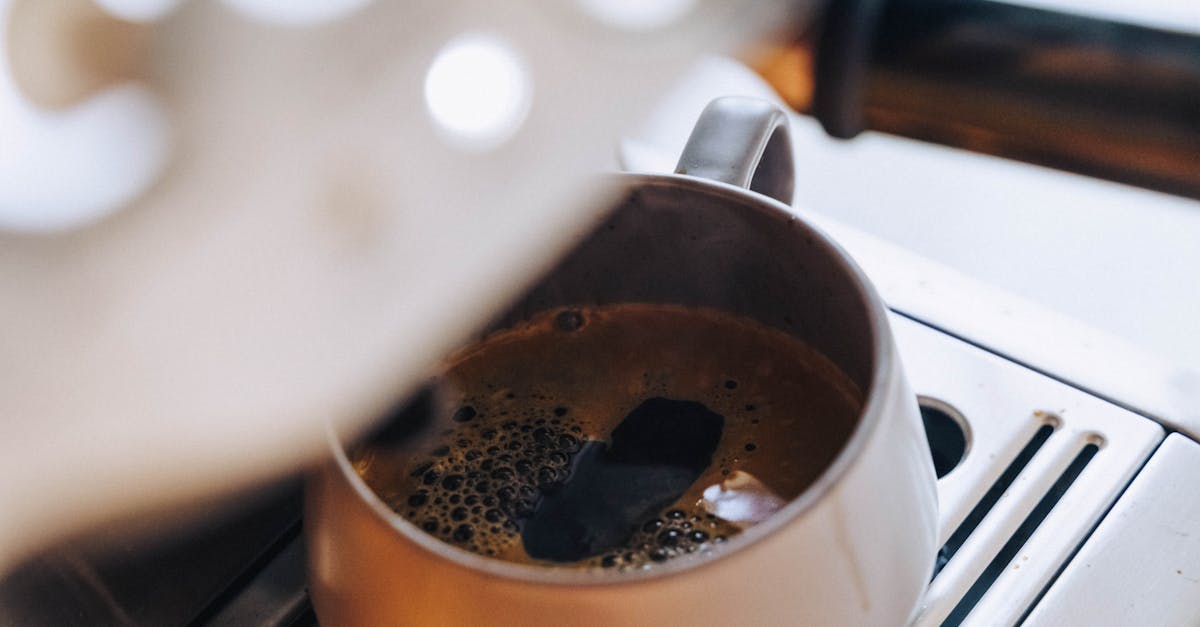
The Water You Use Matters: A Simple Guide to Better Espresso (Filters, Hardness, and Scale)
When it comes to making exceptional espresso at home, the water you use is just as critical as your choice of coffee beans or espresso machine. At Coffee Warehouse, we guide customers through every step of their espresso journey, and water quality is a frequent cause of both triumph and frustration for even seasoned home baristas. The right water delivers balanced flavors, protects your investment, and ensures each espresso shot reaches its full potential.
Water accounts for more than 90% of your espresso. Using water with the wrong mineral content or contaminants can lead to bland, sour, or bitter cups, and—just as importantly—can cause scale buildup inside your espresso machine. Scale not only degrades performance, but also shortens your machine’s lifespan and leads to costly repairs. Understanding filtration, hardness, and regular maintenance is the key to unlocking both taste and longevity for your espresso setup.
What Is the "Right" Water for Espresso?
The Specialty Coffee Association (SCA) recommends a water profile for brewing espresso: Total Dissolved Solids (TDS) between 90-150 parts per million (ppm), hardness around 50-80 ppm as calcium carbonate, alkalinity of 40-70 ppm, and a neutral pH level near 7. This bracket ensures both the ideal flavor extraction and a long, efficient lifespan for your espresso machine. At Coffee Warehouse, we see many customers with tap water significantly outside these parameters, especially those in areas with hard or heavily treated municipal water.
Definition: Key Water Terms for Espresso
- Total Dissolved Solids (TDS): The sum of dissolved minerals (like calcium and magnesium) in the water, measured in ppm. TDS influences flavor clarity and extraction efficiency.
- Water Hardness: Specifically refers to calcium and magnesium in water. Too high causes scale, too low can make espresso taste flat.
- Alkalinity: The water’s buffering capacity: moderate levels prevent sourness; too much can mute acids in your coffee.
- Scale: Solid mineral buildup (primarily from calcium) inside your espresso machine’s boiler and pipes.
- Filtration: The process of removing unwanted minerals, chemicals, and particulates for optimal coffee water.
Step-by-Step: How to Test Your Water at Home
- Get a Test Kit: Purchase a TDS meter or water hardness test strips. These are inexpensive and available at specialty retailers or hardware stores.
- Sample Your Water: Run cold tap water for 30 seconds to flush the line, then collect a sample in a clean glass.
- Measure TDS: Use the TDS meter according to the instructions. Ideal range is 90-150 ppm for espresso.
- Check Hardness: Dip a hardness test strip and compare to the color chart. Aim for 50-80 ppm hardness (as CaCO3).
- Test pH (Optional): Use a pH test strip or meter; 6.5-7.5 is optimal.
The Risks of Hard Water: Limescale and Machine Damage
Hard water—high in calcium and magnesium—offers complexity and body in espresso. However, when hardness exceeds recommended levels, these minerals precipitate as scale (limescale) inside brewing circuits, boilers, and steam wands. Scale acts as insulation, lowering brew temperature, slowing heat-up times, and blocking water flow. This can decrease extraction efficiency and impair the subtle flavors you seek in specialty espresso.
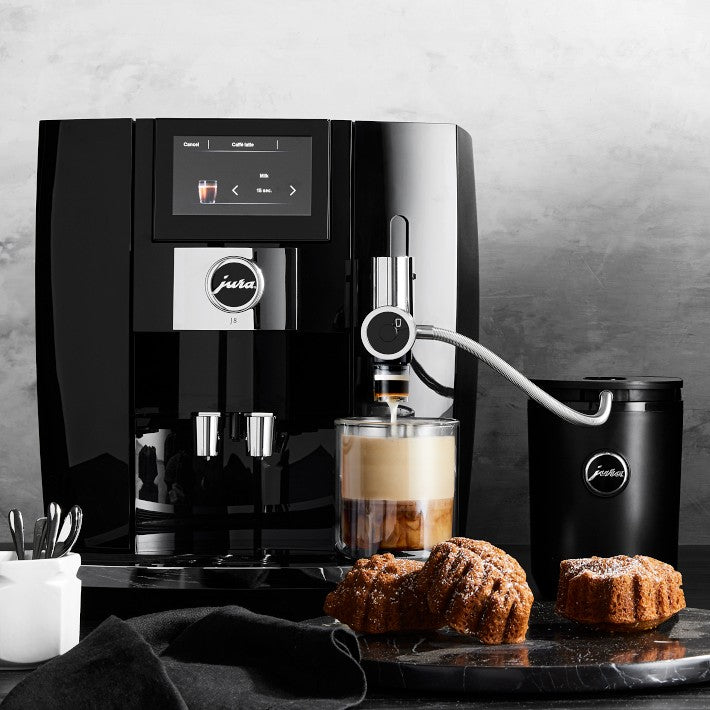
Regular scale buildup shortens the life of components such as pumps, solenoids, and heating elements. We routinely help customers at Coffee Warehouse address these issues, especially those using premium super automatic or traditional machines from brands like Breville, Jura, Rocket, Profitec, and ECM.
Soft Water: Benefits and Pitfalls
While soft water prevents scale, it can also cause flat, under-extracted espresso, sometimes described as metallic or thin. In extreme cases, very low-mineral water (such as distilled or RO water without added minerals) can even pull ions from metal machine parts, accelerating corrosion or damaging gaskets.
Filtration Solutions: What Works Best?
To find the appropriate solution, always start by testing your water. Where tap water falls outside espresso guidelines, filtration is essential. At Coffee Warehouse, we recommend the following proven solutions for espresso machines:
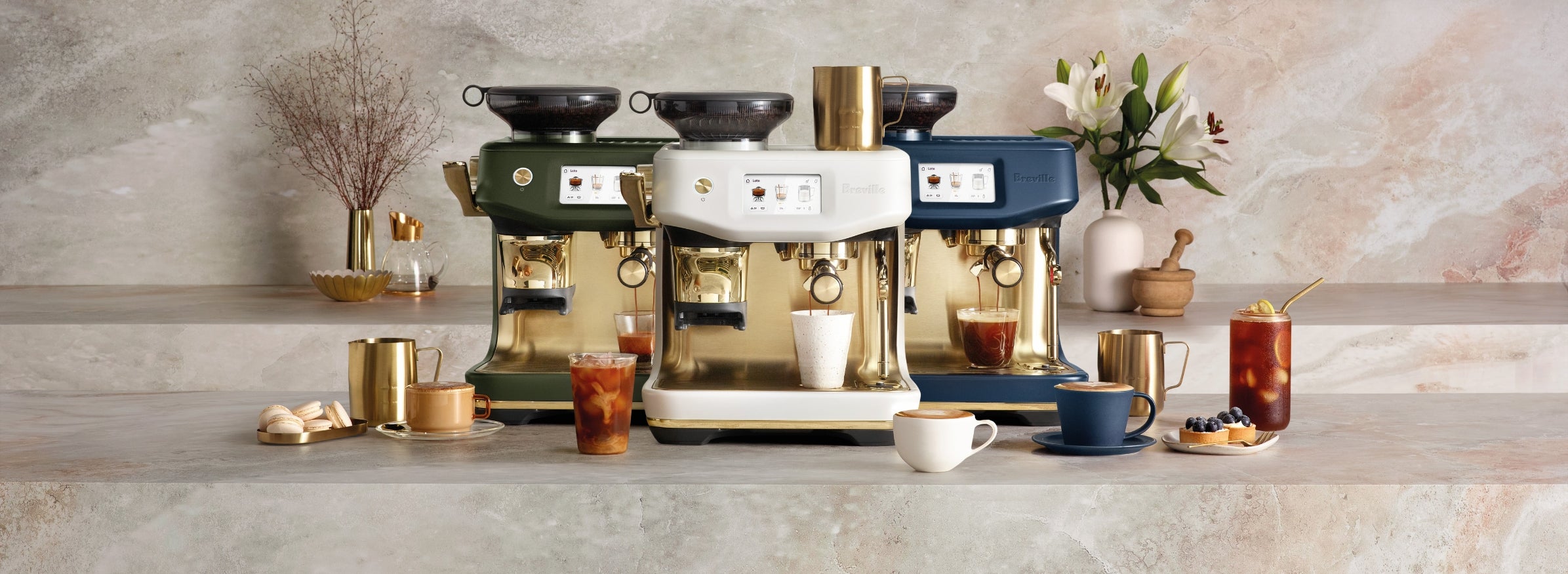
- Breville ClaroSwiss Water Filter: Designed for Breville espresso machines, this filter reduces chlorine, heavy metals, and minerals—a balanced choice for protecting your machine and improving taste.
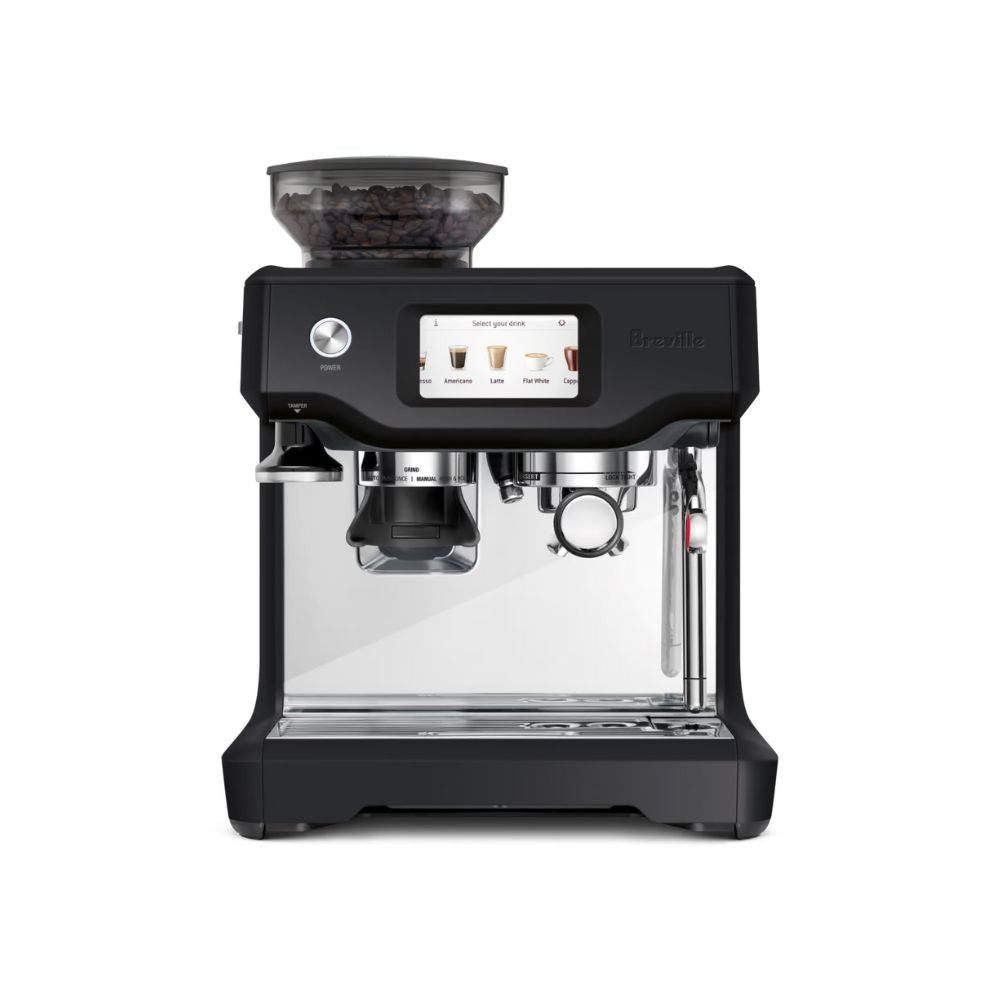
- Breville Water Filters: A pack suitable for Barista Touch and other models, easy to install and effective for basic mineral and contaminant reduction.
- Kitchenaid Espresso Machines Water Filter: Custom fit for fully automatic KitchenAid models (KF6, KF7, KF8), this filter cuts descaling frequency and helps prevent limescale in hard water areas.


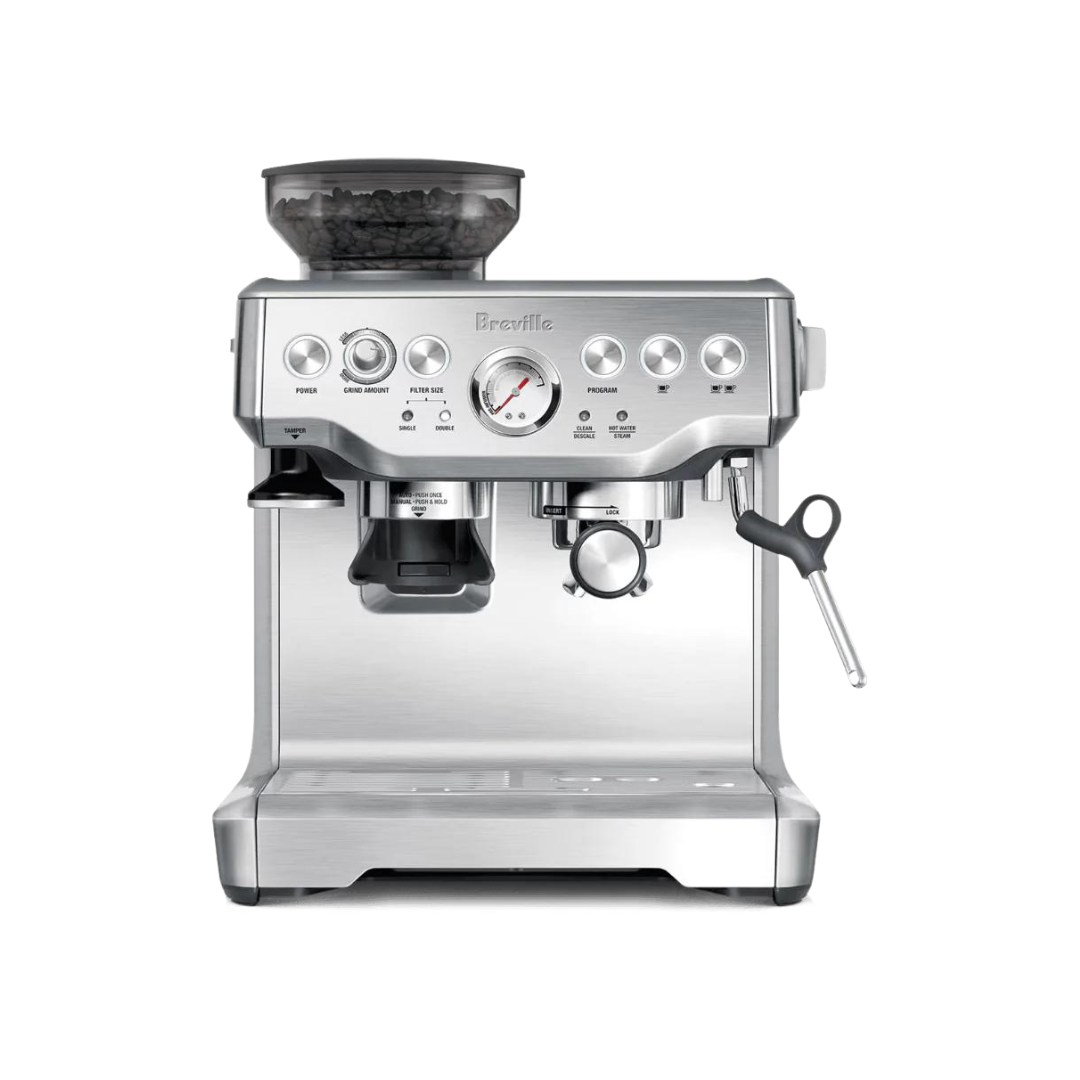
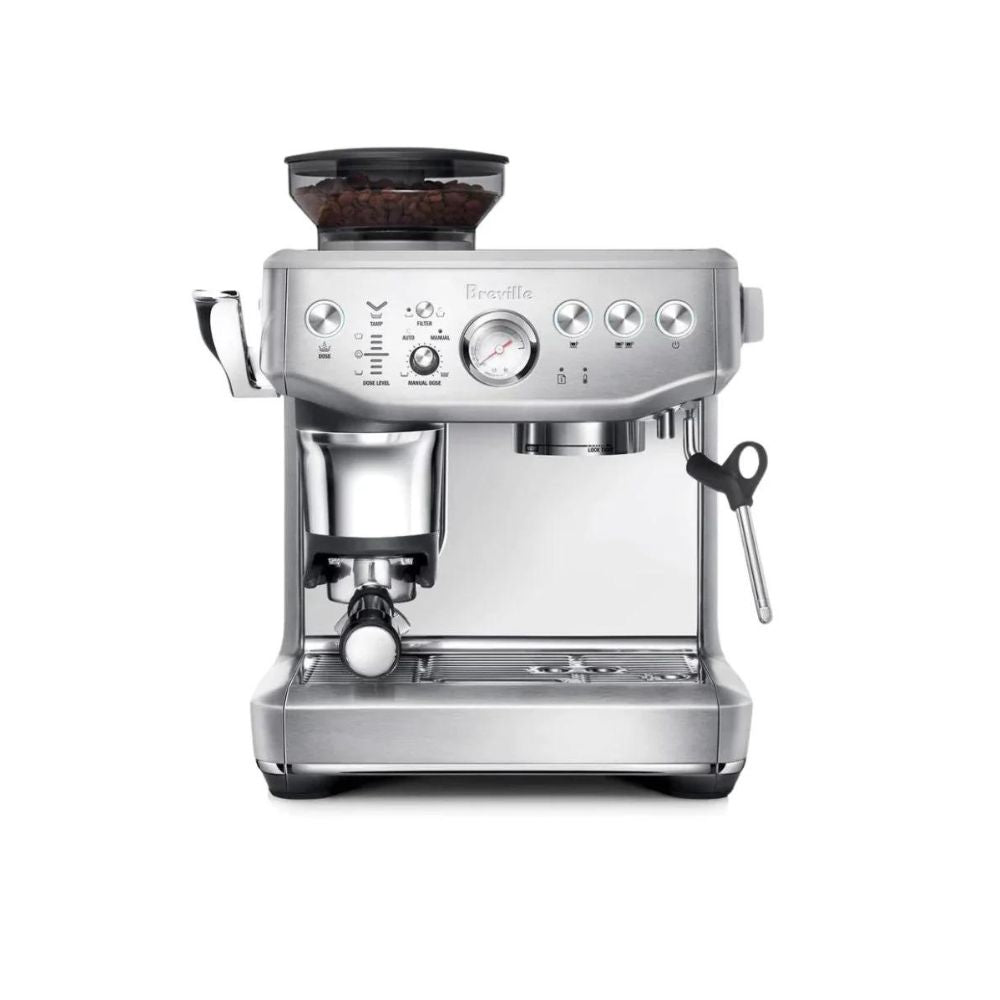
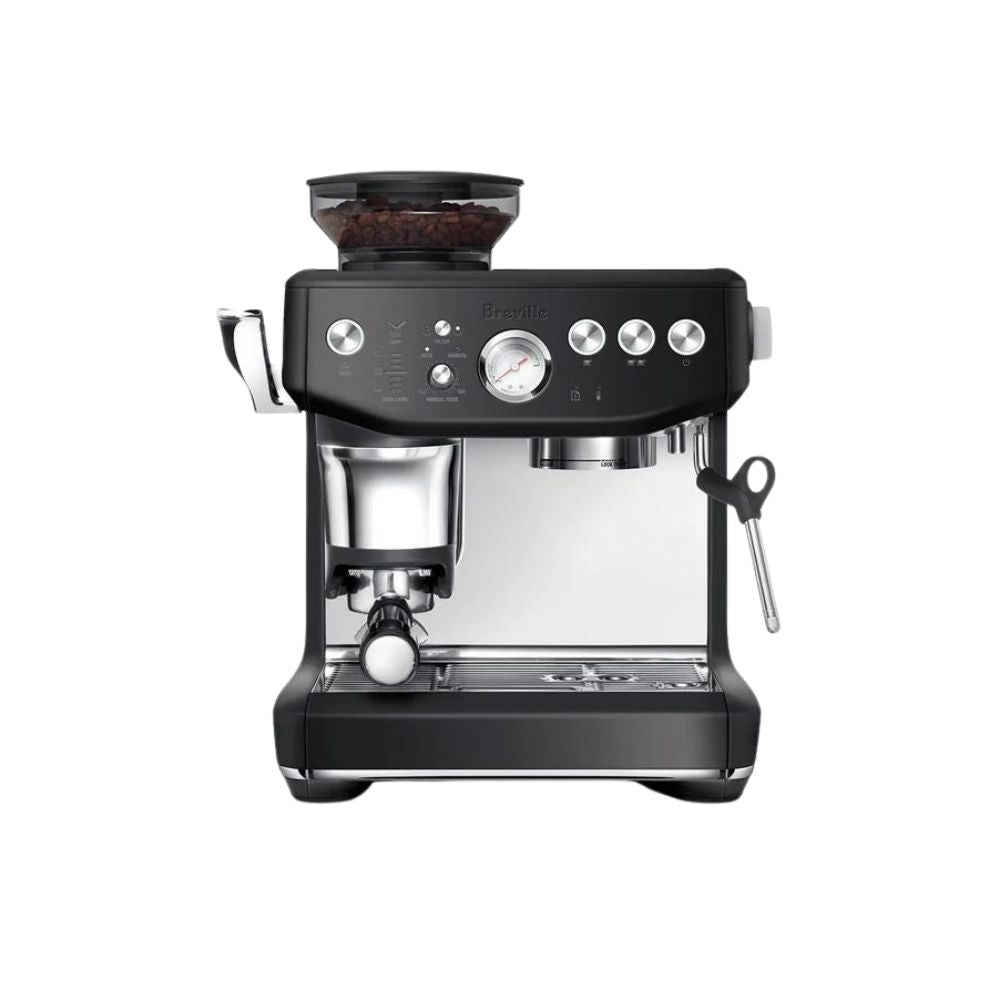
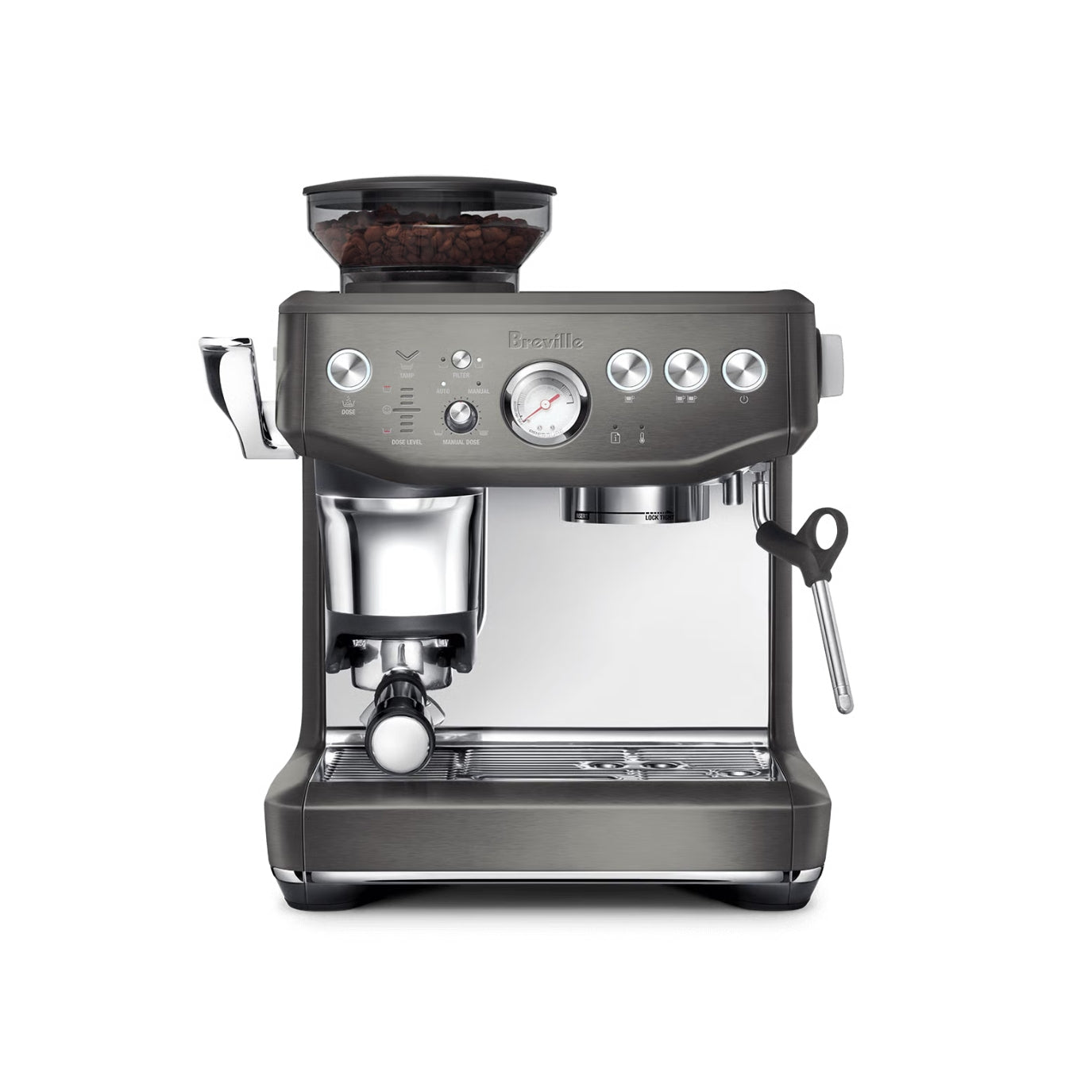
These solutions align with Coffee Warehouse's expertise in balancing ease of use and protection for your investment. Proper filter use can reduce the need for descaling by up to 50%, and in customer cases, has delivered noticeable improvements in flavor clarity and crema texture—especially for popular models such as the Breville Barista Express and KitchenAid automatics.
Maintenance Matters: Scale Prevention and Cleaning Routine
No filter removes every mineral. Even with filtration, regular cleaning and descaling are essential, especially if your water supply is moderately hard or above. Here’s the maintenance schedule we recommend at Coffee Warehouse:
- Weekly: Flush 1 liter of hot water through your machine’s grouphead and steam wand.
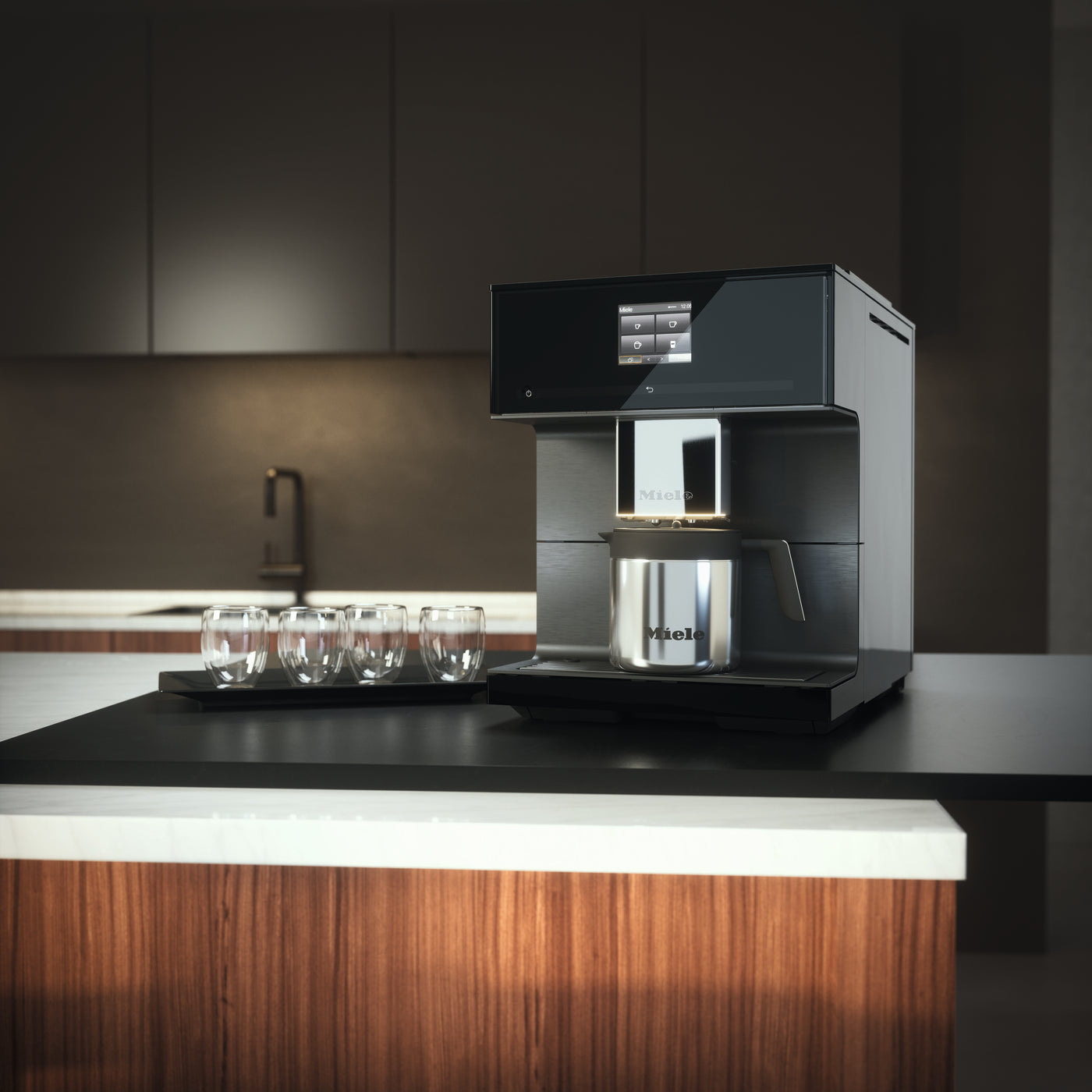
- Monthly: Descale with manufacturer-approved descaling agents such as Breville Descaler or Miele tablets, especially in high-usage households.
- Quarterly: Run a cleaning tablet cycle (example: KitchenAid cleaning tablets) to clear oils and coffee residue from brewing pathways.
- Annually: Schedule a professional service inspection or deep clean. Coffee Warehouse services leading brands directly, supporting Canadian customers with parts, cleaning agents, and maintenance advice.
Water Types Compared: Which Should You Use?
| Water Type | Hardness/TDS | Best For | Avoid If |
|---|---|---|---|
| Filtered Tap | 50-150 ppm | All-purpose use; safe for most espresso machines | High chloride or heavy metals present |
| Bottled Spring Water | 80-120 ppm | Flavour testing, when tap water is unsuitable | Repeated use (cost/environment) |
| Softened Water | <50 ppm | Scale prevention in extremely hard water zones | Direct use without remineralization |
| RO/Distilled | <10 ppm | Only with added mineral solutions (advanced users) | Direct use—risk of corrosion, flat taste |
| "Third Wave" Custom | ~60 ppm hardness, 90 ppm TDS | Experienced hobbyists aiming for competition-level flavor | Complex/overkill for daily home use |
Best Practices: What Coffee Warehouse Experts Recommend
- Always test your water before connecting a new espresso machine. Adjust with filtration as needed.
- Install manufacturer-specific filters where available. Filters meant for your machine protect it best and do not compromise taste or warranty conditions.
- Follow a strict cleaning and descaling schedule. Filtered does not mean maintenance-free.
- Monitor for changes in taste, extraction speed, or visible scale. These are early signs that maintenance or water adjustment is needed.
- Contact Coffee Warehouse for personalized advice if you’re unsure about your water source or maintenance needs. Our team can help you choose the best solution for any of our espresso machine brands.
Case Study: Real Results from Coffee Warehouse Customers
We often hear from customers with hard tap water—sometimes exceeding 200 ppm. In one notable case, a Toronto-based Breville Barista Express owner saw 80% less scale buildup after installing the ClaroSwiss filter, with improved crema and fewer off-flavors in tasting. Others using KitchenAid and Miele models have reported reduced need for descaling and smoother espresso with similar filter solutions. For those seeking an upgrade, pairing quality water with a precise grinder (like the Rocket Espresso Super Fausto or Profitec Twist SD54) can transform both workflow and cup quality. If you are curious about the grind aspect, see our in-depth single-dose vs hopper grinder comparison.
FAQ: Water Quality and Espresso Machines
What’s the easiest way to tell if my water is too hard?
If you see white spots on kettles or faucet aerators, or if test strips indicate above 100 ppm hardness, your water is likely too hard for optimal espresso results. Filtering is advised.
Should I use distilled or reverse osmosis (RO) water?
Use only if you can add minerals back to the water. Straight distilled or RO water can cause poor extraction and even damage your machine’s internals by leaching metals.
Does every espresso machine need a water filter?
Not all, but most benefit—especially if your local tap water is hard. Many modern machines (such as Breville, KitchenAid, Jura) support fit-for-purpose water filters available from Coffee Warehouse.
How often should I descale my espresso machine?
If you use filtered water, every 3-6 months is typical. Without filtration, you may need to descale monthly, especially in hard water zones.
Can water quality affect taste as much as coffee beans or grinder?
Absolutely. Off-flavors, astringency, and dull espresso can be traced directly to poor water chemistry. Balanced minerals enhance clarity and sweetness in your shots.
Are all filter brands suitable for my espresso machine?
No, use the manufacturer’s recommended type. Aftermarket filters may fit poorly, reduce flow, or void warranty. Always check compatibility—for example, the Breville ClaroSwiss for Breville branded machines.
What if my tap water smells or tastes like chlorine?
Install an activated carbon-based filter or use bottled spring water for best results—chlorine negatively impacts espresso flavor and crema.
Do high-end espresso machines (like Rocket or ECM) require special water treatment?
Yes—these machines extract nuanced flavors but are particularly vulnerable to hard water. Coffee Warehouse recommends at least basic filtration and regular descaling for all premium machines.
Conclusion: Making Better Espresso Is About Water
Water quality is the foundation of every great espresso. The right balance of minerals brings out flavor, crema, and aroma. It also guards your espresso machine against scale, ensuring lasting performance and fewer service issues. At Coffee Warehouse, our expertise in coffee equipment and water management has helped thousands of Canadians elevate their home café experience. For more tips, machine recommendations, or tailored water solutions, visit Coffee Warehouse or reach out to our team. We're passionate about helping you make every espresso insightful, delicious, and built to last.
Shop Appliances